
Kyuzo Mifune's Timeless Wisdom: Essential Lessons for Today's Judoka

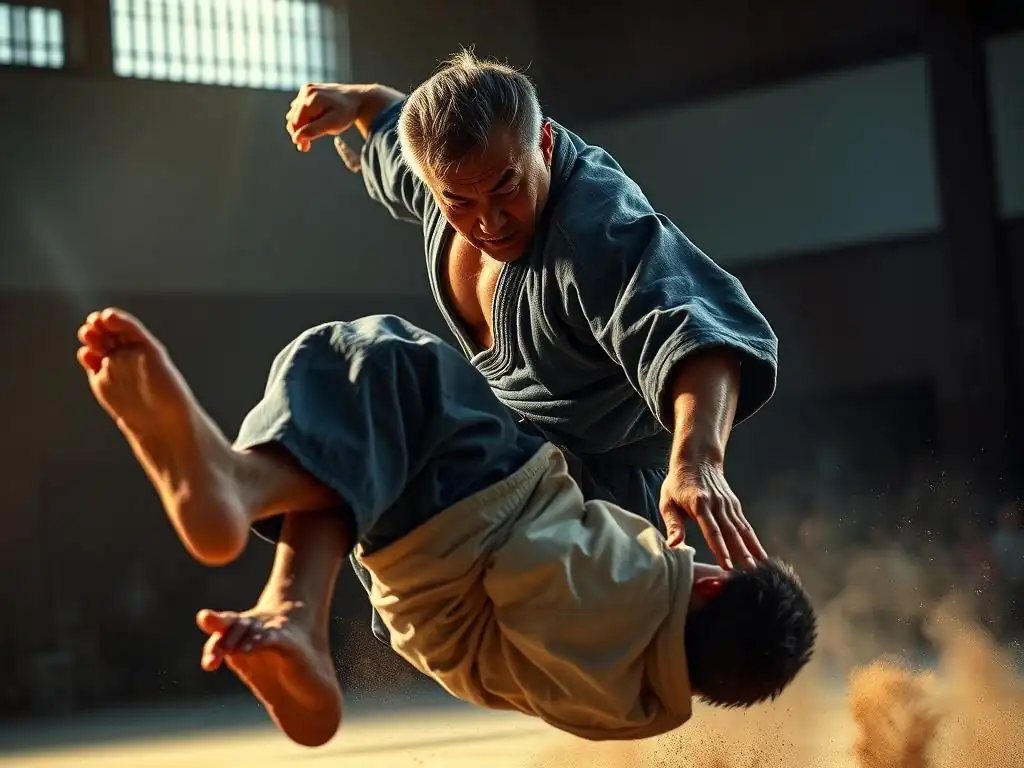
Welcome to Martial Arts Mastery, where we delve into the captivating world of combat traditions! Ever wondered how a seemingly frail individual could dominate opponents with effortless grace? Today, we unlock the secrets behind one of judo's most influential figures – explore the enduring legacy and practical applications of Kyuzo Mifune judo techniques, and discover how his timeless wisdom continues to shape the art of grappling for modern judoka. Prepare to be inspired and challenged.
- Kyuzo Mifune Judo Techniques: A Detailed Analysis
-
Frequently Asked Questions
- What made Kyuzo Mifune such a legendary figure in Judo?
- What are some of the key principles espoused by Kyuzo Mifune that are still relevant today?
- Where can I learn about specific Judo techniques developed or popularized by Kyuzo Mifune?
- How did Kyuzo Mifune contribute to the evolution of Judo as a martial art?
- What is the best way to incorporate Mifune's teachings into my current Judo training?
- Final Reflection: Embracing Mifune's Enduring Legacy
- Unleash Your Inner Judoka: Carry Mifune's Legacy Forward!
Kyuzo Mifune Judo Techniques: A Detailed Analysis
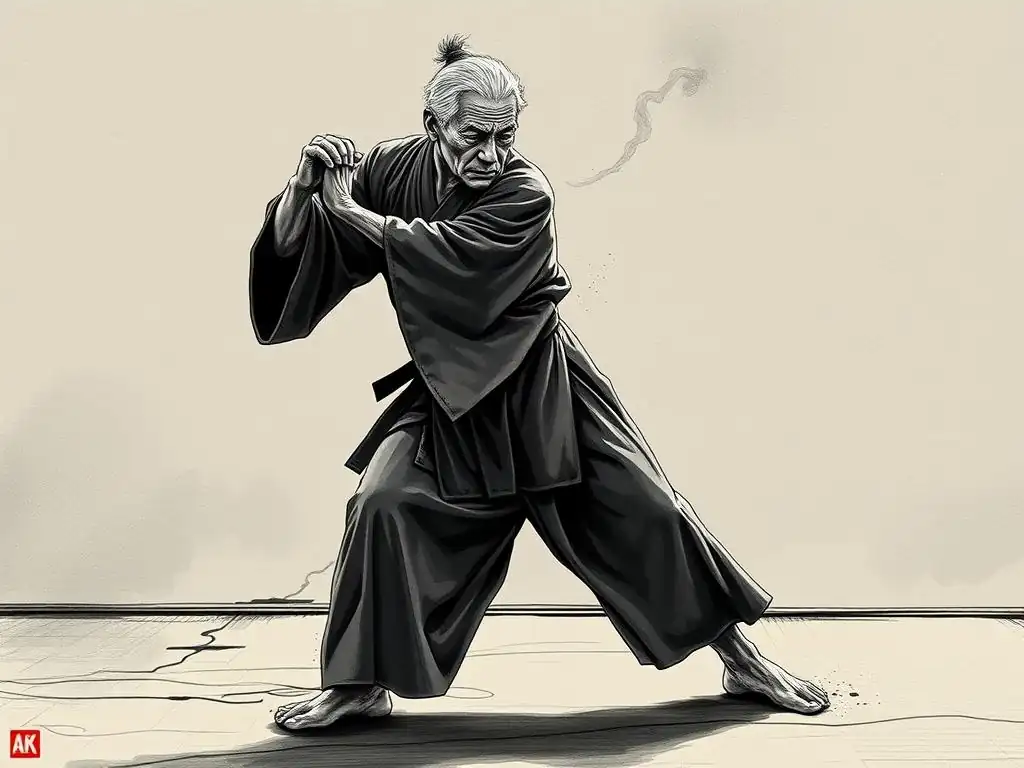
Sutemi-waza (Sacrifice Techniques): Mifune's Signature Moves
Kyuzo Mifune, often revered as the "God of Judo," held a particular mastery over sutemi-waza, or sacrifice techniques. These Kyuzo Mifune judo techniques involve the thrower deliberately falling to sacrifice their own balance and position in order to throw the opponent.
For Mifune, who was relatively small compared to many of his training partners and opponents, sutemi-waza were not just a part of his repertoire but a cornerstone of his strategy, allowing him to overcome significant size and strength disadvantages through superior timing, precision, and understanding of leverage. His execution of these techniques was legendary, often appearing effortless and surprising, as he seemed to disappear beneath his opponent only to send them crashing to the mat.
The effectiveness of Mifune's sutemi-waza lay in his impeccable timing and subtle application of pressure to disrupt the opponent's balance just as he initiated his fall. He didn't just drop; he transitioned smoothly, using his body weight and momentum in perfect harmony with the opponent's reaction. This required an immense amount of control and a deep understanding of body mechanics.
Spectators and fellow judoka marveled at how he could throw opponents much heavier than himself with such apparent ease using these complex Kyuzo Mifune techniques. His demonstrations, particularly captured in his instructional videos, showcase the fluidity and commitment needed to perform sutemi-waza safely and effectively, highlighting the fine line between a successful throw and being pinned yourself.
Tomoe-nage (Circle Throw): Mastering Mifune's Tomoe-nage
Mifune's Tomoe-nage was one of his most iconic Kyuzo Mifune judo techniques. He executed it with incredible speed and precision, often pulling his opponent forward and down before dropping onto his back and extending a leg into their lower abdomen or hip area. The key was the circular motion (hence "circle throw") created by the pull and the leg extension, which sent the opponent flipping over his head.
His variations included both the standard Tomoe-nage where he ended up on his back, and a more dynamic version where he might roll slightly to the side, adapting the throw based on the opponent's posture and resistance. The entry was crucial; he often used a strong forward pull or exploited the opponent's forward step to initiate the throw, making it particularly effective against opponents who were moving aggressively towards him.
Ura-nage (Back Throw): The Power of Ura-nage in Mifune's Judo
Another formidable sutemi-waza in Mifune's arsenal was Ura-nage. This technique involves throwing the opponent backward while falling onto one's own back or side. Mifune's execution emphasized lifting the opponent high before dropping, using a powerful grip and coordination of the entire body.
He often used Ura-nage as a counter-attack, particularly when an opponent attempted a throw like O-goshi or drove into him. By sinking his weight and wrapping around the opponent's torso or arm, he could leverage their forward momentum against them, resulting in a devastating backward throw. It required immense core strength and confidence to commit to falling backward with an opponent lifted on one's chest or shoulder.
Te-waza (Hand Techniques): Exploring Mifune's Hand Throws
While his sacrifice throws were spectacular, Kyuzo Mifune's judo techniques also included a profound mastery of te-waza, or hand techniques. These throws rely primarily on the pulling and pushing actions of the hands and arms, combined with precise body positioning, to break the opponent's balance and execute the throw.
Mifune's approach to te-waza was characterized by efficiency and subtlety; he rarely used brute force, preferring to use minimal movement to achieve maximum effect by exploiting angles and timing. His grip fighting was integral to setting up these techniques, demonstrating a deep understanding of how to control the opponent's posture and movement through hand placement and pressure.
Mifune's execution of te-waza highlighted the seamless transition between the stages of a throw: kuzushi (breaking balance), tsukuri (fitting), and kake (execution). He could transition from disrupting the opponent's balance with a subtle pull or push directly into the fitting stage, positioning his body for the throw in a fraction of a second.
This rapid, fluid execution made his te-waza incredibly difficult to defend against. His ability to throw opponents from seemingly static positions or when they were resisting strongly underscored his technical genius and his unique understanding of how to apply the principles of leverage and momentum using primarily the upper body and precise footwork.
Seoi-nage (Shoulder Throw): Kyuzo Mifune's Seoi-nage Variations
Seoi-nage was another of Kyuzo Mifune's judo techniques that he executed with exceptional skill. He was proficient in both Ippon Seoi-nage (one-arm shoulder throw) and Morote Seoi-nage (two-arm shoulder throw). His technique emphasized a deep, low entry, getting his hips well below the opponent's center of gravity.
The power came from the snap of the pulling arm against his chest and the strong lift and turn of his body, rather than just muscling the opponent over. He adapted the entry based on the opponent's stance, sometimes using a drop-entry ( Tai-otoshi like motion) or a quick, stepping entry to get under their guard.
Uki-otoshi (Floating Drop): The Subtle Art of Uki-otoshi
Kyuzo Mifune's approach to Uki-otoshi exemplified the principle of using the opponent's momentum against them. This te-waza involves dropping the body low and pulling the opponent forward and down, causing them to fall over one's leg or arm which acts as a pivot point.
Mifune executed this technique with minimal visible effort, relying on precise timing and a subtle drop of his weight while pulling the opponent off balance. It was a technique of pure timing and leverage, requiring the thrower to yield slightly to the opponent's forward momentum or pressure and then redirect it downwards. It highlighted his ability to throw without needing significant physical strength.
Ashi-waza (Foot Techniques): Foot Sweeps and Reaps in Mifune's Style
Kyuzo Mifune's judo techniques were not complete without his sophisticated use of ashi-waza, or foot techniques. These techniques involve using the legs and feet to sweep, reap, or block the opponent's legs, disrupting their balance and causing them to fall. For Mifune, ashi-waza were not just standalone throws but often served as crucial preparatory actions, used to break the opponent's posture, force a reaction, or set up entries for other techniques like te-waza or sutemi-waza. His footwork was incredibly agile and precise, allowing him to attack the opponent's base with speed and accuracy.
Mifune's execution of ashi-waza emphasized timing the sweep or reap precisely with the opponent's natural movement, particularly as they shifted their weight during stepping or adjusting their stance. He used his legs as sensitive instruments, feeling the opponent's weight distribution and attacking the leg that was bearing the least weight or was in transition.
This required excellent coordination between his footwork, hand grips, and body movement, demonstrating a holistic approach to throwing where every part of the body worked together. His ability to execute clean, effective foot sweeps was a testament to his decades of dedicated practice and refined technique.
O-goshi (Major Hip Throw): Analyzing Mifune's O-goshi execution
While more famous for sacrifice throws, Kyuzo Mifune also demonstrated a highly technical O-goshi. His execution focused heavily on achieving deep hip penetration and turning his body fully to load the opponent onto his hips.
He achieved kuzushi through a strong pull and turning motion before fitting his hips in close. Unlike a strength-based O-goshi, Mifune's relied on getting his center of gravity lower than the opponent's and using the leverage of his hip as a fulcrum, emphasizing the principle of tsukuri (fitting) before the final lift and turn ( kake).
Harai-goshi (Sweeping Hip Throw): The Dynamics of Harai-goshi
Mifune's Harai-goshi was a dynamic technique that combined hip turning with a powerful sweeping action of the leg. He would enter deeply, similar to O-goshi, but then sweep the opponent's leg away as he turned and pulled, causing them to pivot and fall over his hip.
The timing of the sweep was critical, coinciding with the opponent's weight transfer. He often used his rear leg to sweep, coordinating the sweep with the rotation of his hips and the pull of his arms. This technique required excellent coordination and a strong, committed sweeping motion.
Frequently Asked Questions
What made Kyuzo Mifune such a legendary figure in Judo?
Kyuzo Mifune was renowned for his technical mastery and his deep understanding of Judo principles. He was known as the "God of Judo" due to his innovative techniques and lifelong dedication.
What are some of the key principles espoused by Kyuzo Mifune that are still relevant today?
Mifune emphasized kuzushi (breaking balance), tsukuri (fitting in), and kake (execution). These principles remain the foundation of effective Judo.
Where can I learn about specific Judo techniques developed or popularized by Kyuzo Mifune?
MartialArtsMastery.org provides information on specific Judo disciplines, training tips, and practical self-defense strategies. You can find content related to Mifune's techniques within the Judo section.
How did Kyuzo Mifune contribute to the evolution of Judo as a martial art?
Mifune expanded Judo's repertoire with new throwing techniques and a deeper emphasis on strategic thinking. He refined existing techniques, making them more efficient and effective.
What is the best way to incorporate Mifune's teachings into my current Judo training?
Focus on understanding the underlying principles of balance breaking and efficient movement. Analyze Mifune's techniques and adapt them to your individual strengths and style.
Final Reflection: Embracing Mifune's Enduring Legacy
The exploration of Kyuzo Mifune's judo techniques and philosophy reveals more than just historical methods; it unveils a profound understanding of movement, balance, and adaptability that remains remarkably relevant in modern judo and beyond. Mifune's principles, though rooted in tradition, offer a pathway to enhanced performance and a deeper appreciation for the art, proving that true mastery transcends time.
The impact of Mifune's teachings extends far beyond the dojo, influencing our approach to problem-solving and personal growth. His emphasis on fluidity and leveraging an opponent's weight serves as a powerful metaphor for navigating life's challenges with grace and resilience. The secret of Judo is nothing but this: Conform to the movements of your adversary, and yield to his strength; by doing this, you will be able to control his power.
This quote encapsulates the essence of Mifune's wisdom, reminding us to adapt and find strength in yielding.
As we conclude this journey into the world of Kyuzo Mifune, I invite you to reflect on how his principles can be applied not only to your judo practice but also to your daily life. Embrace the fluidity, the adaptability, and the unwavering spirit of Mifune, and discover the transformative power of his timeless wisdom within yourself.
Unleash Your Inner Judoka: Carry Mifune's Legacy Forward!
Thanks for exploring the enduring wisdom of Kyuzo Mifune with us. We hope these insights have ignited a deeper understanding of Judo's principles and their relevance to your journey. Now, it's time to put these lessons into action!
- Embrace the Mifune Mindset in your next training session: Focus on fluid transitions and adapting to your opponent's energy, not just brute strength.
- Share your favorite Mifune technique or quote with a fellow Judoka to spark discussion and learning.
- Consider researching other influential figures in Judo history and reflecting on how their teachings can enrich your practice.
What specific aspect of Mifune's philosophy resonates most with you, and how will you integrate it into your Judo practice this week?