
The Iwama Tradition: Morihiro Saito's Enduring Aikido Lineage and Influence

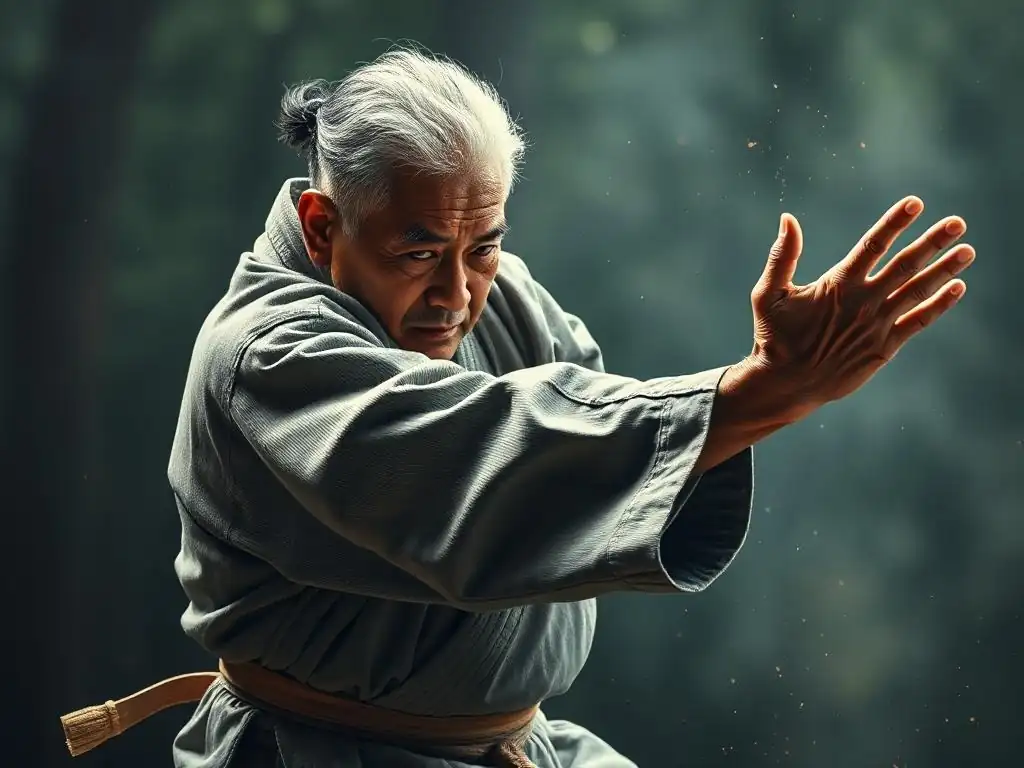
Welcome to Martial Arts Mastery, where we delve into the heart of combat traditions! Ever wondered how a single teacher can reshape the landscape of a martial art? This week, we explore the profound and enduring impact of Morihiro Saito and the Iwama Aikido lineage influence. Discover how his dedication to preserving the founder's teachings shaped a distinct and powerful branch of Aikido, and prepare to question what you thought you knew about this elegant art. Read on to unravel the secrets of Iwama!
- Iwama Aikido Training: Practical Applications and Benefits
-
Frequently Asked Questions
- What is Iwama Aikido, and how does it differ from other Aikido styles?
- Who was Morihiro Saito, and what was his relationship to the founder of Aikido?
- What is the significance of the Iwama Dojo in the history of Aikido?
- How does the Iwama Aikido lineage influence modern Aikido practice?
- What are the key characteristics of Iwama Aikido techniques?
- Final Reflection: The Enduring Legacy of Iwama Aikido
- Unleash Your Aikido Potential Now!
Iwama Aikido Training: Practical Applications and Benefits
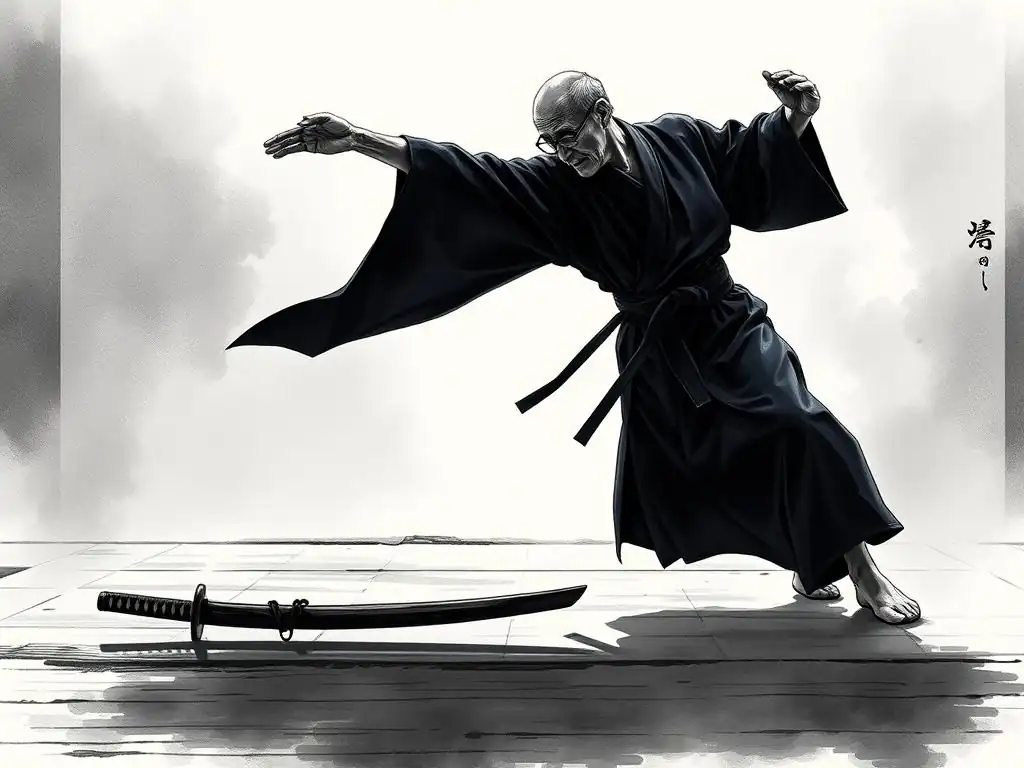
Iwama Aikido training, deeply rooted in the methods passed down by Morihiro Saito Sensei, emphasizes a rigorous approach to fundamentals. This focus ensures that practitioners build a solid base upon which to develop more complex techniques. The practical application of these foundational elements is key to understanding the unique contribution of the Iwama Aikido lineage influence to the broader Aikido landscape. Training sessions often involve significant repetition and detailed instruction on posture, movement, and basic techniques, preparing students for dynamic interactions.
The structure of Iwama training is designed to be systematic, progressing from static postures and movements to dynamic applications. This methodical approach allows students to internalize principles of balance, centering, and extension of ki (life energy) before applying them in more challenging scenarios. The emphasis on solo practice alongside partner work creates a well-rounded practitioner capable of understanding both individual body mechanics and interactive dynamics.
Developing Strong Foundations in Stance and Movement (Tai Sabaki)
A hallmark of Iwama Aikido training is the meticulous attention paid to fundamental stances (kamae) and body movement (tai sabaki). Practitioners spend considerable time perfecting postures like hanmi (half-facing stance) and executing precise footwork patterns such as irimi (entering) and tenkan (turning). This foundational work is not merely theoretical; it is directly linked to generating power, maintaining balance, and effectively responding to an attack. For instance, mastering the correct irimi step allows a practitioner to enter an attacker's space safely and disrupt their balance before applying a technique.
The emphasis on tai sabaki in Iwama Aikido is paramount for developing responsiveness and adaptability. Students are drilled extensively on different turning and pivoting movements, often practicing them hundreds of times in a single session, both solo and with a partner. This repetitive practice builds muscle memory, enabling the body to react instinctively and efficiently.
The ability to execute smooth, powerful turns is crucial for techniques like kokyu-nage (breath throw) or ikkyo (first technique), ensuring the practitioner remains centered and stable while controlling the opponent's movement. This dedication to fundamental movement is a core part of the Iwama Aikido lineage influence, stressing functional efficiency.
Mastering Basic Techniques: Kihon Waza in Iwama Aikido
The kihon waza, or basic techniques, form the bedrock of the Iwama Aikido curriculum. Saito Sensei cataloged and systematized these techniques, ensuring they were taught precisely as he learned them from O-Sensei Morihei Ueshiba. Techniques like ikkyo, nikyo, sankyo, and yonkyo (joint locks and controls) are practiced repeatedly, first in static positions ( suwari waza, seated techniques; hanmi handachi, seated against standing) and then in dynamic standing ( tachi waza) scenarios. This systematic progression ensures a deep understanding of the mechanics and principles underlying each technique.
Training in kihon waza in Iwama dojos often involves a high volume of repetitions. It is common for students to perform a single technique hundreds of times on each side with various partners during a class. This rigorous approach builds physical strength, technical precision, and a deep intuitive understanding of how to apply leverage and control.
The focus is not just on executing the movement but on understanding the connection with the partner, the application of aiki principles, and the development of kokyu (breath power). This detailed mastery of basics is a key aspect of the Iwama Aikido lineage influence, setting it apart through its structured and demanding approach.
The Importance of Partner Work (Kumitachi, Kumijo) in Iwama Training
Partner work is integral to Iwama Aikido training, particularly the practice of aiki-ken (sword) and aiki-jo (staff) forms known as kumitachi and kumijo. These pre-arranged partner exercises simulate combat scenarios and are considered essential for understanding distance, timing, and the flow of energy. Students learn a comprehensive set of these forms, such as the Jo Sanjuichi Kumi (31 jo forms) and the Ken Suburi (sword suburi) and Kumitachi series, passed down directly by Saito Sensei.
Practicing kumitachi and kumijo with a partner develops critical martial attributes that are directly applicable to empty-hand techniques. The precise movements required teach practitioners how to manage space, enter safely, and connect with an opponent's center. For example, the timing and distance learned in executing a kumitachi form translate directly to applying an empty-hand technique like irimi-nage (entering throw). This integrated approach, where weapons training informs and enhances empty-hand technique, is a unique and significant aspect of the Iwama Aikido lineage influence, providing a practical bridge between weapon and taijutsu principles.
Frequently Asked Questions
What is Iwama Aikido, and how does it differ from other Aikido styles?
Iwama Aikido, also known as Iwama-ryu, is a branch of Aikido emphasizing precise techniques and a strong foundation in weapons training (Aiki-ken and Aiki-jo). It's distinguished by its adherence to the teachings of Morihiro Saito, a direct student of Aikido's founder.
Who was Morihiro Saito, and what was his relationship to the founder of Aikido?
Morihiro Saito was a long-term, devoted student of Morihei Ueshiba, the founder of Aikido. He spent over 20 years training directly under Ueshiba in Iwama, Japan, and was considered by many to be his closest and most dedicated disciple.
What is the significance of the Iwama Dojo in the history of Aikido?
The Iwama Dojo was the private dojo of Morihei Ueshiba, where he lived and taught for many years. It's considered the spiritual home of Aikido and a crucial location for preserving the founder's original teachings.
How does the Iwama Aikido lineage influence modern Aikido practice?
The Iwama lineage emphasizes a structured curriculum and detailed instruction, ensuring students develop a thorough understanding of Aikido principles. This has significantly influenced many practitioners seeking a deeper connection to the founder's original art.
What are the key characteristics of Iwama Aikido techniques?
Iwama Aikido is characterized by strong stances, precise movements, and a focus on practical application. It emphasizes both empty-handed techniques and weapons training, believing both are essential for a complete understanding of Aikido.
Final Reflection: The Enduring Legacy of Iwama Aikido
The exploration of Morihiro Saito's Iwama Aikido lineage reveals more than just a historical account; it highlights the vitality of preserving authentic martial traditions in a rapidly changing world. The dedication to foundational techniques and the emphasis on practical application, as exemplified by Saito Sensei's teachings, resonate powerfully today, offering a pathway to deeper understanding and mastery in Aikido and beyond.
The Iwama style's influence extends far beyond the dojo, shaping the character and discipline of its practitioners. This dedication to preserving the core principles of Aikido, passed down directly from O'Sensei, is a testament to the power of mentorship and the importance of honoring one's roots. Aikido is not a sport. It is a way to make people better.
- Morihiro Saito. This philosophy underscores the transformative potential of Iwama Aikido, fostering not only physical prowess but also personal growth and ethical conduct.
As we conclude this exploration of the Iwama Aikido lineage, consider the profound impact that dedication, discipline, and respect for tradition can have on shaping not only a martial art but also a life. Embrace the spirit of Iwama, seek out the foundational principles in your own pursuits, and strive to embody the unwavering commitment to excellence that defined Morihiro Saito's enduring legacy.
Unleash Your Aikido Potential Now!
Thank you for delving into the profound legacy of Morihiro Saito and the Iwama Aikido tradition. We hope this exploration has deepened your appreciation for this vital aspect of Aikido. Ready to take the next step?
- Commit to a deeper study of basic techniques: Dedicate extra time to refining your kihon waza as taught within the Iwama lineage. This fundamental practice will elevate your entire Aikido game.
- Explore resources from and about Saito Sensei: delve into his books, videos, and teachings to enrich your understanding and perspective.
- Share your insights and experiences: Engage with fellow martial artists online or in your dojo to exchange ideas and foster a deeper community connection.
What specific Iwama-style technique are you most inspired to improve in your next practice?