
Preserving the Forms: The Meticulous Work Behind Maintaining Kata in GojuRyu.

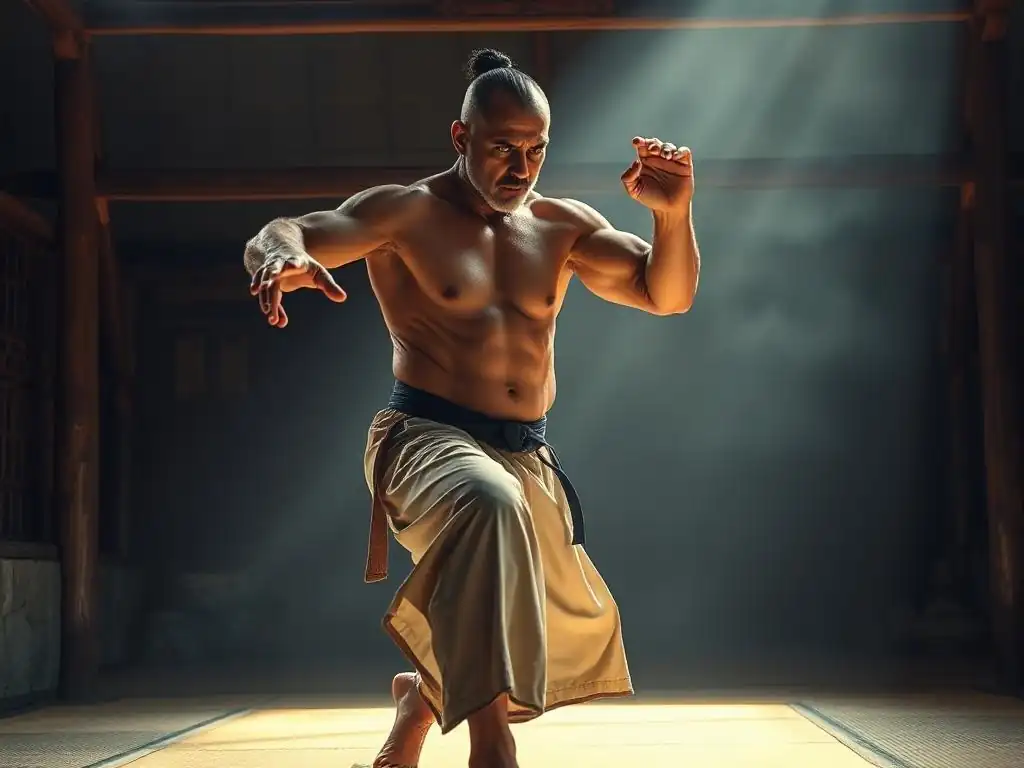
Welcome to Martial Arts Mastery, your gateway to the rich and complex world of combat traditions! Delve into the fascinating history, intricate techniques, and profound philosophies that shape these disciplines. This week, we unravel the meticulous dedication required for GojuRyu kata preservation techniques, exploring the vital efforts to maintain the integrity and power of these ancient forms. But how exactly are these kata safeguarded for future generations? Join us as we uncover the secrets behind this crucial aspect of GojuRyu's legacy.
- Introduction to GojuRyu Kata and its Significance
- The Challenges of GojuRyu Kata Preservation
- GojuRyu Kata Preservation Techniques: A Detailed Examination
- Comparing GojuRyu Kata Preservation with Other Styles
- The Future of GojuRyu Kata Preservation: Ensuring Longevity
- The Importance of Community in GojuRyu Kata Preservation
- GojuRyu Kata Preservation Techniques: Practical Application and Drills
- Conclusion: The Enduring Legacy of GojuRyu Kata
-
Frequently Asked Questions
- What exactly are kata in the context of GojuRyu?
- Why is kata preservation so important in GojuRyu?
- What are some of the challenges involved in GojuRyu kata preservation?
- What specific techniques are used to preserve GojuRyu kata?
- How can individual practitioners contribute to GojuRyu kata preservation?
- Final Reflection: The Enduring Spirit of GojuRyu
- Unleash Your Inner Goju-Ryu Mastery!
Introduction to GojuRyu Kata and its Significance
The Role of Kata in GojuRyu Karate Training
In GojuRyu karate, kata serves as the cornerstone of training, embodying centuries of accumulated knowledge and combat principles. These pre-arranged sequences of movements are far more than mere physical exercises; they are living documents detailing techniques, strategies, and philosophical concepts. Practitioners dedicate significant portions of their training time, often 30-50% in traditional dojo settings, to the rigorous practice and analysis of kata, understanding that proficiency here unlocks deeper levels of skill and comprehension across all aspects of the art.
Each kata in the GojuRyu syllabus, from foundational forms like Gekisai Dai Ichi and Ni to advanced ones such as Suparinpei and Seipai, contains a complex interplay of hard (go) and soft (ju) techniques, characteristic breathing methods (like ibuki), and dynamic tension. Through repetitive practice, the body learns muscle memory, proper structure, and efficient movement patterns. The kata acts as a solo drill that internalizes the art's mechanics, preparing the practitioner for partner work (kumite) and practical application (bunkai), making diligent GojuRyu kata preservation techniques fundamental to the art's survival.
Understanding the Historical Context of GojuRyu Kata
The lineage of GojuRyu kata traces back to the late 19th and early 20th centuries in Okinawa, heavily influenced by Chinese martial arts, particularly Fujian White Crane and Monk Fist systems. Higaonna Kanryo, the founder's teacher, spent years studying in Fuzhou, China, learning forms like Sanchin and Sesan from masters like Ryuko Jo. These forms became foundational to what would later become GojuRyu.
Miyagi Chojun, Higaonna's successor and the official founder of GojuRyu, systematized these forms and introduced new ones like Tensho and the Gekisai kata, designed for wider dissemination. The historical context reveals that these kata were not static inventions but evolved through transmission and refinement across generations. Understanding this history is crucial for GojuRyu kata preservation techniques, as it highlights the importance of maintaining the original intent and technical nuances passed down from figures like Miyagi Sensei, ensuring the integrity of the art's heritage.
The Challenges of GojuRyu Kata Preservation
Common Pitfalls in Modern GojuRyu Kata Practice
One significant challenge in maintaining the authenticity of GojuRyu kata is the shift in focus often seen in modern practice, moving away from practical application and internal principles towards external performance. In some competitive environments, kata is judged primarily on speed, power, and aesthetic flair, which can lead to exaggerations or omissions of subtle, yet critical, movements and transitions. For instance, the intricate breathing and tension changes in Sanchin or Tensho might be downplayed in favor of visual dynamism, losing their essential conditioning and energetic components.
Another common pitfall is the dilution of technique due to insufficient foundational training. Without a deep understanding and mastery of basic stances ( dachi), blocks ( uke), strikes ( tsuki), and movement principles ( taisabaki), practitioners may execute kata movements superficially. This can result in incorrect body alignment, poor power generation, and a failure to grasp the underlying purpose of each sequence. Addressing these issues requires a renewed emphasis on rigorous kihon training and a commitment to the detailed study of GojuRyu kata preservation techniques.
The Impact of Interpretation on Kata Execution
Interpretation, while necessary for understanding, can also pose a challenge to consistent GojuRyu kata preservation. As kata is transmitted across different instructors, dojo, and countries, minor variations in execution, timing, and emphasis can emerge. While some variation is natural and perhaps even reflects the adaptation of the art, significant divergence can lead to the fragmentation of the style. For example, the precise angle of a block, the timing of a breath, or the exact trajectory of a strike might differ between lineages, sometimes subtly altering the implied bunkai (application).
These differences in interpretation are often rooted in a senior instructor's personal understanding, physical capabilities, or even slight deviations inherited from their own teachers. Without clear, universally accepted standards or rigorous cross-referencing with historical sources and senior masters, these variations can become entrenched. Establishing robust GojuRyu kata preservation techniques requires dialogue, collaboration, and a shared commitment among practitioners and organizations to identify and uphold the core principles and movements passed down from the founders.
GojuRyu Kata Preservation Techniques: A Detailed Examination
Documenting GojuRyu Kata: The Importance of Precise Records
Accurate documentation is a cornerstone of effective GojuRyu kata preservation techniques. In an era where direct, lifelong apprenticeship with a single master is less common, reliable records provide an invaluable reference point. Such documentation serves as a safeguard against the gradual erosion of detail that can occur through purely oral or physical transmission over time and distance. It helps standardize the understanding and execution of kata movements, timing, breathing, and transitions across different practitioners and dojo.
Precise records also aid in clarifying historical context and technical intent. They can capture nuances that might be difficult to convey verbally or demonstrate fleetingly. For instance, documenting the specific angle of a hand position in Seiyunchin or the precise footwork in Shisochin ensures that these critical details are not lost. This meticulous approach to creating resources is a vital component of GojuRyu kata preservation techniques, providing a tangible link to the past masters' original teachings.
Utilizing Video and Photography for Accurate Kata Representation
Video recording offers a dynamic and comprehensive method for capturing the full flow and detail of GojuRyu kata. Unlike static images, video allows for the observation of movement transitions, timing, rhythm, and body mechanics in real-time. High-quality video, potentially filmed from multiple angles (front, side, rear), can provide a detailed visual guide to intricate sequences, footwork patterns, and the coordination of breath with movement. For example, capturing the precise timing of the tension and release in Sanchin or the whipping motion in Seipai requires the dynamic representation only video can provide.
Photography, while static, is excellent for capturing specific postures, hand positions, and stances with high precision. A series of photographs showing key moments or transitions within a kata can highlight critical details often missed in live demonstration or video. For instance, a photograph can clearly illustrate the correct shape of a Fudo Dachi or the exact position of the hands during a Uchiage block. Combining both video and photography provides a robust visual archive that significantly enhances GojuRyu kata preservation techniques by offering both dynamic flow and static detail.
Creating Detailed Kata Instruction Manuals and Guides
Written documentation in the form of detailed instruction manuals and guides complements visual aids by providing explanatory text, historical background, and technical analysis. A well-crafted manual can describe the intent behind specific movements, explain the principles of physics or body mechanics at play, and offer insights into the associated bunkai (applications). Such guides can break down complex kata sequences into smaller, understandable steps, often using diagrams or annotated images to illustrate points.
These manuals are essential for conveying the theoretical and philosophical underpinnings of the kata, which cannot be captured solely through visual means. They can detail the specific breathing patterns, the points of focus ( kime), and the subtle internal energy flow intended by the kata's creators. By providing a comprehensive written resource alongside visual documentation, practitioners gain a deeper, multi-faceted understanding, reinforcing effective GojuRyu kata preservation techniques.
The Role of Senior Instructors in GojuRyu Kata Transmission
Senior instructors are the living repositories of GojuRyu knowledge, embodying the art through years or even decades of dedicated practice and teaching. Their role in kata transmission goes beyond simply demonstrating movements; they impart the subtle timing, feeling, and intent that are difficult to capture in any form of documentation. Through direct interaction, correction, and personalized guidance, they mold students' understanding and execution of kata, ensuring that the spirit and efficacy of the techniques are maintained.
A senior instructor's deep understanding of the art allows them to identify and correct deviations from the authentic form, often sensing flaws in body mechanics or energetic flow that are not immediately apparent. Their experience provides the context necessary to understand the relationship between different kata and the overall curriculum. The living transmission from master to student is arguably the most vital element of GojuRyu kata preservation techniques, carrying forward the nuances and depth that define the style.
Mentorship and the Oral Tradition in GojuRyu
Mentorship in GojuRyu is a traditional process where a senior practitioner guides a student over an extended period, often years or even decades. This relationship allows for the gradual absorption of knowledge, not just through formal instruction but through observation, shared practice, and informal discussion. The oral tradition, where explanations, corrections, and philosophical insights are passed verbally from teacher to student, is deeply ingrained in this mentorship model.
Through this process, the student learns the "why" behind the movements, the historical anecdotes associated with specific techniques, and the ethical framework of the art. For instance, a sensei might share personal stories about their own training with a previous master, illustrating a point about perseverance or the importance of relaxed movement. This rich, personalized transmission ensures that the kata is understood not just as a sequence of moves but as a complete system, making mentorship a critical component of GojuRyu kata preservation techniques.
Maintaining Lineage and Authentic Kata Execution
Maintaining a clear lineage is paramount for ensuring the authenticity of GojuRyu kata execution. GojuRyu is characterized by several distinct lineages, each tracing its origins back to Miyagi Chojun, often through prominent early students like Higa Seiko, Toguchi Seikichi, Yagi Meitoku, or Uchiage. While variations exist even within lineages due to personal interpretation or adaptation, tracing one's training back through a recognized line provides a degree of assurance regarding the authenticity of the kata being practiced.
Authentic execution is not merely about performing the correct sequence of movements but doing so with the proper body mechanics, breathing, timing, and intent characteristic of the specific lineage. This requires diligent study under instructors who themselves have trained extensively within that lineage. Organizations and associations dedicated to particular lineages play a crucial role in standardizing and promoting authentic kata execution, serving as guardians of specific GojuRyu kata preservation techniques.
GojuRyu Kata Preservation Through Kihon and Bunkai
Kata cannot exist in a vacuum; its meaning and efficacy are intrinsically linked to fundamental techniques (kihon) and practical applications (bunkai). Preserving kata requires a deep understanding and continuous practice of these related elements. Kihon practice, focusing on stances, blocks, strikes, and footwork in isolation, builds the physical foundation and technical precision necessary to perform kata correctly. Without solid basics, kata becomes a hollow performance.
By linking kata movements back to their underlying kihon, practitioners reinforce proper form and power generation. For example, practicing the basic mawashi uke (roundhouse block) improves its execution within kata like Seiyunchin or Sepai. This integrated approach ensures that the physical building blocks of the art are strong, which is fundamental to effective GojuRyu kata preservation techniques.
Connecting Fundamental Movements (Kihon) to Kata Application
Every movement within a GojuRyu kata is derived from or related to a fundamental technique practiced in kihon. The stances, blocks, strikes, and body movements are the vocabulary of the art, and kata is the sentence or paragraph. Understanding this connection is vital for both performing kata correctly and comprehending its purpose. For instance, the various stances in Sanchin kata, like Sanchin Dachi, are practiced rigorously in kihon to build stability, rootedness, and internal strength, directly translating to the power and integrity of the kata.
Similarly, the specific hand shapes and movements used for blocking or striking in kata are refined through countless repetitions in kihon drills. A well-executed gedan barai (downward block) in kihon ensures that the same movement within a kata like Gekisai Dai Ichi is strong and effective. This constant cross-referencing between kihon and kata reinforces the technical standards and ensures that the kata remains grounded in functional movement, serving as a key element of GojuRyu kata preservation techniques.
Bunkai: Unlocking the Practical Applications of GojuRyu Kata
Bunkai, the analysis and practice of kata movements for self-defense applications, is indispensable for preserving the meaning and fighting spirit of GojuRyu kata. Without understanding the practical purpose of a movement, it risks becoming a stylized, empty gesture. Bunkai study reveals that kata is not just a dance, but a codified library of combat techniques against potential attacks like grabs, strikes, or joint locks.
Studying bunkai breathes life into the kata, transforming abstract movements into tangible defensive and offensive actions. For example, the sequence of movements in Seipai kata often reveals applications involving throws, joint locks, and close-quarters striking. Engaging in partner drills to practice these applications ensures that the functional knowledge embedded within the kata is retained, making bunkai study one of the most crucial GojuRyu kata preservation techniques. It ensures the kata remains a martial art form, not just a physical routine.
Comparing GojuRyu Kata Preservation with Other Styles
Examining Kata Preservation in Other Karate Styles
While kata is central to most traditional karate styles, the methods and challenges of preservation can vary. In Shotokan, for instance, large international organizations have historically played a significant role in standardizing kata execution globally, often through detailed manuals and stringent examination standards. However, this widespread dissemination has also led to stylistic variations between different associations and chief instructors over time. The emphasis might sometimes lean towards long-range movements characteristic of the style.
Wado-ryu, founded by Ohtsuka Hidenori, also relies heavily on kata, but its forms often show a stronger influence from Japanese jujutsu and kenjutsu, leading to more fluid, evasive movements compared to GojuRyu's rootedness. Preservation efforts in Wado-ryu often focus on maintaining the founder's specific interpretations and principles of taisabaki (body management). Comparing these approaches highlights that while the goal of kata preservation is shared across styles, the specific GojuRyu kata preservation techniques are shaped by the unique characteristics and history of the art itself.
Lessons Learned and Best Practices for GojuRyu
Examining how other styles approach kata preservation offers valuable insights for GojuRyu. The success of large organizations in standardizing forms, seen in styles like Shotokan, suggests the benefit of collaborative efforts and shared resources among GojuRyu practitioners globally. Establishing common frameworks for documentation and technical criteria, while respecting lineage differences, could help mitigate fragmentation.
Conversely, the emphasis on maintaining the founder's specific intent, as seen in Wado-ryu, reinforces the importance of deep historical study and dedicated mentorship in GojuRyu. Best practices would include fostering stronger connections between senior masters and aspiring instructors, encouraging detailed historical research, and promoting cross-lineage dialogue centered on the shared heritage and core GojuRyu kata preservation techniques. A blend of structured documentation and robust oral tradition appears most effective.
The Future of GojuRyu Kata Preservation: Ensuring Longevity
Utilizing Technology to Enhance Kata Preservation Efforts
Technology offers powerful new tools to enhance GojuRyu kata preservation techniques. Beyond simple video recording, advanced technologies like 3D motion capture can record the precise spatial positioning and movement dynamics of expert practitioners, creating highly accurate digital models of kata execution. This data can be stored, analyzed, and used for detailed comparison and instruction, offering a level of precision previously unattainable.
Online platforms and digital databases can facilitate the sharing of documentation, historical materials, and instructional videos among practitioners worldwide, breaking down geographical barriers. Mobile applications could provide interactive guides, allowing students to study kata details anywhere. While technology should never replace direct instruction from a qualified teacher, these tools can serve as invaluable aids in documenting, disseminating, and studying GojuRyu kata, greatly bolstering preservation efforts for the future.
Fostering a Deeper Understanding of GojuRyu Kata Principles
True GojuRyu kata preservation goes beyond merely replicating movements; it requires fostering a deep understanding of the underlying principles that govern the art. This includes grasping concepts like the Go (hard) and Ju (soft) dichotomy, the importance of sanchin breathing and internal tension, the principles of body mechanics for generating power and stability, and the strategic thinking embedded within the sequences.
Educational initiatives, such as workshops, seminars, and written materials, that delve into the theoretical and scientific aspects of GojuRyu kata are crucial. Encouraging practitioners to move beyond rote memorization to analytical study helps ensure that the kata is performed not just correctly, but intelligently. This deeper comprehension ensures that the art remains vibrant and adaptable while staying true to its core principles, forming a vital layer of GojuRyu kata preservation techniques.
The Importance of Community in GojuRyu Kata Preservation
Building a Network of Dedicated GojuRyu Practitioners
The preservation of GojuRyu kata is not solely the responsibility of individual instructors or students; it is a collective endeavor that thrives within a strong community. Building a network of dedicated practitioners, dojo, and organizations creates a support system for sharing knowledge, resources, and best practices. Regular gatherings, such as Gasshuku (training camps) or seminars, provide opportunities for practitioners from different lineages and regions to train together, compare notes, and learn from senior masters.
Online forums, social media groups, and dedicated websites can also facilitate connection and discussion among the global GojuRyu community. These platforms allow for the exchange of ideas, the sharing of historical documents, and mutual encouragement in the pursuit of authentic training. A connected community is more resilient to challenges and better equipped to uphold the standards of GojuRyu kata preservation techniques.
Within the GojuRyu community, a culture of open knowledge sharing, while respecting lineage traditions, is essential for preservation. Senior practitioners should be encouraged to document and share their understanding, perhaps through teaching manuals, videos, or public seminars. Younger practitioners should be active in seeking out knowledge from various reputable sources within the lineage framework.
Promoting authentic GojuRyu kata involves not only teaching it correctly but also educating the wider martial arts community and the public about its history, significance, and technical depth. This can involve demonstrations, articles, and participation in martial arts events. By actively sharing knowledge and promoting the value of authentic practice, the community ensures that GojuRyu kata remains relevant and respected, reinforcing the critical GojuRyu kata preservation techniques for future generations.
GojuRyu Kata Preservation Techniques: Practical Application and Drills
Drills to Improve Precision in GojuRyu Kata
Improving precision in GojuRyu kata requires focused, specific training drills. One effective method is slow-motion practice, performing the kata or sections of it at a significantly reduced speed. This allows the practitioner to feel the weight distribution, muscle engagement, and alignment at each point, identifying and correcting subtle errors. For example, practicing the transitions in Seiyunchin slowly highlights where balance is lost or structure weakens.
Another drill involves isolating specific movements or sequences that are particularly challenging. Repeating just a few steps from a kata, focusing intently on perfect execution before moving on, builds mastery of difficult sections. For instance, repeatedly practicing the intricate hand movements and footwork from the opening of Shisochin ensures precision in this complex sequence. Incorporating these targeted drills is a practical application of GojuRyu kata preservation techniques aimed at refining individual performance.
Common Mistakes to Avoid When Learning GojuRyu Kata
Learning GojuRyu kata effectively involves being aware of and actively avoiding common pitfalls. A frequent mistake is rushing through movements, sacrificing form and power for speed. GojuRyu kata emphasizes rootedness and deliberate movement; speed is developed after precision and power are established. Another error is neglecting the transitions between techniques, which are often as important as the techniques themselves for maintaining flow and balance.
Poor posture and lack of proper body tension (or over-tension) are also common issues. GojuRyu requires specific body alignment and controlled muscular engagement, particularly evident in kata like Sanchin and Tensho. Students must learn to differentiate between relaxed movement and focused tension ( kime) at the appropriate moments. Avoiding these mistakes through mindful practice and diligent correction is key to successful GojuRyu kata preservation techniques at the individual level.
Conclusion: The Enduring Legacy of GojuRyu Kata
Maintaining the Integrity of GojuRyu Karate for Future Generations
The meticulous work of preserving GojuRyu kata is not merely an academic exercise; it is essential for maintaining the integrity and vitality of GojuRyu karate itself. Kata embodies the technical, physical, and philosophical essence of the art as developed and transmitted by its founders and subsequent masters. By diligently employing robust GojuRyu kata preservation techniques – through precise documentation, dedicated mentorship, integrated kihon and bunkai study, community collaboration, and the intelligent use of technology – practitioners ensure that the art remains true to its origins.
The legacy of GojuRyu is carried forward in every correctly executed stance, every precisely timed block, and every powerfully delivered strike within its kata. The commitment to authentic practice ensures that future generations of practitioners will have access to the profound depth and practical effectiveness inherent in GojuRyu. This ongoing effort guarantees that the wisdom contained within these ancient forms continues to guide, challenge, and empower martial artists for centuries to come, securing the future of GojuRyu kata.
Frequently Asked Questions
What exactly are kata in the context of GojuRyu?
Kata are prearranged forms or sequences of movements that embody the core principles and techniques of GojuRyu karate. They serve as living textbooks and are vital for skill development and preservation of the art.
Why is kata preservation so important in GojuRyu?
Preserving kata ensures the transmission of GojuRyu's unique fighting methods, philosophical principles, and historical lineage to future generations. Loss of kata would mean losing a significant part of the art's essence and effectiveness.
What are some of the challenges involved in GojuRyu kata preservation?
Challenges include maintaining consistent interpretation across different lineages, ensuring accurate instruction by qualified instructors, and preventing the drift of techniques over time due to individual interpretations.
What specific techniques are used to preserve GojuRyu kata?
Techniques include rigorous standardized training curricula, detailed documentation of kata movements (including video and written records), and regular seminars led by senior instructors to reinforce proper form and application.
How can individual practitioners contribute to GojuRyu kata preservation?
Practitioners can contribute by diligently studying and practicing kata under qualified instructors, actively participating in seminars, and striving to understand the meaning and application behind each movement, rather than simply memorizing the sequence.
Final Reflection: The Enduring Spirit of GojuRyu
The meticulous techniques of GojuRyu kata preservation are not merely about maintaining physical forms; they are about safeguarding a living legacy, a profound connection to the past that resonates powerfully in the present. In a world increasingly focused on instant gratification and fleeting trends, the dedication required to preserve these kata stands as a testament to the enduring power of tradition and the importance of honoring our roots.
The ongoing influence of GojuRyu kata extends far beyond the dojo, shaping character, discipline, and a deep respect for heritage. Witnessing the dedication of practitioners committed to these preservation techniques is a constant reminder of the power of mindful practice and the beauty of inherited wisdom. The ultimate aim of Karate lies not in victory nor defeat, but in the perfection of the character of its participants.
- Gichin Funakoshi. This quote encapsulates the essence of kata, highlighting its role in personal development and the cultivation of inner strength.
As we conclude this exploration of GojuRyu kata preservation techniques, let us all consider the traditions we hold dear and the legacies we wish to leave behind. What aspects of our own lives deserve meticulous care and preservation? What values do we want to pass on to future generations? Embrace the spirit of GojuRyu, and strive to preserve the forms that matter most, not just in martial arts, but in every facet of your life.
Unleash Your Inner Goju-Ryu Mastery!
Thank you for diving deep into the art of Kata preservation. We hope you’ve gained a newfound appreciation for the dedication behind maintaining Goju-Ryu's traditions. Now, it’s time to put that knowledge into action!
- Commit to perfecting just one Kata this month, focusing on the precise details discussed.
- Share your insights on Kata with fellow practitioners in your dojo or online forum to deepen your understanding.
- Consider attending a Kata workshop led by a senior Goju-Ryu instructor to experience the tradition firsthand.
What small, yet significant, adjustment will you make to your Kata practice this week to honor the meticulous work of Goju-Ryu masters?