
The Bad Guys of Martial Arts Cinema: Iconic Villains and Their Cultural Impact

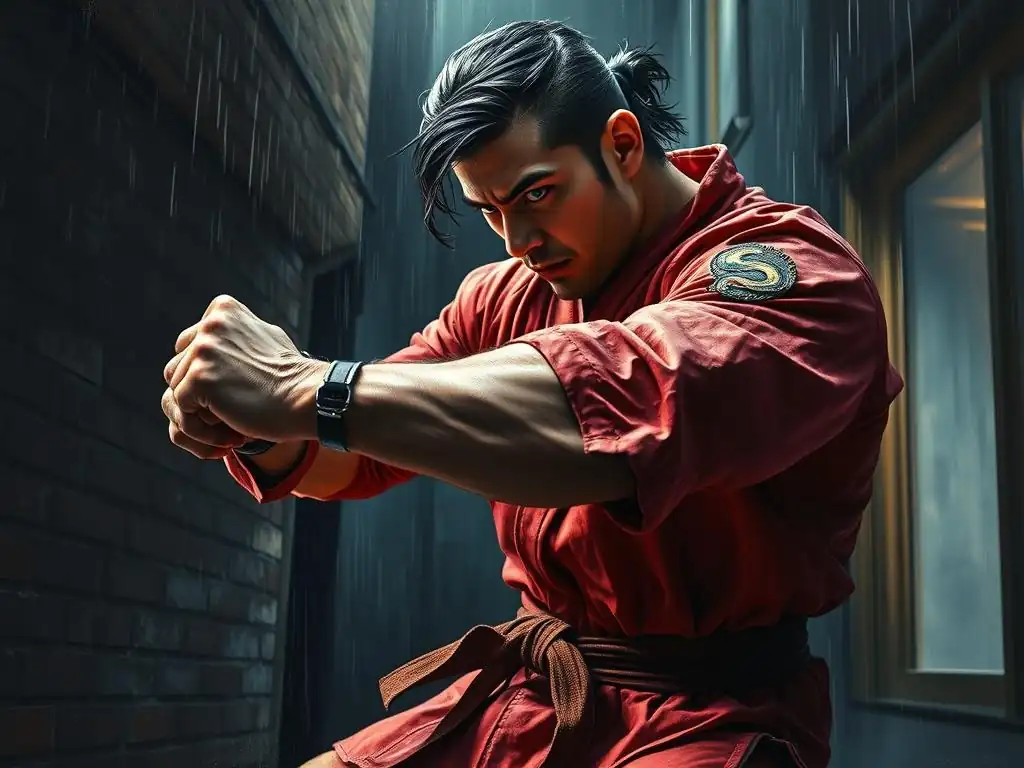
Welcome to Martial Arts Mastery, your gateway to the world of combat traditions! Ever wondered why martial arts villains in movies often fall into predictable patterns? Dive into our latest article, "The Bad Guys of Martial Arts Cinema: Iconic Villains and Their Cultural Impact," where we explore the villainous martial arts movie tropes that have shaped our perception and understanding of these captivating characters. Uncover the historical influences and cultural nuances behind these iconic antagonists and prepare to see your favorite films in a whole new light. What makes a truly memorable martial arts villain? Let's find out!
- Introduction: Exploring Villainous Martial Arts Movie Tropes
-
Archetypes of Martial Arts Cinema Villains: A Taxonomy of Evil
- The Ruthless Master: Pai Mei and the Quest for Power
- The Vengeful Disciple: From Betrayal to Bloodshed
- The Corrupted Official: Exploiting Power for Personal Gain
- The Unstoppable Brute: Raw Strength and Unmatched Ferocity
- The Cunning Strategist: Outsmarting the Hero at Every Turn
- The Foreign Invader: General Miyamoto Representing External Threats
- Iconic Martial Arts Villains: Profiles in Evil
-
Villainous Martial Arts Movie Tropes: Recurring Themes and Motifs
- The Tournament of Death: Where Villains Reign Supreme
- The Family Honor Plot: Villains Exploiting Blood Ties
- The Forbidden Technique: Villains Dabbling in Dark Arts
- The Drug Lord Connection: Martial Arts as a Tool for Criminal Enterprise
- The Mastermind Behind the Scenes: Pulling Strings from the Shadows
- The Cultural Impact of Martial Arts Villains: Beyond the Screen
- Evolution of Martial Arts Villains: From Classic to Contemporary
- Conclusion: The Enduring Legacy of Martial Arts Movie Bad Guys
-
Frequently Asked Questions
- What are some common villainous martial arts movie tropes that consistently appear in cinema?
- How do martial arts movie villains often portray the philosophical underpinnings of martial arts in a negative light?
- Beyond just being physically strong, what other characteristics define a memorable martial arts movie villain?
- How have iconic martial arts movie villains contributed to the overall cultural perception and understanding of martial arts?
- What is the impact of the historical context in shaping the portrayal of villains in martial arts films, particularly those drawing from specific martial arts traditions?
- Final Reflection: The Enduring Legacy of On-Screen Villainy
- Unleash Your Inner Warrior: Embrace the Villain's Edge!
Introduction: Exploring Villainous Martial Arts Movie Tropes
Setting the Stage: The Importance of Villains in Martial Arts Films
Martial arts cinema, at its heart, is about conflict. While the hero's journey, their training, and their mastery of technique form the core narrative, it is the antagonist who provides the essential friction, the insurmountable obstacle that tests the hero's skill, resolve, and moral code. Without compelling villains, the hero's struggle lacks meaning, and their eventual triumph rings hollow. The quality of the "bad guy" often elevates a martial arts film from a simple display of fighting techniques to a dramatic and impactful story.
These antagonists are more than just punching bags; they embody opposing philosophies, represent societal evils, or challenge the very principles the hero stands for. They are crucial drivers of the plot, initiating conflicts and forcing the hero to evolve. The exploration of villainous martial arts movie tropes reveals much about the genre's storytelling conventions and its ability to reflect broader cultural narratives.
Defining "Bad Guys": What Makes a Martial Arts Villain Iconic?
An iconic martial arts villain is more than just skilled in combat; they possess a memorable presence, a clear motivation, and often a fighting style that contrasts effectively with the hero's. Think of the cold, calculated precision of Han in Enter the Dragon versus the more fluid, expressive style of Bruce Lee. Their villainy isn't just about physical prowess, but often about a fundamental lack of honor, a willingness to use forbidden techniques, or the exploitation of others for power or gain.
What elevates these characters to iconic status is their lasting impact on audiences and the genre itself. They become benchmarks for future antagonists, their mannerisms, fighting styles, or particular villainous martial arts movie tropes becoming instantly recognizable. Whether through chilling calm, savage brutality, or insidious cunning, they leave an indelible mark that helps define the legacy of the films they inhabit.
The Cultural Significance of Martial Arts Movie Villains
Villains in martial arts cinema often serve as powerful cultural signifiers. In early films, particularly those from Hong Kong, antagonists frequently represented corrupt authority figures, foreign invaders, or wealthy exploiters, reflecting societal anxieties about power structures and external threats. These villainous martial arts movie tropes provided a cathartic outlet for audiences, allowing them to see justice delivered against perceived oppressors through the hero's skill and virtue.
Over time, the nature of these villains evolved, but their role as reflections of cultural themes persisted. They might embody the dangers of unchecked ambition, the perversion of martial arts principles, or the challenges posed by a rapidly changing world. Understanding these antagonists helps us understand the cultural context in which these films were created and the messages they conveyed about heroism, justice, and the proper application of martial power.
Archetypes of Martial Arts Cinema Villains: A Taxonomy of Evil
The Ruthless Master: Pai Mei and the Quest for Power
The Ruthless Master is a classic archetype, often representing the dark side of martial arts training and the perversion of skill for selfish ends. A prime example is Pai Mei, famously depicted in films like Executioners from Shaolin and later referenced and portrayed in Kill Bill Vol. 2. This character archetype typically possesses incredible, almost supernatural, martial arts skill, often having mastered obscure or deadly techniques. However, their knowledge is coupled with cruelty, arrogance, and a complete disregard for life or traditional martial arts ethics.
These masters are often motivated by a desire for absolute power, vengeance, or simply the sadistic pleasure of dominating others. They might run corrupt schools, serve tyrannical regimes, or operate outside the law, using their formidable abilities to enforce their will. Their villainy highlights the potential danger when immense power is wielded without a moral compass, serving as a stark contrast to the hero's often humble and principled approach to martial arts.
The Vengeful Disciple: From Betrayal to Bloodshed
Another prevalent villainous martial arts movie trope is the Vengeful Disciple. This character is often a former peer or fellow student of the hero, driven to villainy by perceived injustice, jealousy, or betrayal. Their intimate knowledge of the hero's style and background makes them a particularly personal and dangerous foe. Their motivation is typically singular and intense: to punish the hero or their shared master for past wrongs, real or imagined.
These villains showcase the destructive nature of bitterness and resentment. Their fighting style is often a twisted reflection of the hero's or the school's style, demonstrating how skill can be corrupted when fueled by hatred. Examples abound, from rivals who feel overlooked to former friends turned enemies, their descent into villainy often marked by a tragic backstory that makes them complex, if not sympathetic, antagonists.
The Corrupted Official: Exploiting Power for Personal Gain
The Corrupted Official is a recurring antagonist, particularly in films set in historical China. These villains represent the abuse of institutional power, using their rank and authority to oppress the innocent, extort money, or serve their own nefarious purposes. While not always martial arts experts themselves, they often employ skilled fighters, including other villainous martial arts movie tropes like the Ruthless Master or Unstoppable Brute, to enforce their corrupt rule.
Their villainy exposes systemic injustice and the struggle of ordinary people against powerful, immoral figures. The hero, often a common person or a principled outsider, must not only overcome the official's hired muscle but also navigate the complexities of challenging a figure of authority. These antagonists highlight the theme that true justice requires not just physical strength but also moral courage to stand up against institutionalized evil.
The Unstoppable Brute: Raw Strength and Unmatched Ferocity
Sometimes, the most effective villain is simply an overwhelming physical force. The Unstoppable Brute archetype relies on sheer size, strength, and brutal fighting techniques rather than intricate skill or cunning strategy. Characters like Bolo Yeung's O'Hara in Enter the Dragon or Chong Li in Bloodsport embody this trope, presenting a seemingly insurmountable physical challenge that the hero must overcome through speed, technique, and resilience rather than matching brute force.
These villains are often depicted as physically imposing, with fighting styles focused on powerful strikes, bone-breaking holds, and relentless aggression. Their lack of complex motivation or backstory is often secondary to their function as a physical wall for the hero to break through. They represent the raw, untamed power that martial arts mastery must ultimately transcend or skillfully evade.
The Cunning Strategist: Outsmarting the Hero at Every Turn
Not all martial arts villains rely solely on physical combat. The Cunning Strategist is an antagonist who uses manipulation, traps, and elaborate schemes to defeat the hero. They might be physically capable, but their primary weapon is their intellect and ability to anticipate the hero's moves, both inside and outside of combat. This villainous martial arts movie trope adds layers of intrigue and suspense to the narrative.
These characters orchestrate events from the shadows, pitting opponents against each other, setting elaborate traps, or using psychological warfare. The hero must rely not only on their physical skills but also on their wits and intuition to uncover the villain's plan and turn the tables. This archetype emphasizes that mastery in martial arts cinema is not just about fighting but also about understanding strategy, deception, and the human mind.
The Foreign Invader: General Miyamoto Representing External Threats
The Foreign Invader trope, often seen in historical or period martial arts films, features antagonists from outside the hero's culture or nation, representing external threats or historical conflicts. A classic example might be a character like General Miyamoto, representing Japanese forces in films set during periods of conflict with Japan, though the specific name varies across films. These villains often embody stereotypes of the opposing culture and use fighting styles distinct from the hero's, creating a clash of techniques and ideologies.
Their presence taps into nationalistic sentiments and historical grievances, portraying the hero's fight as a defense of their homeland and cultural identity. The conflict becomes symbolic of a larger struggle between nations or cultures. While potentially simplistic or even problematic in their portrayal, these villainous martial arts movie tropes were powerful narrative devices used to rally audience support for the hero and highlight themes of resistance and cultural preservation.
Iconic Martial Arts Villains: Profiles in Evil
Han: A Deep Dive into Their Motivations and Fighting Style
Han, the primary antagonist of Enter the Dragon (1973), is arguably one of the most iconic martial arts villains in cinema history. Portrayed with chilling calm by Shih Kien, Han is a former Shaolin monk who has twisted his martial arts knowledge and principles into a criminal empire.
His motivation is rooted in a desire for power and control, operating a massive drug and prostitution ring from his fortress island, using a martial arts tournament as a front. His betrayal of his Shaolin vows and his use of martial arts for illicit gain make him a profound ethical foil to Bruce Lee's character.
Han's fighting style is distinct and memorable, particularly his reliance on a prosthetic hand that can be replaced with various deadly weapons, including claws, a spiked mace, and a blade. This unique physical characteristic symbolizes his deviation from natural, honorable combat. While he demonstrates formidable skill even without the weapon hands, it is his cold precision, strategic mind (as the Cunning Strategist archetype), and willingness to use any means necessary, including lethal force and betrayal, that define his villainy and solidify his place as a quintessential martial arts film villain.
Lo Wei: Examining Their Impact on the Genre
While Lo Wei is primarily known as a director who helped launch the careers of both Bruce Lee and Jackie Chan, it's important to clarify that Lo Wei himself was not typically an actor portraying villainous characters in the same vein as Shih Kien or Bolo Yeung. However, the films he directed significantly shaped the portrayal of villainous martial arts movie tropes and antagonists in the 1970s. Films like Fist of Fury (1972) featured clear-cut villains representing corrupt authority figures and foreign oppressors, setting a standard for narrative conflict.
Lo Wei's directorial approach often emphasized straightforward revenge plots and patriotic themes, requiring antagonists who were unambiguously evil and deserving of the hero's wrath. His films contributed significantly to popularizing the "Foreign Invader" and "Corrupted Official" villain archetypes, presenting antagonists who were direct obstacles to national pride and individual justice. While not a villainous character, Lo Wei's influence as a filmmaker was instrumental in defining the types of villains and conflicts central to early martial arts cinema.
Bob Wall's O'Hara: The Legacy of Their Villainy
Bob Wall, a real-life martial artist, portrayed several memorable antagonists, but his role as O'Hara in Enter the Dragon (1973) stands out. O'Hara is a prime example of the Unstoppable Brute archetype, serving as one of Han's chief enforcers. His character is defined by sheer physical power, aggressive demeanor, and a visibly scarred face, adding to his menacing appearance. O'Hara's motivation is simple: loyalty to Han and a brutal enjoyment of violence, particularly demonstrated in the tournament sequences.
O'Hara's legacy lies in his effectiveness as a physical obstacle and his memorable, albeit brief, on-screen presence. His fight against Bruce Lee is a classic confrontation of speed and technique versus brute force and aggression. The character's raw intensity and tragic backstory (implied by the scar and his service to Han) made him a compelling, if secondary, villain. Bob Wall's portrayal set a standard for the physically imposing henchman trope in martial arts films.
Bolo Yeung: Unique Physique and its Significance
Bolo Yeung is another real-life martial artist whose unique physique made him an instantly recognizable and iconic martial arts villain. Known for his massive, muscular build, Bolo often portrayed powerful, silent, or minimally speaking antagonists who relied on overwhelming physical strength and brutal fighting styles. His roles as Bolo in Enter the Dragon (1973) and Chong Li in Bloodsport (1988) are perhaps his most famous examples of the Unstoppable Brute archetype.
Bolo's physique was a critical part of his villainy; it visually represented an almost insurmountable physical challenge for the hero. His fighting style emphasized raw power, ironclad defense, and devastating strikes, often contrasting with the hero's speed and agility. This visual and stylistic contrast became a popular villainous martial arts movie trope, highlighting the idea that true martial arts mastery can overcome even the most formidable physical opponent, emphasizing technique and spirit over brute strength alone.
Villainous Martial Arts Movie Tropes: Recurring Themes and Motifs
The Tournament of Death: Where Villains Reign Supreme
The Tournament of Death is a classic and highly effective villainous martial arts movie trope. This plot device brings together fighters from various backgrounds, often under the guise of a legitimate competition, but secretly orchestrated by a villain for nefarious purposes. The tournament setting provides a structured environment for showcasing diverse fighting styles and allows the villain to observe, control, and eliminate threats. The most famous example is Enter the Dragon, where Han uses the tournament to find infiltrators and recruit new muscle for his criminal enterprise.
Within these tournaments, villains often set the rules (or lack thereof), creating a deadly environment where honor is discarded in favor of survival and the villain's agenda. They might rig matches, employ assassins, or participate themselves, using the platform to demonstrate their power and ruthlessness. This trope effectively isolates the hero from external help, forcing them to confront multiple antagonists and ultimately the mastermind on their own terms within a confined, deadly arena.
The Family Honor Plot: Villains Exploiting Blood Ties
Another common villainous martial arts movie trope involves villains manipulating or exploiting family honor. This can manifest in several ways:
- Villains might threaten the hero's family to force compliance.
- The villain might be a disgraced family member seeking revenge.
- The conflict could arise from a historical feud between families or clans.
This trope adds a strong emotional dimension to the conflict, raising the stakes beyond personal safety to the protection of loved ones and the preservation of a family's legacy. For example, a villain might kidnap a hero's sibling or elder, forcing the hero into a dangerous situation or compromising their principles to save them. This exploitation of blood ties makes the villain's actions particularly heinous and the hero's struggle deeply personal.
The Forbidden Technique: Villains Dabbling in Dark Arts
The Forbidden Technique trope involves villains utilizing dangerous, unethical, or supernatural fighting methods that are typically shunned by honorable martial artists. These techniques might involve:
- Poisonous strikes (e.g., the "Poison Hand").
- Crippling or instantly lethal blows (e.g., the "Iron Palm" used for evil).
- Exploiting pressure points in a deadly manner.
- Using unfair weapons or hidden devices.
This villainous martial arts movie trope highlights the moral divide between the hero and the villain. While the hero relies on skill, discipline, and ethical application of their art, the villain resorts to 'dark arts' to gain an unfair advantage. The use of forbidden techniques underscores the villain's lack of honor and their willingness to cross ethical boundaries for victory, making their defeat a victory for both skill and morality.
The Drug Lord Connection: Martial Arts as a Tool for Criminal Enterprise
A recurring theme, particularly in action films influenced by the martial arts genre, is the connection between villains and drug trafficking. This villainous martial arts movie trope portrays antagonists who use their fighting skills or employ martial artists to protect their illegal drug operations. The hero often gets involved when the drug trade impacts their community or loved ones, leading to confrontations with the dealers and their martial arts enforcers.
This trope grounds the martial arts conflict in a contemporary criminal reality, moving away from historical or purely philosophical battles. It presents villains who are not just skilled fighters but also powerful criminal figures, adding elements of crime thrillers to the martial arts action. The villain's use of martial arts becomes a tool for exploitation and violence, directly opposing the idea of martial arts as a discipline for self-improvement and protection.
The Mastermind Behind the Scenes: Pulling Strings from the Shadows
The Mastermind Behind the Scenes is a villainous martial arts movie trope where the primary antagonist is not necessarily the fighter the hero faces directly most often, but rather the orchestrator of events. This villain operates from the shadows, manipulating others, setting traps, and using subordinates (often other villain archetypes like Brutes or Vengeful Disciples) to do their dirty work. Characters like Han, who rely on a combination of personal skill and vast resources/henchmen, fit this mold.
This trope adds complexity to the narrative, turning the hero's journey into a detective story as much as a martial arts quest. The hero must uncover the identity of the mastermind and dismantle their network before confronting the true source of the villainy. This emphasizes the villain's cunning and power, showing that their influence extends far beyond their physical capabilities and requires the hero to be strategically intelligent as well as physically capable.
The Cultural Impact of Martial Arts Villains: Beyond the Screen
Reflecting Societal Fears: Villains as Symbols of Cultural Anxieties
Martial arts movie villains often serve as proxies for real-world societal fears and anxieties. In periods of political instability or foreign tension, villains might represent external invaders or corrupt internal forces, reflecting anxieties about national sovereignty or oppressive regimes. During times of rapid social change, villains might embody the dangers of tradition lost or, conversely, the threats posed by modernity and greed.
For instance, early villains representing corrupt officials resonated in societies with histories of bureaucratic abuse. Antagonists representing foreign powers tapped into nationalist sentiments and historical conflicts. These villainous martial arts movie tropes provided a symbolic arena where audiences could see these fears confronted and overcome through the hero's skill and moral uprightness, offering a form of cultural catharsis.
Inspiring Real-World Martial Artists: The Dragon Lord's Arrogance
While heroes are the primary source of inspiration, the negative examples set by villains can also influence real-world martial artists. Observing the downfall of characters defined by traits like arrogance, cruelty, or a misuse of power (like the hypothetical "Dragon Lord" figure whose pride leads to their defeat) reinforces the importance of humility, discipline, and ethical conduct in martial arts practice.
Villainous martial arts movie tropes demonstrate the consequences of deviating from the core principles of respect, self-control, and integrity. Practitioners can learn valuable lessons by observing how a villain's arrogance blinds them, how their cruelty isolates them, or how their reliance on forbidden techniques ultimately leads to their downfall. These negative examples underscore the value of the positive attributes championed by the hero.
Shaping Perceptions of Martial Arts: Good vs. Evil
The clear delineation between good and evil, often embodied by the virtuous hero and the wicked villain, has significantly shaped public perception of martial arts through cinema. Films frequently present martial arts not just as fighting techniques but as a moral philosophy. The hero uses their skills for defense, justice, and self-improvement, while the villain uses them for aggression, oppression, and selfish gain.
This stark contrast reinforces the idea that martial arts power comes with responsibility. It teaches audiences that true mastery is not just about physical ability but also about character. These villainous martial arts movie tropes emphasize that the intent and application of martial skill are paramount, influencing how the public views practitioners and the arts themselves – as tools for good or potential instruments of harm, depending on the user's moral compass.
The Enduring Appeal of the "Bad Guy": Why We Love to Hate Them
Despite their wickedness, iconic martial arts villains hold a peculiar fascination for audiences. Part of their enduring appeal lies in their power and skill – they represent a formidable challenge that makes the hero's eventual victory all the more satisfying. Their clear motivations, even if evil, are often understandable (greed, vengeance, power), providing a tangible conflict for the audience to invest in.
Furthermore, villainous martial arts movie tropes often allow for more flamboyant or brutal fighting styles that differ from the hero's more disciplined approach, offering visual variety. Characters like Bolo Yeung's imposing figures or Han with his weapon hands are visually striking. Audiences love to hate these characters because they embody traits we reject, yet their compelling presence and formidable abilities make them unforgettable figures in the landscape of martial arts cinema.
Evolution of Martial Arts Villains: From Classic to Contemporary
The Shift from Traditional to Modern Villainy
The portrayal of martial arts villains has evolved significantly since the golden age of Hong Kong cinema. Classic villains often fit neatly into archetypes like the Corrupted Official or the Ruthless Master, rooted in historical or wuxia traditions. Their motivations were often tied to honor, revenge, or maintaining traditional power structures.
Contemporary martial arts films, particularly those with Western influence or set in modern times, have introduced more nuanced or complex villains. Antagonists might be tied to international crime syndicates, corporate corruption, or have more psychologically driven motivations. While classic villainous martial arts movie tropes persist, modern films often blend them with elements from other genres, creating antagonists who are not just martial arts experts but also powerful figures in the criminal underworld or political sphere.
The Influence of Western Cinema on Martial Arts Villains
Western cinema has both borrowed from and influenced the portrayal of martial arts villains. Early on, Western action films incorporated martial arts, often casting Asian actors as exotic or stereotypical villains. However, as martial arts became more mainstream globally, the villains in both Eastern and Western productions began to reflect a broader range of threats.
Hollywood action films featuring martial arts often depict villains as international terrorists, drug lords, or rogue agents, blending martial arts prowess with global criminal enterprises. This influence has, in turn, sometimes led to martial arts films from Asia incorporating similar globalized villainous martial arts movie tropes. The clear-cut morality of classic films has sometimes given way to grayer areas, with antagonists having more complex backstories or motivations, reflecting a broader trend in global cinema towards less archetypal characters.
New Trends in Villainous Martial Arts Movie Tropes
Recent martial arts cinema has seen the emergence of new trends in villain portrayal. There's a growing interest in villains who represent different martial arts disciplines, creating stylistic clashes that are central to the action. Villains are also sometimes depicted with unique physical attributes or fighting styles that push the boundaries of realism, influenced by wire-fu and modern choreography.
Furthermore, there's a trend towards villains who are not just physically imposing but also technologically savvy, using modern tools and resources alongside their martial skills. Some films explore villains who are former heroes or allies who have fallen from grace, adding a layer of tragedy to the conflict. These new villainous martial arts movie tropes reflect changing audience expectations and the desire to keep the genre fresh while still relying on the fundamental need for a compelling antagonist to drive the hero's journey.
Conclusion: The Enduring Legacy of Martial Arts Movie Bad Guys
Summarizing the Key Archetypes and Their Significance
The world of martial arts cinema is populated by a diverse array of antagonists, each playing a vital role in shaping the hero's journey and defining the narrative conflict. We've explored key villainous martial arts movie tropes, from the classic Ruthless Master like Pai Mei and the physically imposing Unstoppable Brute embodied by Bolo Yeung, to the insidious Cunning Strategist and the culturally significant Foreign Invader. These archetypes, alongside the Vengeful Disciple and the Corrupted Official, provide a rich tapestry of evil against which the hero's skill and virtue are tested.
Iconic figures like Han from Enter the Dragon showcase how a blend of strategic cunning and unique fighting style can create a truly memorable villain. These characters are more than just plot devices; they embody the challenges, injustices, and moral dilemmas that the hero must confront, making their eventual defeat a powerful affirmation of justice and the principles of true martial arts mastery.
The Future of Villainy in Martial Arts Cinema
As martial arts cinema continues to evolve, so too will its villains. While classic villainous martial arts movie tropes will likely persist due to their effectiveness, we can anticipate antagonists who are more complex, more technologically integrated, and perhaps reflect an even wider range of global threats and personal struggles. The influence of different film genres and the increasing cross-pollination of cinematic styles will undoubtedly lead to innovative and unexpected portrayals of evil.
Future martial arts movie villains may challenge heroes in ways that push the boundaries of traditional combat, incorporating elements of parkour, mixed martial arts, or even cyber warfare. Their motivations might delve deeper into psychological territory or reflect emerging societal issues. The constant reinvention of the martial arts villain ensures that the genre remains dynamic and capable of producing compelling conflicts for new generations of viewers.
The Power of a Compelling Antagonist in Martial Arts Storytelling
Ultimately, the enduring power of martial arts cinema lies not just in its breathtaking action sequences but in its ability to tell compelling stories. And central to many of these stories is the antagonist. A well-crafted villain provides the necessary conflict, raises the stakes, and forces the hero to push their limits, both physically and morally. The exploration of villainous martial arts movie tropes reveals the fundamental narrative tools that have made the genre so popular and enduring.
The bad guys of martial arts cinema, from the most brutal henchman to the most cunning mastermind, are essential components of its legacy. They challenge the hero, reflect cultural anxieties, and underscore the ethical dimensions of martial arts. Their defeat is the hero's triumph, and their memorable presence ensures that the tales of courage, skill, and justice in martial arts films resonate with audiences long after the final blow is struck.
Frequently Asked Questions
What are some common villainous martial arts movie tropes that consistently appear in cinema?
Many villains rely on unethical fighting tactics, display overwhelming power without discipline, or possess mystical, forbidden knowledge that gives them an unfair advantage.
How do martial arts movie villains often portray the philosophical underpinnings of martial arts in a negative light?
Villains frequently twist or reject the core tenets of respect, humility, and self-control, showcasing a corrupted or purely aggressive interpretation of martial arts.
Beyond just being physically strong, what other characteristics define a memorable martial arts movie villain?
Intriguing villains often have a compelling backstory, complex motivations, or a unique fighting style that sets them apart from generic antagonists.
How have iconic martial arts movie villains contributed to the overall cultural perception and understanding of martial arts?
They can both misrepresent and glorify certain aspects, influencing public perception through their exaggerated abilities and often questionable morality.
What is the impact of the historical context in shaping the portrayal of villains in martial arts films, particularly those drawing from specific martial arts traditions?
The historical context often provides a framework for villainous motivations or fighting styles, reflecting real or perceived cultural anxieties and stereotypes of the time.
Final Reflection: The Enduring Legacy of On-Screen Villainy
The exploration of villainous martial arts movie tropes reveals more than just a collection of cinematic clichés; it underscores the powerful influence of archetypes on our understanding of morality and conflict. By dissecting these characters, we've uncovered a fascinating reflection of societal anxieties and aspirations, projected onto the canvas of the silver screen. These villains, though often reviled, are undeniably integral to the genre's enduring appeal.
The impact of these villainous tropes extends far beyond mere entertainment. They shape our perceptions of strength, honor, and the very nature of good and evil. Personally, I've always been fascinated by the complexity of these characters, often finding a twisted logic or a compelling backstory that humanizes them, even in their most deplorable actions. The hero and the villain are the same person. The villain just chose a different path.
This quote, often attributed to various sources, perfectly encapsulates the blurred lines that often define these iconic figures and their lasting resonance within popular culture.
Now, as you reflect on the pantheon of martial arts villains we've explored, consider the lessons they inadvertently teach. What aspects of these characters resonate with you, and why? How do these tropes influence your own understanding of conflict and resolution? Let the shadows of these cinematic antagonists illuminate your own path, reminding you that even in the face of adversity, the choices we make define who we truly are.
Unleash Your Inner Warrior: Embrace the Villain's Edge!
Thank you for exploring the captivating world of martial arts cinema's most memorable villains. You've now gained insight into their cultural impact and the art of crafting compelling antagonists. It's time to channel that knowledge into action!
- Analyze your favorite villain from the article and identify three specific characteristics that make them compelling. Write down why these traits resonate (or don’t!) with you personally.
- Share your reflections on a villain from the article on your social media, using the hashtag #MartialArtsMasteryVillains. Which character surprised you the most, and why?
- Consider the role of villains in modern martial arts films. What new types of antagonists are emerging, and what cultural values do they reflect?
Which villainous trait, if adopted responsibly, could enhance your own martial arts journey or life in general? Share your thoughts in the comments below!