
The Philosophy of Bushido: Its Portrayal and Misinterpretation in Samurai Films

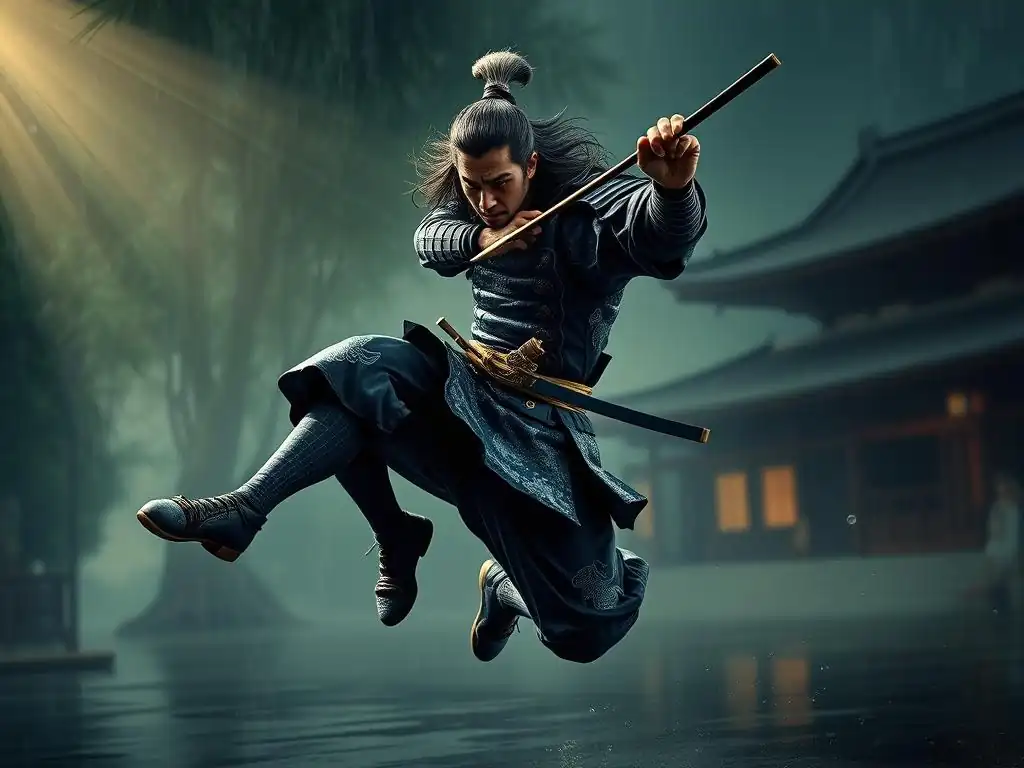
Welcome to Martial Arts Mastery, your gateway to the world of combat disciplines!
Delve into the profound depths of martial arts history and culture with us. This week, we explore the often romanticized, and sometimes misunderstood, philosophy of Bushido and its cinematic representation. Are samurai films truly accurate reflections of this ancient code, or are they simply dramatic interpretations? Uncover the surprising truths behind Bushido and its portrayal, or misportrayal, in the world of cinema, and begin your journey into the complex world of martial arts history.
- Introduction: Exploring Bushido in Samurai Cinema
- What is Bushido? Understanding the Core Principles
- Bushido's Cinematic Representation: A Historical Overview
- Common Misinterpretations of Bushido in Samurai Films
- Analyzing Specific Samurai Films: Case Studies in Bushido Portrayal
- The Influence of Bushido on Samurai Film Narrative
- Bushido and the Concept of Honor (Meiyo) in Samurai Films
- The Relevance of Bushido Philosophy Today
- Conclusion: Bushido Samurai Film Philosophy - Separating Fact from Fiction
-
Frequently Asked Questions
- What is Bushido, and how does it relate to samurai films?
- How accurate are depictions of Bushido in samurai films?
- What are some common misinterpretations of Bushido in samurai films?
- Where can I learn more about the true philosophy of Bushido, beyond what's shown in films?
- How can understanding Bushido enhance my appreciation of samurai films?
- Final Reflection: The Enduring Code of Bushido
- Embrace the Bushido Code: Ignite Your Inner Warrior!
Introduction: Exploring Bushido in Samurai Cinema
Bushido's Enduring Appeal in Martial Arts Culture
Bushido, often translated as "the way of the warrior," represents a complex set of ethical principles that guided the samurai class in feudal Japan. Its emphasis on honor, loyalty, duty, and self-discipline resonates deeply within martial arts traditions worldwide.
For practitioners of various disciplines, from Kendo and Iaido rooted directly in samurai practices to modern styles like Karate and Aikido, understanding Bushido provides a profound philosophical foundation, transcending mere physical technique. This connection to a historical and ethical code adds depth and meaning to training, offering lessons in perseverance, respect, and moral integrity that are applicable both inside and outside the dojo.
The principles of Bushido continue to influence contemporary martial arts philosophy, shaping the character and mindset of serious practitioners. While the specific historical context of feudal Japan is distinct, the core tenets like courage in the face of adversity (Yu) or the importance of sincerity (Makoto) remain universally valuable.
Many martial arts dojos incorporate discussions of these values into their curriculum, recognizing that true mastery involves not just physical prowess but also ethical development. The enduring appeal lies in Bushido's aspiration towards a noble ideal of conduct, providing a moral compass for those who walk the path of the martial artist.
The Intersection of Bushido, Samurai Films, and Historical Accuracy
Samurai films, particularly those from Japan's prolific post-war era, have served as a primary global conduit for introducing the concept of Bushido to wider audiences. Directors like Akira Kurosawa, Masaki Kobayashi, and Kenji Mizoguchi crafted compelling narratives centered around samurai grappling with duty, honor, and the changing social landscape.
These films often depict characters wrestling with the tenets of Bushido, showcasing acts of unwavering loyalty, stoic self-sacrifice, and the harsh consequences of failing to uphold the code. The visual language of these films, from the precise choreography of sword fights to the stark landscapes, contributes to the romanticized image of the samurai and their philosophy.
However, the portrayal of Bushido in these films is frequently a blend of historical fact, artistic interpretation, and often, dramatic exaggeration. While some films strive for historical accuracy in depicting certain aspects of samurai life and the ethical dilemmas they faced, others prioritize narrative impact, sometimes simplifying or even distorting the complexities of Bushido.
The popular understanding of Bushido samurai film philosophy is heavily influenced by these cinematic depictions, leading to both genuine appreciation for its ideals and significant misinterpretations of its historical application and nuances. It is crucial to critically examine these portrayals to distinguish between the historical code and its often-romanticized cinematic representation.
What is Bushido? Understanding the Core Principles
The Seven Virtues of Bushido: Gi, Rei, Yu, Meiyo, Jin, Makoto, Chugi
Bushido is most commonly associated with a set of seven core virtues, although interpretations and lists vary slightly depending on the source and historical period. These virtues are often cited as: Gi (Rectitude or Justice), Rei (Respect or Courtesy), Yu (Courage), Meiyo (Honor), Jin (Benevolence or Compassion), Makoto (Sincerity or Honesty), and Chugi (Loyalty). These principles formed the ethical bedrock for the samurai class, guiding their actions in both peace and war. Gi, for instance, emphasized the importance of moral correctness and knowing when to die, while Rei governed social interactions and respect for others, even one's enemies.
These seven virtues were not merely abstract concepts but were expected to be embodied in the samurai's daily life and conduct. Yu, or courage, wasn't just about bravery in battle, but also the courage to live righteously. Meiyo, honor, was paramount; a samurai's reputation and the honor of his family and lord were considered more valuable than life itself.
Jin, benevolence, might seem counterintuitive for a warrior, but it emphasized compassion towards the weak and the importance of using one's strength for good. Makoto demanded absolute truthfulness, while Chugi represented unwavering loyalty to one's lord, often considered the most important virtue.
Bushido as a Moral Code: Origins and Evolution
Bushido did not exist as a single, codified doctrine from the outset, but rather evolved over centuries, drawing from various philosophical and religious influences. Shinto provided a reverence for nature and loyalty to the Emperor, while Buddhism, particularly Zen, contributed concepts of self-discipline, mindfulness, and detachment from fear of death. Confucianism, introduced from China, profoundly shaped the social and ethical framework of Japanese society, emphasizing filial piety, loyalty to superiors, and the importance of education and ritual. These diverse influences coalesced into a warrior code that was both practical and deeply moral.
The formalization and popularization of Bushido as a distinct code largely occurred during the Edo period (1603-1867), a time of relative peace when the samurai transitioned from battlefield warriors to administrators and bureaucrats. Works like Hagakure, compiled in the early 18th century, offered reflections on the samurai way of life, emphasizing readiness for death and unwavering loyalty.
While Hagakure represents one significant perspective, it is important to note that "Bushido" itself became a widely discussed and somewhat standardized concept primarily in the late 19th and early 20th centuries, notably influenced by Inazo Nitobe's influential 1899 book, Bushido: The Soul of Japan, which introduced the concept to a Western audience and presented it as a unified national ethic. Understanding this evolution is key to appreciating the complexities of Bushido samurai film philosophy.
Bushido's Cinematic Representation: A Historical Overview
Early Samurai Films: Sansho the Bailiff and its Depiction of Compassion (Jin)
Early Japanese samurai films, particularly those from the 1950s, often explored the complexities of Bushido, sometimes highlighting virtues beyond just martial prowess and loyalty. Kenji Mizoguchi's 1954 masterpiece, Sansho the Bailiff, while not a traditional samurai action film, features characters whose actions are deeply influenced by the ethical landscape of the time, implicitly commenting on Bushido's application.
The film tells the tragic story of a governor's children sold into slavery after their father is exiled for advocating for the poor. While the central figures are not samurai, the narrative critiques the harsh realities of a rigid social structure where compassion ( Jin) is often sacrificed for duty or survival.
The film's portrayal of the exiled governor, who championed benevolent governance, stands in stark contrast to the cruel system he opposed. His adherence to a more humane approach, even at great personal cost, can be seen as an embodiment of the Jin virtue, which emphasizes benevolence and compassion.
The film subtly suggests that true nobility lies not just in adhering to strict rules but in upholding human dignity and empathy. This early cinematic exploration demonstrates that Bushido's depiction wasn't always solely focused on the battlefield, but could also delve into the ethical dimensions of power and morality, influencing the nascent Bushido samurai film philosophy.
The Golden Age of Samurai Cinema: Seven Samurai and its Depiction of Duty (Chugi)
Akira Kurosawa's 1954 epic Seven Samurai is arguably the most iconic samurai film and a cornerstone in the global understanding of Bushido samurai film philosophy. The film centers on a group of masterless samurai (ronin) hired by desperate farmers to defend their village from bandits. While these samurai are ronin and thus lack a direct lord to whom they owe Chugi (Loyalty) in the traditional sense, the film brilliantly explores the concept of duty and loyalty within a new context – loyalty to a cause, loyalty to the innocent, and loyalty to each other.
The film showcases varying interpretations of duty among the samurai. The leader, Kambei, embodies stoic pragmatism and a deep sense of responsibility towards protecting the weak.
Kikuchiyo, the boisterous and initially self-serving character, ultimately develops a fierce loyalty to the villagers and the group, demonstrating that Chugi can be forged through shared struggle and purpose. The film's narrative arc, culminating in a bloody battle where the samurai fulfill their duty at great personal cost (four of the seven die), cemented an image of the samurai as figures defined by their commitment to a chosen path, highlighting the supreme importance of duty and sacrifice in the popular conception of Bushido.
Modern Samurai Films: Twilight Samurai and its Depiction of Integrity (Makoto)
Modern samurai films often offer more nuanced and sometimes revisionist takes on Bushido, reflecting contemporary perspectives on historical codes. Yoji Yamada's 2002 film Twilight Samurai provides a poignant portrayal of a low-ranking samurai in the late Edo period, focusing not on grand battles or political intrigue, but on the quiet dignity and integrity ( Makoto) of a man struggling to balance his samurai duties with the needs of his impoverished family.
The protagonist, Seibei Iguchi, is mocked by his peers for prioritizing his family over appearances and social climbing, earning him the nickname "Twilight Samurai" because he rushes home at dusk.
Despite his humble circumstances and lack of outward adherence to the flashy aspects of samurai life, Seibei embodies the core virtue of Makoto, sincerity or honesty. He is truthful about his priorities, honest in his dealings, and sincere in his love for his family.
When forced into a duel against a highly skilled warrior, Seibei's integrity and underlying skill, honed not for glory but for necessity, are revealed. The film challenges the stereotypical image of the samurai solely defined by warrior prowess and rigid adherence to superficial codes, suggesting that true Bushido lies in the quiet strength of character, personal integrity, and fulfilling one's responsibilities with sincerity, offering a different angle on Bushido samurai film philosophy.
Common Misinterpretations of Bushido in Samurai Films
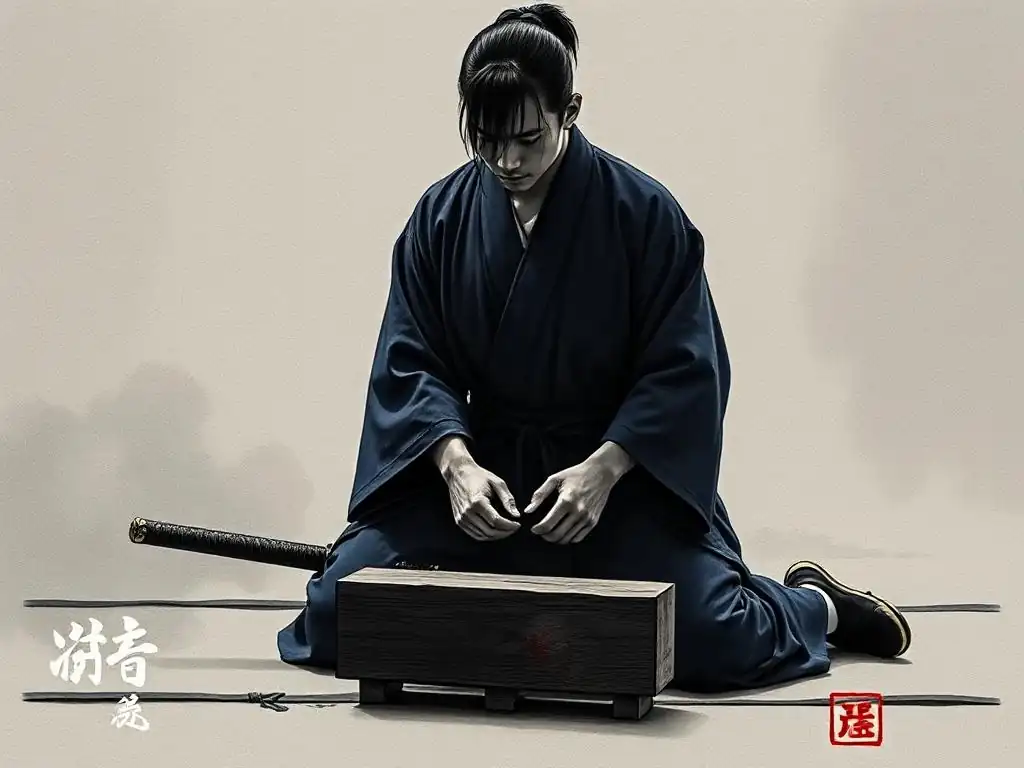
The Romanticized Warrior: Exaggerated Displays of Loyalty and Sacrifice
One of the most prevalent misinterpretations of Bushido in samurai films is the tendency to romanticize the samurai as figures of absolute, unwavering loyalty and eager self-sacrifice. While loyalty ( Chugi) was indeed a cornerstone of Bushido, cinematic portrayals often depict it in hyperbolic terms, sometimes suggesting a blind obedience that overrides all other considerations, including common sense or personal well-being.
Films might show samurai committing seppuku (ritual suicide) for relatively minor slights or perceived failures, presenting it as a routine and even desirable outcome, when historically, while seppuku was a recognized practice, it was a complex ritual often reserved for specific circumstances and not a casual act of self-destruction.
This romanticized view often downplays the internal conflicts and difficult choices samurai faced. Historical accounts and literature indicate that samurai, like any human group, grappled with conflicting loyalties – to their lord, their family, their conscience, or even their fellow samurai. The cinematic emphasis on unquestioning devotion can obscure the nuanced ethical dilemmas inherent in feudal society.
For example, the famous story of the Forty-seven Ronin, while rooted in historical events, has been highly dramatized over centuries, often portraying the ronin's revenge as an act of pure, glorious loyalty, sometimes glossing over the political complexities and the shogunate's difficult decision regarding their fate. This focus on extreme loyalty shapes the popular understanding of Bushido samurai film philosophy, sometimes portraying it as more rigid and less adaptable than it might have been in practice.
The Glorification of Violence: Bushido vs. Bloodshed
Samurai films, by their nature, often feature significant violence and sword fighting. While the samurai were warriors and trained extensively in combat, the cinematic emphasis on dramatic duels and large-scale battles can sometimes lead to a glorification of violence that is not entirely aligned with the full scope of Bushido.
Bushido certainly encompassed martial skill and the willingness to fight and die, but it also included virtues like Jin (benevolence) and Rei (respect), which aimed to temper the warrior's ferocity with compassion and courtesy. The ideal Bushido warrior was not simply a killing machine but a disciplined individual who understood the gravity of taking a life and used force only when necessary and justified.
Many films, particularly more action-oriented ones, might focus heavily on the bloodshed and skill in combat without adequately exploring the ethical restraints or the philosophical underpinnings that were meant to guide such actions. While films like Kurosawa's Yojimbo or Sanjuro are highly entertaining and iconic, their protagonists are often cynical figures who manipulate conflict for personal gain, arguably operating outside the traditional framework of Bushido ethics, even if they display impressive martial skill.
This cinematic focus on the sword fighting aspect can inadvertently equate Bushido solely with violence and martial prowess, neglecting the crucial moral and ethical dimensions that were integral to the code, contributing to a skewed view of Bushido samurai film philosophy.
The Individual vs. The Clan: Conflicting Loyalties and Moral Dilemmas
Samurai society was deeply hierarchical, with loyalty to one's lord and clan paramount. However, samurai films often explore the tension between this collective loyalty and the individual's conscience, desires, or conflicting obligations, sometimes presenting these conflicts in ways that can be misinterpreted. The idea of the lone wolf samurai, like the ronin protagonists in many films, highlights this tension.
While historical ronin existed, their status was often one of hardship and marginalization, a consequence of losing their lord or clan. Cinematic ronin, however, are frequently depicted as independent agents, unbound by feudal ties, whose actions are driven by personal codes, revenge, or even mercenary motives, which can diverge significantly from traditional clan-based Bushido.
Films like Masaki Kobayashi's Harakiri (1962) brilliantly illustrate the devastating consequences when the rigid demands of clan honor clash with individual suffering and human dignity. The film critiques the hypocrisy of a system that prioritizes outward adherence to ritual over genuine compassion ( Jin).
The protagonist, a ronin, challenges a powerful clan by exposing their cruel and empty performance of Bushido. This portrayal highlights the potential for the code to be misused or become a tool of oppression, demonstrating that the conflict between individual morality and collective duty was a real and complex issue, often depicted with dramatic license in films, influencing the understanding of Bushido samurai film philosophy.
Analyzing Specific Samurai Films: Case Studies in Bushido Portrayal
Case Study 1: Harakiri - A Detailed Examination of Bushido Themes
Masaki Kobayashi's Harakiri (1962) stands as a powerful and critical examination of Bushido, particularly the virtue of Meiyo (Honor) and its often-brutal consequences when divorced from Jin (Benevolence). The film tells the story of Hanshiro Tsugumo, a ronin who requests permission to commit seppuku in the courtyard of the powerful Iyi clan.
Through a series of flashbacks, Tsugumo reveals the tragic story of his son-in-law, Motome Chijiiwa, another ronin who also requested to commit seppuku at the same clan's house, not out of genuine intent to die for honor, but in a desperate plea for charity to save his sick wife and child.
The Iyi clan, obsessed with maintaining their reputation for strict adherence to the warrior code, cruelly forced Motome to go through with the ritual, even when he begged for mercy, and, finding he had sold his real sword, forced him to use a dull bamboo blade, resulting in an agonizing death. Tsugumo's request is an act of calculated revenge, exposing the clan's hypocrisy and the emptiness of their performative honor.
The film contrasts the clan's rigid, heartless interpretation of Bushido with the genuine suffering of individuals caught in its grip. Harakiri doesn't dismiss Bushido entirely but fiercely critiques its application when it becomes a tool for cruelty and the suppression of human compassion, offering a stark and critical perspective on Bushido samurai film philosophy.
Case Study 2: Yojimbo - A Critique of Bushido's Misuse
Akira Kurosawa's Yojimbo (1961) presents a decidedly less romanticized view of the samurai world, offering a cynical portrayal that implicitly critiques the decline or misuse of traditional Bushido values. The protagonist, Sanjuro, is a masterless samurai who drifts into a town torn apart by two warring criminal gangs.
Rather than upholding any noble cause or displaying loyalty ( Chugi), Sanjuro shrewdly plays the gangs against each other, manipulating them for his own profit and amusement. He is a skilled warrior ( Yu) but his actions are driven by self-interest and a cynical view of the corrupt world around him, rather than the ethical principles of Bushido.
While Sanjuro eventually acts to liberate the townspeople from the gangs, his motivations are ambiguous, seeming more aligned with a desire to clean up a mess and move on rather than a deep sense of Jin (Benevolence) or Gi (Justice) in the traditional Bushido sense. The film depicts a world where samurai skills are often used for mercenary purposes, where honor ( Meiyo) is a commodity or a pretense, and where loyalty is bought and sold.
Yojimbo can be seen as a commentary on the state of the samurai class in a transitional period, where the traditional code was perhaps losing its relevance or being corrupted, offering a critical, albeit entertaining, perspective on Bushido samurai film philosophy by showcasing its absence or perversion.
Case Study 3: Ran - A Nuanced Depiction of Bushido's Complexities
Akira Kurosawa's 1985 epic Ran, a reimagining of Shakespeare's King Lear set in feudal Japan, provides a complex and often tragic portrayal of Bushido's impact on a warring family and their retainers. The film depicts the disintegration of Lord Hidetora's kingdom after he divides it among his three sons, unleashing ambition, betrayal, and madness. While the term Bushido is not explicitly central to the dialogue, the characters' actions and the ensuing chaos are deeply rooted in the failure to uphold its core tenets, particularly Chugi (Loyalty), Jin (Benevolence), and Rei (Respect).
The film showcases the devastating consequences of broken loyalties, as sons betray their father and brothers turn against each other. The retainers are forced to choose between conflicting allegiances, highlighting the difficult moral dilemmas samurai faced when the structure of authority fractured. The character of Tango, Hidetora's loyal advisor, embodies a steadfast adherence to principles despite the surrounding madness, representing a form of unwavering, albeit futile, loyalty.
Ran demonstrates that Bushido was not a magical shield against human nature but a code that could be upheld or tragically abandoned, leading to ruin. The film's grand scale and tragic scope illustrate the societal impact when the ethical framework breaks down, offering a nuanced, albeit bleak, perspective on Bushido samurai film philosophy within a grand historical drama.
The Influence of Bushido on Samurai Film Narrative
Shaping Character Development Through Bushido Principles
Bushido principles serve as a powerful engine for character development in samurai films. Protagonists and antagonists alike are often defined by their relationship to the code – whether they strictly adhere to it, struggle against its constraints, or represent its corruption. A character's journey in a samurai film can often be mapped by their evolving understanding or application of virtues like Gi (Rectitude), Yu (Courage), or Makoto (Sincerity). For instance, a young, idealistic samurai might learn the harsh realities of the world while striving to uphold Gi, facing situations where the "right" path is unclear or costly.
Consider the evolution of characters in Seven Samurai. Kambei, the seasoned leader, has already internalized many Bushido virtues, displaying wisdom ( Chigi in a broader sense of wisdom in action) and a pragmatic sense of duty ( Chugi to a cause).
In contrast, Kikuchiyo's journey is one of transformation; he begins as a figure driven by resentment and self-interest but through shared experience and conflict, develops a sense of loyalty and belonging, ultimately embodying the warrior's courage ( Yu) and a fierce protectiveness ( Jin). This use of Bushido as a framework for moral and psychological growth is a common narrative device, enriching the characters and providing depth to the Bushido samurai film philosophy presented on screen.
Bushido as a Catalyst for Conflict and Resolution
The tenets of Bushido frequently serve as the direct catalyst for conflict in samurai film narratives. Disagreements over honor ( Meiyo), breaches of loyalty ( Chugi), or conflicting interpretations of justice ( Gi) often drive the plot forward. A samurai's unwavering adherence to a principle, even when it leads to hardship or confrontation, creates dramatic tension.
For example, a film might feature a samurai faced with a direct order from his lord that violates his sense of Gi; his decision to obey or defy creates immediate conflict. Similarly, the shame of dishonor ( Meiyo) can trigger quests for revenge or acts of atonement, forming the core of the narrative.
Conversely, the resolution of conflict in many samurai films is also tied to Bushido. Battles are fought to uphold honor or fulfill duty. Acts of sacrifice or loyalty can bring about a resolution, even if tragic.
The final confrontation often tests the characters' adherence to their code, with victory or defeat measured not just in survival but in whether they remained true to their principles. The dramatic ritual of seppuku, while often misinterpreted, represents a form of resolution through atonement for perceived failure or the preservation of honor. This intrinsic link between Bushido, conflict, and resolution underscores its fundamental role in shaping the narrative structure of the Bushido samurai film.
Symbolism and Imagery: Visual Representations of Bushido
Samurai films utilize powerful symbolism and imagery to convey the abstract concepts of Bushido. The samurai sword, the katana, is perhaps the most potent symbol, representing not just a weapon but the samurai's soul, discipline, and commitment. Its sharpness, purity, and the ritual surrounding its care reflect the precision and dedication required by the code. The act of drawing or sheathing the sword can be imbued with symbolic meaning, signifying readiness, restraint, or intention.
Other visual elements also contribute to the depiction of Bushido samurai film philosophy. The stark landscapes, particularly in Kurosawa films, can symbolize the harshness of the samurai's path or the isolation of the ronin. The traditional kimono and armor represent the samurai's status and adherence to form, while their state of repair or disarray can reflect the character's circumstances or internal state.
The meticulous rituals, such as the tea ceremony or the procedures surrounding seppuku, visually represent the emphasis on discipline, control, and form within Bushido. Even seemingly simple actions, like a samurai bowing or sitting with perfect posture, reinforce the importance of Rei (Respect) and self-control. These visual cues work in tandem with the narrative to build the audience's understanding, or sometimes misunderstanding, of Bushido.
Bushido and the Concept of Honor (Meiyo) in Samurai Films
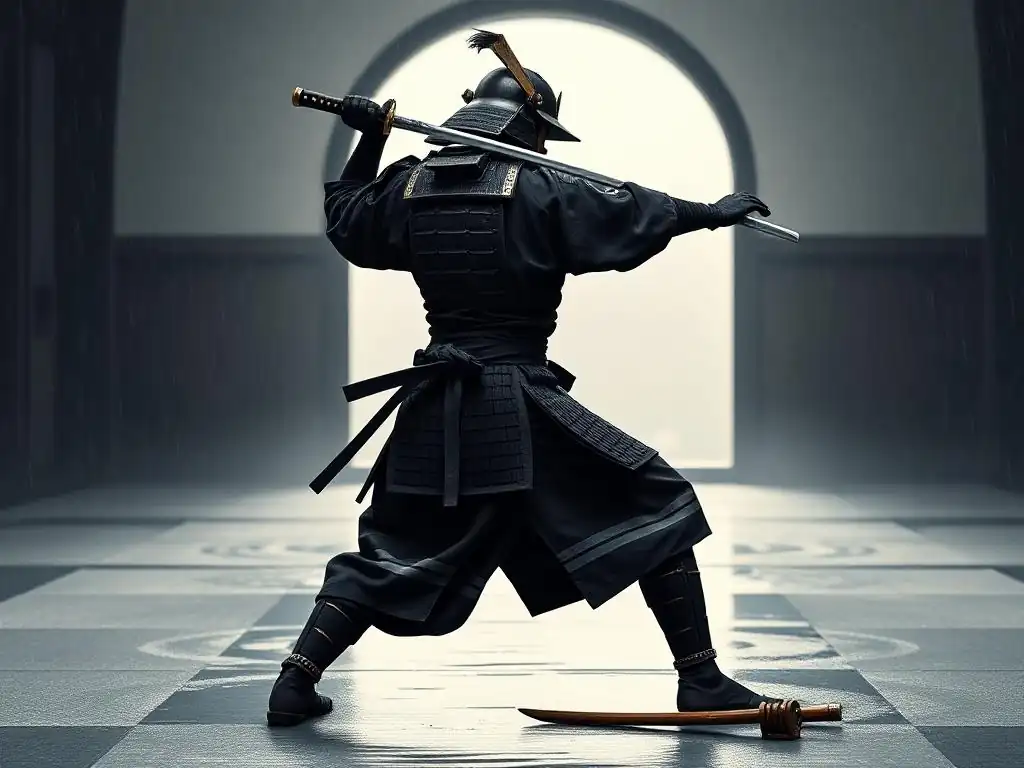
Defining Honor in the Context of Bushido and Samurai Culture
Within Bushido, Meiyo, or honor, was arguably the most vital virtue, considered more precious than life itself. It encompassed a samurai's reputation, their integrity, the respect they commanded from others, and the honor of their lord and family. Honor was not merely a personal feeling but a social currency, dictating one's standing within the rigid feudal hierarchy. A samurai's actions were constantly judged by how they upheld or diminished their own honor and that of their group. Losing face or being publicly shamed was a catastrophic event, often necessitating drastic measures to restore honor.
Samurai films frequently place Meiyo at the center of the drama. Characters are driven by the need to avenge a slight to their honor, restore their family's reputation, or avoid the shame of cowardice or failure.
In The Forty-seven Ronin narratives, the entire plot hinges on the ronin's quest to restore the honor of their deceased lord and themselves after he was forced to commit seppuku. The film depicts the immense personal sacrifice and hardship the ronin endure, all for the sake of upholding their collective Meiyo, illustrating the extreme lengths to which samurai might go to protect this vital aspect of their identity and the Bushido samurai film philosophy.
The Price of Honor: Consequences of Upholding Bushido's Code
Upholding honor according to Bushido often came at a tremendous cost, and samurai films are replete with examples of the sacrifices demanded by this virtue. The most dramatic consequence is often death, either in battle while fighting bravely ( Yu and Meiyo) or through ritual suicide ( seppuku) to atone for failure, avoid capture, or protest injustice.
Films like Harakiri starkly portray the ultimate price paid for the sake of a rigid interpretation of honor, where a man is forced to endure a horrific death to satisfy the code's demands, even when his initial intent was to beg for mercy.
Beyond death, upholding honor could mean enduring poverty, exile, or profound personal suffering. A samurai might choose to become a ronin rather than serve a dishonorable lord, facing a life of uncertainty and hardship. They might sacrifice personal relationships or happiness for the sake of duty and honor. Films often depict the internal conflict faced by samurai torn between their human desires and the relentless demands of Meiyo. This exploration of the heavy price paid for adhering to the code is a recurring theme, highlighting the severity and sometimes tragic implications of Bushido samurai film philosophy.
Dishonor and Redemption: Exploring the Boundaries of Bushido
Samurai films also explore the concepts of dishonor and the possibility of redemption within the framework of Bushido. Dishonor could result from cowardice, disloyalty, failure in duty, or any action that brought shame upon oneself, one's lord, or one's family. The state of dishonor was often considered a fate worse than death, leading to social ostracization and loss of status. Characters in films who commit acts of dishonor are often depicted as fallen figures, grappling with shame and the consequences of their actions.
The possibility of redemption, however, also exists within these narratives, often achieved through acts of extreme loyalty, courage, or self-sacrifice. A ronin might seek to redeem himself by performing a great service, avenging a wrong, or dying honorably.
Films like Seven Samurai show masterless samurai, who are technically without the traditional Chugi to a lord, finding a form of redemption and purpose by dedicating themselves to protecting the innocent villagers, thereby upholding other Bushido virtues like Jin and Yu. These narratives explore the boundaries of the code, suggesting that while dishonor is a grave state, the path to redemption, often arduous and fraught with peril, is sometimes possible, adding layers to the portrayal of Bushido samurai film philosophy.
The Relevance of Bushido Philosophy Today
Lessons from Bushido for Contemporary Martial Artists
For contemporary martial artists, the philosophy of Bushido offers valuable lessons that extend far beyond physical techniques. The emphasis on discipline, perseverance, and self-control ( Sei Gyo) is directly applicable to the rigorous training required in any martial art. Virtues like Rei (Respect) are fundamental to the etiquette and spirit of the dojo, fostering a positive and productive learning environment. Understanding Yu (Courage) encourages practitioners to face challenges, overcome fear, and step outside their comfort zones, both in training and in life.
Moreover, Bushido's focus on integrity ( Makoto) and ethical conduct provides a moral compass for martial artists, reminding them that their skills should be used responsibly and for good. The concept of Gi (Rectitude) encourages critical thinking about right and wrong, helping practitioners understand when and how to apply their abilities.
While the specific historical context of samurai is different, the core principles of self-improvement, ethical conduct, and dedication resonate strongly. Integrating Bushido samurai film philosophy into martial arts training can provide a deeper understanding of the art's roots and its potential to shape not just the body, but the character.
The Enduring Power of Bushido's Ethical Framework
Despite its origins in feudal Japan, the ethical framework of Bushido possesses an enduring power and relevance in the modern world. At its core, Bushido promotes values like honesty, loyalty, respect, and courage – virtues that remain universally admired and essential for a functioning society. While the specific applications (like loyalty to a feudal lord) are outdated, the underlying principles of commitment, integrity, and responsibility are still highly valuable in personal, professional, and civic life.
The emphasis on self-discipline and continuous self-improvement also holds significant appeal in a world often characterized by instant gratification and external validation. Bushido encourages an inward focus on developing one's character and upholding one's principles regardless of external circumstances. This enduring ethical framework provides a compelling alternative or complement to contemporary value systems, offering a time-tested perspective on how to live a life of purpose and integrity, reinforcing the broader impact of Bushido samurai film philosophy beyond just historical interest.
Bushido's Influence Beyond Martial Arts: Business Ethics
Surprisingly, elements of Bushido philosophy have found resonance in areas far removed from the battlefield or the dojo, including modern business ethics and leadership. Concepts like loyalty to one's company or team ( Chugi), the importance of reputation and integrity ( Meiyo and Makoto), and the need for decisive action tempered with wisdom ( Gi and Yu) are often cited in discussions about ethical leadership and corporate culture, particularly in Japan.
Some Japanese corporations historically incorporated principles akin to Bushido in their management philosophies, emphasizing collective harmony, long-term commitment, and responsibility. While direct comparisons should be made cautiously, the underlying values of dedication, trustworthiness, and striving for excellence are universally applicable in professional settings.
The idea of a leader demonstrating Jin (Benevolence) towards their employees or upholding Gi (Rectitude) in business dealings reflects a broader application of these ancient principles. This influence, while perhaps indirect or adapted, demonstrates the pervasive nature of Bushido's ethical ideas, extending its impact beyond its historical origins and the realm of Bushido samurai film philosophy into contemporary life.
Conclusion: Bushido Samurai Film Philosophy - Separating Fact from Fiction
The Importance of Critical Viewing: Understanding Bushido's True Essence
Samurai films offer a captivating window into a historical world and its complex ethical code, but it is crucial to approach them with a critical eye. While many films provide valuable insights and poignant portrayals of samurai grappling with Bushido, they are ultimately works of art, subject to dramatic license, historical interpretation, and the perspectives of their creators. The popular image of Bushido samurai film philosophy is a blend of historical reality, Edo-period idealization, and modern cinematic storytelling.
To understand the true essence of Bushido, one must look beyond the often-romanticized or exaggerated cinematic depictions. Consulting historical texts, academic research, and diverse literary sources provides a more complete and nuanced picture of the code's origins, evolution, and varied interpretations throughout history. Critical viewing involves recognizing the film's narrative purpose and artistic choices, and comparing them against a broader understanding of historical and philosophical Bushido, allowing viewers to appreciate the films while discerning fact from fiction.
Preserving the Legacy of Bushido: Respecting its Historical and Philosophical Significance
Bushido is more than just a historical curiosity or a source of dramatic tropes for films; it is a significant philosophical system that shaped a crucial period of Japanese history and continues to influence Japanese culture. Preserving its legacy involves respecting its historical context, acknowledging its complexities and contradictions, and understanding its philosophical depth. It requires moving beyond simplistic portrayals of samurai as purely loyal, self-sacrificing warriors and appreciating the full spectrum of virtues and ethical considerations that constituted the code.
By engaging with Bushido thoughtfully, through both historical study and critical analysis of its portrayal in media like samurai films, we can gain valuable insights into Japanese history, martial arts philosophy, and universal ethical dilemmas. Recognizing the difference between the historical code and its cinematic representation allows for a deeper appreciation of both – the historical reality and the artistic interpretation. This respect for accuracy enriches our understanding of Bushido samurai film philosophy and its place in cultural history.
Further Exploration: Suggestions for Further Reading and Viewing
For those interested in further exploring the philosophy of Bushido and its portrayal in samurai films, several avenues offer deeper insight. Reading historical texts like Hagakure (though understanding its specific context and perspective is key) or Inazo Nitobe's Bushido: The Soul of Japan can provide foundational knowledge. Academic works on samurai history, Japanese philosophy, and the history of Japanese cinema offer critical analysis and historical context.
Viewing a diverse range of samurai films, from the classics of Kurosawa, Mizoguchi, and Kobayashi to more modern interpretations, allows for a comparative study of how Bushido has been depicted across different eras and directorial styles. Comparing films that romanticize the code with those that offer critical perspectives provides a richer understanding of the Bushido samurai film philosophy as a cinematic phenomenon. Examining films alongside historical accounts helps to separate the dramatic narrative from the historical reality, fostering a more informed appreciation of this complex and enduring ethical code.
Frequently Asked Questions
What is Bushido, and how does it relate to samurai films?
Bushido is the samurai code of conduct, emphasizing honor, loyalty, and self-discipline. Samurai films often depict Bushido, but sometimes with romanticized or inaccurate portrayals.
How accurate are depictions of Bushido in samurai films?
Accuracy varies significantly. While some films strive for historical accuracy, many prioritize dramatic storytelling over strict adherence to Bushido principles. This can lead to misinterpretations of the code.
What are some common misinterpretations of Bushido in samurai films?
Common misinterpretations include portraying samurai as solely warriors, ignoring their intellectual and artistic pursuits. Also, the focus on seppuku (ritual suicide) is often exaggerated, presenting it as a glamorous solution rather than a last resort.
Where can I learn more about the true philosophy of Bushido, beyond what's shown in films?
Websites like MartialArtsMastery.org offer historical overviews and philosophical underpinnings of Bushido. Researching primary sources and scholarly articles provides a more nuanced understanding than relying solely on cinematic depictions.
How can understanding Bushido enhance my appreciation of samurai films?
Knowing the core principles of Bushido allows you to critically analyze how films interpret and adapt them. This deeper understanding adds a layer of intellectual engagement and helps to differentiate between historical accuracy and artistic license.
Final Reflection: The Enduring Code of Bushido
The exploration of Bushido's portrayal in samurai films reveals a complex tapestry of authenticity and artistic license, but ultimately underscores the lasting power of ethical frameworks in shaping cultural narratives. While cinematic interpretations often diverge from the historical realities of the Bushido code, they continue to ignite discussions about honor, duty, and sacrifice, proving the enduring relevance of these concepts in a modern world grappling with its own moral compass.
The influence of Bushido, both real and imagined, on our understanding of Japanese culture and the samurai archetype is undeniable. My own fascination with these films stems from a deeper curiosity about the human capacity for both profound virtue and devastating violence, a dichotomy that Bushido attempts to reconcile.
> As Nitobe Inazo, author of Bushido: The Soul of Japan, eloquently stated, "Bushido, then, is the code of moral principles which the samurai were required or instructed to observe… It is not a written code; at best it consists of a few maxims handed down from mouth to mouth or coming from the pen of some celebrated warrior or sage." This inherent ambiguity allows for diverse interpretations, both on and off the screen.
Now, consider the lessons gleaned from this exploration of Bushido samurai film philosophy. How can the principles of honor, loyalty, and self-discipline, even in their romanticized forms, inform your own life? Embrace the spirit of reflection and strive to embody the virtues that resonate most deeply with you, forging your own path with integrity and purpose, and contributing to a world where ethical considerations guide our actions.
Embrace the Bushido Code: Ignite Your Inner Warrior!
Thank you for delving into the profound depths of Bushido and its representation in samurai cinema. Now that you've gained a deeper understanding, it's time to translate that knowledge into action.
- Commit to deeper study: Explore the original texts of Bushido, such as Hagakure, to form your own interpretations, independent of cinematic portrayals.
- Share your insights: Spark conversation with fellow film enthusiasts and martial arts practitioners by discussing Bushido's nuances online.
- Uncover hidden gems:Challenge yourself to find a samurai film that accurately and respectfully embodies the true spirit of Bushido and share your discovery!
What aspect of Bushido, as revealed (or obscured) in samurai films, resonates most deeply with your understanding of honor and duty?