
Mastering Sanchin: Breath, Tension, and Internal Power

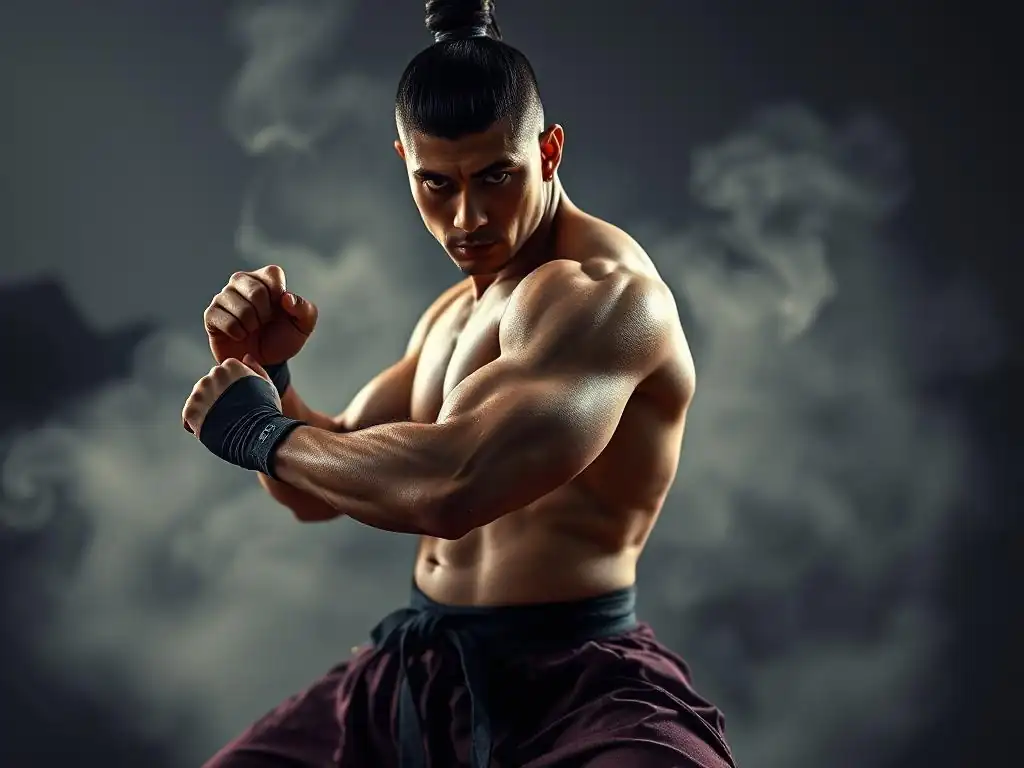
Welcome to Martial Arts Mastery, your gateway to unlocking the profound depths of combat traditions worldwide.
Delve into the heart of martial arts secrets, where history, technique, and philosophy converge. Are you ready to explore the hidden power within? In this article, we unravel the mysteries and Sanchin breathing technique benefits that have been whispered among masters for generations. Discover how this fundamental practice can revolutionize your martial arts journey and unlock unparalleled internal power. Prepare to breathe deeper, train smarter, and master the art within.
- Sanchin Breathing Technique Benefits Beyond Martial Arts
-
Frequently Asked Questions
- What is the Sanchin breathing technique, and where does it originate?
- What are the primary physical benefits of regularly practicing Sanchin breathing?
- How does Sanchin breathing contribute to developing internal power ("Ki" or "Chi")?
- What is the connection between Sanchin breathing and mental focus or mindfulness?
- Are there any potential risks or precautions to consider when learning Sanchin breathing?
- Final Reflection: The Enduring Power of Sanchin
- Unleash Your Inner Power: Begin Your Sanchin Journey Now!
Sanchin Breathing Technique Benefits Beyond Martial Arts
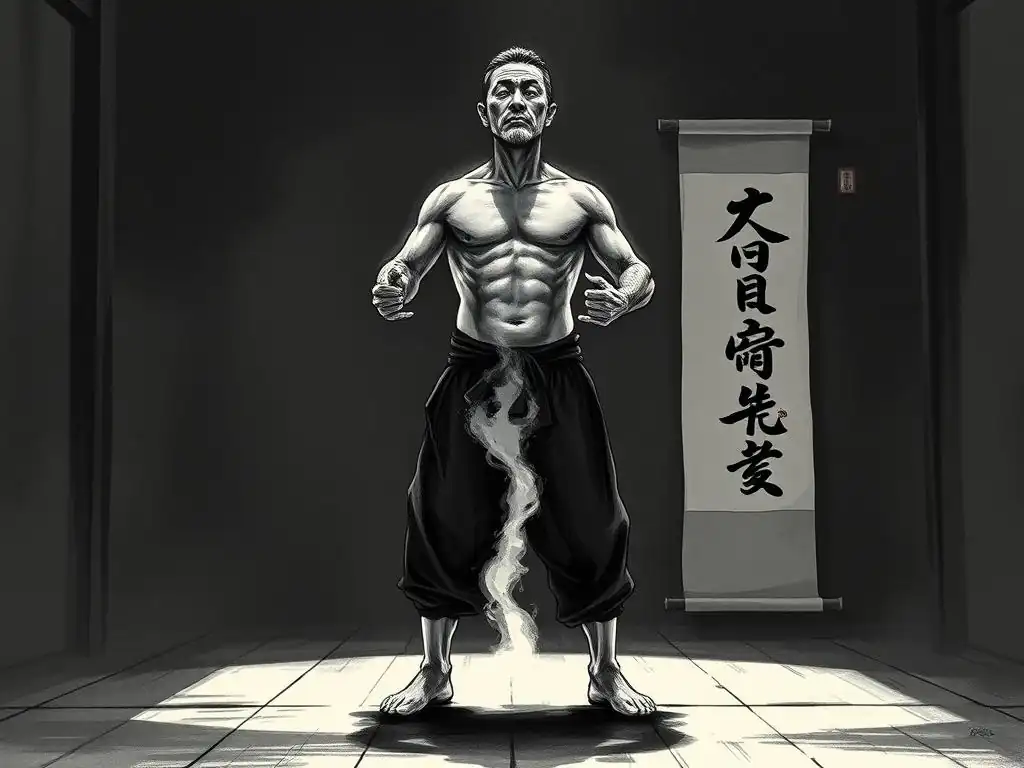
Stress Reduction and Mental Clarity
The disciplined practice of the Sanchin breathing technique, known as Ibuki, offers significant benefits for stress reduction and enhancing mental clarity, extending well beyond the dojo. The deep, controlled exhalation and focused tension inherent in Ibuki breathing activate the parasympathetic nervous system, which is responsible for the body's "rest and digest" state. This counteracts the "fight or flight" response triggered by stress.
By requiring intense concentration on the breath and physical structure, Sanchin kata forces practitioners to remain fully present in the moment, effectively interrupting the cycle of anxious thoughts and worries. This focused state is akin to mindfulness meditation, where the anchor is the breath and physical sensation rather than a mantra or external object.
Numerous studies on controlled breathing techniques, similar in principle to aspects of Ibuki, show measurable reductions in stress hormones like cortisol. While specific studies on Sanchin's direct impact on cortisol levels are limited, the physiological mechanisms are well-established. The prolonged, forceful exhalation in Ibuki helps expel residual air from the lungs, improving gas exchange and potentially leading to a greater sense of calm.
The requirement for unwavering focus during the kata also trains the mind to resist distraction, a skill invaluable in managing daily stressors and improving overall mental resilience. These Sanchin breathing technique benefits for mental well-being are often cited by long-term practitioners as among the most profound aspects of the training.
Improved Body Awareness and Control
Practicing Sanchin kata, with its emphasis on precise movements, isometric tension, and the distinctive Sanchin breathing technique, dramatically improves body awareness and control. The constant internal checking required – ensuring correct posture, aligning bones, maintaining tension in specific muscle groups while relaxing others, and coordinating these with the breath – cultivates a deep proprioceptive sense.
Practitioners become acutely aware of their body's position in space, the engagement level of individual muscles, and the subtle shifts in weight and balance. This internal feedback loop is continuously refined through dedicated repetition of the kata, making these Sanchin breathing technique benefits fundamental to the form's purpose.
This heightened body awareness extends beyond the physical structure to include the internal energy flow, or ki. While seemingly abstract, this relates to the ability to sense internal tension, relaxation, and the coordination of breath and movement to generate power. The controlled, diaphragmatic breathing of Ibuki, combined with whole-body tension, creates internal pressure and stability.
Learning to manage and direct this internal state through the Sanchin breathing technique provides a level of physical control that translates into improved posture, balance, and coordination in everyday activities, not just martial applications. The intricate nature of synchronizing breath, tension, and precise movement in Sanchin is a masterclass in motor control and kinesthetic intelligence.
Potential Benefits for Cardiovascular Health and Core Strength
While Sanchin is not a traditional cardiovascular exercise in the same vein as running or cycling, the unique demands of the Sanchin breathing technique and isometric tension hold potential benefits for cardiovascular health and significantly contribute to core strength. The sustained, controlled tension throughout the body, particularly during the Ibuki breath, increases internal pressure and requires the cardiovascular system to work against resistance.
This is similar in principle to isometric exercises, which have been shown in some studies to potentially help regulate blood pressure over time, although caution is advised for individuals with pre-existing heart conditions due to temporary spikes in blood pressure during the tension phase. The deep, deliberate breathing also promotes better oxygen utilization, and the controlled nature of the exhalation can improve lung capacity and efficiency over time.
Furthermore, the Sanchin breathing technique is inherently a core-strengthening exercise. The deep, diaphragmatic breathing coupled with the requirement to maintain a stable, rigid torso throughout the kata heavily engages the abdominal muscles, diaphragm, and pelvic floor. The forceful exhalation against tension creates significant intra-abdominal pressure, which is crucial for spinal stability and building a strong core. This consistent engagement strengthens the muscles vital for posture, balance, and generating power from the center of the body. The Sanchin breathing benefits for developing a resilient and powerful core are undeniable, forming a physical foundation that supports overall health and physical capability.
Frequently Asked Questions
What is the Sanchin breathing technique, and where does it originate?
Sanchin breathing is a specific diaphragmatic breathing method found in various Okinawan karate styles and some Chinese martial arts. It's rooted in classical martial arts traditions, aiming to develop internal power and resilience.
What are the primary physical benefits of regularly practicing Sanchin breathing?
Regular practice can improve core stability, enhance body conditioning, and increase oxygen intake. It also helps with developing a strong and stable stance.
How does Sanchin breathing contribute to developing internal power ("Ki" or "Chi")?
Sanchin breathing cultivates internal power by coordinating breath with muscular tension and mental focus. This combined effort strengthens the body's energy centers.
What is the connection between Sanchin breathing and mental focus or mindfulness?
The technique requires intense concentration on breath and body, fostering a state of mindfulness. This enhances mental clarity and improves focus.
Are there any potential risks or precautions to consider when learning Sanchin breathing?
Yes, improper execution can lead to hyperventilation or muscle strain. It's crucial to learn from a qualified instructor and gradually increase intensity.
Final Reflection: The Enduring Power of Sanchin
The journey through Sanchin, as explored in this article, reveals more than just a martial arts technique; it unveils a pathway to inner resilience and mindful living. In a world increasingly defined by speed and superficiality, the deliberate practice of Sanchin, with its emphasis on breath, tension, and internal power, offers a profound antidote, a grounding force that resonates deeply with the human need for balance and control.
The influence of Sanchin extends far beyond the dojo. Its principles of controlled breathing and focused tension are applicable to managing stress, enhancing physical performance, and cultivating mental clarity. Personally, I've found that the discipline instilled by Sanchin practice translates into a greater sense of calm and focus in all aspects of my life. The ultimate aim of martial arts is not having to use them.
This quote, often attributed to Miyamoto Musashi, speaks to the deeper purpose of Sanchin: cultivating inner strength and composure, not just for self-defense, but for navigating the challenges of life with grace and resilience.
Now, I invite you to consider how the principles of Sanchin – mindful breathing, controlled tension, and the cultivation of internal power – can be applied to your own life. Take a moment to breathe deeply, to feel the tension in your body, and to connect with the inner strength that resides within you. Embrace the lessons of Sanchin, not just as a martial art, but as a path to greater self-awareness, resilience, and ultimately, a more fulfilling life.
Unleash Your Inner Power: Begin Your Sanchin Journey Now!
Thank you for diving deep into the art of Sanchin! We hope you've gained valuable insights into the breath, tension, and power this form unlocks. Now, it’s time to translate that knowledge into action.
Here's how you can take your understanding of Sanchin to the next level:
- Commit to 5 minutes of daily Sanchin practice, focusing on breath control and precise tension. Feel the difference it makes in your body and mind. This is your core practice.
- Share this article with a fellow martial artist and discuss your individual interpretations and challenges with Sanchin. Collaboration can unlock new perspectives!
- Explore related forms in your martial arts style, looking for similar principles of breath and tension. You might be surprised at the connections you discover!
What subtle changes did you notice in your body and mind after your first focused Sanchin session? Share your experiences below!