
Building Unshakable Confidence Through Muay Thai Conditioning


Welcome to Martial Arts Mastery, your gateway to unlocking the power and wisdom of combat traditions worldwide.
Dive into the electrifying world of Muay Thai and discover how its rigorous training can forge not only a formidable fighter, but also an unshakeable inner confidence. Curious how Muay Thai can translate physical prowess into mental fortitude? Explore our in-depth article on Muay Thai confidence building tips to unlock the secrets. Get ready to transform your body, mind, and spirit!
- Introduction: Unleashing Inner Strength Through Muay Thai Training
- Understanding the Muay Thai Conditioning Foundation for Mental Toughness
-
Muay Thai Confidence Building Tips: Conditioning Drills and Mental Preparation
- Tip 1: Mastering the Clinch: Building Confidence in Close-Range Combat
- Tip 2: Developing Explosive Power: Enhancing Self-Efficacy Through Striking
- Tip 3: Iron Shin Conditioning: Embracing Discomfort and Building Mental Fortitude
- Tip 4: Stamina Training: Overcoming Fatigue and Building Mental Grit
- Tip 5: Sparring and Pad Work: Applying Skills and Gaining Real-World Experience
- The Role of Mindfulness in Muay Thai Conditioning for Confidence
- Nutrition and Recovery: Fueling Confidence from the Inside Out
- Overcoming Mental Blocks: Building Confidence After Setbacks
- Conclusion: The Transformative Power of Muay Thai Conditioning on Confidence
-
Frequently Asked Questions
- What specific aspects of Muay Thai training contribute most to building confidence?
- How does the conditioning in Muay Thai differ from other types of fitness training in its impact on confidence?
- Can individuals with no prior martial arts experience benefit from Muay Thai for confidence building?
- How does sparring in Muay Thai contribute to overcoming fear and building confidence?
- Beyond physical skills, what are some mental benefits of Muay Thai that contribute to increased confidence?
- Final Reflection: Forging Confidence in the Crucible
- Embrace the Power Within: Start Your Muay Thai Journey Now!
Introduction: Unleashing Inner Strength Through Muay Thai Training
The Mental Fortitude of a Muay Thai Fighter
Muay Thai, often referred to as the "Art of Eight Limbs," is renowned not only for its devastating physical techniques but also for the incredible mental strength it forges in its practitioners. Fighters must endure grueling training sessions, push past exhaustion, and face opponents with courage and determination. This constant challenge cultivates a level of mental fortitude that extends far beyond the ring.
The ability to remain calm under pressure, persevere through pain, and maintain focus despite distractions are hallmarks of a seasoned Muay Thai fighter. This mental toughness is not innate; it is systematically built through the demanding conditioning regimen that is central to the sport.
Developing this mental resilience is paramount. Consider the preparation for a typical professional fight camp, which might last 8-12 weeks. During this period, athletes train multiple times a day, often totaling 5-6 hours of intense physical and technical work. This relentless schedule, combined with strict dietary discipline and recovery protocols, tests a fighter's commitment and willpower daily. Successfully navigating such a demanding routine instills deep self-belief, proving to the individual what they are truly capable of enduring and achieving, which is a key aspect of Muay Thai confidence building tips.
Why Muay Thai Conditioning Builds Confidence Beyond Physical Strength
While the physical benefits of Muay Thai conditioning—such as increased strength, speed, endurance, and power—are undeniable, its impact on confidence is perhaps even more profound. The conditioning process forces individuals to confront their physical and mental limits repeatedly. Each time they push past a perceived boundary, whether it's completing an extra round of pad work when exhausted or enduring the impact of shin conditioning, they build a reservoir of self-trust. This isn't just about looking stronger; it's about feeling capable and resilient.
The structured, progressive nature of Muay Thai conditioning means that improvements are tangible and earned through consistent effort. Witnessing one's own progress—hitting harder, lasting longer, recovering faster—provides concrete evidence of growth. This evidence-based self-efficacy is a powerful antidote to self-doubt. Unlike some activities where progress might be subjective, the metrics of Muay Thai conditioning, such as round duration, number of repetitions, or power output on equipment, offer clear indicators of development. This tangible progress is fundamental to effective Muay Thai confidence building tips.
Understanding the Muay Thai Conditioning Foundation for Mental Toughness
Core Principles of Muay Thai Conditioning
Muay Thai conditioning is built upon several core principles designed to prepare the body and mind for the rig rigors of fighting. These include high-intensity cardiovascular training, often through running or skipping rope for extended periods (e.g., 30-60 minutes daily). Strength and power are developed through bodyweight exercises like push-ups and squats, resistance training, and explosive movements such as plyometrics.
Endurance is built through long rounds of pad work, bag work, and sparring, mimicking fight duration which can be five rounds of three minutes each with short rest periods. Specific conditioning for impact, like shin conditioning or abdominal strengthening, is also crucial.
Furthermore, flexibility and mobility are addressed through stretching and dynamic movements to prevent injury and enhance technique. The integration of these diverse elements creates a holistic conditioning program. It's not just about one aspect of fitness; it's about developing a robust physical foundation capable of sustaining intense, multi-faceted combat. This comprehensive approach ensures that the body is prepared for the demands of training and fighting, laying the groundwork for mental resilience and contributing significantly to Muay Thai confidence building tips.
How Physical Discipline Translates to Mental Resilience
The strict discipline required in Muay Thai conditioning directly translates into mental resilience. Adhering to a demanding training schedule, even when tired or unmotivated, cultivates self-discipline and willpower. Pushing through pain during sprints, clinching drills, or impact conditioning teaches the individual to manage discomfort and maintain focus under duress. This constant practice in overcoming physical challenges strengthens the mental muscle required to face adversity in all aspects of life.
Moreover, the repetitive nature of many conditioning drills fosters patience and perseverance. Hitting the heavy bag for ten rounds, for instance, is as much a mental test as a physical one. Maintaining intensity and proper form throughout requires significant mental focus and grit. Successfully completing such tasks builds a deep-seated belief in one's ability to endure and persist, even when the immediate reward is not apparent. This consistent application of physical discipline directly bolsters mental fortitude, forming a critical component of effective Muay Thai confidence building tips.
Muay Thai Confidence Building Tips: Conditioning Drills and Mental Preparation
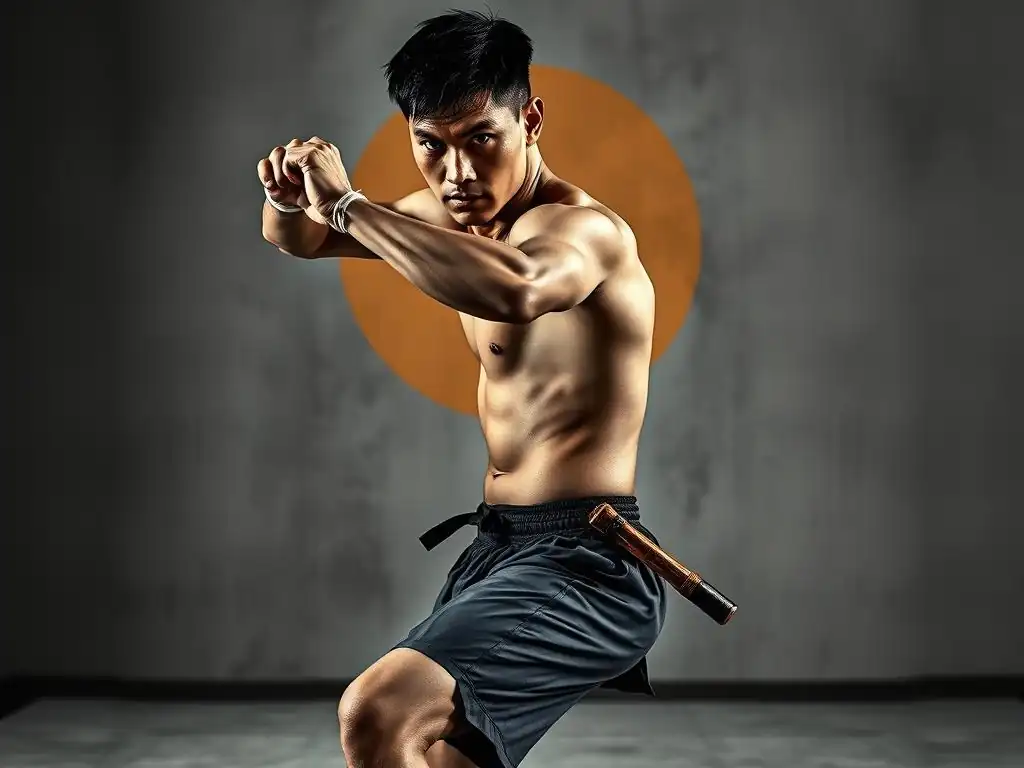
Tip 1: Mastering the Clinch: Building Confidence in Close-Range Combat
The clinch is a fundamental aspect of Muay Thai, involving grappling at close quarters to control an opponent, deliver knees and elbows, and disrupt their balance. Many beginners feel uncomfortable and vulnerable in the clinch due to its intimate nature and the constant struggle for dominance. Mastering the clinch requires significant physical strength, endurance, and technical skill, but perhaps more importantly, it demands confidence and assertiveness. Training specifically for the clinch helps overcome this discomfort.
Dedicated clinch training sessions, which can last 20-30 minutes or more, involve continuous grappling and positional control drills with a partner. These sessions build specific muscular endurance in the arms, shoulders, neck, and core. The constant physical contact and the need to actively fight for position teach practitioners to be comfortable in uncomfortable situations. Success in controlling an opponent in the clinch, even during training, provides a significant boost in confidence regarding close-range exchanges.
Drills for Clinch Strength and Confidence
- Collar Tie & Pull Drills: Partner stands facing you. Grab behind their neck with one or both hands (collar tie). Practice pulling their head down while maintaining your posture. Focus on using your core and back strength, not just your arms. Do this for multiple rounds (e.g., 5 x 2 minutes) with a partner resisting moderately. This builds neck and grip strength crucial for control.
- Clinch Positioning & Control: Work with a partner on securing dominant clinch positions (e.g., double collar tie, single collar tie, side clinch). Practice maintaining control while your partner attempts to break free or reverse the position. This involves constant adjustment, balance, and leverage. Spend dedicated rounds (e.g., 8 x 3 minutes) focusing solely on positional control and defense, building comfort and strategic understanding in close quarters.
- Knee & Elbow Drills in Clinch: Once basic control is established, practice delivering knees to the body and thighs, and short elbows, while maintaining your grip and balance. Your partner can hold pads or simply absorb light contact. This integrates offensive actions into the clinch, adding another layer to confidence as you learn to strike effectively from this position. Practice specific combinations (e.g., pull, knee, knee, elbow) for rounds (e.g., 5 x 3 minutes), increasing intensity as comfort grows.
Tip 2: Developing Explosive Power: Enhancing Self-Efficacy Through Striking
Muay Thai is known for its powerful strikes – devastating kicks, strong punches, sharp elbows, and driving knees. Developing explosive power in these techniques is not only crucial for effectiveness but also significantly enhances a practitioner's confidence. The feeling of generating significant force behind a strike is incredibly empowering. Conditioning specifically aimed at power generation builds the physical capacity for these techniques, leading to greater self-efficacy.
This power development comes from exercises that train fast-twitch muscle fibers and improve kinetic chain efficiency. Plyometric exercises, such as jump squats, box jumps, and medicine ball throws, are integral. Strength training focusing on compound movements like squats, deadlifts, and overhead presses, performed with appropriate weight and speed, also contributes. Integrating these into a routine multiple times a week helps build the foundation for explosive striking power, which is a core element among effective Muay Thai confidence building tips.
Conditioning Exercises for Powerful Strikes and Kicks
- Plyometric Box Jumps: Stand facing a sturdy box or platform. Swing your arms and explode upwards, landing softly on the box. Step or jump back down. Perform sets of 8-12 repetitions for 3-4 sets. This develops explosive power in the legs and hips, vital for powerful kicks and driving knees.
- Medicine Ball Slams: Hold a medicine ball overhead. Explosively slam it down onto the ground in front of you, using your core and lats. Catch the rebound or pick it up and repeat. Do sets of 10-15 repetitions for 3-4 sets. This builds core strength and explosive power applicable to punches and elbows.
- Resistance Band Punching: Attach resistance bands to a sturdy anchor point at waist height. Hold the ends in each hand and get into a fighting stance. Practice punching straight punches (jabs and crosses) against the resistance. The resistance helps build speed and power through the full range of motion. Perform rounds of 1-2 minutes for 3-4 rounds, focusing on explosive extension.
Tip 3: Iron Shin Conditioning: Embracing Discomfort and Building Mental Fortitude
Shin conditioning is perhaps the most notorious aspect of Muay Thai conditioning. It involves gradually desensitizing the shins to impact, making them hardened weapons for delivering powerful kicks and checking incoming kicks. While controversial, traditional methods often involve hitting the shins against hard surfaces or rolling bottles over them. Modern, safer approaches focus on heavy bag kicking and sparring with leg protection to build resilience over time. Regardless of the method, the process requires enduring discomfort and pushing past pain thresholds.
Successfully navigating the process of shin conditioning builds immense mental fortitude. It teaches practitioners to tolerate pain and understand that discomfort is often temporary and part of growth. The ability to absorb or deliver powerful leg kicks without debilitating pain provides a significant psychological advantage and boosts confidence in exchanging techniques. It's a tangible demonstration of physical and mental toughness, reinforcing many Muay Thai confidence building tips.
Safe Shin Conditioning Techniques for Mental Toughness
- Heavy Bag Kicking: This is the most common and recommended method. Repeatedly kicking a heavy bag with proper technique gradually strengthens the bone and surrounding tissues. Start with lighter kicks and shorter rounds (e.g., 5 x 2 minutes), gradually increasing power and duration over weeks and months. Focus on hitting with the lower part of the shin, just above the ankle.
- Partner Leg Checking Drills: With a partner wearing thick leg pads, practice checking their low kicks by raising your shin. Start with light kicks and gradually increase power as your shins become more conditioned. This simulates real impact in a controlled environment. Dedicate specific rounds (e.g., 4 x 3 minutes) to purely defensive leg checking drills.
- Light Sparring with Shin Guards: Engaging in light-to-moderate sparring while wearing good quality shin guards allows for realistic impact without severe injury. This helps the shins adapt to the shock of blocking and delivering kicks against a moving, resisting opponent. Gradually increase the intensity of kicks exchanged over time.
Tip 4: Stamina Training: Overcoming Fatigue and Building Mental Grit
Muay Thai fights are physically exhausting. Maintaining performance, technique, and defensive capabilities throughout multiple rounds requires exceptional cardiovascular and muscular endurance. Stamina training is a cornerstone of Muay Thai conditioning, pushing practitioners to continue performing effectively even when their bodies scream for rest. This relentless pursuit of endurance builds incredible mental grit.
Training methods include long-distance running (e.g., 5-10 km several times a week), skipping rope for extended periods (e.g., 15-30 minutes non-stop), and performing rounds of bag work, pad work, and sparring that simulate or exceed fight duration. Pushing through the burning in the muscles and the gasping for air teaches the mind to override the body's desire to quit. This ability to persevere when fatigued is a direct measure of mental toughness and a key outcome of applying effective Muay Thai confidence building tips.
High-Intensity Interval Training (HIIT) for Muay Thai Endurance
- Round Simulation HIIT: Mimic fight rounds with intense work periods followed by short rest. Example: 3 minutes of high-intensity activity (e.g., bag work, pad work, shadow boxing) followed by 1 minute of rest. Repeat for 5-10 rounds. This trains the body and mind to perform explosively and recover quickly, just like in a fight.
- Sprint Intervals: After a warm-up run, perform short, all-out sprints (e.g., 100-200 meters) followed by a recovery jog or walk for the same distance or duration. Repeat for 8-12 intervals. This builds anaerobic capacity and the ability to push hard even when tired, crucial for bursts of activity during a fight.
- Burpee/Bodyweight Circuit HIIT: Create a circuit of bodyweight exercises like burpees, push-ups, squats, and jumping jacks. Perform each exercise intensely for 30-60 seconds with minimal rest between exercises, then rest for 1-2 minutes after completing a full circuit. Repeat for 3-5 rounds. This builds full-body endurance and mental resilience to fatigue.
Tip 5: Sparring and Pad Work: Applying Skills and Gaining Real-World Experience
Sparring and pad work are where all the conditioning and technical training come together. Pad work involves hitting pads held by a trainer or partner, allowing for high-intensity, combination-based striking practice. Sparring involves simulated fighting with a partner, typically with protective gear and controlled intensity. These activities are vital for applying learned techniques under pressure and reacting to a live opponent.
Successfully executing techniques during pad work provides positive reinforcement and builds confidence in one's offensive capabilities. Sparring, while sometimes intimidating, is perhaps the most direct way to build confidence in applying skills defensively and offensively against resistance. Learning to manage distance, timing, and exchanges in a dynamic environment, even at a light intensity, significantly reduces anxiety about confrontations and reinforces the practical application of Muay Thai confidence building tips.
Sparring Strategies for Confidence Development
- Focus on Specific Goals: Instead of trying to win the spar, focus on mastering one or two techniques or defensive strategies per session. For example, focus only on checking leg kicks, or only on landing the jab effectively. Achieving small, specific goals builds confidence without the pressure of 'winning' the round.
- Start Light and Increase Gradually: Begin sparring at a very light, technical pace, often called "flow rolling" or "technical sparring." Focus on movement, defense, and timing without power. Only gradually increase intensity as comfort levels rise and skills improve. This reduces the fear factor and allows for learning without excessive punishment.
- Spar with Different Partners: Training with partners of varying skill levels, sizes, and styles helps develop adaptability and reduces dependence on familiarity. Successfully navigating exchanges with different opponents builds a more robust and versatile confidence in one's abilities. Aim to spar with a variety of partners regularly.
The Role of Mindfulness in Muay Thai Conditioning for Confidence
Integrating Mindfulness Techniques into Your Training Regimen
Mindfulness, the practice of being present and fully engaged in the current moment, is increasingly recognized for its benefits in athletic performance and mental well-being. In Muay Thai conditioning, integrating mindfulness can enhance focus, improve body awareness, and help manage the physical and mental discomfort inherent in training. Simple practices like focusing on the breath during strenuous exercise or paying close attention to the sensations in your body during stretching can deepen the connection between mind and body.
During a long run, for instance, instead of letting the mind wander to discomfort, focus on the rhythm of your steps and breath. While hitting the heavy bag, concentrate fully on the impact, the snap of the technique, and the engagement of your muscles. This present-moment awareness reduces distractions and anxieties about the past or future, allowing for more effective and focused training. This mental discipline complements the physical conditioning, contributing to a more holistic approach to Muay Thai confidence building tips.
Using Meditation to Enhance Focus and Reduce Fear
Meditation, a formal practice of mindfulness, can be a powerful tool for Muay Thai practitioners seeking to enhance focus and reduce fear, both inside and outside the gym. Regular meditation practice (even just 5-10 minutes daily) can improve concentration, crucial for executing complex techniques and reacting quickly during sparring or a fight. It trains the mind to stay focused despite internal chatter or external distractions.
Furthermore, meditation can help manage fear and anxiety. By observing fearful thoughts without judgment, practitioners can learn to detach from them rather than being consumed by them. This is particularly valuable before sparring or a fight, where nerves can be debilitating. Learning to calm the nervous system and maintain mental clarity under pressure is a direct benefit of meditation, significantly boosting confidence when facing challenging situations. This mental preparation is as vital as physical conditioning for comprehensive Muay Thai confidence building tips.
Nutrition and Recovery: Fueling Confidence from the Inside Out
Optimizing Your Diet for Peak Performance and Mental Clarity
Proper nutrition is the fuel that powers intense Muay Thai conditioning. A diet rich in lean protein, complex carbohydrates, healthy fats, vitamins, and minerals supports muscle repair, energy levels, and overall physical health. Consuming adequate protein (e.g., 1.5-2.0 grams per kilogram of body weight per day) is essential for muscle recovery and growth. Complex carbs (like brown rice, oats, and sweet potatoes) provide sustained energy for long training sessions. Healthy fats (from avocados, nuts, and seeds) support hormone production and brain function.
Beyond physical performance, nutrition also profoundly impacts mental clarity and mood. Avoiding processed foods, excessive sugar, and unhealthy fats can reduce inflammation and energy crashes, promoting stable mood and improved focus. Staying well-hydrated is also critical for cognitive function and preventing fatigue. Feeling physically strong, energized, and mentally sharp due to optimal nutrition directly contributes to a positive self-image and confidence, reinforcing the physical benefits of Muay Thai confidence building tips.
The Importance of Rest and Recovery for Confidence Building
Training breaks down the body; recovery is when it rebuilds stronger. Adequate sleep (aiming for 7-9 hours per night) is crucial for muscle repair, hormone regulation, and cognitive restoration. During deep sleep, the body releases growth hormone, which aids in tissue repair. Lack of sleep impairs physical performance, slows reaction time, and negatively affects mood and motivation.
Active recovery methods like stretching, foam rolling, and light movement (e.g., a gentle walk) improve circulation and reduce muscle soreness. Taking scheduled rest days allows the body and mind to recover fully, preventing overtraining and burnout. Consistently prioritizing recovery ensures that you can approach each training session feeling refreshed, energized, and ready to perform. This ability to consistently engage effectively in training, rather than feeling constantly drained, is vital for maintaining motivation and building sustained confidence through Muay Thai confidence building tips.
Overcoming Mental Blocks: Building Confidence After Setbacks
Reframing Failure as an Opportunity for Growth
Setbacks are inevitable in any challenging pursuit, including Muay Thai. Missing a technique, getting dropped during sparring, or losing a competition can be discouraging and challenge confidence. However, how these setbacks are perceived is critical. Viewing failure not as a reflection of inherent inability but as a temporary outcome and a valuable learning opportunity is essential for long-term confidence building.
Analyzing what went wrong in a specific instance – perhaps a defensive lapse or a technical error – allows for targeted improvement. A fighter who loses a close decision might identify a need to improve their cardio in the later rounds or add more volume to their strikes. This analytical approach shifts the focus from the negative outcome itself to the process of learning and improving. Embracing this perspective is a powerful mental strategy that turns potential confidence-killers into stepping stones, aligning with the spirit of Muay Thai confidence building tips.
Developing a Growth Mindset in Muay Thai Training
A growth mindset, the belief that abilities can be developed through dedication and hard work, is fundamental to building confidence in Muay Thai. This contrasts with a fixed mindset, which assumes abilities are static. In a growth mindset, challenges are seen as opportunities to learn, effort is viewed as the path to mastery, and setbacks are seen as temporary obstacles.
Applying a growth mindset to Muay Thai conditioning means understanding that strength, endurance, and skill are not fixed traits but are built through consistent, focused effort. When a drill feels impossible, a growth mindset prompts the thought, "I can't do this yet," rather than "I can't do this." Celebrating small improvements, seeking feedback, and persisting through difficulty are all components of this mindset. This belief in one's capacity for development is perhaps the most potent factor in building unshakable confidence through the demanding journey of Muay Thai training and its many Muay Thai confidence building tips.
Conclusion: The Transformative Power of Muay Thai Conditioning on Confidence
Beyond the Ring: Applying Muay Thai Confidence to Everyday Life
The confidence forged through demanding Muay Thai conditioning is not confined to the gym or the ring. The mental fortitude, discipline, and resilience developed through pushing physical and mental limits translate powerfully into everyday life. Facing a difficult task at work, dealing with personal challenges, or pursuing ambitious goals all require perseverance, focus, and the belief in one's ability to overcome obstacles – qualities honed through consistent training.
The tangible progress made in strength, endurance, and skill provides a concrete foundation for self-belief that extends beyond physical capabilities. Knowing you can endure a grueling conditioning session or successfully execute a challenging technique instills a deep-seated confidence in your capacity to handle difficulty and achieve goals in any domain. The lessons learned through Muay Thai conditioning about perseverance, discipline, and managing discomfort are universally applicable, making the journey valuable far beyond combat.
Continuing Your Journey Towards Unshakable Confidence Through Muay Thai
Building unshakable confidence through Muay Thai conditioning is an ongoing journey, not a destination. It requires consistent effort, a willingness to be challenged, and a commitment to both physical and mental growth. By embracing the core principles of conditioning, focusing on technical mastery, integrating mindfulness, prioritizing recovery, and adopting a growth mindset, practitioners can continuously deepen their self-belief.
The process of setting and achieving training goals, overcoming physical and mental hurdles, and witnessing tangible improvement provides a continuous source of confidence. As you continue to train, push your limits safely and intelligently, and learn from every experience, you will not only become a more capable martial artist but also a more confident, resilient, and empowered individual in all aspects of your life. The path of Muay Thai conditioning offers a powerful roadmap for developing true, lasting confidence.
Frequently Asked Questions
What specific aspects of Muay Thai training contribute most to building confidence?
Muay Thai training fosters confidence by building physical resilience and mental fortitude. The combination of intense conditioning and technical skill development cultivates a strong sense of self-efficacy.
How does the conditioning in Muay Thai differ from other types of fitness training in its impact on confidence?
Unlike general fitness, Muay Thai conditioning emphasizes functional strength and combat readiness. This practical application translates into real-world self-assurance, knowing you can defend yourself.
Can individuals with no prior martial arts experience benefit from Muay Thai for confidence building?
Absolutely! Muay Thai's structured curriculum allows beginners to progress at their own pace, gradually developing skills and confidence. Consistent training builds fundamental techniques and a strong foundation.
How does sparring in Muay Thai contribute to overcoming fear and building confidence?
Sparring provides a safe and controlled environment to test skills and overcome fear. It teaches you to react under pressure, building resilience and confidence in your abilities.
Beyond physical skills, what are some mental benefits of Muay Thai that contribute to increased confidence?
Muay Thai promotes discipline, focus, and mental toughness. It teaches you to set goals, overcome challenges, and cultivate a positive self-image, leading to overall confidence.
Final Reflection: Forging Confidence in the Crucible
The journey through Muay Thai conditioning, as we've explored, isn't just about physical prowess; it's about cultivating something far more profound. The true strength lies not just in the punches and kicks, but in the unwavering confidence forged in the fires of discipline and perseverance. This confidence, born from pushing beyond perceived limits, translates directly into everyday life, empowering individuals to face challenges with newfound resilience.
Muay Thai's impact extends far beyond the ring, shaping individuals and communities alike. The discipline and mental fortitude instilled through training are invaluable assets in navigating the complexities of modern life. Confidence comes not from always being right, but from not fearing to be wrong.
This quote encapsulates the essence of Muay Thai's transformative power – embracing vulnerability and learning from setbacks to emerge stronger and more self-assured.
Now, consider how you can apply these lessons in your own life. Embrace the challenges that push you beyond your comfort zone. Cultivate the discipline to pursue your goals with unwavering dedication. Remember the resilience you've witnessed, or perhaps even experienced, through Muay Thai conditioning. Let the spirit of the warrior guide you, not in aggression, but in the unwavering belief in your own potential. Go forth and build your unshakable confidence, one step, one strike, one breath at a time.
Embrace the Power Within: Start Your Muay Thai Journey Now!
Thank you for exploring the path to unshakable confidence with us. We hope you’ve gained valuable insights into how Muay Thai conditioning can transform not only your physical fitness but also your mental fortitude. Ready to take the next step?
- Commit to your first Muay Thai conditioning workout this week— even 20 minutes can make a difference!
- Share this article with a friend who could also benefit from building confidence through martial arts.
- Explore our other articles on Martial Arts Mastery to uncover more techniques and training strategies.
What's one small, actionable step you'll take today to unlock your inner strength and confidence?