
The Cultural Significance of Muay Thai Gambling: A Risky Historical Love Affair

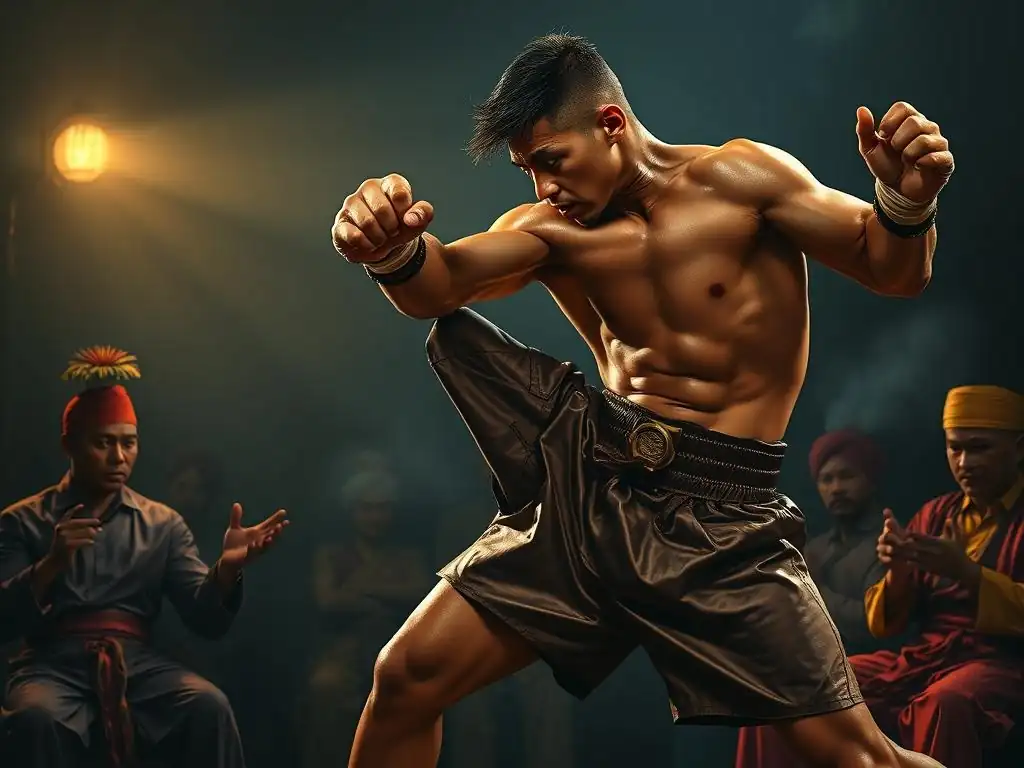
Welcome to Martial Arts Mastery, your gateway to the profound world of combat traditions!
Delve into the captivating, and sometimes controversial, history of Muay Thai gambling, a practice deeply intertwined with the cultural fabric of this powerful martial art. Discover how this risky historical love affair has shaped the sport we know today, and prepare to unravel the complexities that lie beneath the surface of the ring. Are you ready to explore the fascinating connections between tradition, risk, and the ancient art of eight limbs?
- Introduction: Muay Thai, Tradition, and the Allure of Wagering
- A Brief History of Muay Thai: From Battlefield to Betting Ring
- The Deep Roots of Gambling in Thai Culture
- Muay Thai Gambling History: A Symbiotic Relationship
- The Cultural Significance of Muay Thai Gambling
- The Risks and Controversies Surrounding Muay Thai Gambling
- Muay Thai Gambling Laws and Regulations in Thailand
- The Future of Muay Thai Gambling: Preservation or Reform?
- Conclusion: A Complex Legacy of Muay Thai and Wagering
- Frequently Asked Questions
- Final Reflection: Embracing the Complex Legacy of Muay Thai Gambling
- Ignite Your Passion: Step into the World of Muay Thai!
Introduction: Muay Thai, Tradition, and the Allure of Wagering
Muay Thai, often referred to as the "Art of Eight Limbs," is Thailand's national sport and a martial art steeped in centuries of history and tradition. Beyond its physical demands and strategic complexity, Muay Thai is deeply interwoven with Thai culture, serving as a symbol of national pride and individual strength.
However, one aspect of this rich tradition that often sparks debate is its profound connection to gambling. While perhaps controversial to outsiders, wagering on Muay Thai bouts has been an integral part of the sport's fabric for generations, shaping its evolution, funding its infrastructure, and influencing the lives of fighters.
Understanding the cultural significance of Muay Thai requires acknowledging this symbiotic, albeit sometimes risky, relationship with gambling. It's a dynamic that has fueled both the sport's popularity and its inherent challenges, from match-fixing scandals to the economic pressures faced by athletes. Exploring the Muay Thai gambling history reveals not just a simple act of placing bets, but a complex cultural phenomenon tied to social interaction, economic realities, and deeply ingrained Thai beliefs. This article delves into this intricate history, examining how gambling became intertwined with Muay Thai and the cultural implications of this enduring practice.
A Brief History of Muay Thai: From Battlefield to Betting Ring
Muay Thai's origins are rooted in ancient Siamese battlefield techniques, evolving from practical combat into a formalized martial art over centuries. Early forms were less about sport and more about survival, utilized by soldiers in conflicts. Over time, these techniques were refined and practiced outside of warfare, becoming a form of physical training and public performance. This transformation laid the groundwork for the sport we recognize today, moving it from the chaotic battlefield to more structured environments.
The transition from a military discipline to a public spectacle paved the way for the development of rules and the eventual introduction of competitive bouts. As these contests became more popular, they naturally attracted attention and, inevitably, informal wagering among spectators. This early, organic integration of betting was a precursor to the more formalized gambling that would later become a cornerstone of the sport's economic model and cultural identity.
Early Forms of Muay Thai and Royal Patronage
Early Muay Thai, or Muay Boran (ancient boxing), was a crucial part of Siamese military training. Soldiers and royalty alike practiced it, recognizing its effectiveness in close-quarters combat. Historical accounts, such as those from the Ayutthaya period (14th to 18th centuries), describe fighters like Nai Khanom Tom, celebrated for his prowess. Royal patronage played a significant role, elevating the status of skilled fighters and promoting the art. Kings often had elite guards trained in Muay Thai, and matches were sometimes held within palace grounds or during festivals.
This royal endorsement lent significant prestige to Muay Thai, transforming it from purely a military necessity into a respected cultural activity. Matches, even in these early stages, drew crowds, and it's plausible that informal wagers were placed among attendees, mirroring common human behavior when observing competitive events. While not yet the institutionalized system seen later, the seeds of public interest and potential wagering were sown during this era of royal support and public demonstration.
The Evolution of Muay Thai Rules and the Rise of Stadiums
The late 19th and early 20th centuries saw significant changes in Muay Thai, moving towards a more standardized sport. Under King Rama VI (early 20th century), rules were formalized, rounds and time limits were introduced, and gloves, initially used for training, became mandatory for competition bouts to reduce severe injury. The construction of dedicated stadiums, like Lumpinee and Rajadamnern Stadiums in Bangkok (established in the mid-20th century), marked a pivotal moment. These venues provided a consistent location for fights, a structured environment, and the capacity to host larger crowds.
The formalization of rules and the creation of dedicated arenas professionalized Muay Thai. With regular schedules and fixed locations, the sport became a predictable and accessible event for the public. This structure was ideal for the growth of organized gambling. Spectators could reliably attend matches, study fighters, and place bets, turning the stadium into a marketplace for wagering alongside the sporting contest. The rise of stadiums was intrinsically linked to the burgeoning Muay Thai gambling culture.
The Integration of Gambling into Muay Thai Culture
As stadiums became the epicenters of Muay Thai, gambling transitioned from informal side bets to a central, highly organized activity. By the mid-20th century, wagering was not just present; it was integral to the stadium experience. Bookmakers operated openly, and complex hand signals developed among gamblers to communicate odds across the arena floor. This integration was not accidental; the revenue generated by gambling became a vital part of the sport's ecosystem, funding promotions, paying fighters, and supporting the stadiums themselves.
The deep integration of gambling into Muay Thai culture reflects its historical context. In a society where informal economies and social networks are strong, and where "sanook" (fun) is highly valued, the excitement and social interaction of betting fit naturally. This period solidified the symbiotic relationship: gambling needed the spectacle and unpredictability of Muay Thai, and Muay Thai, in turn, relied heavily on the economic engine and audience engagement provided by gambling. This established the foundation of the Muay Thai gambling history as we understand it today.
The Deep Roots of Gambling in Thai Culture
Gambling has a long and complex history in Thailand, extending far beyond the confines of the boxing ring. While officially restricted, various forms of wagering have permeated Thai society for centuries, from traditional card games and cockfighting to lotteries and sports betting. This prevalence suggests that gambling is not merely an imported vice but is deeply interwoven with Thai social customs, beliefs, and the pursuit of enjoyment. Understanding this broader context is crucial to appreciating why gambling became such an intrinsic part of Muay Thai.
The cultural acceptance, or at least tolerance, of gambling stems from several factors, including historical traditions, social dynamics, and philosophical concepts. It's often viewed through a lens of seeking luck, testing fate, and engaging in social interaction. This cultural backdrop provided fertile ground for the growth of Muay Thai betting, making it a natural extension of existing practices rather than an alien imposition.
Thai Beliefs and the Concept of "Sanook" (Fun)
A key aspect of Thai culture is the concept of "sanook," which translates roughly to fun, enjoyment, or playfulness. Thais often seek to inject sanook into various aspects of life, transforming routine activities into engaging experiences. Gambling, with its inherent excitement, risk, and potential for reward, aligns strongly with the pursuit of sanook. It provides a thrill, a social gathering point, and the possibility of a sudden windfall, all contributing to an atmosphere of lively engagement.
This cultural value helps explain the widespread appeal of gambling activities. It's not solely about financial gain, although that is certainly a motivator; it's also about the shared experience, the tension, the laughter, and the camaraderie that often accompany wagering. In the context of Muay Thai, betting adds another layer of sanook to the already exciting spectacle, intensifying the emotional investment of spectators and making the outcome of each fight personally significant.
In many Thai communities, gambling is not just an individual pursuit but a deeply social activity. Informal gambling circles often form during festivals, gatherings, or simply among friends. These activities serve as a way to socialize, strengthen bonds, and share experiences. The act of betting together, discussing odds, and reacting to outcomes creates a sense of shared participation and community.
This social dimension is highly visible in Muay Thai stadiums. The betting area is a vibrant, noisy hub of activity where individuals interact constantly, using hand signals and verbal cues to place bets and negotiate odds. It's a dynamic social ecosystem within the larger event. This highlights how Muay Thai gambling history is also a history of social interaction, with the shared risk and excitement fostering connections among attendees and reinforcing the communal aspect of the sport.
The Historical Prevalence of Gambling in Thailand
Historically, various forms of gambling were openly practiced in Thailand, and even sanctioned by the state at different times as a source of revenue. While laws have fluctuated, a general tolerance for certain types of gambling, particularly those tied to tradition or social events, has persisted. Lotteries have a long history, and informal betting on animal fights, card games, and other contests has been commonplace across the country for centuries.
This long history of gambling acceptance meant that when Muay Thai began to evolve into a popular public sport, the infrastructure and cultural readiness for integrating betting were already present. It was a natural fit within the existing landscape of Thai leisure and social activities. The historical prevalence of gambling provided the cultural foundation upon which the specific phenomenon of Muay Thai gambling could flourish and become the deeply ingrained tradition it is today.
Muay Thai Gambling History: A Symbiotic Relationship

The relationship between Muay Thai and gambling is more than just parallel histories; it's a story of mutual dependence and influence. Gambling didn't just happen at Muay Thai fights; it became an intrinsic part of the event's structure and economy. This symbiotic relationship has shaped the sport's development, funding mechanisms, and even the fighting styles seen in the ring.
For decades, gambling revenue has been a primary driver of the professional Muay Thai circuit. It provides the financial incentive for promoters to stage events, for stadium owners to maintain venues, and critically, for fighters to dedicate their lives to the demanding sport. Without the significant sums wagered, the professional structure of Muay Thai as it exists today might not have been sustainable.
The Origins of Muay Thai Betting
While informal bets likely occurred from the sport's earliest days, organized Muay Thai betting became prominent with the rise of dedicated stadiums in the mid-20th century. These venues provided a centralized location and regular schedule, making it easier for bookmakers to operate and for gamblers to congregate. The post-World War II era, in particular, saw the formalization of stadium gambling.
Bookmakers, known as puyan, became key figures, setting odds based on fighter reputations, training camps, and perceived form. The rapid, complex system of hand signals used in stadiums emerged during this period, allowing large numbers of people to place bets quickly and efficiently in a noisy environment. This period solidified the structure and practices that define modern Muay Thai gambling history.
The Role of Bookmakers and Gambling Syndicates
Bookmakers and, at times, larger gambling syndicates have played a pivotal role in the Muay Thai ecosystem. They not only facilitate the betting itself but also significantly influence the odds, which in turn can impact fighter strategy and even match selection. Their operations, though often existing in a legal grey area, have historically provided much of the liquidity that flows through the sport's professional ranks.
These syndicates, sometimes operating with considerable financial power, can move large sums of money, affecting the betting lines and creating opportunities for profit. While they provide a necessary service for gamblers, their involvement also introduces risks, including potential influence over fight outcomes, which remains a persistent concern in the sport.
The Impact of Gambling on Muay Thai Fighter Lifestyles and Training
Gambling has a direct and significant impact on the lives of Muay Thai fighters. For many, their income is not solely from their fight purse but is heavily tied to the outcome of the betting. Managers and trainers often place significant bets on their fighters, and a portion of these winnings may be shared with the fighter. This creates immense pressure on fighters to win, as their financial well-being and future opportunities are often linked to their performance in the betting market.
The influence of gambling can also be seen in training and fight strategy. Fighters might be encouraged to adopt styles or tactics perceived as more likely to win favor with gamblers or exploit perceived weaknesses that could influence odds. The constant pressure to perform well, not just for victory but for betting outcomes, adds a unique psychological burden to the already rigorous demands of the sport. This connection is a critical, though often challenging, part of the Muay Thai gambling history.
The Cultural Significance of Muay Thai Gambling
Beyond its economic function, Muay Thai gambling holds significant cultural meaning. It's more than just wagering; it's a performance, a ritual, and a reflection of certain Thai values and social dynamics. The atmosphere in a Muay Thai stadium during a major fight is electric, fueled as much by the anticipation of the betting outcome as by the action in the ring.
This cultural significance is multifaceted, encompassing displays of status, psychological engagement, and the reinforcement of societal norms around risk and reward. It provides a unique window into how chance, skill, and social standing intersect within a highly traditional context.
Gambling as a Ritual and a Display of Status
Attending and betting on Muay Thai, particularly in major stadiums, can be seen as a form of ritualized participation in a national tradition. The specific hand signals, the chants, the movements of the crowds – these are all part of a well-established ritual. For some, particularly those betting larger sums, it can also be a display of financial status or confidence. The ability to participate actively and visibly in the betting market signifies knowledge, connections, and economic capacity.
The act of placing bets, especially at the ringside, is a performance in itself. It's a public declaration of one's assessment of the fight and a willingness to back that assessment with money. This blend of ritual participation and status display makes Muay Thai gambling a culturally embedded practice rather than just a transaction.
The Psychological Aspects: Adrenaline, Risk, and Reward
The psychological thrill of gambling is a powerful driver of its cultural significance in Muay Thai. The intense action in the ring, combined with the financial risk and the potential for immediate reward, creates a potent cocktail of adrenaline and excitement. This shared emotional experience binds the spectators and gamblers together.
The inherent unpredictability of combat sports amplifies this effect. A single strike can change the outcome of a fight and swing the betting odds dramatically. This constant possibility of sudden change keeps gamblers on edge, providing a unique form of entertainment and engagement that purely observational spectatorship might lack. The pursuit of this psychological rush is a core component of the enduring appeal of Muay Thai gambling.
Muay Thai Gambling and Thai Societal Values
The integration of gambling into Muay Thai also reflects certain Thai societal values, such as the concept of merit (making good fortune) and the acceptance of fate or chance. While hard work is valued, there is also a cultural acknowledgment of the role of luck and the possibility of sudden fortune. Gambling taps into this, offering a direct engagement with chance.
Furthermore, the social hierarchy and network-based nature of Thai society can be reflected in the betting environment, where connections and reputation can sometimes play a role. The ability to navigate this complex social and financial landscape within the stadium mirrors broader societal dynamics, making Muay Thai gambling a microcosm of certain aspects of Thai social and economic life. This connection adds depth to the exploration of Muay Thai gambling history.
The Risks and Controversies Surrounding Muay Thai Gambling
Despite its cultural significance and economic importance, Muay Thai gambling is fraught with risks and controversies. These issues are not minor footnotes but significant challenges that threaten the integrity of the sport and the well-being of those involved. The large sums of money changing hands create powerful incentives for corruption and exploitation.
Addressing these risks is crucial for the sustainable future of Muay Thai. The debates surrounding match-fixing, the economic pressures on fighters, and the ethical implications of promoting gambling alongside a martial art are ongoing and complex.
Match Fixing and Corruption
Perhaps the most damaging controversy is the persistent issue of match-fixing. The large sums of money wagered, sometimes exceeding the combined purses of the fighters, create a strong temptation for individuals or groups to manipulate fight outcomes. This can involve bribing fighters, referees, or even trainers. Reports of suspicious fights or sudden changes in betting odds before a bout are not uncommon.
Match-fixing fundamentally undermines the legitimacy of the sport, eroding public trust and devaluing the genuine skill and effort of honest fighters. It is a major threat that stakeholders constantly grapple with, attempting to implement measures to detect and prevent it, though the clandestine nature of such activities makes it incredibly difficult to eradicate entirely.
The Economic Impact on Fighters and Their Families
While some fighters benefit from gambling winnings shared by their camps, many face significant economic vulnerability tied to betting outcomes. Purses, especially for younger or less famous fighters, can be relatively low. The pressure to win, knowing that substantial bets are placed on them, adds immense stress. Furthermore, if a fighter is perceived as "difficult" to bet on (e.g., inconsistent performance), they may struggle to get fights.
The economic model, heavily reliant on gambling revenue flowing through various channels, doesn't always translate into stable or sufficient income for the fighters themselves. This can lead to exploitation, with fighters taking on too many bouts, fighting injured, or feeling pressured into compromising situations just to make a living.
Ethical Debates: Exploitation vs. Tradition
The widespread practice of Muay Thai gambling sparks significant ethical debates. Critics argue that it exploits vulnerable fighters, particularly those from impoverished backgrounds, by placing their livelihoods and physical well-being at the mercy of betting markets. They contend that the pursuit of gambling profits overshadows the welfare of the athletes and the integrity of the martial art.
Conversely, proponents argue that gambling is a deeply ingrained tradition that provides essential funding for the sport's infrastructure and creates the excitement that draws crowds. They might argue that it's a necessary evil or a cultural reality that must be managed rather than eliminated entirely. This tension between preserving tradition and addressing exploitation is central to the ongoing discussion about Muay Thai gambling history and its future.
Muay Thai Gambling Laws and Regulations in Thailand

Thailand has strict laws against most forms of gambling, yet Muay Thai betting operates in a complex legal environment. While technically illegal outside of authorized venues like horse racing tracks and the state lottery, betting within the major Muay Thai stadiums has historically been tolerated to varying degrees, often operating in a de facto grey area.
This ambiguous legal status creates challenges for both enforcement and regulation. It allows organized betting to flourish but makes it difficult to police effectively or protect participants from its negative consequences.
The Legal Status of Muay Thai Betting
Under the Gambling Act of 1935, most forms of gambling in Thailand are prohibited. However, specific exceptions exist, and enforcement varies widely depending on the type of gambling and location. Betting within the major, officially sanctioned Muay Thai stadiums in Bangkok has operated for decades with a level of tacit acceptance, though its strict legality remains questionable to some degree.
This creates a paradoxical situation where a major economic driver of the sport exists in a legally precarious state. While arrests related to illegal gambling rings outside the stadiums are common, the open betting within the stadium walls has largely been permitted, reflecting its deep cultural and economic entanglement with the sport.
Enforcement Challenges
Enforcing strict anti-gambling laws within the context of Muay Thai stadiums presents significant challenges. The sheer volume of participants, the rapid-fire nature of the betting using hand signals, and the deeply entrenched nature of the practice make it incredibly difficult to police effectively. Any attempt at strict enforcement could potentially cripple the professional sport's funding model.
Furthermore, corruption within enforcement agencies can also be a factor, allowing illegal operations to continue. The complex network of bookmakers, agents, and gamblers makes it hard to disrupt the system without addressing the underlying demand and cultural acceptance.
Attempts to Regulate Muay Thai Gambling
There have been various discussions and attempts over the years to either legalize and regulate Muay Thai gambling or to crack down on it more effectively. Proposals have included establishing licensed betting operations, implementing stricter oversight within stadiums, and increasing penalties for illegal activities outside the sanctioned environment.
However, progress has been slow due to the complexity of the issue, competing interests, and the difficulty of balancing cultural tradition with legal enforcement. The debate continues on how best to manage this deeply ingrained practice to mitigate its risks while preserving the sport it helps fund.
The Future of Muay Thai Gambling: Preservation or Reform?
The future of Muay Thai gambling history is uncertain. The practice faces increasing scrutiny due to ethical concerns, the risks of corruption, and evolving societal attitudes towards gambling. Yet, it remains a vital economic engine for the sport. This creates a tension between the desire to preserve tradition and the need for reform to ensure the sport's integrity and the welfare of its participants.
Finding a sustainable path forward requires acknowledging the historical context and cultural significance while implementing measures to address the significant downsides. This might involve exploring alternative funding models, implementing stricter regulations, or leveraging technology.
Balancing Tradition with Modern Concerns
One of the central challenges is finding a balance between respecting the historical and cultural tradition of Muay Thai gambling and addressing the very real modern concerns about exploitation, corruption, and addiction. Simply banning it outright is often seen as impractical and potentially detrimental to the sport, driving the practice underground.
Instead, discussions often focus on how to regulate it more effectively. This could involve creating transparent, licensed betting platforms, ensuring a larger percentage of gambling revenue directly benefits fighters and gyms, and implementing robust anti-match-fixing protocols. The goal is to preserve the positive aspects (excitement, funding) while mitigating the negative ones.
Alternative Revenue Streams for Fighters
Reducing the reliance on gambling revenue is crucial for the long-term stability and ethical standing of Muay Thai. Exploring alternative revenue streams for fighters and gyms is a key part of this. This could include increasing official fight purses, developing sponsorship opportunities, promoting merchandise, and leveraging media rights more effectively.
Diversifying income sources would lessen the pressure on fighters to rely on betting outcomes and could provide a more stable and predictable income. This shift would represent a significant evolution in the economic model that has defined Muay Thai for decades, moving away from a system heavily subsidized by wagering.
The Role of Technology and Online Betting Platforms
The rise of online betting platforms presents both opportunities and challenges for the future of Muay Thai gambling. Online platforms can offer convenience and potentially be easier to regulate and monitor than cash-based stadium betting. They could also open up Muay Thai betting to a global audience, potentially increasing overall revenue.
However, online platforms also introduce new risks, such as increased accessibility to vulnerable individuals and challenges related to international regulation and enforcement. Integrating technology effectively requires careful consideration of how to maintain the cultural essence of stadium betting while ensuring transparency and security. The evolution of online betting will undoubtedly play a significant role in shaping the future of Muay Thai gambling history.
Conclusion: A Complex Legacy of Muay Thai and Wagering
Muay Thai gambling history is a complex tapestry woven from tradition, culture, economics, and risk. From informal wagers in ancient times to the highly organized betting rings of modern stadiums, gambling has been an inseparable companion to the evolution of Thailand's national sport. It reflects deep-seated Thai cultural values, provides a unique form of social interaction and excitement, and has historically served as a crucial, albeit controversial, funding mechanism for the sport.
However, the legacy is far from simple. The practice is marred by significant risks, including match-fixing, fighter exploitation, and ethical dilemmas. These challenges necessitate ongoing efforts to reform and regulate the system to protect the integrity of Muay Thai and the well-being of its athletes.
The Enduring Appeal of Muay Thai Gambling
Despite the controversies, the appeal of Muay Thai gambling endures. For many, it is an essential part of the stadium experience, adding layers of excitement, personal investment, and social engagement. The blend of athletic prowess, strategic combat, and the unpredictable element of chance creates a compelling spectacle that continues to draw crowds and fuel wagering.
This enduring appeal ensures that gambling will likely remain connected to Muay Thai in some form for the foreseeable future. The challenge lies in channeling this appeal in a way that benefits the sport and its participants while minimizing harm.
The Need for Responsible Gambling Practices
Promoting responsible gambling practices is paramount. This includes raising awareness about the risks of addiction, implementing measures to prevent underage betting, and providing support for those who develop problems. Within the Muay Thai context, it also means ensuring that the financial pressures on fighters do not lead to desperate or unethical decisions.
Responsible practices require collaboration between regulators, stadium operators, promoters, and the betting community itself. It's about creating an environment where the excitement of wagering doesn't come at the cost of individual well-being or the sport's integrity.
Preserving the Integrity of Muay Thai
Ultimately, the future direction of Muay Thai gambling must prioritize preserving the integrity of the martial art itself. Muay Thai is a revered tradition built on discipline, skill, and courage. Any practice that undermines these core values, such as match-fixing or exploitation, must be addressed decisively.
By acknowledging its complex Muay Thai gambling history, confronting its challenges head-on, and implementing thoughtful reforms, the sport can hopefully navigate this risky love affair towards a future where tradition and integrity can coexist. The goal should be to ensure that the "Art of Eight Limbs" continues to thrive, celebrated for its athletic excellence and cultural depth, rather than being overshadowed by the controversies of the betting ring.
Frequently Asked Questions
What is the relationship between Muay Thai and gambling?
Muay Thai and gambling have a long and intertwined history in Thailand. Gambling on fights is a deeply embedded cultural tradition, often seen as a part of the excitement and ritual surrounding the sport.
How did gambling become so prevalent in Muay Thai?
Gambling became prevalent gradually over time, evolving alongside the sport itself. It's rooted in Thai social culture and the desire for community entertainment and financial gain, becoming an integral part of the spectator experience.
Is gambling on Muay Thai legal in Thailand?
The legality of gambling on Muay Thai is complex and has varied over time. While generally accepted, there are regulations and sometimes crackdowns, particularly on illegal gambling dens and concerns about match-fixing.
What are some of the ethical concerns surrounding Muay Thai gambling?
Ethical concerns include the potential for match-fixing, exploitation of fighters, and the negative impacts of gambling addiction on individuals and families. These issues are often debated within the Muay Thai community.
How does Muay Thai gambling impact the fighters themselves?
The impact is mixed. While it can lead to higher purses and sponsorships, it also puts immense pressure on fighters to win, potentially leading to dangerous weight-cutting practices and susceptibility to corruption and manipulation.
Final Reflection: Embracing the Complex Legacy of Muay Thai Gambling
The exploration of Muay Thai gambling history reveals a deeply intertwined relationship between tradition, risk, and cultural identity. This intricate dance between sport and chance continues to shape the landscape of Muay Thai today, influencing everything from fighter motivation to the overall spectacle of the sport. Understanding this historical context is crucial for navigating the ethical considerations and potential pitfalls that surround Muay Thai gambling in the modern era.
The enduring allure of Muay Thai gambling speaks volumes about its cultural significance. It's more than just placing bets; it's about participating in a ritual, connecting with history, and feeling a part of something larger than oneself. My own research into this area has highlighted the passionate, almost spiritual connection many Thais feel towards Muay Thai and the gambling that often accompanies it. Muay Thai is not just a sport; it's a way of life, a reflection of our values, and gambling is often seen as an integral part of that experience.
This quote, from a seasoned Muay Thai enthusiast, encapsulates the complex and often contradictory feelings surrounding this practice.
As we conclude this journey through the history of Muay Thai gambling, I invite you to reflect on the lessons learned. Consider the delicate balance between tradition and progress, the allure of risk and the importance of responsible engagement. Let us strive to appreciate the rich cultural tapestry of Muay Thai while advocating for a future where its traditions are respected and its participants are protected. Let's ensure that the legacy of Muay Thai gambling is one of informed appreciation and responsible participation, rather than exploitation and regret.
Ignite Your Passion: Step into the World of Muay Thai!
Thank you for delving into the captivating world of Muay Thai and its complex relationship with gambling. Now that you understand the historical and cultural context, it's time to take action and deepen your appreciation for this ancient martial art.
- Embrace the Tradition: Attend a Local Muay Thai Fight.: Witness the energy firsthand and observe the cultural rituals that surround the sport. This is the most direct way to connect with the heart of Muay Thai.
- Explore Further: Research a renowned Muay Thai Master. Discover their unique style and contributions to the sport's legacy.
- Spread the Knowledge: Share this article with friends and family who appreciate martial arts or are curious about different cultures!
What aspects of Muay Thai's cultural significance resonate most with you, and how will you use that newfound understanding to further appreciate martial arts traditions?