
Jitae Poomsae: A Masterclass in Movements, Meaning, and Execution

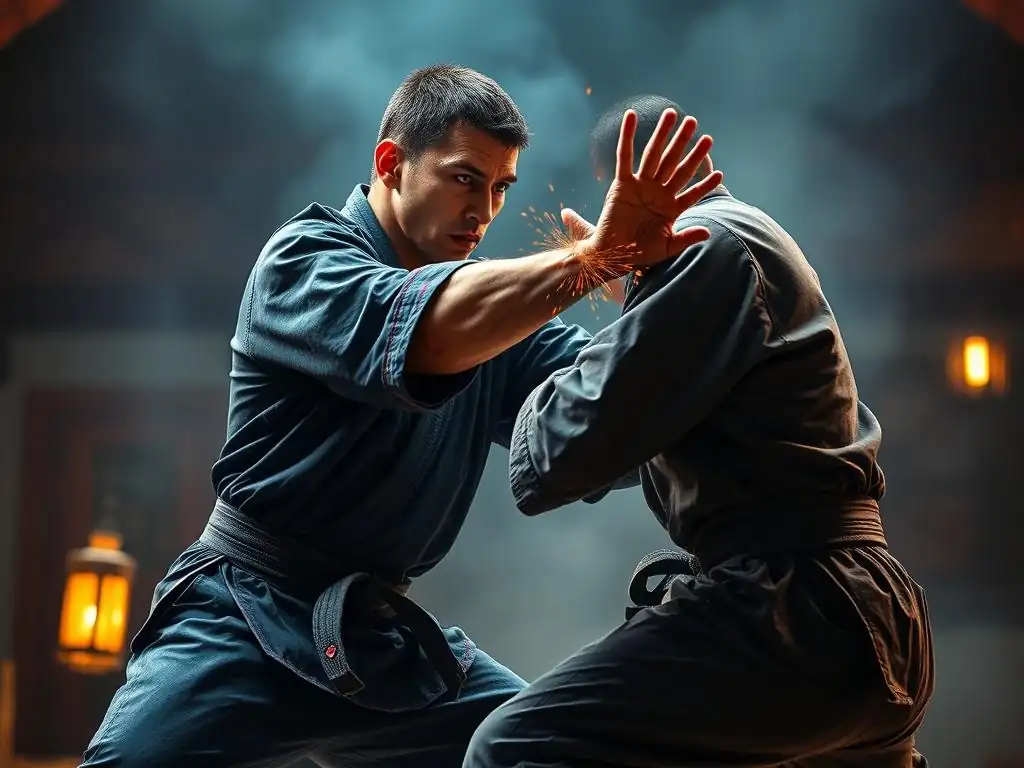
Welcome to Martial Arts Mastery, your gateway to unlocking the secrets of combat traditions worldwide. Prepare to delve into the intricate world of Jitae Poomsae, a captivating display of movement and meaning. This article offers an unprecedented look into Jitae poomsae technique details, exploring its history, execution, and deeper philosophical significance. Are you ready to master the art?
Stances in Jitae: Mastering Stability and Power
The foundation of any effective Taekwondo technique lies in a solid stance. In Jitae poomsae, the stances are not merely static positions but dynamic platforms that facilitate powerful movement, defense, and offense, embodying the steadfastness of the earth element it represents. Understanding the nuances of weight distribution, foot placement, and body alignment within each stance is paramount to executing Jitae poomsae technique details correctly and generating maximum force and stability. Each transition between stances must be fluid yet controlled, ensuring you remain rooted and balanced throughout the form.
Mastering the stances in Jitae poomsae involves more than just assuming the correct shape; it requires cultivating a deep connection to the ground, much like the earth itself is unshakeable. This rootedness provides the power base for every block and strike. For example, the slight adjustments in hip rotation or knee bend within a stance can dramatically affect the speed and impact of a subsequent technique. Paying close attention to these Jitae poomsae technique details ensures that the practitioner is not only performing the movements accurately but also harnessing the energy from the ground efficiently.
Ap Seogi (Walking Stance) variations in Jitae Poomsae
Ap Seogi, or walking stance, is a fundamental stance appearing frequently in Jitae poomsae, often used for forward movement or simple blocking and striking techniques. In Jitae, its execution emphasizes a balanced weight distribution, typically around 50/50 between the front and back legs, allowing for quick transitions or the initiation of follow-up actions. The front foot points straight forward, while the back foot is turned out approximately 25-30 degrees, providing stability and allowing the hips to move naturally. The length of the stance should be roughly one and a half shoulder widths between the heels.
Within the context of Jitae poomsae technique details, the specific application of Ap Seogi can vary slightly. Sometimes it's used to advance and deliver a basic punch, where the power comes from the forward momentum and hip rotation. At other points, it serves as a stable base for simultaneous blocks and strikes.
For instance, a common sequence might involve stepping into Ap Seogi while executing a low block, immediately followed by a middle punch. The subtle variations in how the body aligns or shifts weight within this seemingly simple stance are critical for executing the Jitae poomsae technique details effectively and maintaining the flow of the form.
Ap Kubi Seogi (Long Stance) applications in Jitae
Ap Kubi Seogi, the long stance, is employed in Jitae poomsae when significant forward power or a strong defensive posture is required. This stance is characterized by a longer base, approximately two shoulder widths between the heels, and a deeper bend in the front knee, which is aligned directly over the ankle. The weight distribution is heavily shifted forward, typically around 60-70% on the front leg, while the back leg remains straight with the foot angled out about 25-30 degrees. This structure creates a powerful platform for linear attacks, most notably strong punches or front kicks.
In Jitae poomsae, Ap Kubi Seogi is frequently utilized for powerful attacking sequences, such as the middle punch (Momtong Jireugi). The stance's stability allows the practitioner to drive power from the ground up through the body, culminating in the strike. Understanding the precise Ap Kubi Seogi Jitae poomsae technique details is crucial; the depth of the front knee bend and the straightness of the back leg contribute directly to the power generation. Moreover, the long stance provides a strong defensive barrier against frontal attacks, demonstrating its dual utility within the form's narrative of earth-like resilience.
Beom Seogi (Tiger Stance) and its role in Jitae Poomsae
Beom Seogi, or Tiger Stance, is a more advanced and dynamic stance found in Jitae poomsae, emphasizing readiness, balance, and the ability to quickly shift weight or direction. In this stance, the majority of the weight (around 90%) is placed on the back leg, with the front leg lightly touching the ground on the ball of the foot, or sometimes lifted slightly. The knees are bent, and the body is often turned slightly to the side. This stance allows for quick transitions into attacks or retreats, much like a tiger poised to spring.
The role of Beom Seogi in Jitae poomsae technique details often involves setting up or following techniques that require rapid shifts in balance or direction. It might precede a quick kick or follow a complex block, providing a momentary, balanced pause before the next movement.
Mastering the subtle weight distribution and the feeling of being 'light' on the front foot while rooted on the back leg is key to executing Beom Seogi correctly. This stance embodies a different aspect of the earth's power – not just its unyielding nature, but also its potential for sudden, explosive shifts, crucial elements in the comprehensive Jitae poomsae technique details.
- What is Jitae Poomsae, and what makes it unique?
- Where does the name "Jitae" originate from, and what does it represent?
- What are some of the key techniques emphasized in Jitae Poomsae?
- Is Jitae Poomsae suitable for beginners in Tae Kwon Do?
- Where can I find more in-depth information about mastering Jitae Poomsae technique details?
Frequently Asked Questions
What is Jitae Poomsae, and what makes it unique?
Jitae Poomsae is an advanced Tae Kwon Do form characterized by its earth-based movements and intricate open-hand techniques. It uniquely emphasizes the connection between the body and the ground.
Where does the name "Jitae" originate from, and what does it represent?
"Jitae" translates to "Earth" in Korean. The name reflects the form's focus on grounding and drawing power from the earth's energy.
What are some of the key techniques emphasized in Jitae Poomsae?
Jitae Poomsae heavily features open-hand strikes, grappling techniques, and stances designed for balance and stability. It also incorporates flowing, circular movements.
Is Jitae Poomsae suitable for beginners in Tae Kwon Do?
No, Jitae Poomsae is generally considered an advanced form. It requires a solid foundation in basic Tae Kwon Do techniques and a good understanding of stance work.
Where can I find more in-depth information about mastering Jitae Poomsae technique details?
MartialArtsMastery.org provides detailed breakdowns of each movement within Jitae Poomsae. Look for resources on specific techniques and training tips for optimal execution.
Final Reflection: Embracing the Earth's Power
The intricate details of Jitae Poomsae, as explored throughout this article, are not merely a sequence of movements; they represent a profound connection to the earth and a mastery of self. Understanding the nuances of each stance, block, and strike unlocks the true potential of this form, transforming it from a routine into a powerful expression of martial artistry. This understanding is more relevant than ever in a world that often prioritizes speed and superficiality over depth and precision.
The impact of Jitae Poomsae extends far beyond the dojang. Its emphasis on grounding, balance, and controlled power resonates deeply with the challenges we face in our daily lives. The discipline required to perfect each movement cultivates a resilience and focus that translates into all aspects of our being. The earth is our foundation, and from that foundation, we build strength, balance, and harmony.
This quote encapsulates the essence of Jitae, reminding us that true power comes from a deep connection to our roots and a commitment to continuous self-improvement.
Now, as you step off the mat and back into the world, consider the lessons learned from Jitae Poomsae. Let the grounding principles of this form guide your actions, fostering balance in your decisions and strength in your convictions. Embrace the earth's power within you, and allow it to shape you into a more centered, resilient, and ultimately, more powerful version of yourself.
Unleash Your Inner Warrior: Master Jitae Now!
Thanks for diving into the world of Jitae Poomsae with us! We hope you’ve gained a deeper appreciation for its powerful movements and profound meaning. Ready to take your understanding to the next level?
Here are a few things you can do right now:
- Commit to practicing Jitae Poomsae at least three times a week – feel the earth beneath you and the power within.
- Share this article with a fellow martial artist and discuss your favorite aspects of Jitae.
- Record yourself performing the Jitae Poomsae and analyze your movements – what subtle improvements can you make?
What is one small adjustment you can make today to bring more power and precision to your Jitae Poomsae?