
Nage no Kata Te Waza: Mastering Ippon Seoinage Form, Function, and Flow

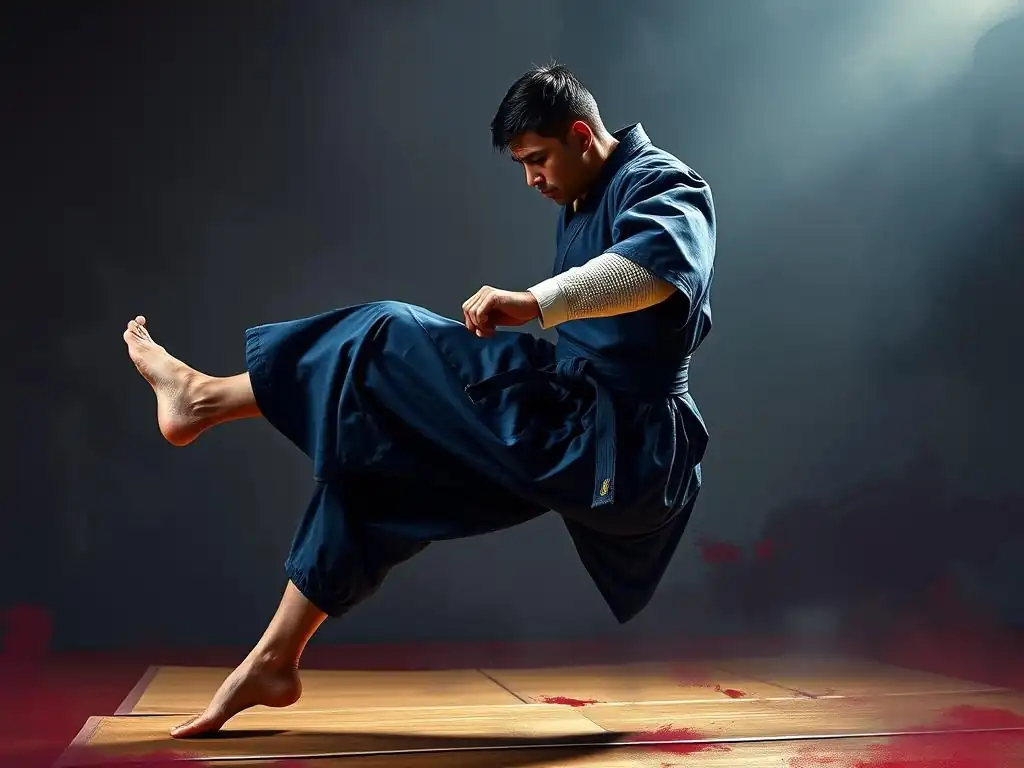
Welcome to Martial Arts Mastery, your gateway to unlocking the secrets of combat traditions! Dive deep into the intricate world of Nage no Kata and discover the Ippon Seoinage technique details that separate mastery from mediocrity. Are you ready to elevate your understanding of this powerful throw and its place within the larger tapestry of martial arts? Prepare to unravel the form, function, and flow, leaving you with insights you can apply immediately.
- Introduction to Ippon Seoinage in Nage no Kata
-
Frequently Asked Questions
- What is Ippon Seoinage, and where does it originate?
- What are the key elements for successfully executing Ippon Seoinage?
- How does the Nage no Kata help in mastering Ippon Seoinage?
- What common mistakes should be avoided when practicing Ippon Seoinage?
- How can Ippon Seoinage be applied in practical self-defense situations?
- Final Reflection: Embracing the Art of Ippon Seoinage
- Elevate Your Judo: Master the Art of Ippon Seoinage!
Introduction to Ippon Seoinage in Nage no Kata
The Significance of Te Waza (Hand Techniques) in Judo Kata
Te Waza, or hand techniques, hold a paramount position within the formal repertoire of Judo's Nage no Kata. They constitute the very first group (Dai Ikkyo) of the fifteen throwing techniques demonstrated in this foundational kata, immediately setting the stage for the principles of Kuzushi (breaking balance), Tsukuri (fitting in), and Kake (execution) that are central to Judo throws.
The emphasis on hand techniques highlights the critical role of upper body control, grip fighting, and precise arm movements in initiating and completing a throw. Unlike techniques relying primarily on hip rotation (Koshi Waza) or leg sweeps (Ashi Waza), Te Waza often involve pulling, lifting, and rotating the opponent using arm strength and leverage, demonstrating a distinct approach to off-balancing and projection.
Mastering the Te Waza techniques in Nage no Kata is essential for developing a strong foundation in Judo throwing mechanics. These techniques, including Ippon Seoinage, Seoi Nage, Kata Guruma, Sukui Nage, and Uki Otoshi, teach practitioners how to effectively use their hands and arms in conjunction with body movement to control an opponent's posture and direct their weight.
The precision required in executing these kata movements translates directly to practical application in randori (sparring) and shiai (competition), where subtle hand movements and proper grip can make the difference between a successful throw and a failed attempt. The disciplined practice of these specific Ippon Seoinage technique details and other Te Waza forms instills muscle memory and a deep understanding of leverage principles.
Understanding Ippon Seoinage's Role in Nage no Kata
Ippon Seoinage, often appearing early in the Te Waza section of Nage no Kata, serves as a cornerstone technique for demonstrating fundamental throwing principles. Its inclusion highlights the importance of a direct, powerful shoulder throw initiated primarily through hand and arm action to break the opponent's balance forward and downwards.
In the kata sequence, Tori (the one performing the throw) applies a specific grip and entry, illustrating the ideal form and pathway for generating maximum off-balance and force. The step-by-step execution within the kata provides a blueprint for the Ippon Seoinage technique details, from the initial pull to the final projection.
The role of Ippon Seoinage in Nage no Kata extends beyond mere technique demonstration; it teaches the rhythm and timing necessary for effective throwing. Practitioners learn to synchronize their body turn with the pull from their hands, achieving a compact and powerful entry (Tsukuri) before the final lifting and throwing action (Kake). The kata performance dictates a specific interaction between Tori and Uke (the one receiving the throw), where Uke's reaction to Tori's movement is anticipated and utilized.
This structured interaction in the Ippon Seoinage form reinforces the principle of using the opponent's energy against them, a core tenet of Judo. Understanding these specific Ippon Seoinage technique details within the kata framework is crucial for developing proficiency.
Frequently Asked Questions
What is Ippon Seoinage, and where does it originate?
Ippon Seoinage is a shoulder throw (Te Waza) technique in Judo, part of the Nage no Kata. It originates from Judo's foundational techniques developed by Jigoro Kano.
What are the key elements for successfully executing Ippon Seoinage?
Successful execution requires precise grip, effective body positioning for kuzushi (breaking balance), and a powerful turning movement to lift and throw your opponent.
How does the Nage no Kata help in mastering Ippon Seoinage?
The Nage no Kata provides a structured practice environment to refine the form, technique and flow of Ippon Seoinage, emphasizing proper body mechanics and timing.
What common mistakes should be avoided when practicing Ippon Seoinage?
Avoid reaching too far, failing to establish a strong grip, and neglecting to properly break your opponent's balance before initiating the throw.
How can Ippon Seoinage be applied in practical self-defense situations?
While primarily a Judo technique, the principles of Ippon Seoinage – balance disruption and controlled throwing – can be adapted for self-defense, but requires careful consideration of the context.
Final Reflection: Embracing the Art of Ippon Seoinage
The meticulous exploration of Ippon Seoinage, from its foundational form to its dynamic flow, underscores the enduring relevance of traditional martial arts in a modern world. While the pursuit of technical mastery can seem niche, it reflects a broader human desire for precision, discipline, and the pursuit of excellence in any chosen field. The principles learned through mastering Ippon Seoinage extend far beyond the dojo, influencing how we approach challenges and refine our skills in all aspects of life.
The journey of learning Ippon Seoinage is more than just memorizing steps; it's about cultivating a deeper understanding of movement, balance, and connection. This understanding, passed down through generations, continues to shape not only the martial arts landscape but also our appreciation for the beauty and power of human potential. The ultimate aim of martial arts is not having to use them.
This quote, often attributed to Miyamoto Musashi, reminds us that true mastery lies not just in execution, but in the wisdom and control gained along the way.
Now, as you reflect on the intricacies of Ippon Seoinage, consider how the principles of form, function, and flow can be applied to your own endeavors. Embrace the challenge of continuous improvement, seek the balance between theory and practice, and strive for the effortless grace that comes from dedicated training. Let the spirit of Ippon Seoinage inspire you to find your own flow, your own mastery, in whatever path you choose.
Elevate Your Judo: Master the Art of Ippon Seoinage!
Thank you for diving into the nuances of Ippon Seoinage! You've gained valuable insights into perfecting this essential Te Waza technique. Now, it’s time to translate that knowledge into action and truly master its flow.
Here’s how you can continue your journey:
- Prioritize practical application: Dedicate your next training session to drilling Ippon Seoinage, focusing on the specific form corrections discussed in the article. Visualize each step, from Kuzushi to Kake, ensuring a fluid and powerful execution.
- Explore variations: Research different grips and entries for Ippon Seoinage. Experiment with adapting the technique to various body types and opponent reactions, fostering adaptability and a deeper understanding.
- Share your discoveries: Engage with fellow judoka on forums or social media and share your experience with mastering the Ippon Seoinage, discussing challenges and breakthroughs you've encountered.
What small adjustment will you focus on during your next practice to truly unlock the power of Ippon Seoinage?