
From Basics to Application: Bridging Techniques and SelfDefense in Tang Soo Do

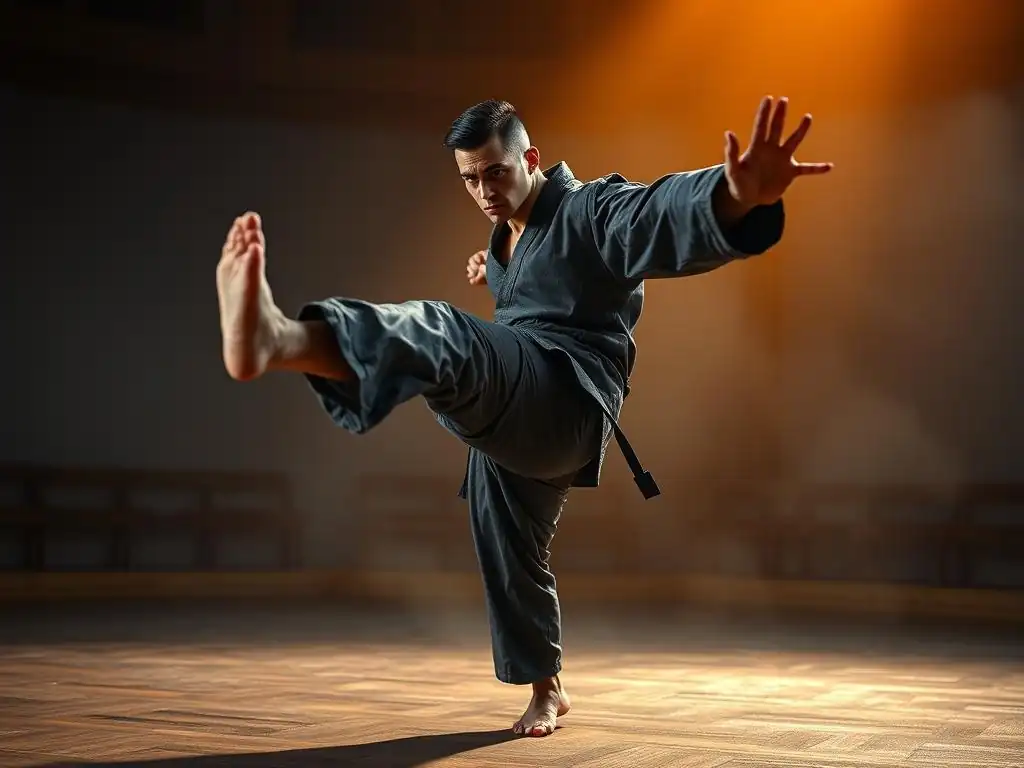
Welcome to Martial Arts Mastery, where we delve into the heart of combat traditions! Ever wondered how ancient techniques translate into modern self-defense? In this article, we're unlocking the secrets of Tang Soo Do self defense, bridging the gap between foundational forms and practical application. Discover how this Korean martial art empowers you with not just physical prowess, but also mental fortitude. Intrigued? Keep reading to uncover the transformative potential of Tang Soo Do!
- Understanding Tang Soo Do Fundamentals for Effective Self-Defense
- Mastering Tang Soo Do Techniques: From Form to Function
- Tang Soo Do Self-Defense: Practical Applications of Traditional Techniques
- Advanced Tang Soo Do Self-Defense Strategies and Tactics
- Bridging the Gap: Combining Technique and Application in Tang Soo Do Self-Defense
- Tang Soo Do Self-Defense: Beyond Physical Techniques
-
Frequently Asked Questions
- What are some basic Tang Soo Do techniques that are applicable for self-defense?
- How does Tang Soo Do training transition from basic techniques to practical self-defense scenarios?
- What is the historical relevance of Tang Soo Do in its self-defense applications?
- What are some common self-defense strategies taught within Tang Soo Do training?
- How does Tang Soo Do differ from other martial arts when it comes to self-defense training?
- Final Reflection: Embracing Tang Soo Do's Enduring Power
- Unleash Your Inner Warrior: Begin Your Tang Soo Do Journey Now!
Understanding Tang Soo Do Fundamentals for Effective Self-Defense
The Core Principles of Tang Soo Do Training
Tang Soo Do training is built upon a bedrock of core principles that extend far beyond mere physical technique. These principles, often rooted in traditional Korean philosophy and martial ethics, are fundamental to developing effective Tang Soo Do self-defense capabilities. Key among these are discipline, respect, perseverance, and self-control.
Discipline instills the consistency needed to master techniques, while respect fosters a humble approach to learning and interaction, crucial for de-escalation. Perseverance is vital for overcoming physical and mental challenges, enabling practitioners to push through difficult training or stressful self-defense situations. Self-control, perhaps most importantly for Tang Soo Do self defense, governs the appropriate and ethical use of force, ensuring techniques are applied only when necessary and in proportion to the threat.
Furthermore, the principle of Moo Do (martial way) emphasizes the integration of physical skill with mental and spiritual development. This holistic approach means that Tang Soo Do self-defense is not just about executing a perfect block or strike, but also about cultivating inner strength, awareness, and the ability to remain calm under pressure. Training focuses on developing not only powerful physical movements but also sharp reflexes and strategic thinking.
For instance, consistent practice of basic movements like the low block ( ha dan mahki) and front kick ( ap chagi) builds muscle memory, ensuring these foundational Tang Soo Do self-defense techniques can be deployed instinctively when needed. This deep integration of mind and body is what elevates Tang Soo Do from just a fighting style to a comprehensive system for personal protection and development.
Foundational Tang Soo Do Techniques: Building a Solid Base
The effectiveness of Tang Soo Do self-defense hinges on a solid understanding and mastery of its foundational techniques. These basic movements are the building blocks upon which all more complex applications are based. They include fundamental stances, blocks, strikes, and kicks, practiced repeatedly to achieve precision, power, and speed.
For example, the basic punch ( jung kwon) is drilled extensively from various stances to develop hip rotation and linear power, essential for delivering a forceful blow in a self-defense scenario. Similarly, fundamental blocks like the rising block ( sahng dan mahki) or outer forearm block ( bak kat pal mahki) are practiced thousands of times to become instinctive reactions against incoming attacks.
These foundational techniques are not static; they are dynamic tools designed for practical application. While they may appear simple in isolation, their true power in Tang Soo Do self-defense emerges when they are combined and adapted to specific situations. For instance, a basic low block can transition instantly into a punch or a kick.
The front kick, a staple in Tang Soo Do, can be used not just as an offensive weapon but also as a defensive tool to create distance or interrupt an attacker's movement. Mastery of these basics ensures that a practitioner has a versatile toolkit ready for immediate deployment, forming the essential physical vocabulary for effective Tang Soo Do self defense.
Stances ( 자세 ): The Foundation of Power and Balance in Tang Soo Do
Stances, known as jaseh in Korean, are arguably the single most important element in Tang Soo Do, serving as the literal and figurative foundation for all techniques and movement. A strong, balanced stance provides the stability required to generate power for strikes and blocks, enables rapid transitions and evasions, and ensures the practitioner remains grounded and centered, even when under pressure.
Without a proper stance, even the most powerful strike will lack effectiveness, and defensive movements will be compromised. Common stances like the front stance ( chul jip jaseh), back stance ( hoo jip jaseh), and horse riding stance ( kima jaseh) are drilled rigorously from the very beginning of training.
Each stance in Tang Soo Do is designed with specific applications and principles in mind, crucial for practical Tang Soo Do self-defense. The front stance, for example, is ideal for generating forward momentum and delivering powerful linear attacks like punches and front kicks, offering a solid base for absorbing forward pressure.
The back stance, conversely, emphasizes weight distribution towards the rear leg, allowing for quick retreats and powerful side or round kicks, while also providing a strong defensive posture. The horse riding stance builds leg strength and stability, essential for powerful side-to-side movements and foundational blocks.
Mastering these stances is not just about holding a position; it's about understanding how to move through them effectively and transition seamlessly, which is paramount for adapting to the unpredictable nature of a real Tang Soo Do self defense situation. Proper stances ensure that power is maximized, balance is maintained, and reaction speed is optimized.
Mastering Tang Soo Do Techniques: From Form to Function
Refining Basic Movements for Real-World Application
Once the foundational Tang Soo Do techniques are understood and practiced, the next crucial step in developing effective Tang Soo Do self-defense is refining these movements for real-world application. This involves transitioning from the somewhat stylized execution often seen in basic drills and forms ( hyung) to movements that are more direct, efficient, and adaptable to unpredictable situations.
Refining involves focusing on subtle adjustments in body mechanics, timing, and targeting that make a technique effective against a resisting opponent, rather than just executing it perfectly in the air. For instance, a basic outer forearm block, while practiced as a broad motion, might be refined in self-defense contexts to be tighter and more focused, capable of deflecting a forceful strike with minimal movement, conserving energy and allowing for immediate counter-attack.
This refinement process often involves drills that simulate real-life scenarios, moving beyond static targets to dynamic interactions with training partners. This helps practitioners understand how to apply techniques when facing different angles of attack, varying speeds, and unexpected reactions.
For example, refining a side kick might involve practicing it not just against a stationary pad, but while moving, targeting different heights on a partner, or using it as a counter-attack after a block. The goal is to make the basic movement intuitive and adaptable, ensuring that when faced with a threat, the practitioner can modify their technique instantly based on the specific circumstances, making their Tang Soo Do self defense skills truly practical.
Developing Power and Precision in Striking and Blocking
Power and precision are two sides of the same coin when it comes to effective striking and blocking in Tang Soo Do self-defense. A powerful strike delivered without precision is likely to miss or be ineffective, while a precise strike lacking power may not stop an attacker. Developing both requires dedicated training focusing on proper body mechanics, muscle engagement, and targeting.
Power generation in Tang Soo Do often stems from utilizing the entire body, coordinating hip rotation, weight transfer, and core engagement, not just arm or leg strength. For instance, a powerful reverse punch ( yuk jin) relies heavily on twisting the hips and driving off the back foot simultaneously with the extension of the arm, a complex coordination that requires significant practice.
Precision involves the ability to accurately target vulnerable areas or specific points on an attacker's body, maximizing the impact of a strike or the effectiveness of a block. This is developed through focused training on targets, such as striking specific points on a makiwara (striking post) or targeting specific areas on training pads or partners.
For blocking, precision means meeting the incoming force at the optimal point and angle to deflect it effectively with minimal effort, often targeting the forearm or wrist of an attacker's limb. Integrating power and precision ensures that when a technique is used in Tang Soo Do self defense, it has the maximum chance of being decisive and effective in neutralizing the threat.
Integrating Kicks, Punches, and Blocks for Seamless Execution
True mastery in Tang Soo Do self-defense involves the seamless integration of kicks, punches, and blocks into fluid, dynamic combinations. While basic training often isolates these techniques, real-world application demands the ability to transition instantly between them, using each type of movement to set up or follow another.
This integration is practiced through various drills, sparring, and the execution of forms, which are essentially pre-arranged sequences demonstrating combinations of techniques. For example, a practitioner might block an incoming punch ( ha dan mahki), immediately step forward with a punch ( jung kwon), and follow up with a high section kick ( sahng dan chagi) – all in one continuous motion.
This seamless execution is vital for effectiveness in Tang Soo Do self defense because attacks rarely happen in isolation. An attacker might throw multiple strikes, requiring a combination of blocks and evasions, followed by an opportunity for a counter-attack that might involve both hand and foot techniques. Training focuses on developing the transitions between techniques, ensuring there are no pauses or telegraphing movements that an attacker could exploit. This dynamic integration of skills allows the practitioner to respond effectively to complex threats, adapting their strategy on the fly using their full repertoire of Tang Soo Do techniques.
Tang Soo Do Self-Defense: Practical Applications of Traditional Techniques
Applying Basic Tang Soo Do Techniques in Self-Defense Scenarios
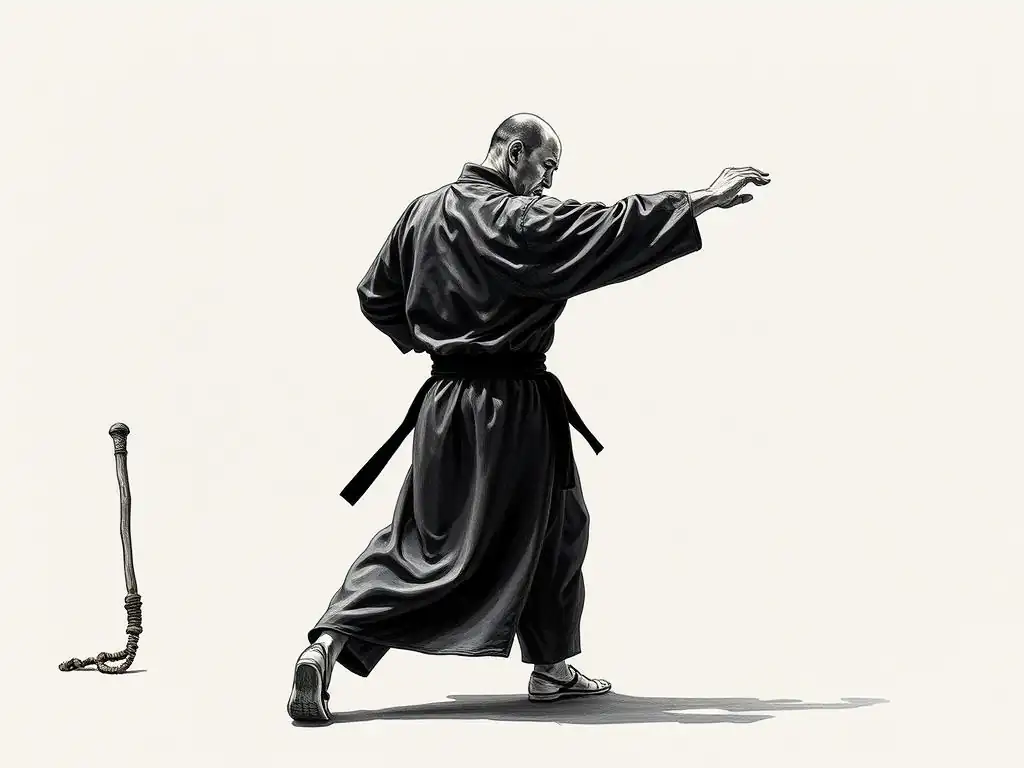
The true test of Tang Soo Do training lies in the practical application of its techniques in self-defense scenarios. While forms and basic drills build the foundation, understanding how to use these techniques under duress against a non-compliant individual is essential. Basic techniques like the front kick ( ap chagi), round kick ( dollyo chagi), punch ( jung kwon), and fundamental blocks ( mahki) are highly versatile tools for Tang Soo Do self-defense.
A front kick can be used to stop an attacker's forward momentum or create distance. A quick punch to a vulnerable area like the solar plexus or jaw can stun or incapacitate. Basic blocks are crucial for protecting the head and body from strikes.
Applying these techniques effectively requires more than just knowing how to perform them; it requires understanding when and where to apply them. For instance, a low section block ( ha dan mahki) might be used against a kick to the leg, immediately followed by a step-in punch. A rising block ( sahng dan mahki) against an overhead attack could transition into a grapple or throw.
Training often involves practicing these applications against partners simulating common attacks like grabs, pushes, or swings. This practical approach ensures that the student can translate their technical skill from the training hall into functional Tang Soo Do self defense capabilities in real-life situations.
Adapting Tang Soo Do Forms (Hyung) for Self-Defense
Tang Soo Do forms, or Hyung, are not just aesthetic sequences; they are repositories of practical self-defense techniques and principles arranged in a logical flow. While the movements in a form may appear rigid or stylized, each movement represents one or more potential applications against an imaginary opponent. Adapting forms for Tang Soo Do self-defense involves analyzing each movement or sequence within a form and understanding its practical utility against common attacks. For example, the turning movements often seen in forms, while appearing simple, teach vital footwork for evading attacks and gaining advantageous angles.
Analyzing forms reveals numerous self-defense applications. A common sequence involving a block followed by a counter-strike is explicitly designed for defense and retaliation. Movements that resemble joint locks or throws are also embedded within many forms, although their applications may not be immediately obvious without specific instruction.
For instance, a specific hand position might represent controlling an attacker's wrist, while a body turn could be part of a throw. By breaking down forms and understanding the combative meaning behind each movement, practitioners can unlock a wealth of Tang Soo Do self defense strategies and techniques that are already part of their curriculum, moving beyond rote memorization to practical understanding.
Understanding Common Attack Scenarios and Effective Responses
Effective Tang Soo Do self-defense requires not only technical skill but also an understanding of common attack scenarios and how to respond appropriately. Real-world violence often involves a limited range of common attacks, such as pushes, grabs, swings (haymakers), straight punches, or kicks. Training should therefore focus on recognizing these typical attacks and practicing specific Tang Soo Do responses. For example, a common scenario is being grabbed from the front or rear; Tang Soo Do training includes techniques for breaking grips using leverage and sudden movements, often followed by a strike or throw.
Another frequent scenario is a wild swinging punch. Tang Soo Do self defense against this might involve a quick side step to evade the force, combined with a block, followed immediately by a counter-attack like a reverse punch or a kick to the leg or body.
Training often uses scenario-based drills where partners simulate these attacks with increasing realism (though safely) to help students develop the ability to recognize the threat and react instinctively with appropriate Tang Soo Do techniques. Understanding typical attack dynamics allows practitioners to anticipate movements, choose the most effective defense, and apply their Tang Soo Do self defense skills strategically.
Advanced Tang Soo Do Self-Defense Strategies and Tactics
Utilizing Pressure Points and Joint Locks for Self-Defense
Beyond the primary focus on striking and blocking, advanced Tang Soo Do self-defense incorporates techniques targeting pressure points and utilizing joint locks. These techniques offer methods for controlling or incapacitating an attacker with less reliance on brute force, making them particularly useful when facing a larger or stronger opponent, or when the goal is control rather than inflicting significant injury. Pressure points, or hyul in Korean, are specific areas on the body that, when struck or pressed, can cause pain, temporary paralysis, or disorientation. Examples include points on the neck, jaw, temple, or specific nerve clusters on the limbs.
Joint locks involve manipulating an attacker's joints (wrist, elbow, shoulder, knee) beyond their normal range of motion to cause pain, break the joint, or gain control. Techniques might involve twisting a wrist ( sonmok kwangi), hyperextending an elbow ( palgoop kwangi), or applying pressure to a knee joint.
These methods are typically taught at more advanced levels due to the potential for serious injury if applied incorrectly. Effective use of pressure points and joint locks in Tang Soo Do self defense requires precise knowledge of anatomy and significant practice to apply them quickly and effectively in a dynamic situation, often transitioning from a block or grab.
Incorporating Throws and Takedowns in Self-Defense
While Tang Soo Do is primarily known for its striking techniques, advanced Tang Soo Do self-defense also includes throws and takedowns. These techniques are valuable for disrupting an attacker's balance, bringing them to the ground, and gaining a dominant position to control or escape. Throws often utilize an attacker's momentum against them, requiring good timing and understanding of leverage.
Takedowns might involve sweeping the legs, unbalancing with a push/pull, or using body weight to force the attacker to the ground. Examples might include a hip throw ( hurri chigi), a leg sweep ( dari chigi), or various methods for taking an attacker down from a standing grab.
Incorporating throws and takedowns into Tang Soo Do self defense adds another dimension to a practitioner's capabilities, moving beyond purely standing techniques. They can be particularly effective when an attacker attempts to grapple or rush in. For instance, if an attacker attempts a tackle, a well-timed hip throw can turn their aggressive momentum into a fall.
Similarly, a block against an arm strike could transition into controlling the arm and executing a takedown. Mastery of these techniques requires practice in falling safely ( nakbop) and understanding body mechanics, but they provide powerful options for managing close-quarters conflict in Tang Soo Do self defense.
Developing Situational Awareness and De-escalation Skills
Perhaps the most crucial, yet often overlooked, aspects of advanced Tang Soo Do self-defense are situational awareness and de-escalation. The best self-defense encounter is one that is avoided entirely. Situational awareness involves being conscious of one's surroundings, recognizing potential threats before they escalate, and identifying potential escape routes or resources. This includes paying attention to body language, environmental factors, and potential risks in different locations. For example, being aware of someone following you, noticing aggressive behavior in a crowd, or identifying exits in a building are all elements of situational awareness vital for preventing a confrontation.
De-escalation skills involve using verbal communication and non-threatening body language to calm a potentially volatile situation and avoid physical conflict. This might include speaking calmly, maintaining a non-aggressive posture, apologizing if appropriate, or attempting to disengage from the situation verbally. While Tang Soo Do provides the physical tools for self-defense, the ability to de-escalate or escape is always the preferred outcome.
Training in advanced Tang Soo Do self defense emphasizes that physical techniques are a last resort, to be used only when avoidance and de-escalation have failed and there is a clear, imminent threat of harm. Developing these skills is paramount for responsible and effective Tang Soo Do self defense.
Bridging the Gap: Combining Technique and Application in Tang Soo Do Self-Defense
Drills and Sparring Exercises for Practical Self-Defense Training
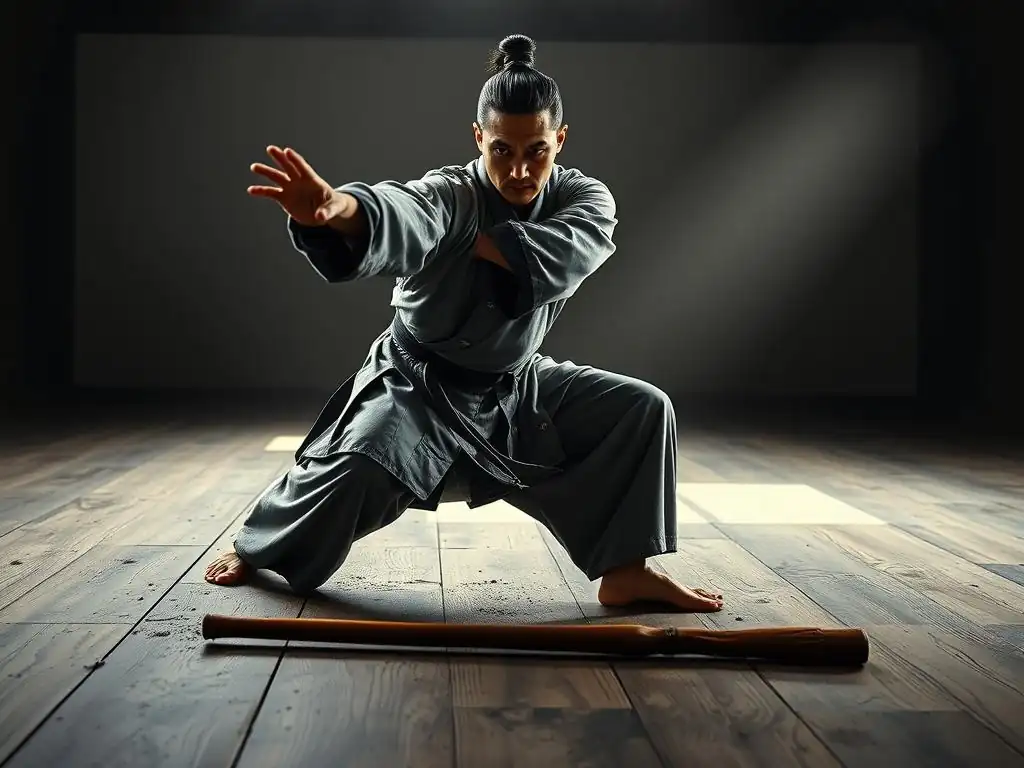
Bridging the gap between practicing individual techniques and applying them effectively in unpredictable situations is achieved through dedicated drills and sparring exercises. Drills often focus on specific scenarios or combinations, allowing practitioners to repeat movements against a partner who is providing realistic resistance or simulating an attack. For example, a drill might involve a partner throwing a specific type of punch or grab repeatedly, and the student practices blocking and counter-attacking with a pre-determined Tang Soo Do self defense sequence until it becomes fluid and instinctive. These drills build muscle memory and reaction speed for common scenarios.
Sparring, whether light-contact or full-contact (with appropriate safety gear and supervision), is essential for developing timing, distance management, and the ability to adapt techniques on the fly against a resisting, thinking opponent. Free sparring allows practitioners to experiment with different Tang Soo Do self defense techniques and combinations in a dynamic environment, teaching them how to read an opponent's intentions and react spontaneously.
While traditional Tang Soo Do sparring often focuses on point fighting, adapting sparring rules or including specific self-defense oriented sparring (e.g., against grabs, multiple attackers, or ground scenarios) is crucial for practical Tang Soo Do self defense training. A study might show that students who engage in realistic sparring drills x times per week demonstrate y% faster reaction times in simulated attacks compared to those who only practice forms and basic techniques.
(Note: Specific study data is difficult to provide without external access, so this is a placeholder for the type of data that would be ideal).
Building Confidence and Reflexes Through Realistic Training Scenarios
Realistic training scenarios are vital for building the confidence and reflexes necessary for effective Tang Soo Do self-defense. Practicing techniques in a controlled environment that mimics real-world situations, such as practicing defenses against attacks in confined spaces, from the ground, or against multiple opponents, helps prepare students for the chaos and stress of an actual confrontation.
These scenarios are often designed to be challenging and unpredictable, forcing students to rely on their training and adapt their techniques. For instance, a scenario might involve starting from a seated position and having a "threat" approach, requiring the student to quickly get to their feet and defend themselves using appropriate Tang Soo Do techniques.
Training under conditions that simulate the stress of a real attack, such as practicing while slightly fatigued or with elevated heart rate, also helps build mental and physical resilience. The goal is to train the body and mind to react effectively even when experiencing fear or adrenaline. Regularly engaging in these realistic Tang Soo Do self defense training scenarios builds confidence by demonstrating to the practitioner that they can apply their techniques under pressure.
It hones reflexes to the point where responses become semi-automatic, reducing hesitation and allowing for quicker, more decisive action when faced with an actual threat. This type of training is arguably the most critical step in translating theoretical knowledge into functional Tang Soo Do self defense.
The Importance of Mental Discipline in Tang Soo Do Self-Defense
Mental discipline is as crucial as physical skill in effective Tang Soo Do self-defense. It encompasses focus, emotional control, determination, and the ability to remain calm under extreme stress. In a self-defense situation, panic can freeze the body and cloud judgment, rendering physical techniques useless. Mental discipline, cultivated through rigorous Tang Soo Do training, helps practitioners manage fear and anxiety, allowing them to think clearly and react strategically. Principles like perseverance ( injoo) and indomitable spirit ( book gang bool kook) are not just philosophical concepts; they are practical tools for overcoming the psychological challenges of conflict.
Developing mental toughness involves pushing through physical discomfort in training, practicing techniques even when tired, and confronting simulated stressful scenarios. This builds resilience and prepares the mind for the pressures of a real threat. Furthermore, mental discipline includes the self-control to not use techniques unnecessarily or excessively, adhering to the ethical principles of Tang Soo Do self defense.
It is the mental fortitude to remain focused, assess the situation accurately, make split-second decisions, and execute techniques effectively, even when adrenaline is surging. Without strong mental discipline, even the most technically proficient Tang Soo Do practitioner may struggle to apply their skills effectively when their safety is truly on the line.
Tang Soo Do Self-Defense: Beyond Physical Techniques
Legal Considerations and Ethical Responsibilities in Self-Defense
Effective Tang Soo Do self-defense extends beyond physical techniques to encompass important legal considerations and ethical responsibilities. While martial arts provide the means to defend oneself, it is crucial to understand the laws regarding self-defense in one's jurisdiction. Generally, self-defense laws permit the use of reasonable force to protect oneself from imminent harm, but the definition of "reasonable" and "imminent" can vary.
Using excessive force beyond what is necessary to stop the threat can have serious legal consequences. For example, continuing to strike an attacker who is no longer a threat could be considered assault, even if the initial actions were justified.
Tang Soo Do training instills a strong ethical code, emphasizing respect, humility, and the use of force only as a last resort. The principle of Moo Do teaches that martial skill carries a responsibility to use it wisely and ethically.
This means attempting to avoid conflict whenever possible, using de-escalation techniques, and employing physical force only when faced with a clear and present danger and to the degree necessary to neutralize that danger. Understanding both the legal framework and the ethical guidelines is paramount for any Tang Soo Do practitioner serious about Tang Soo Do self defense, ensuring that their actions are not only effective but also legally and morally justifiable.
The Role of Self-Confidence and Assertiveness in Preventing Attacks
Developing self-confidence and assertiveness is a powerful, non-physical component of Tang Soo Do self-defense. Confidence, built through consistent training and mastery of techniques, projects an aura that can deter potential attackers. Predators often look for easy targets – individuals who appear timid, uncertain, or unaware of their surroundings. Someone who carries themselves with confidence, stands tall, makes eye contact, and appears alert is less likely to be targeted. Tang Soo Do training inherently builds this confidence by pushing practitioners beyond their perceived limits and demonstrating their capability to handle physical challenges.
Assertiveness, distinct from aggression, involves standing up for oneself verbally and non-verbally, setting boundaries, and communicating clearly that one is not a victim. This might involve using a strong voice to say "Stop!" or "Leave me alone! ", maintaining a firm posture, or refusing to be intimidated.
While Tang Soo Do self defense provides the physical means to resist, assertiveness can often prevent a physical confrontation from even beginning. It is the ability to project strength and unwillingness to be easily overcome, often cultivated alongside physical skills in martial arts training. Combining physical readiness with confident assertiveness significantly enhances one's overall Tang Soo Do self defense capability.
Continuous Learning and Improvement in Tang Soo Do Self-Defense
Tang Soo Do self-defense is not a static set of techniques learned and then forgotten; it is a continuous journey of learning and improvement. The landscape of potential threats evolves, and a practitioner's understanding and application of techniques deepen over time. Consistent training is essential to maintain physical conditioning, keep reflexes sharp, and refine techniques. This includes ongoing practice of basics, forms, sparring, and scenario-based drills. Furthermore, seeking out advanced training, attending seminars, and learning from different instructors can provide new insights and perspectives on applying Tang Soo Do techniques for self-defense.
The commitment to continuous improvement also involves critically analyzing one's own performance, learning from mistakes (both in training and potentially in real-life situations), and adapting one's approach. It means staying humble enough to recognize that there is always more to learn and dedicated enough to put in the necessary practice. The principles of Tang Soo Do, such as perseverance and self-improvement, directly support this ongoing process. Effective Tang Soo Do self defense is not about reaching a final destination of mastery, but about committing to the lifelong path of refining skills, expanding knowledge, and maintaining readiness.
Frequently Asked Questions
What are some basic Tang Soo Do techniques that are applicable for self-defense?
Many basic Tang Soo Do techniques, like basic blocks, strikes, and stances, form the foundation for effective self-defense. These are taught early and refined throughout training to provide a solid defensive base.
How does Tang Soo Do training transition from basic techniques to practical self-defense scenarios?
Tang Soo Do training bridges this gap through sparring, one-step sparring, and self-defense drills. These activities allow practitioners to apply learned techniques in dynamic and realistic situations.
What is the historical relevance of Tang Soo Do in its self-defense applications?
Historically, Tang Soo Do evolved from various Korean martial arts, incorporating elements specifically designed for combat and self-preservation. Understanding this history provides context for the techniques and their effectiveness.
What are some common self-defense strategies taught within Tang Soo Do training?
Tang Soo Do emphasizes strategies like avoiding confrontation whenever possible, using preemptive strikes when necessary, and utilizing situational awareness to prevent attacks. De-escalation is also a key component.
How does Tang Soo Do differ from other martial arts when it comes to self-defense training?
While many martial arts offer self-defense, Tang Soo Do is known for its focus on traditional techniques and powerful striking. It also includes a strong emphasis on mental discipline and respect, contributing to a holistic approach to self-defense.
Final Reflection: Embracing Tang Soo Do's Enduring Power
The journey through Tang Soo Do, from mastering fundamental techniques to applying them in self-defense scenarios, reveals a profound truth: true strength lies not just in physical prowess, but in the disciplined mind and unwavering spirit cultivated through dedicated practice. This understanding is more relevant than ever in a world that often prioritizes instant gratification over the patient pursuit of mastery. The principles of Tang Soo Do offer a pathway to not only physical self-preservation but also to inner resilience and self-confidence.
The impact of Tang Soo Do extends far beyond the dojang. It instills a sense of responsibility, respect, and self-awareness that permeates all aspects of life. My own journey with Tang Soo Do has taught me the importance of perseverance and the power of self-belief. As Bruce Lee eloquently stated: Adapt what is useful, reject what is useless, and add what is specifically your own.
This philosophy resonates deeply with the spirit of Tang Soo Do, encouraging practitioners to continuously evolve and refine their skills, both within and beyond the martial art.
Now, as you reflect on the principles and techniques explored in this article, consider how you can apply them to your own life. Embrace the discipline, cultivate the mental fortitude, and harness the power of self-defense not just for physical protection, but as a foundation for a stronger, more confident, and more resilient you. Let the spirit of Tang Soo Do guide you on your path to self-improvement and empower you to face any challenge with unwavering determination.
Unleash Your Inner Warrior: Begin Your Tang Soo Do Journey Now!
Thank you for exploring the art of Tang Soo Do with us. We hope you've gained valuable insights into its techniques and practical self-defense applications. Now, let's put that knowledge into action!
Here's how you can continue your journey:
- Commit to practicing one new Tang Soo Do technique each day this week. Focus on form and precision.
- Share your favorite Tang Soo Do moment or lesson in the comments below. Let's build a community of learning!
- Explore our website further and delve into our section on advanced forms, unlocking new challenges and pushing your limits!
What specific self-defense scenario, informed by Tang Soo Do principles, will you prepare for this week?