The Legacy of Grandmaster Shin Jae Chul: Bringing Tang Soo Do to the World
🥋 Discover the enduring Tang Soo Do Grandmaster Legacy of Shin Jae Chul, a pivotal figure who masterfully introduced this Korean martial…
Read article
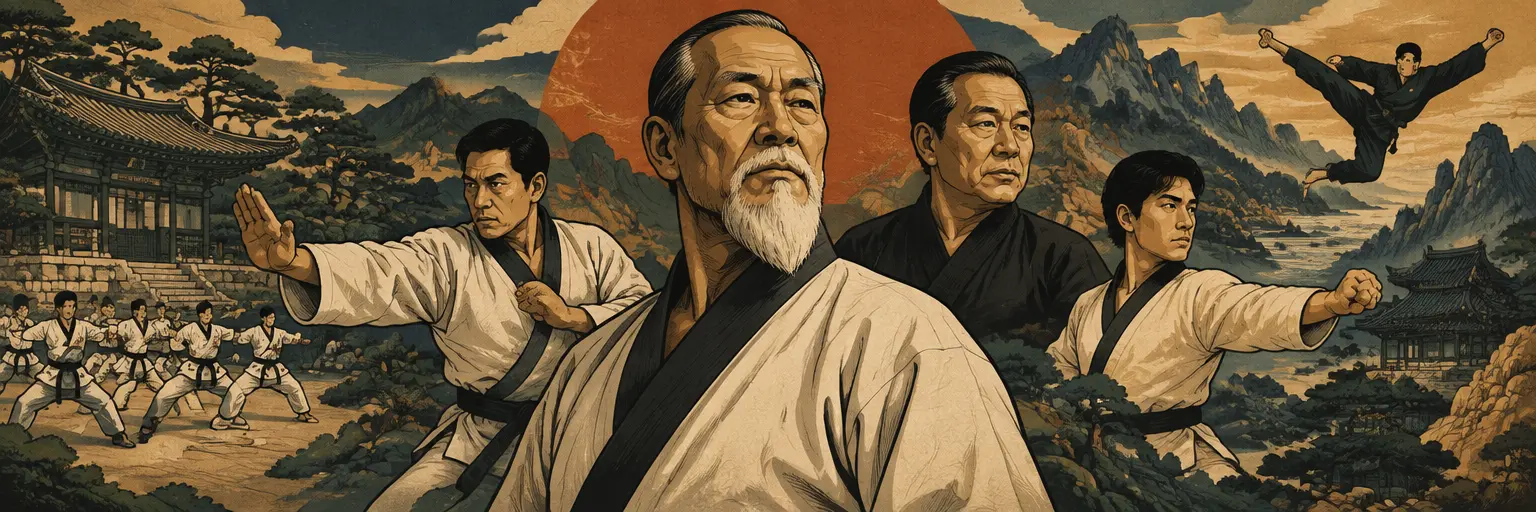
Discover the living legends who shaped the world of Korean martial arts—from the pioneering grandmasters who codified Taekwondo’s Olympic-winning techniques to the innovators who revolutionized Hapkido and Tang Soo Do. These masters didn’t just practice; they redefined combat, blending ancient heritage with modern athleticism and philosophical depth. Whether you’re a dedicated practitioner seeking authentic lineage, an instructor aiming to deepen your curriculum, or a history enthusiast fascinated by the evolution of self-defense, this profile series offers rare insights into the minds and methods that built Korea’s martial legacy. Uncover the stories behind breakthrough forms, pressure-point strategies, and the discipline-born resilience that turned national traditions into global phenomena. Perfect for those who value technical mastery, cultural preservation, and the relentless pursuit of excellence.
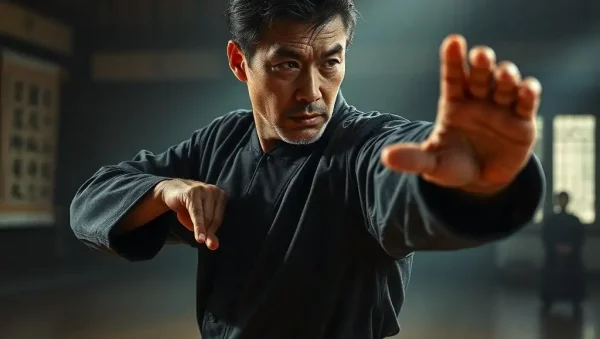
🥋 Discover the enduring Tang Soo Do Grandmaster Legacy of Shin Jae Chul, a pivotal figure who masterfully introduced this Korean martial…
Read article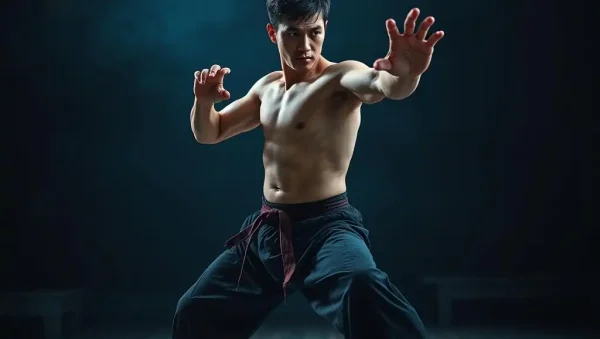
🥋 Discover the profound legacy of Hwang Kee's foundational Tang Soo Do form styles, Yuk Ro and Chil Sung. Explore these essential…
Read article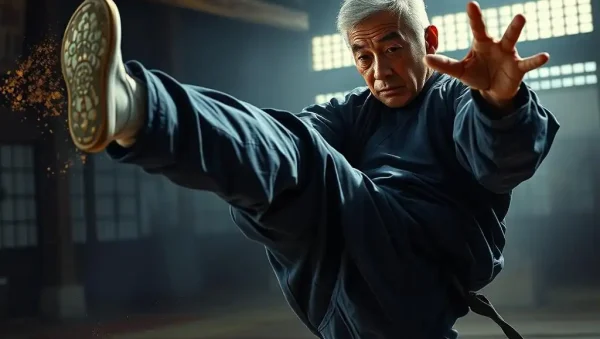
🌟 Discover Hapkido Grandmaster Ji Han Jae, the visionary who sculpted its signature techniques and propelled its global renown, as explored on…
Read article
💪 Witness the incredible Chung Do Kwan breaking power of early masters, a foundational testament to Taekwondo's raw force. Explore their legacy…
Read article
🇰🇷 Explore the profound "Korean martial ethics philosophy masters" who shaped global combat principles. Discover how these innovators redefined discipline, respect, and…
Read article
🌟 Grandmaster Kwak ByungOh shaped Jidokwan's evolution, refining its core principles and distinctive Jidokwan martial arts techniques. Explore his profound impact on…
Read article
⭐ Witness the incredible journey of Han BongSoo, a Korean War veteran who carved a unique path through Hollywood as a stuntman,…
Read articleExplore the lives and legacies of the visionaries who transformed Korean martial arts from ancient village traditions into globally practiced systems. This subcategory profiles the grandmasters who codified techniques, founded major federations, and innovated curricula that now define Taekwondo, Hapkido, Tang Soo Do, and Kuk Sool Won. From post-war reconstruction to Olympic recognition, these pioneers shaped not just fighting styles but entire philosophical frameworks emphasizing discipline, harmony, and self-cultivation.
Here you will meet Choi Yong-sool, widely credited as the founding figure of modern Hapkido, whose synthesis of Japanese Daito-ryu Aiki-jujutsu with native Korean kicking and circular strikes created a comprehensive self-defense system. You’ll also explore Hwang Kee, the controversial but influential founder of Tang Soo Do, who blended Chinese, Japanese, and Korean techniques into a discipline emphasizing powerful stances and precise forms. Their innovations in joint locks, pressure points, and dynamic footwork set the stage for countless derivative styles.
These grandmasters were not merely technicians; they were cultural ambassadors who rebuilt martial arts after the Japanese occupation. Their emphasis on circular motion and redirection of force remains a cornerstone of Hapkido philosophy, while Hwang Kee’s Kwanggaeto and Pyung Ahn forms are still practiced by millions. Expect detailed biographical timelines, training anecdotes, and analysis of their unique technical contributions.
This section focuses on innovators like General Choi Hong-hi, who systematized Taekwondo in the 1950s and authored the Encyclopedia of Taekwondo, defining patterns (tul) and sparring rules that emphasized speed, power, and explosive kicking. You’ll also discover the contributions of senior masters like Nam Tae-hi and Han Cha-kyo, who helped spread the art globally through military training and international demonstrations. Their focus on breaking boards and high-velocity roundhouse kicks turned Taekwondo into a spectator sport and eventually an Olympic discipline.
Beyond athleticism, these pioneers embedded a moral culture of courtesy, integrity, and perseverance into every belt rank. The ITF vs. WT split is explained here, showing how political and philosophical differences shaped two parallel systems, each claiming lineage to the same roots. You’ll gain insight into how competition rules, protective gear innovations, and standardized poomsae evolved under their guidance.
Meet grandmasters like In Hyuk Suh, whose Kuk Sool Won seamlessly integrates hard and soft techniques, weapons, and healing arts into a single comprehensive curriculum. This section explores how such innovators combined acrobatic throws, joint manipulation, pressure point striking, and traditional Korean martial dances into a unified syllabus. Their holistic approach to warrior training includes breathing exercises, meditation, and injury prevention, making these systems attractive to modern practitioners seeking both practical combat and personal growth.
Further, you’ll examine lesser-known pioneers like Myung Jae-nam, who promoted Hapkido’s internal aspects, and Seo In-hyuk who saw martial arts as living heritage. These masters emphasized non-resistance and circular deflection, often drawing from classical Korean Hwarang warrior codes. Expect case studies on curriculum design, teaching methodologies, and how these systems adapt while preserving tradition.
This subcategory celebrates female pioneers who broke barriers, such as Ji Sung-yeon and Kim Soo-young, who introduced women’s self-defense programs and advanced ranking structures. You’ll learn how they adapted traditional techniques for realistic threat scenarios, emphasizing vulnerable target strikes and leverage-based escapes. Their innovations in fitness integration and youth curriculum development have expanded the martial arts demographic significantly.
Modern innovators also include Dr. John Kim and other master educators who digitized training materials, developed online certification paths, and introduced sport-specific conditioning. Their focus on scientific biomechanics and psychological resilience training has revitalized traditional practices. Expect profiles that highlight how these figures balance commercial viability with authentic lineage, ensuring Korean martial arts remain relevant in the 21st century.
Here, we delve into the organizational efforts of grandmasters to codify history, register official styles, and establish museums and archives. You’ll discover how figures like Kim Young-woo and Lee Dong-jin preserved endangered techniques through systematic documentation and international seminars. Their work bridges oral tradition with academic research, creating certification standards that prevent dilution and cultural appropriation.
Additionally, this section profiles innovators who introduced traditional Korean weapons training (such as Ssangjeolbong nunchucks and Jingum sword) into modern curricula. Their emphasis on historical accuracy and ceremonial practice attracts both serious martial artists and history enthusiasts. Expect insights into how lineage maps, official federations, and cross-style collaborations are structured to ensure longevity and credibility.
Choi Yong-sool is widely recognized as the founder of modern Hapkido, having learned Daito-ryu Aiki-jujutsu in Japan during WWII. Upon returning to Korea, he synthesized these techniques with native kicking and circular strikes, creating a system centered on joint locks, throws, and pressure points. His teaching emphasized harmony and redirection of force, which became the philosophical backbone of Hapkido.
ITF Taekwondo was developed by General Choi Hong-hi, focusing on powerful linear movements, sine-wave motion, and a detailed set of 24 patterns (tul). WT Taekwondo, standardized under Kukkiwon, emphasizes speed, agility, and Olympic-style sparring with protective gear. Both have innovated separately—ITF in military and self-defense contexts, WT in sport and competition frameworks.
Post-Korean War, military personnel taught Taekwondo to allied forces, spreading it worldwide. Grandmasters also traveled extensively, founding organizations and schools in the US, Europe, and Asia. Innovations like standardized belt systems, demo teams, and inclusion in the Olympics accelerated adoption. The influence of Korean diaspora communities further embedded these arts in international martial arts culture.
Yes, modern innovators integrate sports science, biomechanics, and digital training tools. Examples include video-based form corrections, specialized conditioning programs, and adaptive self-defense for civilians. Some also introduce realistic scenario training for women and seniors. However, core techniques and philosophical principles remain largely unchanged, preserving traditional roots while enhancing safety and effectiveness.
Many grandmasters and their certified schools now offer online courses, virtual seminars, and pre-recorded program libraries. While physical practice is essential, these digital resources provide theory, pattern breakdowns, and home training drills. Always ensure the instructor aligns with a recognized federation to maintain authenticity and correct technique progression.