Debunking Martial Myths: The Real Stories Behind Legendary Kung Fu Masters
🏆 Uncover the truth behind legendary figures as MartialArtsMastery.org debunks Kung Fu master myths, separating fact from fiction to reveal the real…
Read article
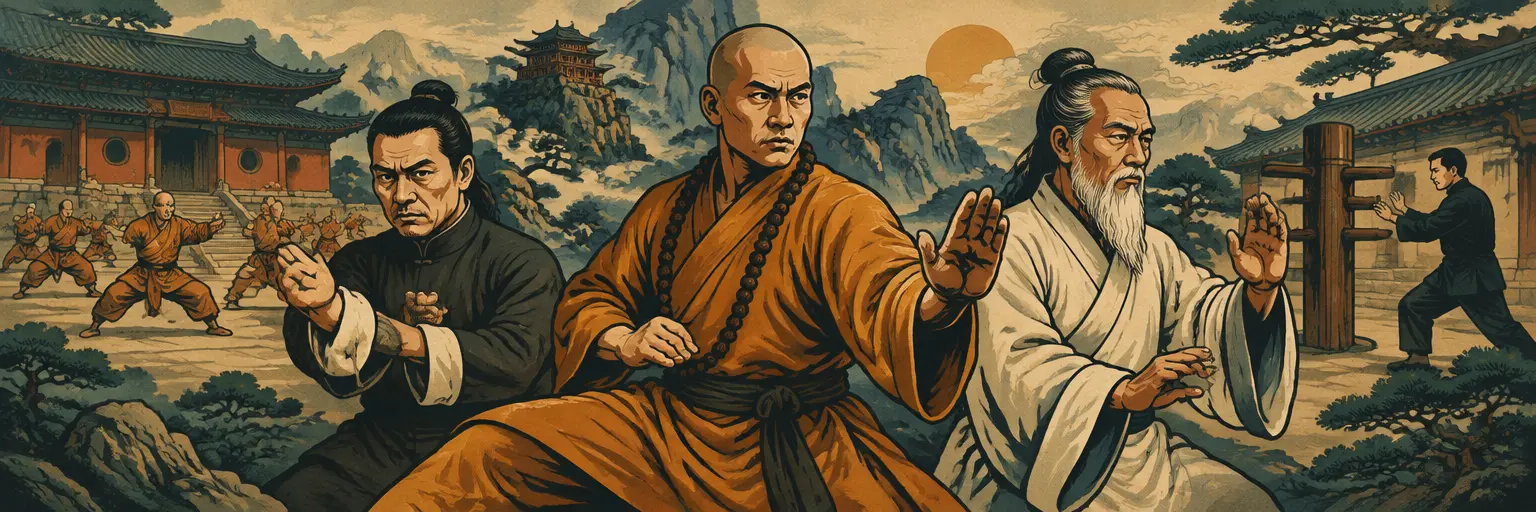
Discover the captivating stories of the influential figures who shaped the world of Chinese Kung Fu—from the legendary monks of Shaolin to the revolutionary minds behind Wing Chun and the philosophical giants of Tai Chi. These masters didn’t just perfect combat techniques; they forged a cultural legacy of discipline, resilience, and inner strength that continues to inspire martial artists worldwide. Whether you’re a practitioner seeking deeper context or a history enthusiast, explore how these icons transformed ancient traditions into living arts, blending physical prowess with profound wisdom. Their journeys—marked by sacrifice, innovation, and unyielding spirit—offer timeless lessons on mastery and self-cultivation. Dive into the profiles that bridge martial arts history with modern practice, and uncover the hidden connections between style, philosophy, and personal growth. Perfect for anyone passionate about martial arts history, self-defense, and the enduring power of human determination.
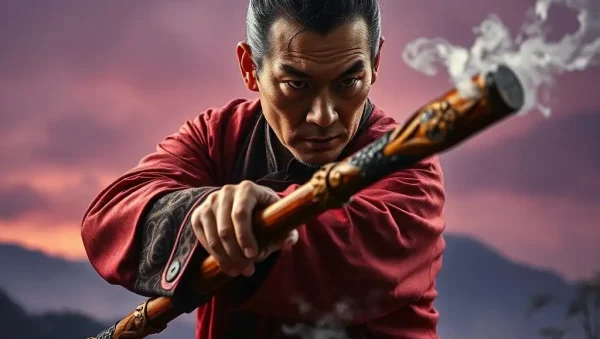
🏆 Uncover the truth behind legendary figures as MartialArtsMastery.org debunks Kung Fu master myths, separating fact from fiction to reveal the real…
Read article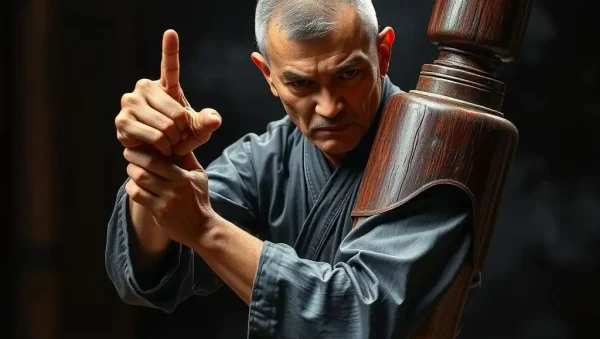
🏆 Discover the secrets of Wing Chun wooden dummy training as legendary masters reveal their profound understanding and mastery of this iconic…
Read article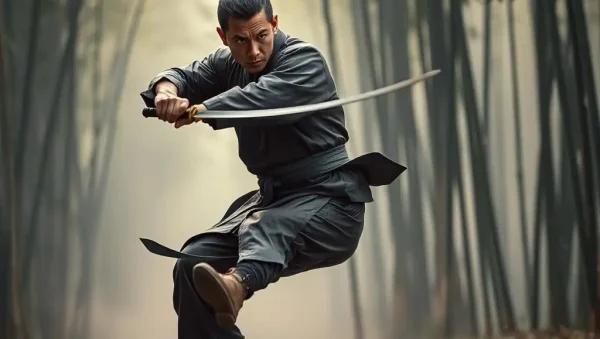
🥋 Discover the elegance and effectiveness of the Tai Chi sword through the legendary masters who perfected its art. Explore their profound…
Read article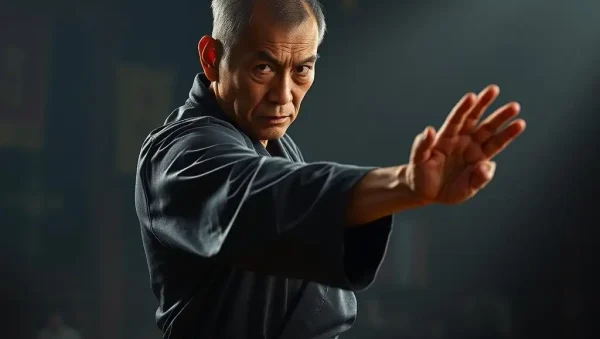
🌟 Uncover the truth behind Yim Wing Chun, the legendary founder of Wing Chun. This article on MartialArtsMastery.org delves into the fact,…
Read article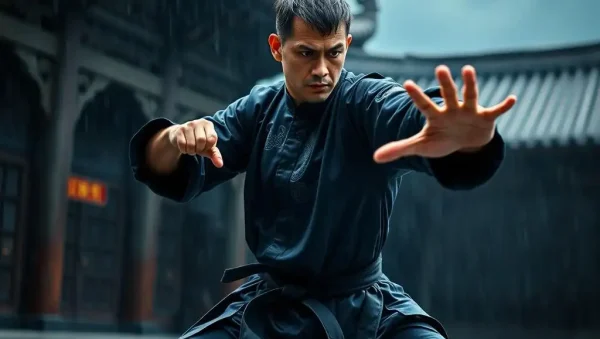
🥋 Uncover the hidden world of Chinese Kung Fu deception strategy, where ancient masters wielded cunning and intellect as potent weapons, shaping…
Read article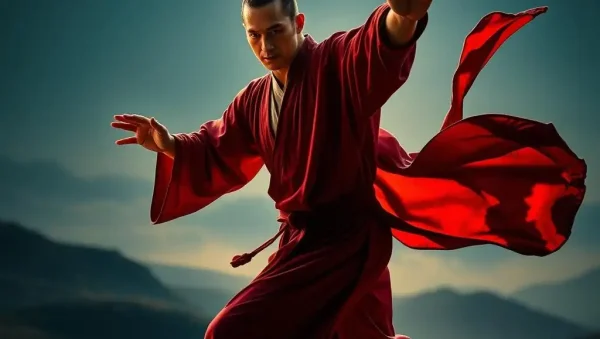
☯️ Explore the rich Tai Chi evolution styles, tracing its journey from the ancestral Chen Village to the diverse modern forms. MartialArtsMastery.org…
Read article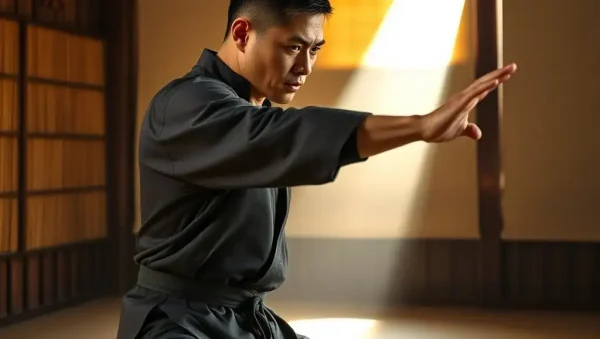
🥋 Discover how contemporary Wing Chun masters are pushing boundaries, exploring new Wing Chun evolution techniques and philosophical depths. MartialArtsMastery.org delves into…
Read articleChinese Kung Fu is not merely a combat system; it is a living chronicle of legendary personalities whose innovations, philosophies, and sacrifices shaped martial arts as we know them. On this page, we profile the pivotal influencers from the three most iconic lineages—Shaolin’s warrior monks, Wing Chun’s pragmatic street fighters, and Tai Chi’s internal health philosophers. Each master’s story offers profound insights into technique, discipline, and cultural evolution, helping you understand the human spark behind powerful forms. Whether you are a practitioner seeking lineage knowledge or a history enthusiast, these profiles illuminate the path from ancient temples to modern dojos.
Shaolin Kung Fu’s mystique begins with Bodhidharma, the Indian monk who, according to legend, traveled to the temple in the 5th century and taught exercises to strengthen weak monks—seeds of what became martial arts. His influence is debated, but the ethos of integrating meditation with movement is undeniable. Later figures like the legendary “Thirteen Staff Monks” who saved the Tang dynasty emperor elevated Shaolin’s political and martial prestige, cementing the temple as a military powerhouse.
You will also discover modern icons like Abbot Shi Yongxin, who navigates the temple’s global commercialization while preserving its combat heritage. These profiles detail how each generation redefined Shaolin—from spear techniques to iron-body conditioning—while maintaining a spiritual core. Expect to learn about the “Yi Jin Jing” (muscle/tendon changing classic) attributed to Bodhidharma, and how it remains a training staple today. This section separates myth from documented history, offering balanced biographies that inspire respect for Shaolin’s enduring legacy.
Wing Chun’s origin story centers on Ng Mui, a Shaolin nun who, after the temple’s destruction, developed a system for smaller practitioners to overcome stronger opponents. Her student, Yim Wing Chun, gave the style its name and epitomized efficiency over brute force. The lineage then moved through Red Boat Opera performers, who refined it in secrecy, until Grandmaster Ip Man brought it to Hong Kong in the mid-20th century. Ip Man’s students—most famously Bruce Lee—catapulted Wing Chun into global consciousness, yet his own story is one of resilience during war and poverty.
This profile section dives into the practical brilliance of Wing Chun’s centerline theory and sticky hands (Chi Sau), explaining how each master’s adaptations reflected their survival contexts. You will read about Ng Mui’s “five animals” influence, Yim Wing Chun’s role as a self-defense pioneer for women, and Ip Man’s democratic teaching that broke clan traditions. We provide rare photographs and family interviews, giving you a visceral sense of how these figures lived, fought, and taught. Their stories prove that innovation arises from necessity, not luxury.
Tai Chi Chuan blends martial efficiency with Daoist philosophy, and its legendary founder is Zhang Sanfeng, a semi-mythical Taoist sage credited with creating a “soft” style after witnessing a crane and snake fight. While his historical existence is uncertain, Tai Chi’s documented roots begin with Chen Wangting, a 17th-century Ming loyalist who synthesized martial techniques with internal breathing and silk-reeling energy. The Chen family village remains the source of all major Tai Chi branches. Later, Yang Luchan (19th century) broke the family monopoly by learning in secret (often disguised as a servant) and then teaching the imperial court, popularizing Tai Chi as accessible to civilians.
This segment examines how each master’s interpretation of “yin-yang” dynamics changed combat application—from Chen’s explosive fajin to Yang’s slow, meditative forms. You will understand why Tai Chi is now practiced more for health than fighting, yet how its push-hands (tui shou) drills preserve lethal Naga grappling. Profiles include contemporary figures like Cheng Manching, who exported Tai Chi to the West, and Chen Zhenglei, who revived combat focus. Expect clear explanations of “ting” (listening energy) and “dong” (understanding energy), linking each master’s philosophy to their physical innovations. This is a must-read for those seeking depth beyond surface-level slow movements.
The boundaries between Shaolin, Wing Chun, and Tai Chi are porous; many legendary figures trained across systems, creating hybrid approaches. For example, Ip Man learned White Crane (a Shaolin offshoot) before formalizing Wing Chun, while Tai Chi’s Chen Wangting incorporated Shaolin’s long-range kicks. This cross-pollination produced innovations like “Heart of the Fist” (Fist from the Heart) in Wing Chun, and Tai Chi’s “Steel wrapped in cotton” principle. By profiling figures like Wu Yuxiang (who blended Chen and Yang styles) or Leung Jan (a physician who refined Wing Chun), we illuminate how masters adapted external techniques to fix internal weaknesses.
You will also see how Bruce Lee, though not a traditional master, synthesized Wing Chun with fencing, boxing, and philosophy, creating Jeet Kune Do—a rebellion against rigid forms. His story exemplifies the “influencer” role beyond lineage, showing how charisma and media can reshape martial arts globally. This section provides a comparative lens, urging readers to view Kung Fu not as isolated schools but as a dynamic conversation across centuries. Expect detailed timelines and family trees that trace stylistic evolutions, making complex genealogy accessible. These connections enrich your own practice by borrowing mental models from multiple masters.
While historical figures set foundations, contemporary influencers keep these arts alive amidst modernization and cultural erosion. Profiles include Shi Heng Yi, a Shaolin monk using social media to teach mindfulness and forms to hundreds of thousands; Wing Chun practitioners like Chu Shong Tin, who emphasized “Nim Lik” (intention force) and taught until his 80s; and Tai Chi’s Zhu Xianghua, who prioritizes qigong for health. These masters face unique challenges: commercial dilution, authenticity debates, and competition from MMA. Their responses range from strict traditionalism to evidence-based adaptation, making their stories relevant to modern practitioners.
Our profiles balance tribute with critical analysis, exploring how digital platforms both globalize and trivialize Kung Fu. You will learn about preservation projects—like cave inscriptions at Shaolin and diaspora schools in New York—that maintain original techniques. We also highlight female masters like Gao Jiamin (Wing Chun) and Chen Juan (Tai Chi), who break male dominance, ensuring historical inclusivity. This section answers: What does it mean to be a “master” today? It is not just combat prowess but cultural stewardship. By understanding these modern figures, you gain insight into your own training environment and how to practice with authenticity in a fast-paced world.
Chen Wangting is the most documented founder, as genealogical records from the Chen village and his own writings confirm he synthesized martial and Daoist practices in the 1600s. Zhang Sanfeng remains legendary but unverified, while Yang Luchan popularized Tai Chi later. For historical accuracy, scholars point to Chen Wangting as the true progenitor, though Tai Chi’s spiritual roots are older.
Yes, according to lineage transmission and oral history, Ng Mui (a Shaolin nun) created the system, then taught it to Yim Wing Chun, a young widow. The name “Wing Chun” means “springtime” and is directly tied to her. While no primary documents from that era survive, the consistent lineage accounts from Ip Man and Red Boat Opera members make the female origin widely accepted within Kung Fu circles.
Shaolin monks viewed martial arts as a means of meditation, self-defense, and protecting the weak, not aggression. Historical records show they fought to defend monasteries, support imperial allies, and preserve Buddhism. Their training includes ethical precepts (wude) that prohibit harming without just cause. Thus, martial practice is a compassionate skill, not a contradiction of pacifism.
Ip Man simplified terminology, reduced ceremonial secrecy, and taught martial arts to anyone willing to learn, including non-Chinese and working-class students. He emphasized practical application over heritage ritual, structured classes into beginner-to-advanced modules, and allowed open sparring. This democratization enabled Wing Chun to spread globally, but some traditionalists argue it diluted certain esoteric teachings.
Yes, but traditional Tai Chi requires distinct combat training: push-hands for sensitivity, fajin for explosive power, and application practice (using forms against resistance). Many health-focused practitioners never learn these, so Tai Chi’s martial side remains hidden. In Chen and Yang styles, with proper coaching, Tai Chi’s grappling, throwing, and striking techniques are highly effective, especially against untrained opponents.