Muay Thai's Golden Age: Profiling the Titans of a Legendary Era
✨ Relive Muay Thai's golden age! MartialArtsMastery.org delves into the epic careers and unparalleled skills of its most formidable titans. Explore exclusive…
Read article
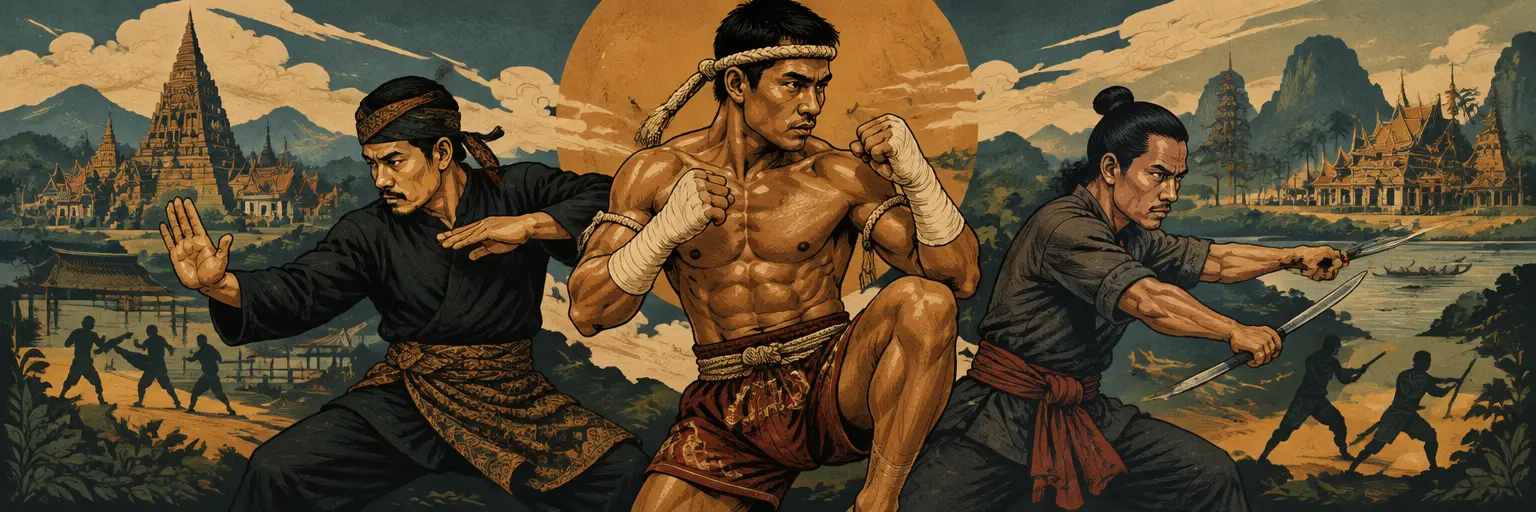
Dive into the gripping world of Legends of Southeast Asian Fighting Arts, where ancient combat systems like Muay Thai, Silat, and Kali are brought to life through the extraordinary stories of their most revered masters. These aren’t just fighters; they are cultural icons whose unmatched skill, resilience, and warrior philosophy shaped entire nations and modern martial arts. From the thunderous elbows of Thai ring legends to the flowing, deadly precision of Filipino blade warriors and the mystical, unpredictable movements of Silat pendekars, each profile reveals the secrets behind their legendary status. Explore how these influencers transformed raw brutality into a refined art, blending spirituality, discipline, and devastating effectiveness. Whether you’re a seasoned practitioner seeking deeper roots or a history enthusiast fascinated by real-world heroism, this collection uncovers the timeless techniques and indomitable spirits that continue to inspire fighters worldwide. Prepare to walk the path of the true Southeast Asian warrior—where every strike tells a story, and every master leaves an unforgettable legacy of power and honor.
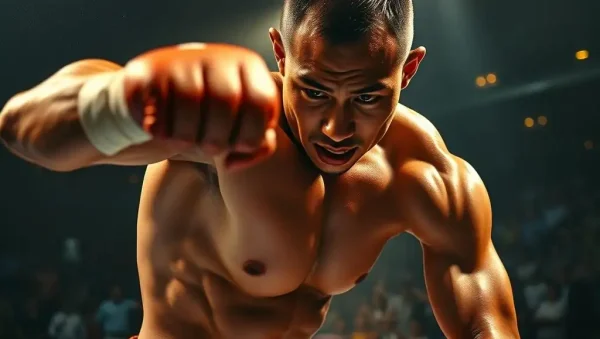
✨ Relive Muay Thai's golden age! MartialArtsMastery.org delves into the epic careers and unparalleled skills of its most formidable titans. Explore exclusive…
Read article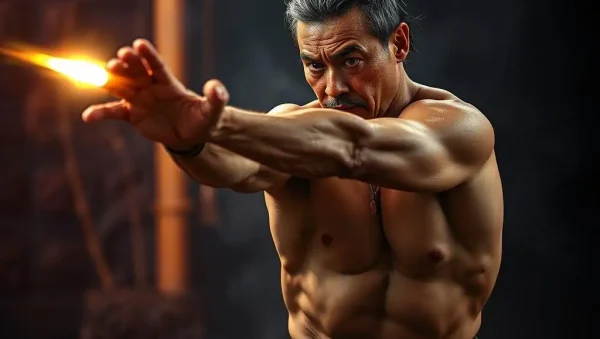
✨ Delve into the profound spiritual dimensions of Silat, where ancient traditions intertwine with powerful self-mastery. Discover the mystical masters and their…
Read article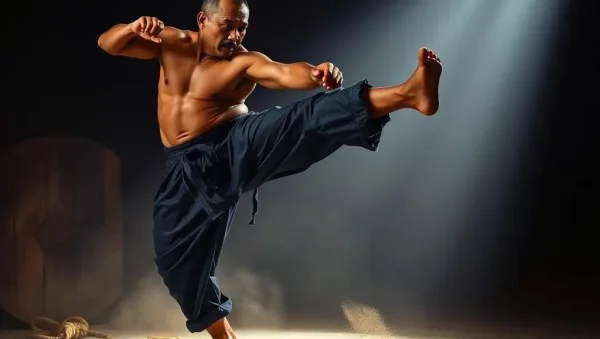
🐅 Uncover the raw power of Silat Harimau, the legendary Tiger Style. Explore its ferocious art, historical roots, and the demanding Silat…
Read article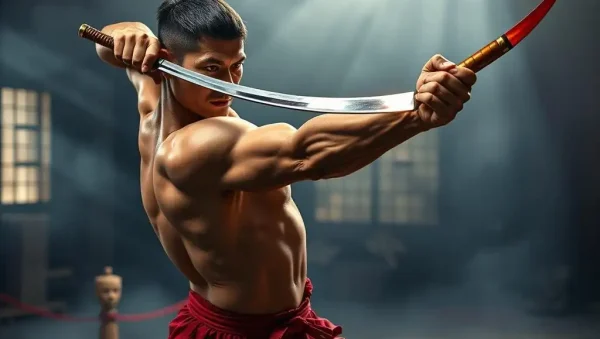
✨ Uncover the profound wisdom of "Deciphering the Numerada" on MartialArtsMastery.org. Explore the intricate Eskrima numerada techniques training, revealing the hidden codes…
Read article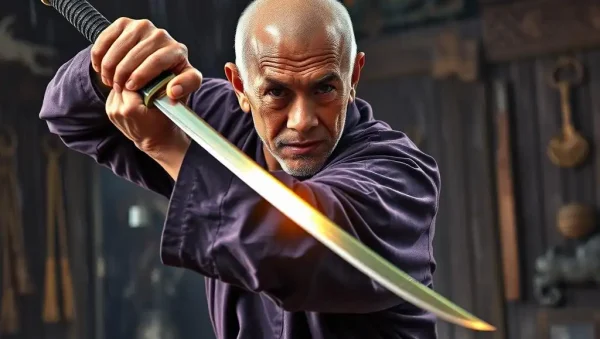
🌟 Discover the legacy of Grandmaster Anciong Bacon, the visionary founder of Balintawak Eskrima. Explore his profound impact on this dynamic Filipino…
Read article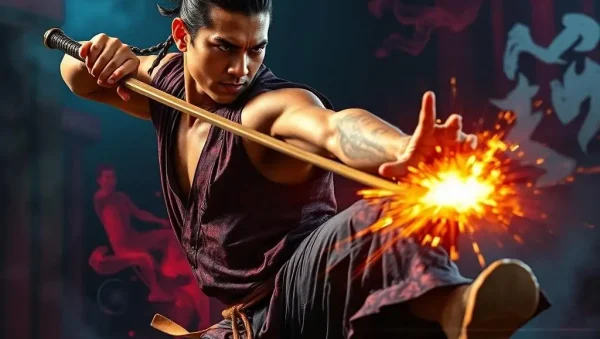
⚔️ Discover the enduring legacy of Hang Tuah, a legendary Malay warrior whose mastery of Hang Tuah Silat techniques defined him as…
Read article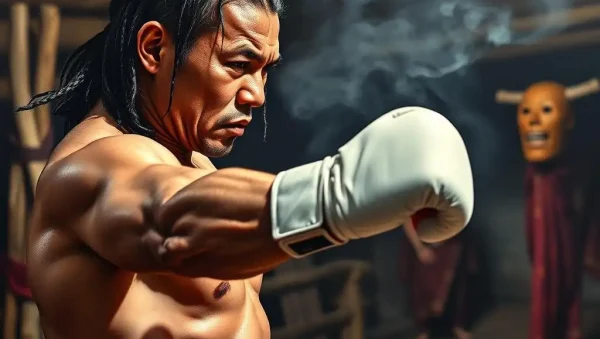
👑 Discover Nai Khanom Tom, the father of Muay Thai, whose legendary ten victories showcase unparalleled skill and resilience. Explore his enduring…
Read articleDive deep into the gripping stories and combat wisdom of the most iconic warriors and masters from the Philippines, Thailand, and the Malay Archipelago. This subcategory profiles the pioneers who shaped Muay Thai, Silat, and Kali/Escrima—from legendary nak muay to silent guardians of blade arts. Discover their training methodologies, historic bouts, and the cultural contexts that forged their unbeatable spirit. Perfect for practitioners seeking inspiration and historical grounding.
Explore the lives of fighters like Nai Khanom Tom, the father of Muay Thai, and modern icons like Samart Payakaroon and Dieselnoi Chor Thanasukarn. Each profile breaks down their signature techniques—such as Samart's devastating switch kick—and reveals the grueling camp life that produced their unshakeable endurance. Learn how these legends used psychological warfare, religious ritual, and unmatched clinch work to dominate over 200-fight careers.
Expect detailed fight narratives and technical analysis of their elbow strikes, teep defense, and cadence-breaking footwork, alongside rare training footage descriptions and modern comparisons. This section serves as both a biography and a tactical manual, showing how historical champions innovated the art for global audiences today.
Silat legends such as Grandmaster Herman Suwanda and Pendekar Paul De Thouars are examined here, revealing a world of flowing, low-stance combat mixed with spiritual cultivation. You'll learn about the jurus (form sets), empty-hand and weapon-based counters, and the kembangan (flower dance) that baffles attackers. Their stories emphasize silent adaptability, with skills passed from village elders to protect families and communities from colonial-era threats and bandits.
This section goes beyond technique to discuss the mystical ilmu (inner energy) and the ethical warrior code that governs a silat master's actions. Discover how these senior figures built entire combat systems based on reflex, breath control, and the ability to sync with an opponent's rhythm, influencing modern PMC hand-to-hand training.
Profiles feature Grandmaster Remy Presas, Angel Cabales (the father of Filipino Martial Arts in the US), and Mang Cesar (an unorthodox dynamo who defied convention). Expect breakdowns of their 12-count angles, espada y daga (sword and dagger) methods, and serrada close-quarter trapping. Each legend is tied to historical events, such as the Japanese occupation or pre-colonial tribal trade, showing how kali evolved as a decentralized yet brutally efficient flow-based system.
You’ll also read about their teaching philosophies—stress-drill practice, live-blade conditioning, and energy-assisted deflection drills—that turned novices into half-second fighters. This section is vital for anyone exploring functional self-defense, as these masters prove that the stick is a proxy for the blade, and the mano motion is timeless.
Beyond individual biographies, we examine how these legends influenced national identity and the global martial arts renaissance. Muay Thai champions became national treasures, appearing on currency, while silat masters were invited to royal courts and kali exponents shaped military CQB. This H3 also profiles female legends and unsung teachers, like Kru Prakaikan and Master Belo, who expanded access to women and foreign students.
Expect a deep dive into lineage preservation through “open” vs. “closed” teaching methods, cross-disciplinary legacies (e.g., Muay Thai’s influence on Dutch kickboxing by Ramon Dekkers, who trained with Thai masters), and the modern watering-down versus authentic retention debate. This section provides context that helps you appreciate why these warriors are still studied today.
Consolidating all three arts, we offer actionable training wisdom derived from their legendary status. The footwork matrix (kali’s triangles, silat’s langkahan steps, Muay Thai’s passing rhythm), timing drills, and de-escalation through presence, all drawn directly from documented practices. You'll learn how masters used solo dummy training (banga), resilience through rope striking (for Muay Thai), and how to build a pre-emptive timing sense that outpaces physics.
This section bridges their historical arena with your present-day gym, focusing on repetitive conditioning of angles, reading opponent weight shifts, and the mental fortitude behind ignoring the fear of impact. Ideal for brown belts and advanced beginners, it distills nine decades of combat science into digestible, applicable patterns that pay homage to the legends themselves.
Nai Khanom Tom is celebrated as the father of Muay Thai. A prisoner of war in the 18th century, he defeated nine Burmese champions in a single arena event, earning Thai independence for his prowess. His story transformed a regional kickboxing style into a national cultural treasure, and he remains a symbol of tactical brilliance mixed with pure survival will.
Silat focuses heavily on flowing, low movements with spiritual intention, empty-hand grappling, and a smaller variety of weapons (often a single knife or flexible sword). Kali/Escrima is blade-first, emphasizing weapon retention, angles of attack, and simultaneous stick-and-blade work. Kali assumes you carry a weapon, while Silat adapts to empty-hand and defense-first scenarios.
Yes. Kru Prakaikan was a fierce Muay Thai pioneer who fought men in the 1940s when female bouts were illegal, while Master Belo kept silat alive in Mindanao through secret solo practice. Modern fighters like Stamp Fairtex continue this legacy on the global stage. Their resilience proves the arts are gender-inclusive when mastered with intent.
Profiles give you context, history, and tactical insight, but they cannot replace partner drilling, live feedback, and lineage-endorsed corrections. Treat videos as supplements, not substitutes. The legends themselves emphasized one-on-one instruction and daily repetitive shadow training. Use the background to inspire, but securely connect with a certified instructor for physical practice.
Each excels differently. Muay Thai builds raw striking durability and clinch defense for stand-up encounters. Silat teaches sensitivity and disengagement under stress, while Kali immediately arms you with a stick or knife logic, useful for unpredictable attacks. The best choice depends on your body type and environment, but integrating two creates a more comprehensive, adaptable framework.