Historical Martial Arts Weapons: Origins and Evolution (Global)
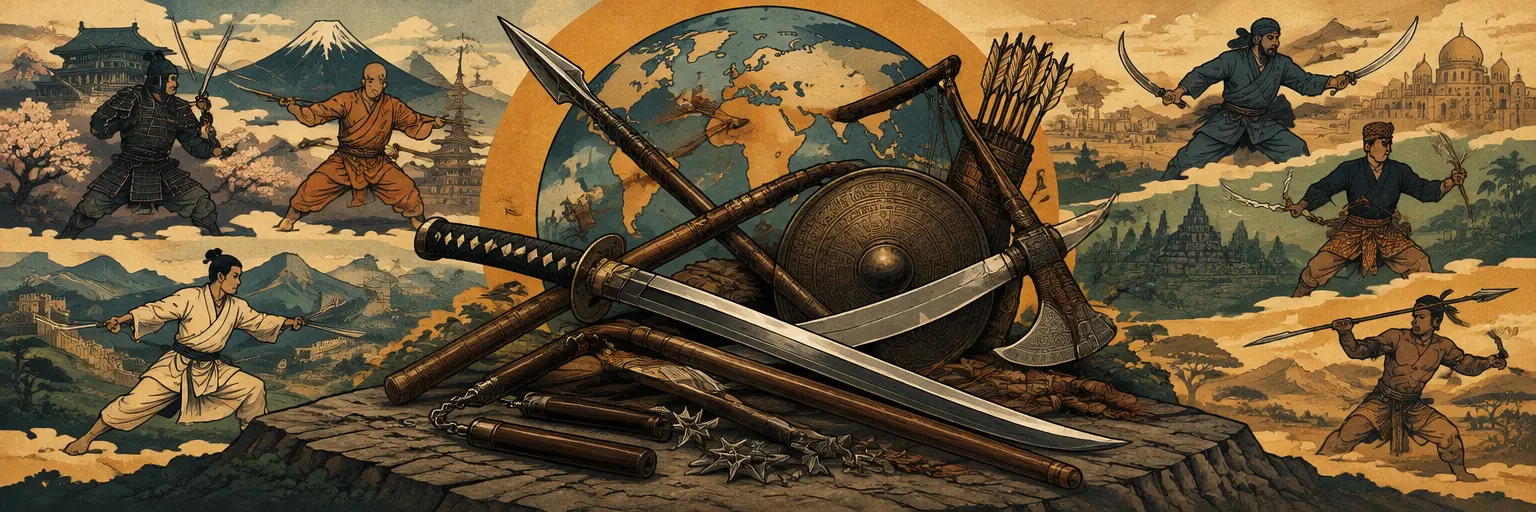
Dive into the fascinating journey of bladed, blunt, and flexible weapons that shaped combat across civilizations. This subcategory uncovers how geography, metallurgy, and warfare tactics influenced the creation and transformation of iconic tools—from the Japanese katana to the European longsword and the Indian urumi. Whether you’re a historian, collector, or practitioner, you’ll gain a deeper appreciation for the cultural DNA embedded in each weapon’s design and usage.
🗡️ The Birth of Blades: From Stone to Steel
Origins of edged weapons trace back to prehistoric flint knives, but the leap to forged bronze and iron revolutionized warfare. Early civilizations like the Egyptians and Mesopotamians crafted khopesh and sickle-swords, prioritizing draw cuts over thrusts. As smelting techniques advanced, the Iron Age introduced stronger, lighter blades, enabling longer swords like the Celtic spatha. This evolution wasn’t linear—each region adapted designs based on available ores, enemy armor, and horseback combat needs.
Expect to explore how pattern-welding and differential hardening emerged independently in Europe, Japan, and the Middle East. You’ll learn why the Viking ulfberht sword became a status symbol due to its superior carbon content, while Chinese jian dual-edged blades prioritized precision over raw power. This section demystifies the technological arms race that turned simple tools into masterpieces of lethal artistry.
🛡️ Shields, Spears, and Polearms: The Unsung Heroes
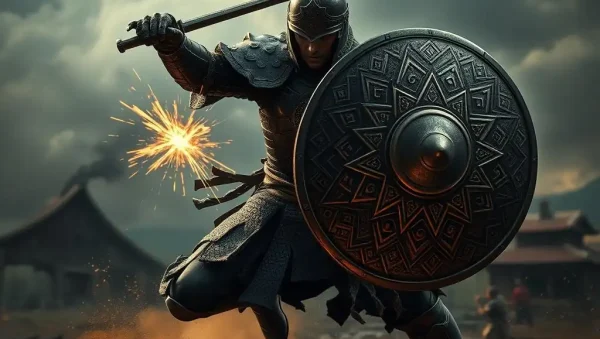
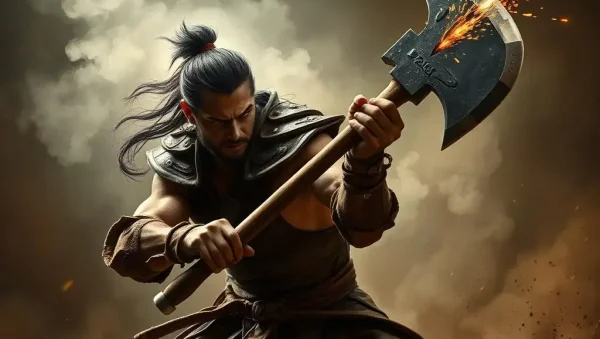
While swords dominate popular imagery, polearms and shields were the true workhorses of ancient battlefields. The Greek dory spear paired with the aspis shield formed the phalanx, a formation that conquered Persia. In medieval Europe, the halberd combined axe, spike, and hook, allowing foot soldiers to counter mounted knights. Meanwhile, the Japanese naginata gave warriors reach and sweeping power, favored by both samurai and monastic defenders.
This segment highlights how reach and leverage often outweighed blade quality. You’ll examine the evolution of the Roman pilum, designed to bend on impact to disable enemy shields, and the Chinese qiang spear, whose flexibility confused opponents. Learn how these weapons dictated formation tactics, from the Swiss pike squares to the Ottoman teber axe, and why they remained dominant even after firearms emerged.
⚔️ Cross-Cultural Exchange: Silk Road and Beyond
Weapons didn’t stay in isolation—trade routes and invasions sparked fusion innovations. The Silk Road carried the Indian khanda sword eastward, influencing the Chinese dao and Southeast Asian kris with its wavy blade. Mongol conquests spread the composite bow and curved sabre, which later shaped the Polish szabla and Russian shashka. The Crusades introduced European knights to the curved falchion, blending cutting power with European guard designs.
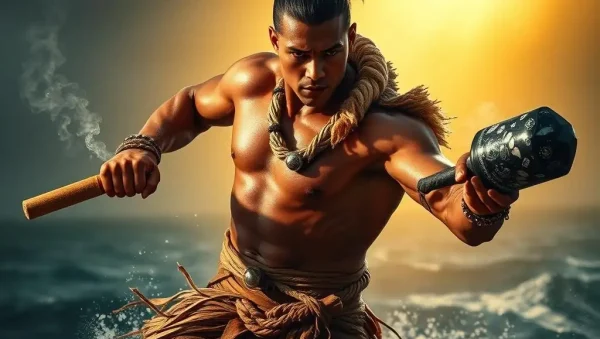
Discover how migration and conquest accelerated weapon evolution, not just in shape but in combat philosophy. The Ottoman kilij adopted a deeper curve for devastating cuts on horseback, while the Persian shamshir refined this for dueling. This section also covers colonial encounters—like the Spanish espada ropera meeting Aztec macuahuitl—showing how technology transfer often came at a violent cost. Expect case studies on how the Japanese adapted Chinese tachi into their signature katana.
🌀 Flexible and Exotic Weapons: Whips, Chains, and Rings
Not all historical weapons were rigid—flexible weapons offered unique tactical advantages in civilian and covert settings. The Indian urumi, a whip-like sword of multiple blades, required incredible skill but could attack around shields. The Chinese sansetsukon (three-section staff) blurred the line between staff and chain, while the Japanese kusarigama combined a sickle with a weighted chain, allowing takedowns and disarms.
Explore why these weapons were often associated with ninja or peasant classes, as they were easy to conceal and unconventional. The Philippine kali sticks and the Korean sipjangseung chain whip demonstrate regional variations in flexible combat. This section also examines the meteor hammer and rope dart, which used centrifugal force for surprise attacks, and why they fell out of favor in formal military settings—yet survive in martial arts schools today.
🏺 Decline and Revival: Firearms and Modern Legacy
The introduction of gunpowder in the 14th century marked a slow but inevitable decline of traditional weapons in battle. Armor became obsolete, and melee weapons shifted to civilian self-defense or ceremonial roles. However, the 19th-century nationalist movements sparked a revival, as countries like Japan and the Philippines codified their indigenous fighting systems. The katana transformed from a battlefield tool to a symbol of Bushido, while the European longsword was revived through historical European martial arts (HEMA).
You’ll learn how modern practitioners recreate lost techniques using period manuals and archaeological evidence. This section covers the rise of tournament sparring with steel swords, the cultural preservation of Chinese wushu weapons, and the global fascination with Filipino arnis sticks. It also addresses controversies, such as the romanticization of the samurai sword versus its practical battlefield use, and how replicas and training tools honor—but also distort—historical accuracy.
Frequently Asked Questions
What was the most influential historical weapon globally?
The spear, in its many forms, is arguably the most influential due to its simplicity, reach, and low cost. From Greek phalanxes to Chinese infantry, spears dominated battles for millennia. Their evolution into pikes and bayonets bridged melee and gunpowder eras, proving adaptability across cultures and time periods.
How did geography affect weapon design?
Geography dictated available materials and combat styles. Tropical regions favored lightweight, rust-resistant woods like rattan for sticks, while arid areas used bone or horn. Mountainous terrains led to shorter blades for close-quarters, whereas open plains encouraged long polearms. Cold climates inspired thick, heavy blades to cut through layered clothing or armor.
Were curved swords better than straight ones?
It depends on primary use. Curved swords like the sabre excel at slashing from horseback, distributing force along a longer edge. Straight swords, like the arming sword, offer better thrusting precision against armor gaps. Cavalry favored curves, while infantry in dense formations preferred straight blades for quick, targeted strikes.
Why did some weapons become ceremonial symbols?
As firearms made combat weapons obsolete, many retained cultural significance—like the Scottish claymore or Japanese katana—representing honor, lineage, and national identity. Their craftsmanship and spiritual associations elevated them beyond utility, preserving tradition even as their practical combat role faded.
Can I learn to use these historical weapons today?
Yes, through HEMA, Filipino martial arts, Japanese koryu, and Chinese wushu schools. Many use synthetic or blunted steel replicas for safety. Online tutorials and historical manuals (e.g., Fiore dei Liberi’s works) offer self-study, but a qualified instructor ensures correct technique and prevents injury. Always train with proper protective gear.