
Analyzing Tachi Uchi no Kurai: A Deep Dive into this Classical Kenjutsu Kata

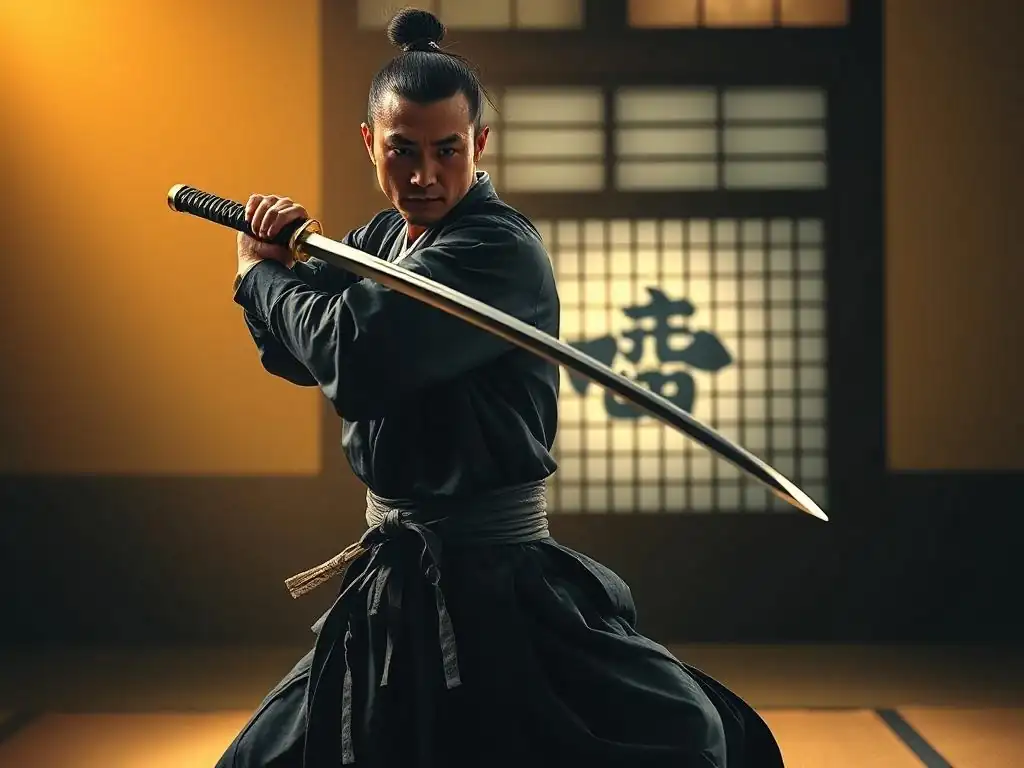
Welcome to Martial Arts Mastery, where we explore the depths of combat traditions!
Delve into the intricate world of kenjutsu with us as we dissect the Tachi Uchi no Kurai technique. This classical kata holds secrets to understanding not just swordsmanship, but the very essence of martial strategy. Ready to unravel the layers of history and application embedded within each precise movement? Let the analysis begin...
- Detailed Breakdown of the Tachi Uchi no Kurai Technique
-
Frequently Asked Questions
- What is the Tachi Uchi no Kurai technique?
- What is the historical significance of Tachi Uchi no Kurai?
- Where does Tachi Uchi no Kurai fit within the broader context of martial arts?
- What types of training are involved in learning Tachi Uchi no Kurai?
- What are the key philosophical underpinnings of Tachi Uchi no Kurai?
- Final Reflection: The Enduring Legacy of Tachi Uchi no Kurai
- Evolve Your Kenjutsu: Embrace the Way of Tachi Uchi!
Detailed Breakdown of the Tachi Uchi no Kurai Technique
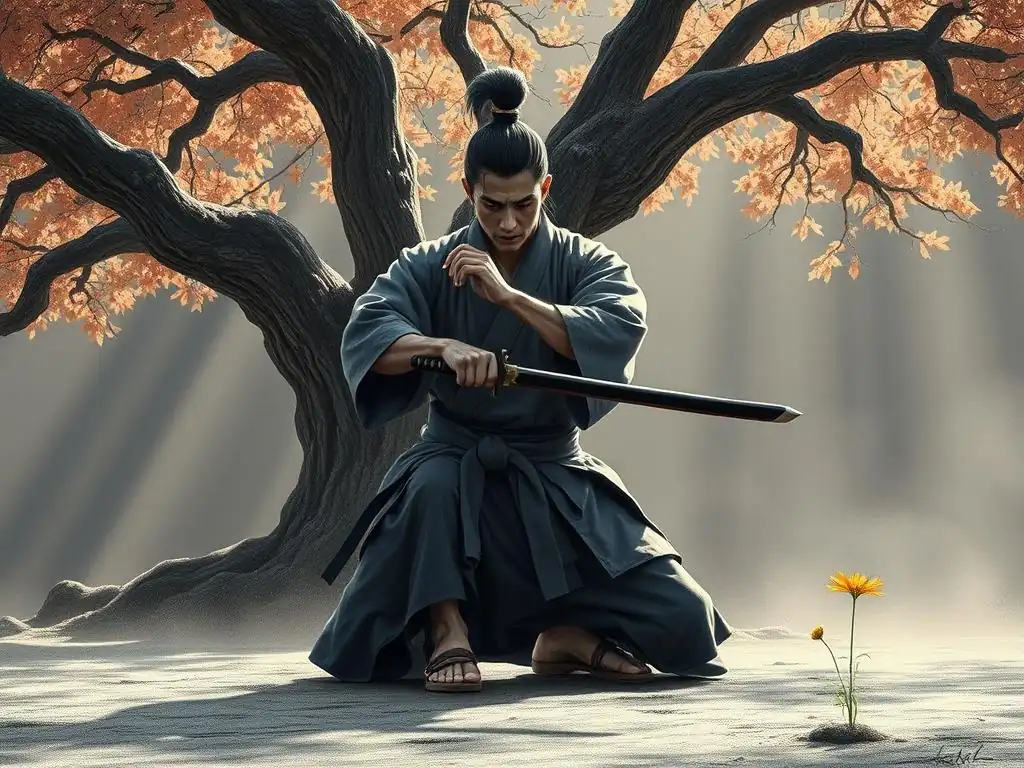
Analyzing the execution of the Tachi Uchi no Kurai technique reveals a sophisticated interplay of fundamental kenjutsu principles. This classical sequence, typically practiced by two individuals (Shi and Uke), is not merely a set of predetermined movements but a dynamic exercise in timing, distance management, and combative intent. Each phase, from the initial interaction to the final sheathing, is laden with practical lessons applicable to actual sword engagement. Understanding the nuances of this specific Tachi Uchi no Kurai technique requires careful study of posture, breath, and the precise application of force.
The detailed analysis of the Tachi Uchi no Kurai technique often highlights the importance of mushin (empty mind) and zanshin (lingering spirit). While the physical movements are critical, the mental state of the practitioner dictates the effectiveness and authenticity of the execution. Practicing the Tachi Uchi no Kurai technique allows students to internalize these abstract concepts through physical repetition, making them tangible realities in their swordsmanship. Mastery comes not just from performing the steps correctly but from embodying the principles behind them, ensuring the technique remains alive and adaptable.
Step-by-Step Analysis of Each Movement in Tachi Uchi no Kurai
The Tachi Uchi no Kurai technique unfolds through a series of carefully choreographed exchanges, each designed to teach specific combative principles. While variations exist depending on the specific lineage of Musō Jikiden Eishin-ryū, the core sequence generally follows a pattern of initial encounter, defensive action, counter-attack, and resolution. This detailed breakdown focuses on the primary actions performed by Shi, the one executing the Tachi Uchi no Kurai technique against Uke's actions.
Performing the Tachi Uchi no Kurai technique effectively relies on precise timing relative to Uke's movements. For instance, the initial draw and cut often occur simultaneously with Uke's advance or attack initiation, demanding acute awareness and reactive speed. The subsequent defensive actions and counter-cuts require judging the optimal moment to intercept or evade and deliver a decisive response, often within a very narrow window of opportunity. The entire sequence is a masterclass in executing complex sword actions under simulated pressure, refining the practitioner's ability to apply the Tachi Uchi no Kurai technique in a dynamic context.
Initial Stance and Draw (Nukitsuke) - Uken
The kata often begins from a seated posture, such as seiza or tatehiza, reflecting historical samurai practice. As Uke makes an initial move or challenge (often a step or feint), Shi initiates the Tachi Uchi no Kurai technique with nukitsuke, the simultaneous draw and cut.
This draw is not merely unsheathing the sword; it is a rapid, horizontal or slightly upward cut aimed at a vital area like Uke's suigetsu (solar plexus) or wrist, delivered as the sword clears the saya (scabbard). The action must be fluid and powerful, utilizing the principle of saya-biki (pulling the scabbard back) to facilitate the draw and add force to the cut.
The effectiveness of this initial nukitsuke in the Tachi Uchi no Kurai technique hinges on explosive power generated from the hips and core, channeled through a relaxed grip ( tenouchi) that tightens only at the moment of impact. The sound of the blade drawing swiftly through the saya, sometimes referred to as tsuru no koe (crane's cry), is considered an indicator of a proper, clean draw.
A common target approximation in training might be a point roughly 30-40 cm forward from the hara (lower abdomen), emphasizing the close-quarters nature of this initial engagement within the Tachi Uchi no Kurai technique.
First Cut (Kirioroshi) and Follow-Up - Ukemen
Following the initial nukitsuke, Uke often responds with a strong downward cut ( kirioroshi) towards Shi's head or face ( Ukemen). Shi's response, part of the core Tachi Uchi no Kurai technique, involves receiving this cut or evading it while transitioning into their own powerful kirioroshi. This downward cut is arguably the most fundamental and devastating technique in kenjutsu, aimed at cleaving through the opponent. In Tachi Uchi no Kurai, Shi's kirioroshi is typically directed towards Uke's Ukemen, aiming to end the encounter decisively.
The power for this kirioroshi cut in the Tachi Uchi no Kurai technique is generated by dropping the body's weight, extending the arms, and snapping the wrists at the point of impact. The blade should travel in a straight, vertical line, cutting with the monouchi (the forward third of the blade).
After the cut, Shi maintains a strong posture, exhibiting zanshin – remaining alert and ready for any further action Uke might take, even if the kata dictates a specific next step. This phase solidifies the understanding of delivering a committed, powerful finishing cut within the Tachi Uchi no Kurai technique sequence.
Defensive Techniques and Counter-Attacks - Migi/Hidari Kesa Giri
As the Tachi Uchi no Kurai technique progresses, it often incorporates defensive maneuvers against Uke's continued attacks or counter-attacks. Uke might deliver diagonal cuts, such as migi kesa giri (a cut from the upper right to the lower left) or hidari kesa giri (upper left to lower right), targeting Shi's sides or limbs. Shi must respond with appropriate blocking, parrying, or evading techniques, often referred to as ukewaza or nagashi.
Immediately following the defensive action, Shi executes a counter-attack, frequently employing their own kesa giri or another appropriate cut. For example, after receiving or evading Uke's migi kesa giri, Shi might respond with a powerful hidari kesa giri aimed at Uke's body.
This phase of the Tachi Uchi no Kurai technique emphasizes the fluid transition from defense to offense, requiring precise footwork ( ashi-sabaki) and body movement ( tai-sabaki) to maintain balance and generate power. The timing of the counter is critical – striking just as Uke's attack is neutralized or their balance is compromised demonstrates a high level of skill in the Tachi Uchi no Kurai technique.
Final Posture and Sheathing (Noto) - Ganmen Ate
The conclusion of the combative phase of the Tachi Uchi no Kurai technique involves achieving a position of dominance or safety, followed by the ritualistic actions of chiburi (shaking blood from the blade) and noto (sheathing the sword). Chiburi is a practical action, ensuring the blade is clean before returning it to the saya, often performed with a specific movement like the large arc Ō-chiburi or the smaller, closer Yoko-chiburi.
Noto, the act of sheathing, is the final part of the Tachi Uchi no Kurai technique's physical execution but is equally important. It must be performed carefully and deliberately, without looking directly at the saya, relying on proprioception and feel. Maintaining zanshin throughout the chiburi and noto is paramount; even though the simulated conflict is over, the practitioner remains alert to their surroundings. The final posture often involves returning to a natural standing position ( tachi-ai) or kneeling ( seiza), signifying the completion of the Tachi Uchi no Kurai technique while retaining the awareness cultivated during the practice.
Common Mistakes and Corrections in Tachi Uchi no Kurai Practice
Practicing the Tachi Uchi no Kurai technique, like any complex martial art form, is fraught with potential errors that can hinder progress and compromise effectiveness. Identifying and correcting these mistakes is crucial for developing proper form, power, and understanding of the underlying principles. Common issues often relate to posture, timing, power generation, and maintaining mental focus throughout the sequence.
Addressing these errors systematically is key to mastering the Tachi Uchi no Kurai technique. Instructors often provide detailed feedback, focusing on specific anatomical adjustments or timing cues. For instance, correcting a weak cut might involve emphasizing driving power from the legs and hips rather than just the arms, a common pitfall. Persistent, mindful repetition, often under the guidance of an experienced teacher, is the most effective method for refining the Tachi Uchi no Kurai technique and overcoming ingrained bad habits.
- Mistake: Rushing the nukitsuke draw, resulting in a noisy or jerky action.
- Correction: Practice slow, controlled draws focusing on the smooth, consistent pressure of the saya-biki and the angle of the blade relative to the saya's mouth ( koiguchi). Ensure lubrication of the saya interior if necessary.
- Mistake: Cutting with arms only during kirioroshi or kesa giri, leading to weak power and poor balance.
- Correction: Focus on integrating the entire body into the cut. Practice suburi (solo cutting drills) emphasizing driving power from the legs, rotating the hips, and dropping the body weight. Feel the connection from feet to blade.
- Mistake: Looking down at the saya during noto, losing zanshin.
- Correction: Practice sheathing blindfolded or with eyes focused forward or on a potential threat area. Develop tactile sensitivity with the koiguchi and the blade tip ( kissaki) to guide the sheathing process without visual aid.
- Mistake: Breaking posture or losing balance during transitions between movements.
- Correction: Slow down the transitions. Practice footwork drills ( ashi-sabaki) independently. Focus on maintaining a stable center of gravity throughout the Tachi Uchi no Kurai technique. Ensure knees are bent and weight is distributed evenly.
- Mistake: Lack of kiai or weak intent during strikes.
- Correction: Understand the purpose of each movement. Visualize the target and the desired effect. Practice vocalizing kiai sharply and powerfully at the point of impact, coordinating breath with the physical action. Engage the core to support the kiai.
Frequently Asked Questions
What is the Tachi Uchi no Kurai technique?
The Tachi Uchi no Kurai is a classical kenjutsu kata found in certain Japanese martial arts traditions. It focuses on simulating combat scenarios and teaching fundamental sword-handling skills.
What is the historical significance of Tachi Uchi no Kurai?
It's significant because it provides a preserved glimpse into historical kenjutsu practice. It often represents the core curriculum of specific schools and lineages.
Where does Tachi Uchi no Kurai fit within the broader context of martial arts?
Within MartialArtsMastery.org, it falls under the categories of martial arts disciplines and historical overviews. It offers insight into the practical self-defense strategies of the past.
What types of training are involved in learning Tachi Uchi no Kurai?
Training typically involves partnered practice, replicating the movements and principles of the kata. Focus is placed on precision, timing, and understanding the underlying concepts.
What are the key philosophical underpinnings of Tachi Uchi no Kurai?
It emphasizes concepts like situational awareness, efficient movement, and the importance of mental discipline alongside technical skill.
Final Reflection: The Enduring Legacy of Tachi Uchi no Kurai
The meticulous analysis of Tachi Uchi no Kurai technique presented here underscores its continued relevance in understanding the principles of classical kenjutsu. While modern martial arts evolve, the foundational wisdom embedded within this kata offers invaluable insights into strategy, body mechanics, and the very essence of swordsmanship. The depth and complexity revealed through its study highlight its significance beyond mere historical preservation.
The influence of Tachi Uchi no Kurai extends beyond the dojo, shaping our appreciation for the dedication and discipline inherent in traditional Japanese arts. Personally, exploring this kata has deepened my respect for the lineage of knowledge passed down through generations, a lineage that demands not just physical prowess, but also intellectual and spiritual understanding. The way of the warrior is to master the virtue of loyalty, courage, justice, and compassion.
- Miyamoto Musashi. This quote, though broad, perfectly encapsulates the spirit embodied within the precise movements and strategic considerations of Tachi Uchi no Kurai.
Now, as you reflect on the intricacies of Tachi Uchi no Kurai technique, consider how its principles of balance, timing, and intent can be applied to your own pursuits. Whether in martial arts, creative endeavors, or everyday interactions, strive to embody the same focus, precision, and unwavering commitment to excellence that this ancient kata represents. Let the legacy of Tachi Uchi no Kurai inspire you to cultivate your own path with mindful intention and unwavering dedication.
Evolve Your Kenjutsu: Embrace the Way of Tachi Uchi!
Thank you for exploring the depths of Tachi Uchi no Kurai with us. We hope this analysis has sparked a deeper appreciation for its history and technical nuances. Now, let's put that knowledge into action.
Here’s how you can continue your journey:
- Master the First Movement: Dedicate your next training session to perfecting the initial engagement of Tachi Uchi, focusing on precise footwork and kamae.
- Delve Deeper: Research the historical context of Tachi Uchi no Kurai. Understanding its origins can further illuminate its meaning.
- Share Your Insights: Discuss your interpretation of the kata with fellow martial artists on our forum at martialartsmastery.org.
What subtle detail about Tachi Uchi no Kurai will you focus on refining this week?