
More Than Just Moves: Why Preserving Traditional Martial Arts Matters for Humanity.

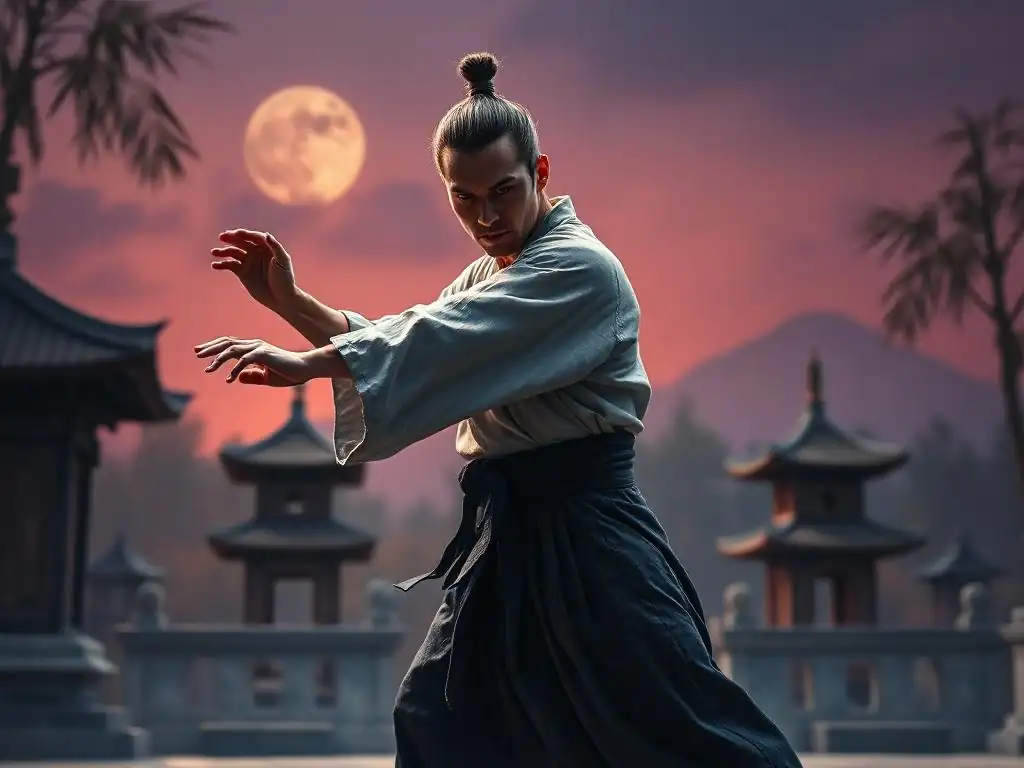
Welcome to Martial Arts Mastery, your gateway to the rich tapestry of global combat traditions. Have you ever considered that the ancient forms are more than just fighting styles? Delve into " More Than Just Moves: Why Preserving Traditional Martial Arts Matters for Humanity", and discover the profound traditional martial arts preservation benefits that extend far beyond the dojo, shaping culture, philosophy, and even our understanding of ourselves. Intrigued? The journey begins now...
- The Enduring Value of Traditional Martial Arts: Beyond Physical Techniques
- Why Traditional Martial Arts Preservation Benefits the World
- The Decline of Traditional Martial Arts: A Global Challenge
- The Multifaceted Benefits of Preserving Traditional Martial Arts
- Case Studies: Successful Initiatives in Traditional Martial Arts Preservation
- The Role of Technology in Preserving Traditional Martial Arts
- The Future of Traditional Martial Arts: A Call to Action
- How You Can Contribute to Traditional Martial Arts Preservation Efforts
- Conclusion: Ensuring the Legacy of Traditional Martial Arts for Future Generations
-
Frequently Asked Questions
- What are the primary benefits of traditional martial arts preservation?
- How does preserving traditional martial arts contribute to cultural understanding?
- What are some practical self-defense benefits derived from practicing traditional martial arts?
- How can MartialArtsMastery.org help me learn more about traditional martial arts preservation?
- What role do legendary practitioners play in the preservation of traditional martial arts?
- Final Reflection: Embracing the Legacy of Movement
- Embrace the Legacy: Take Action and Preserve Martial Arts!
The Enduring Value of Traditional Martial Arts: Beyond Physical Techniques
Traditional martial arts are far more than just systems of combat or physical exercise. They are living repositories of history, philosophy, and cultural identity, passed down through generations. Each movement, form (kata, poomsae, etc. ), and technique often carries with it centuries of refinement and adaptation, reflecting the environment, societal structure, and even the spiritual beliefs of its originators. Unlike modern sports, which often prioritize performance and competition, the value in traditional disciplines frequently lies in the journey of self-discovery, ethical development, and the connection to a rich heritage.
The depth of traditional martial arts lies in their holistic approach. Training typically encompasses physical conditioning, technical proficiency, mental discipline, and ethical instruction. Practitioners learn not just how to fight, but also about respect, humility, perseverance, and self-control. This comprehensive development is a core reason why preserving these arts holds such significance. They offer a unique pathway to cultivate character and build resilience, qualities increasingly valuable in the complexities of modern life, providing traditional martial arts preservation benefits that extend far beyond mere physical prowess.
Why Traditional Martial Arts Preservation Benefits the World
Safeguarding Cultural Heritage Through Martial Arts
Traditional martial arts are deeply intertwined with the cultural fabric of the regions and communities where they originated. They embody unique historical narratives, social customs, and even linguistic nuances. For example, the movements and terminology of Okinawan Karate reflect aspects of island life and historical interactions, while the flowing, circular motions of Baguazhang are often linked to Taoist cosmology. Preserving these arts is akin to preserving other forms of intangible cultural heritage, such as traditional music, dance, or craftsmanship. It ensures that the stories, values, and unique expressions of a people are not lost to time.
The loss of a traditional martial art is the loss of a piece of human history and cultural diversity. When a lineage dies out or a style is significantly altered without regard for its roots, generations of accumulated knowledge, practical wisdom, and cultural context vanish. Organizations like UNESCO recognize the importance of safeguarding such intangible cultural heritage, listing arts like Korea's Taekkyeon or China's Taijiquan as examples. The efforts to document, teach, and support these arts are crucial steps in ensuring their survival, highlighting the profound traditional martial arts preservation benefits for global cultural diversity.
The Importance of Passing Down Martial Arts Lineage
The concept of lineage is central to many traditional martial arts. Knowledge is transmitted directly from teacher to student, often through a formal master-disciple relationship that emphasizes loyalty, respect, and diligent practice. This direct transmission ensures the authenticity and integrity of the techniques, forms, and underlying principles as they were originally intended. While written texts and videos can document aspects of an art, the subtle nuances, energy flow, and practical applications are often best learned through direct physical and personal instruction from an experienced practitioner who is part of a recognized lineage.
Maintaining strong lineages is vital for the long-term survival of traditional styles. A broken lineage can lead to the dilution or misinterpretation of techniques and philosophy over time, potentially transforming the art into something significantly different from its original form. Dedicated masters and schools committed to upholding the standards and teachings of their lineage play an indispensable role. Their commitment ensures that future generations have access to the authentic practice, allowing them to connect with the art's history and fully realize the traditional martial arts preservation benefits embedded within its structure and teachings.
Preserving the Philosophical Foundations of Martial Arts
Beyond physical techniques, traditional martial arts are often grounded in profound philosophical and ethical frameworks. Whether drawing from Confucianism, Taoism, Buddhism, Shinto, or local indigenous beliefs, these philosophies provide a moral compass and guide the practitioner's conduct both inside and outside the training hall. Concepts like Ren (benevolence) in some Chinese arts, Bushido (the way of the warrior) in Japanese arts, or the emphasis on non-violence and self-improvement found in many styles are not mere add-ons; they are integral to the practice itself.
The philosophical dimensions teach patience, humility, perseverance, and respect for oneself and others. They encourage introspection and self-mastery, viewing physical training as a path to spiritual or personal growth. In a world often focused on external achievement, preserving these internal, ethical dimensions of martial arts offers a valuable counterpoint. It ensures that practitioners understand the why behind the how, fostering responsible use of skills and promoting personal development, which are significant traditional martial arts preservation benefits often overlooked in a purely physical context.
The Decline of Traditional Martial Arts: A Global Challenge
The Impact of Modernization on Martial Arts Training
Modernization presents significant challenges to traditional martial arts. Rapid societal changes, including urbanization, shifts in educational priorities, and changing lifestyles, mean fewer people have the time or inclination for the rigorous, long-term training that many traditional styles require. Traditional dojos or schools, often requiring dedicated space and a stable student base, struggle to compete with more accessible, fitness-oriented, or sport-focused alternatives. The emphasis on fast results and convenience in modern culture can clash with the traditional focus on gradual mastery and deep understanding.
Furthermore, the traditional master-disciple model can be difficult to sustain in contemporary society. Younger generations may be less willing to commit to the extensive dedication and hierarchical structure often expected in traditional training. Economic pressures also play a role, as maintaining a traditional school can be financially challenging, especially if student numbers dwindle or if the art is not easily commercialized. These factors collectively contribute to the decline of traditional training methodologies and structures, impacting the viability of these arts.
The Rise of Hybrid Martial Arts and its Effect on Tradition
The latter half of the 20th century and the beginning of the 21st have seen a significant rise in hybrid and sport-oriented martial arts, such as Mixed Martial Arts (MMA), Krav Maga, and various forms of sport Karate or Taekwondo. These styles often prioritize practical self-defense in modern contexts or effectiveness in competitive settings. While valuable in their own right, their popularity can draw students away from traditional schools, which may be perceived as less "practical" or "effective" for modern combat or sport.
The success of hybrid arts can inadvertently pressure traditional styles to adapt or incorporate elements that may compromise their historical integrity. While evolution is natural, rapid or unconsidered changes driven by market demands can dilute the unique characteristics, forms, and philosophical depth that define a traditional art. This phenomenon highlights the delicate balance required to maintain authenticity while remaining relevant in a changing world, a challenge that traditional martial arts preservation benefits efforts aim to address.
Economic Pressures and the Survival of Traditional Styles
Financial sustainability is a major hurdle for many traditional martial arts schools and practitioners. Running a dedicated training space, especially in urban areas, involves significant costs like rent and utilities. Many traditional masters dedicate their lives to their art, but relying solely on student fees may not provide a sufficient income, particularly for less popular or niche styles. This can force practitioners to seek other forms of employment, reducing the time available for teaching and training the next generation.
The commercialization of martial arts can also be a double-edged sword. While it can provide revenue, pressure to simplify training, award belts quickly, or focus solely on physical techniques to attract students can undermine the art's traditional values and depth. Finding ways to support traditional schools, perhaps through grants, cultural funding, or community initiatives, is essential for their economic survival and therefore for the long-term preservation of the art itself. Addressing these economic realities is crucial for the success of traditional martial arts preservation benefits initiatives.
The Multifaceted Benefits of Preserving Traditional Martial Arts
Protecting Intangible Cultural Heritage (ICH) through Martial Arts
As recognized by international bodies like UNESCO, traditional martial arts are vital components of a community's intangible cultural heritage. Their preservation ensures that unique cultural expressions, historical knowledge, and social values are maintained and transmitted. For instance, the specific rituals, clothing, music, and language used in the practice of certain traditional arts are inextricably linked to their cultural context. Protecting the art means protecting these associated cultural elements.
Efforts to preserve traditional martial arts contribute directly to the broader goal of maintaining global cultural diversity. Each distinct style represents a unique approach to movement, strategy, and human potential developed over centuries within a specific cultural milieu. By supporting their continuation, we safeguard this rich tapestry of human ingenuity and cultural expression, ensuring that future generations can learn from and appreciate the diverse ways humanity has explored physical and mental discipline. This is a core aspect of traditional martial arts preservation benefits.
Promoting Physical and Mental Well-being Through Traditional Practice
Traditional martial arts training offers significant benefits for physical health, including improved strength, flexibility, balance, coordination, and cardiovascular fitness. The emphasis on precise movements, proper body mechanics, and long-term conditioning provides a robust foundation for physical well-being. Unlike some modern fitness trends, traditional training often encourages a mindful approach to movement, fostering a deeper connection between mind and body.
Beyond the physical, the mental and emotional benefits are profound. The discipline required to practice forms repeatedly, endure challenging physical conditioning, and strive for continuous improvement builds perseverance, focus, and mental resilience. The structured environment of a traditional dojo, with its emphasis on respect and etiquette, provides a sense of community and belonging, reducing stress and anxiety. These holistic benefits underscore the value of traditional practice for overall well-being.
Discipline and respect are cornerstones of traditional martial arts training. Students learn to follow instructions, arrive on time, maintain focus during practice, and persevere through difficulty. This disciplined approach translates into other areas of life, improving work ethic, academic performance, and personal responsibility. The hierarchical structure and etiquette common in many dojos teach respect for instructors, senior students, and peers, fostering humility and good manners.
These social skills are increasingly important in contemporary society. Traditional martial arts provide a structured environment where individuals, particularly young people, can learn valuable life lessons about hierarchy, cooperation, and mutual respect. The shared pursuit of mastery creates strong bonds between practitioners, building supportive communities. These social and ethical dimensions are powerful traditional martial arts preservation benefits that contribute positively to individuals and society at large.
Traditional Martial Arts and the Development of Self-Defense Skills
While modern sport or hybrid arts often focus on specific combat scenarios, traditional martial arts provide a foundation for self-defense based on principles and adaptability. Techniques are often rooted in practical applications developed in historical contexts, emphasizing awareness, positioning, evasion, and effective use of force as a last resort. The focus on fundamental movements, body control, and developing attributes like timing and distance sense builds a versatile skillset.
Furthermore, the philosophical emphasis on avoiding conflict and using skills responsibly is a crucial aspect of traditional self-defense. Practitioners are taught de-escalation and awareness as primary tools, with physical techniques reserved for situations where there is no other option. This responsible approach, combined with a deep understanding of basic principles, makes traditional martial arts training highly valuable for developing practical and ethical self-defense capabilities.
Case Studies: Successful Initiatives in Traditional Martial Arts Preservation
The Okinawan Karate Preservation Society: Maintaining Authenticity and Lineage
Okinawan Karate is a prime example of a traditional art facing the challenges of modernization and internationalization. As Karate spread globally, many styles adapted significantly, sometimes moving away from their Okinawan roots or emphasizing sport over traditional training. In response, organizations like the Okinawa Traditional Karate Liaison Bureau and various lineage-specific associations have been established. Their mission is to safeguard the historical authenticity, technical depth, and philosophical underpinnings of original Okinawan styles (like Shuri-ryu, Naha-ryu, Tomari-ryu).
These organizations work to document techniques, preserve historical sites like traditional dojos, support senior masters, and promote study trips to Okinawa for international practitioners seeking authentic training. They often maintain strict criteria for rank promotion and instructor certification to ensure the integrity of lineages. For instance, the Okinawa Prefectural Government has actively supported initiatives to promote Okinawan Karate as a cultural asset, providing funding for events, museums, and documentation projects, demonstrating concrete traditional martial arts preservation benefits through focused regional efforts.
The Shaolin Temple's Modern Approach: Balancing Tradition and Contemporary Life
The Shaolin Temple in China is perhaps one of the most globally recognized symbols of traditional martial arts (specifically Shaolin Kung Fu). Following periods of decline, the temple has undergone a significant revival. While maintaining its core Buddhist principles and traditional training methods, the temple has also embraced modern approaches to preservation and dissemination. This includes establishing official cultural centers and schools both domestically and internationally, creating performance troupes, and utilizing media to share its history and practices.
This approach is not without controversy, as some critics argue that commercialization has led to a dilution of traditional depth. However, the temple's efforts have undeniably raised global awareness and provided access to Shaolin Kung Fu for millions. By formalizing training standards in affiliated centers and ensuring a connection, albeit sometimes distant, to the original temple, they attempt to balance the need for financial sustainability and global reach with the imperative of preserving core traditions. This case highlights the complexities of modern traditional martial arts preservation benefits.
The Korean Taekkyeon Revival: A UNESCO Intangible Cultural Heritage Success Story
Taekkyeon is a traditional Korean martial art characterized by fluid, dance-like movements, sweeps, and kicks. It faced near extinction during the Japanese occupation and subsequent modernization. However, dedicated practitioners and cultural advocates worked tirelessly to revive it. Their efforts culminated in Taekkyeon being inscribed on the UNESCO Representative List of the Intangible Cultural Heritage of Humanity in 2011, the first martial art to receive this recognition.
The revival involved extensive historical research, documentation of techniques from remaining practitioners, and the establishment of associations dedicated to teaching and promoting the art. The government of South Korea has also provided support, recognizing Taekkyeon as an Important Intangible Cultural Property. This case demonstrates how focused, multi-stakeholder efforts involving practitioners, scholars, and government can successfully bring a traditional art back from the brink, showcasing significant traditional martial arts preservation benefits through cultural recognition and support.
The Role of Technology in Preserving Traditional Martial Arts
Digital Archives and Online Learning Platforms for Martial Arts
Technology offers powerful tools for documenting and disseminating traditional martial arts. Digital archives can store vast amounts of information, including historical texts, photographs, videos of techniques, and interviews with senior practitioners. Projects are underway globally to create comprehensive digital libraries that capture the nuances of various styles before key knowledge holders pass away. These archives provide a permanent record and valuable resource for researchers and future generations.
Online learning platforms and video conferencing tools also allow traditional arts to reach a wider audience, potentially overcoming geographical barriers. While direct, in-person instruction is ideal, online resources can serve as supplementary tools for students, help practitioners connect with instructors from distant locations, or provide introductory access to arts that are not available locally. This expands the reach and potential student base, contributing to the viability of traditional arts and demonstrating technology's role in traditional martial arts preservation benefits.
High-definition video recording, motion capture technology, and 3D modeling can capture the intricate details of forms and techniques with unprecedented accuracy. This allows for detailed analysis and preservation of movements that might be difficult to fully convey through written descriptions or older forms of media. For example, detailed video documentation can capture the subtle shifts in weight, body alignment, and timing that are crucial to a technique's effectiveness.
Social media and online video platforms provide avenues for schools and practitioners to share aspects of their training, attract new students, and connect with the global martial arts community. While care must be taken to avoid oversimplification or misrepresentation, these platforms can increase awareness and appreciation for traditional arts, fostering interest and potentially leading more people to seek out authentic training. This digital visibility plays a part in strengthening traditional martial arts preservation benefits.
Addressing the Challenges of Authenticity in Digital Preservation
While technology offers immense potential, it also presents challenges, particularly regarding authenticity. Simply watching videos online cannot replicate the embodied knowledge gained through hands-on correction from an experienced instructor, the feeling of a technique applied to one's own body, or the understanding gained through years of dedicated practice within a specific lineage. There is a risk that digital resources could be seen as a substitute for, rather than a supplement to, traditional training.
Furthermore, ensuring the accuracy and integrity of digital content is crucial. Without careful curation and verification by recognized experts or lineage holders, digital archives and online platforms could inadvertently spread incorrect or diluted versions of traditional techniques and philosophies. Guidelines and standards for digital documentation and online instruction are needed to maximize technology's traditional martial arts preservation benefits while mitigating risks to authenticity.
The Future of Traditional Martial Arts: A Call to Action
Supporting Traditional Martial Arts Schools and Instructors
The survival of traditional martial arts hinges on the health and sustainability of the schools and instructors who dedicate themselves to teaching them. These individuals and institutions are the living repositories of the art. Support can take many forms: becoming a student and committing to long-term training, donating to a school or a preservation organization, or simply promoting local traditional schools within one's community.
Financial stability allows instructors to focus on teaching and training the next generation of teachers, rather than being forced to prioritize other work. Community support helps maintain a vibrant training environment and attracts new students. Recognizing the value of these schools as cultural and educational centers is a vital step in ensuring their future and realizing the full traditional martial arts preservation benefits they offer.
Promoting Awareness of the Value of Traditional Martial Arts
Increasing public awareness about what traditional martial arts offer beyond combat is crucial. Educational initiatives that highlight their historical significance, cultural value, philosophical depth, and holistic benefits can attract individuals who might not otherwise consider traditional training. This can involve public demonstrations, workshops, lectures, and utilizing media platforms to tell the stories of these arts and their practitioners.
Highlighting the unique qualities of traditional training – the emphasis on character development, the connection to history, the depth of understanding – can differentiate them from more sport-oriented or fitness-focused options. Educating parents, educators, and community leaders about the positive impact traditional arts can have on discipline, respect, and well-being is particularly important for attracting younger generations and securing the future of traditional martial arts preservation benefits.
Encouraging Cross-Cultural Exchange and Collaboration in Martial Arts
Interaction between practitioners of different traditional styles, and even between traditional and modern arts, can foster mutual respect and understanding. Cross-cultural exchanges, seminars, and joint training events allow practitioners to learn from each other, appreciate the diversity within the martial arts world, and strengthen the global community dedicated to martial arts.
Collaboration between traditional schools and academic institutions or cultural organizations can also aid preservation efforts through research, documentation, and educational programs. Sharing best practices in teaching, preservation techniques, and organizational management among traditional martial arts communities can also help strengthen individual styles and the broader movement for traditional martial arts preservation benefits.
How You Can Contribute to Traditional Martial Arts Preservation Efforts
Learning and Practicing a Traditional Martial Art
Perhaps the most direct way to contribute to the preservation of traditional martial arts is to become a student yourself. By joining a traditional school and committing to consistent practice, you directly support the school financially and, more importantly, become part of the living lineage. Your dedication helps keep the art alive, and as you progress, you contribute to the pool of knowledgeable practitioners who can eventually pass the art on.
Choose a style that resonates with you and find a reputable instructor with a clear lineage. Understand that traditional training often requires patience and long-term commitment. Your personal journey of learning and growth is itself an act of preservation, embodying the art's principles and ensuring its continuation through active practice. This personal commitment is fundamental to traditional martial arts preservation benefits.
Supporting Organizations Dedicated to Martial Arts Preservation
Numerous non-profit organizations and cultural societies are dedicated specifically to the preservation of traditional martial arts, either globally or for specific styles. These organizations often work on documentation projects, provide financial support to masters and schools, organize cultural events, and advocate for the recognition of martial arts as cultural heritage.
Research and identify organizations whose mission aligns with your interests. Support them through donations, volunteering your skills (e.g., in areas like marketing, administration, or digital archiving), or participating in their events. Your support helps these organizations carry out vital work that individual schools may not have the resources to undertake, amplifying the impact on traditional martial arts preservation benefits.
Once you have gained some understanding of a traditional martial art, share your knowledge and passion with others. Talk about your training experience, explain the history and philosophy of your style, and invite friends or family to watch a demonstration or try an introductory class. Use your social networks responsibly to share information from reputable sources about traditional arts and their importance.
Educate others about the difference between traditional arts and more modern or sport-focused styles. Explain the unique traditional martial arts preservation benefits, such as character development, cultural connection, and holistic well-being. By becoming an advocate, you help raise awareness, dispel misconceptions, and encourage others to explore and support traditional martial arts.
Conclusion: Ensuring the Legacy of Traditional Martial Arts for Future Generations
The Enduring Importance of Cultural Preservation in a Globalized World
In an increasingly interconnected and rapidly changing world, the preservation of cultural heritage is more important than ever. Traditional martial arts are not isolated physical practices; they are intricate systems woven into the fabric of human history, philosophy, and cultural identity. They offer unique perspectives on physical mastery, mental discipline, and ethical conduct that are invaluable in navigating the complexities of modern life.
Losing a traditional martial art is not just the loss of a fighting system; it is the erasure of a unique cultural narrative and a specific pathway to human development. Efforts to preserve these arts contribute to the broader goal of maintaining global cultural diversity and ensuring that the wisdom and experiences of past generations remain accessible to the future. This underscores the critical need for continued traditional martial arts preservation benefits initiatives.
Traditional Martial Arts: A Vital Link to the Past and a Foundation for the Future
Traditional martial arts serve as a vital link connecting us to the past, embodying the knowledge, resilience, and spirit of our ancestors. They provide a tangible connection to historical periods and cultural contexts that shaped their development. By practicing these arts, we not only learn techniques but also step into a continuum of knowledge passed down through centuries.
Crucially, traditional martial arts are not merely relics of the past; they offer a robust foundation for the future. The discipline, respect, perseverance, and self-awareness cultivated through traditional training are timeless qualities essential for individual growth and positive societal contribution. By actively supporting and participating in the preservation of traditional martial arts, we ensure that these profound traditional martial arts preservation benefits remain available, enriching lives and contributing to a more disciplined, respectful, and culturally aware world for generations to come.
Frequently Asked Questions
What are the primary benefits of traditional martial arts preservation?
Preserving traditional martial arts offers numerous benefits, including safeguarding cultural heritage, maintaining historical knowledge, and promoting mental and physical well-being.
How does preserving traditional martial arts contribute to cultural understanding?
Traditional martial arts are deeply intertwined with the history and culture of their originating regions. Preservation helps maintain these cultural identities and fosters cross-cultural understanding.
What are some practical self-defense benefits derived from practicing traditional martial arts?
While some modern techniques exist, traditional martial arts often contain incredibly effective self-defense strategies. These strategies focus on technique and efficiency, applicable to various situations.
How can MartialArtsMastery.org help me learn more about traditional martial arts preservation?
MartialArtsMastery.org provides historical overviews, training techniques, and philosophical underpinnings of various martial arts disciplines, highlighting the importance of their preservation.
What role do legendary practitioners play in the preservation of traditional martial arts?
Legendary practitioners serve as role models and inspiration, embodying the values and techniques of their respective martial arts, ensuring their continued legacy for future generations.
Final Reflection: Embracing the Legacy of Movement
The journey through the history and philosophy of traditional martial arts reveals that they are far more than just fighting techniques. They are living embodiments of cultural heritage, repositories of wisdom, and pathways to personal growth, all of which are increasingly vital in our rapidly changing world. The preservation of these arts is not simply about maintaining physical skills; it's about safeguarding the very essence of human connection, resilience, and spiritual understanding.
The profound influence of traditional martial arts extends beyond the dojo, shaping communities and fostering a sense of belonging. Witnessing the dedication and discipline instilled by these practices underscores their enduring relevance in a world often characterized by superficiality and fleeting trends. The ultimate aim of martial arts is not to win battles, but to avoid fighting altogether.
This quote encapsulates the deeper purpose of these arts, highlighting their emphasis on peace, self-control, and the pursuit of inner harmony.
Let us, therefore, recognize the invaluable contribution of traditional martial arts to humanity's collective heritage. Consider how you can support the preservation of these arts, whether through direct participation, advocacy, or simply by appreciating their profound impact on individuals and communities worldwide. Embrace the legacy of movement, and let its wisdom guide you towards a more balanced, compassionate, and purposeful life.
Embrace the Legacy: Take Action and Preserve Martial Arts!
Thank you for exploring the vital role traditional martial arts play in our world. Now, let's translate that understanding into meaningful action. Here's how you can contribute to preserving these invaluable legacies:
- Become a student of a traditional martial art: Immerse yourself in the discipline, history, and philosophy firsthand.
- Explore Martial Arts Mastery, share insightful articles on your social media to ignite conversations, and invite your friends to join.
- Reach out to your local dojo/dojang/gym, ask how can you contribute in its community activities or just provide support to its Master.
Ready to become part of the movement preserving our martial arts heritage?