
The Role of Dojo Culture in Preserving and Evolving Japanese Martial Arts

Welcome to Martial Arts Mastery!
Delve into the fascinating world where tradition meets innovation. Ever wondered how the spirit of a dojo shapes the very essence of martial arts? This article explores the profound impact of Japanese martial arts dojo culture on preserving ancient techniques while fostering continuous evolution. Discover the hidden codes, unspoken rules, and the enduring legacy that breathes life into these venerable disciplines. Prepare to unlock the secrets within...
- Introduction: Understanding Japanese Martial Arts Dojo Culture
- The Historical Roots of Dojo Culture in Japan
- Core Values and Principles of Japanese Martial Arts Dojo Culture
- Preservation of Traditional Techniques Through Dojo Culture
- How Dojo Culture Facilitates the Evolution of Japanese Martial Arts
- The Impact of Globalization on Japanese Martial Arts Dojo Culture
- Challenges Facing Japanese Martial Arts Dojo Culture Today
- Case Studies: Examples of Successful Dojo Cultures
- The Future of Dojo Culture in Japanese Martial Arts
- Conclusion: The Enduring Significance of Dojo Culture
-
Frequently Asked Questions
- What is the significance of dojo culture in Japanese martial arts?
- How does dojo culture contribute to the evolution of Japanese martial arts?
- What are some key elements of dojo culture that are unique to Japanese martial arts?
- How does dojo culture differ across various Japanese martial arts styles?
- How can someone new to Japanese martial arts best integrate into the dojo culture?
- Final Reflection: The Enduring Spirit of the Dojo
- Embrace the Dojo Way: Forge Your Martial Arts Journey!
Introduction: Understanding Japanese Martial Arts Dojo Culture
Defining "Dojo": A Space for Physical and Mental Discipline
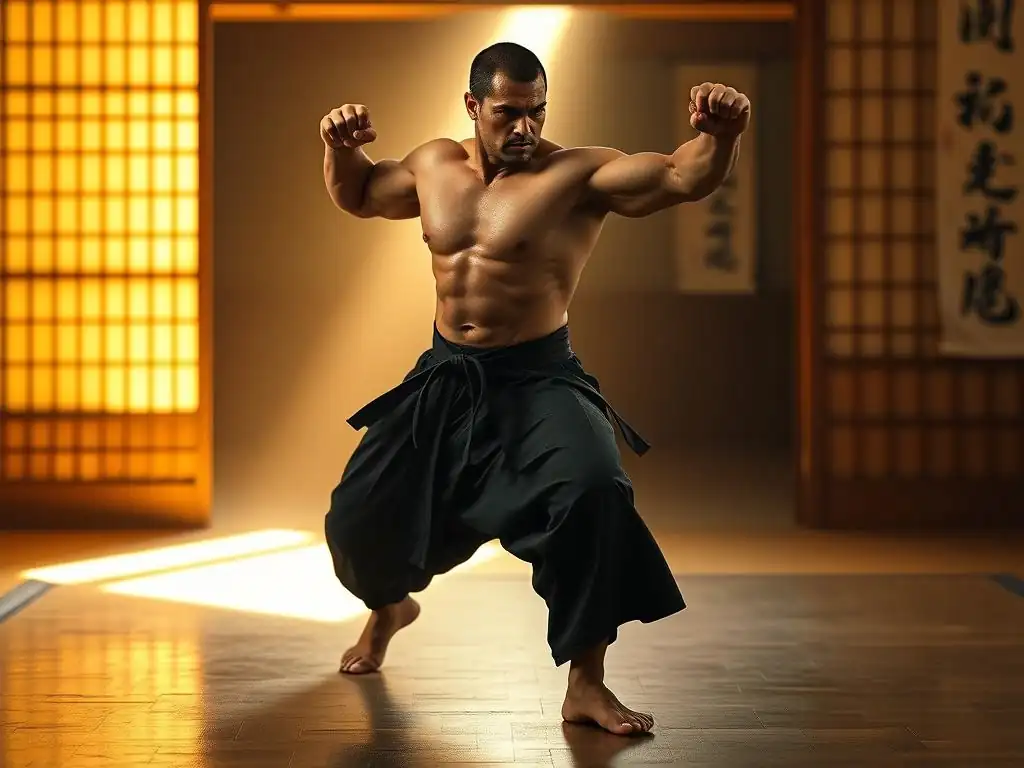
The term "dojo" (道場) literally translates from Japanese as "place of the Way." Far more than just a physical training hall, a dojo serves as a sanctuary dedicated to the rigorous study and practice of martial arts. It is a space where individuals commit to profound physical conditioning, technical mastery, and, perhaps most importantly, intense mental and spiritual discipline. Historically, many early dojo were associated with temples or shrines, underscoring the spiritual dimension inherent in the practice of the martial arts, emphasizing ethical development alongside physical prowess.
Within the walls of a dojo, every element contributes to the learning environment. From the cleanliness of the training floor (often wooden or tatami mats) to the placement of the kamiza (seat of honor, often housing a shrine or portrait of the founder), the layout and maintenance reflect respect for the art and its lineage. Students are expected to arrive early, assist with cleaning, and maintain a posture of readiness and humility. This structured environment is fundamental to the learning process, fostering focus and minimizing distractions, thereby shaping the core of Japanese martial arts dojo culture.
The Significance of Dojo Culture in Japanese Martial Arts Heritage
Dojo culture is the living embodiment of the principles, traditions, and philosophies that underpin Japanese martial arts. It is the mechanism through which centuries-old knowledge, techniques, and ethical codes are transmitted from one generation to the next. Without the structured environment and shared values of the dojo, much of the depth and meaning of arts like Judo, Karate, Aikido, and Kendo would be lost, reducing them to mere physical exercises rather than comprehensive systems of self-improvement.
This culture dictates everything from how students bow upon entering and leaving the training area to the specific etiquette observed during practice and interactions with instructors and seniors. It instills values such as respect, discipline, perseverance, and mutual support. The collective adherence to these unwritten (and sometimes written) rules creates a powerful sense of community and shared purpose, vital for the demanding journey of martial arts mastery. The unique Japanese martial arts dojo culture is therefore not incidental but absolutely central to the preservation and practice of these disciplines.
The Historical Roots of Dojo Culture in Japan
Tracing the Origins: From Classical Military Academies to Modern Training Centers
The origins of what we recognize as dojo culture can be traced back to the feudal era of Japan, particularly during the Edo period (1603-1868). While martial training existed long before this, formal schools (ryu) dedicated to specific combat methods like Kenjutsu (swordsmanship), Sojutsu (spearmanship), and Kyujutsu (archery) became more structured. These early training grounds, often located within samurai residences or castle grounds, served as military academies ( bujutsu den or keiko-ba), focusing primarily on battlefield effectiveness.
As Japan entered a period of relative peace with the establishment of the Tokugawa shogunate, the focus of martial arts began to shift. While practical skills remained important, the philosophical and ethical dimensions grew in prominence. Training spaces evolved from purely military drill grounds to establishments where the do (Way) aspect of martial arts was increasingly emphasized. Masters established private dojo where they taught their specific ryu not just to samurai, but eventually to commoners, laying the groundwork for the formalized dojo structure and the development of a distinct Japanese martial arts dojo culture focused on character development.
The Evolution of Dojo Etiquette and Traditions
The strict etiquette and traditions observed in modern dojo are a direct inheritance from the hierarchical and disciplined society of feudal Japan. In the early ryu, strict rules governed the conduct of students towards the master ( sensei) and senior students ( sempai). This hierarchy was essential for maintaining order, ensuring safety during potentially dangerous weapons training, and facilitating the efficient transmission of complex techniques and secret teachings ( okuden).
Over centuries, these practices were refined and standardized, particularly with the development of modern budo (martial ways) in the late 19th and early 20th centuries, such as Judo founded by Jigoro Kano in 1882 and Aikido founded by Morihei Ueshiba in the mid-20th century. Kano, for instance, integrated elements of traditional martial arts with modern pedagogical principles, but retained and formalized much of the traditional dojo etiquette related to bowing, respect for the training space, and the student-teacher relationship.
This evolution solidified the customs that define Japanese martial arts dojo culture today, emphasizing not just physical technique but also spiritual and ethical cultivation.
The Influence of Bushido on Dojo Principles
Bushido, often translated as "the Way of the Warrior," was the unwritten code of conduct followed by the samurai class. While its historical definition is complex and evolved over time, certain core values commonly associated with Bushido deeply permeated the principles taught and practiced within traditional Japanese martial arts dojo. These values provided a moral and ethical framework for martial training, elevating it beyond mere fighting techniques.
Key Bushido principles that shaped dojo culture include integrity ( gi), respect ( rei), courage ( yu), honor ( mei), compassion ( jin), sincerity ( makoto), and loyalty ( chu). Training in the dojo was seen as a means to cultivate these virtues. For example, bowing ( rei) is not just a formality but an expression of respect, humility, and mutual recognition – core Bushido tenets.
The rigorous physical training ( shugyo) was a test of courage and discipline, fostering mental fortitude. This integration of Bushido values ensured that Japanese martial arts dojo culture was inherently focused on building character and ethical conduct alongside physical skill.
Core Values and Principles of Japanese Martial Arts Dojo Culture
Respect (Reigi): Demonstrating Courtesy and Honor
Respect, or reigi, is arguably the most fundamental principle underlying Japanese martial arts dojo culture. It is demonstrated through various rituals and behaviors, beginning the moment one enters the dojo. Bowing upon entering and leaving the training area, bowing to the kamiza, bowing to the instructor ( sensei), and bowing to training partners ( otagai ni rei) are not just empty gestures but expressions of gratitude, humility, and recognition of the shared space and purpose.
This emphasis on respect extends beyond formal bows. It includes listening attentively to instructions, treating training partners with care and consideration, maintaining cleanliness in the dojo, and showing deference to senior students ( sempai) who have dedicated more time and effort to the path. This constant practice of reigi fosters a harmonious training environment and reinforces the understanding that martial arts are not just about physical dominance but also about developing a respectful and honorable character within the context of Japanese martial arts dojo culture.
Discipline (Shugyo): Committing to Rigorous Training
Discipline, or shugyo, is the unwavering commitment to rigorous and often challenging training. It involves pushing past physical and mental limitations, persevering through discomfort, and consistently showing up to practice even when motivation wanes. Dojo training is designed to be demanding; repetitive drills, strenuous conditioning exercises, and focused practice of forms ( kata) require significant self-control and mental toughness.
This principle is exemplified in the dedication shown by students who train for many years, often decades, to achieve proficiency. Achieving a black belt, for instance, typically requires several years of consistent training – often 3 to 5 years or more in many traditional styles like Shotokan Karate or Judo – reflecting the long-term commitment demanded by shugyo. This disciplined approach is not just about building physical strength or skill but about cultivating mental resilience, focus, and the ability to overcome obstacles, essential components of effective Japanese martial arts dojo culture.
Humility (Kenkyo): Maintaining an Open Mind for Learning
Humility, kenkyo, is a vital principle in Japanese martial arts dojo culture. It means acknowledging that one is always a student, regardless of rank or experience. A humble practitioner is open to learning from anyone – the sensei, sempai, and even junior students – and recognizes that the path of martial arts mastery is endless. Pride and arrogance are seen as significant impediments to progress.
This principle is evident in the willingness of advanced practitioners to revisit fundamental techniques and their openness to correction. Even high-ranking black belts continue to attend regular classes, demonstrating that learning never stops. This mindset stands in contrast to the competitive focus of some modern combat sports, emphasizing continuous self-improvement over ego-driven achievement. Maintaining kenkyo ensures that the dojo remains a place of genuine learning and mutual growth within the framework of Japanese martial arts dojo culture.
Harmony (Wa): Cultivating a Supportive Community
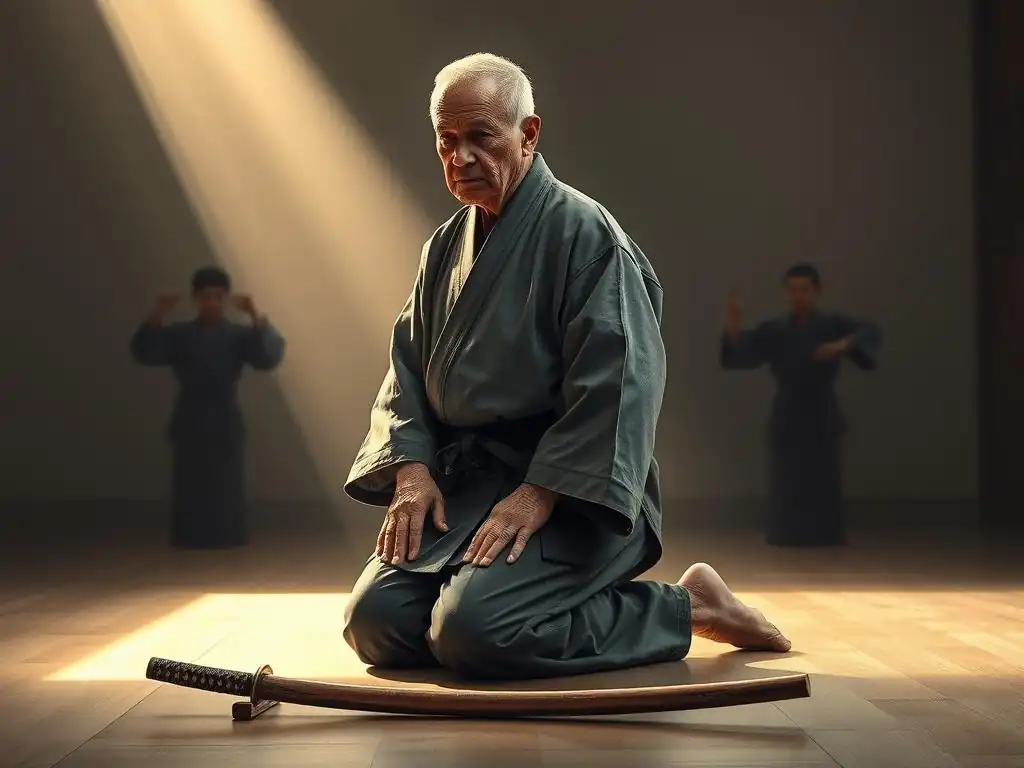
Harmony, or wa, refers to the cultivation of a supportive and cooperative atmosphere within the dojo. While training can be physically challenging and demanding, the underlying principle is one of mutual support and collective improvement. Students are encouraged to help each other learn, provide constructive feedback (when appropriate and guided by sensei), and contribute positively to the group dynamic.
This sense of community is crucial for maintaining motivation and ensuring the safety and well-being of all practitioners. Training partners trust each other, especially during sparring ( kumite) or throwing practice ( nage-komi), relying on mutual respect and control. The dojo becomes a second family for many, a place where individuals share a common passion and support each other's journey. This collaborative spirit, rooted in wa, is a defining characteristic of Japanese martial arts dojo culture, distinguishing it from solitary training methods.
The Importance of Sensei-Student Relationship (Shitei Kankei)
The shitei kankei, the deep and respectful relationship between the teacher ( sensei) and the student ( deshi), is the cornerstone of Japanese martial arts dojo culture. The sensei is not merely an instructor demonstrating techniques; they are a mentor, guide, and often a figure of profound respect and authority, embodying the principles and lineage of the art. The student's role is one of attentive listening, diligent practice, and unwavering trust in the sensei's guidance.
This relationship is traditionally seen as a commitment that extends beyond the physical techniques. The sensei imparts not just the technical skills but also the philosophical depth, ethical values, and historical context of the art. Students are expected to show loyalty and dedication, often assisting the sensei in maintaining the dojo or helping junior students. This unique bond, built on respect, trust, and shared dedication to the do, is fundamental to the transmission of knowledge and the perpetuation of Japanese martial arts dojo culture across generations.
Preservation of Traditional Techniques Through Dojo Culture
Maintaining Kata and Forms: Safeguarding the Essence of Martial Arts
Kata, or pre-arranged forms, are central to the preservation of traditional Japanese martial arts techniques. They are sequences of movements, strikes, blocks, throws, and joint locks, simulating combat scenarios against one or multiple imaginary opponents. Practicing kata allows students to internalize the fundamental principles, body mechanics, and strategic thinking of a specific style, often containing techniques that might be too dangerous or complex to practice freely in sparring.
Within the dojo, the precise execution and understanding of kata are paramount. Instructors meticulously teach the specific postures, transitions, and timing passed down through their lineage. Deviations from the established forms are typically corrected, emphasizing the importance of adhering to the tradition. For instance, Shotokan Karate has a standardized syllabus of over 20 kata, each representing different principles and levels of complexity, which are taught and practiced rigorously within the dojo, ensuring the historical techniques remain alive and accurate within Japanese martial arts dojo culture.
Upholding Traditional Weapons Training (Kenjutsu, Iaijutsu, Jojutsu)
While many modern Japanese martial arts like Judo and Aikido primarily focus on unarmed techniques, the dojo environment also plays a crucial role in preserving traditional weapons arts such as Kenjutsu (swordsmanship), Iaijutsu (drawing the sword), Jojutsu (staff art), and Kyujutsu (archery). These arts are often practiced in specialized dojo or as supplementary training within broader martial arts schools.
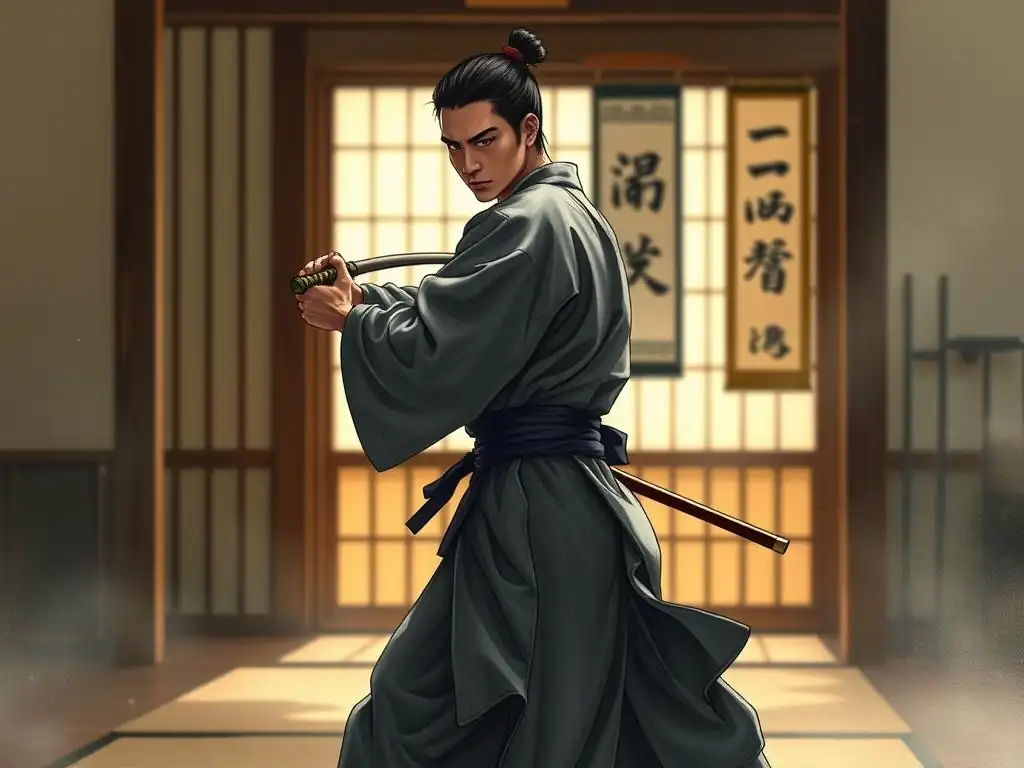
Training with traditional weapons requires a high degree of discipline, precision, and respect for the potential danger involved. The dojo provides the controlled environment necessary for safely practicing techniques with wooden swords ( bokken), practice swords ( iaito), or staffs ( jo). The specific kata and drills used in these weapons arts are often centuries old, passed down through specific ryu. The dojo serves as the custodian of this specialized knowledge, ensuring that these complex and historically significant methods are preserved and transmitted accurately, maintaining a vital link to the origins of Japanese martial arts dojo culture.
The Role of Dojo in Transmitting the Philosophical Underpinnings of Martial Arts
Beyond physical techniques, Japanese martial arts are deeply intertwined with philosophy, ethics, and spirituality. The dojo is the primary vehicle for transmitting these non-physical aspects of the art. Through lectures, discussions, and the sensei's personal example, students learn about the historical context, the meaning behind the techniques, and the ethical implications of their training.
Concepts such as mushin (empty mind), zanshin (lingering mind/awareness), and the pursuit of self-perfection ( jiko kansei) are discussed and integrated into the training. The philosophical lessons often derive from Zen Buddhism, Shinto, and Confucianism, influencing the approach to practice, dealing with challenges, and applying martial principles to daily life. This holistic education, encompassing mind, body, and spirit, is a defining feature of Japanese martial arts dojo culture, ensuring that students understand the 'Why' behind the 'How'.
How Dojo Culture Facilitates the Evolution of Japanese Martial Arts
Adaptability and Innovation Within a Framework of Tradition
While deeply rooted in tradition, Japanese martial arts dojo culture is not static. It possesses an inherent capacity for adaptability and innovation, albeit within a framework of established principles and ethics. Masters throughout history have refined techniques, developed new training methods, and even founded entirely new styles based on their experiences and insights, often in response to changing societal needs or technological advancements.
For example, Jigoro Kano created Judo in the late 19th century by selecting and modifying techniques from various forms of Jujutsu, removing the most dangerous battlefield elements to create a safe and effective system for physical education and sport. This was a significant innovation carried out within the spirit of traditional dojo training but adapted for a new era. This balance between honoring the past and adapting for the future is a crucial dynamic facilitated by the dojo environment, allowing Japanese martial arts to remain relevant.
The Role of Kumite (Sparring) in Developing Practical Skills
While kata preserves traditional forms, kumite (sparring) provides a vital means for developing practical application and facilitating the evolution of techniques. Sparring allows practitioners to test techniques against a resisting opponent, requiring improvisation, timing, distance management, and strategic thinking in a dynamic situation.
Different dojo and styles approach kumite differently, ranging from highly controlled, pre-arranged sparring ( yakusoku kumite) to more free-form, competitive bouts ( jiyu kumite). Competitive formats, such as those found in Judo or sport Karate, have significantly influenced the evolution of techniques within those arts, favoring methods that are effective under specific rulesets. While not all traditional dojo emphasize free sparring, its inclusion in many modern Japanese martial arts dojo allows for the practical testing and refinement of techniques, ensuring their continued relevance and contributing to the dynamic nature of Japanese martial arts dojo culture.
Integrating Modern Training Methods While Preserving Core Values
Modern Japanese martial arts dojo often integrate contemporary training methodologies alongside traditional practices. This can include incorporating sports science principles, modern conditioning exercises, and cross-training techniques to enhance physical performance. Instructors may use padded equipment, safety gear, and modern teaching aids that were not available in historical dojo.
However, this integration is typically done carefully, ensuring that modern methods complement, rather than replace, the core traditional training and philosophical principles. The emphasis on respect, discipline, and the student-teacher relationship remains paramount. For instance, a Judo dojo might use modern strength and conditioning programs, but the bowing rituals, the emphasis on mutual welfare and benefit ( jita kyoei), and the rigorous practice of traditional throws and pins ( nage-waza, katame-waza) remain central. This ability to selectively integrate modern elements while preserving core values is key to the continued vitality of Japanese martial arts dojo culture.
The Impact of Globalization on Japanese Martial Arts Dojo Culture
Adapting to Diverse Student Populations and Cultural Backgrounds
Globalization has led to Japanese martial arts being practiced by millions worldwide, far beyond Japan's borders. This has introduced new challenges and opportunities for dojo culture. Instructors and dojo leaders outside Japan must navigate teaching traditional Japanese values and etiquette to students from vastly different cultural backgrounds, where concepts like strict hierarchy, bowing, or specific linguistic nuances may not be immediately understood or accepted.
Successful dojo in global contexts often adapt their approach while striving to maintain the essential spirit of the culture. They might provide clearer explanations for rituals, emphasize the universal values like respect and discipline in relatable terms, and be mindful of cultural sensitivities. While maintaining the core principles of Japanese martial arts dojo culture, they create inclusive environments that welcome diversity, demonstrating the adaptability required for global reach.
Maintaining Authenticity in a Globalized World
A significant challenge posed by globalization is maintaining the authenticity of Japanese martial arts dojo culture as it spreads. With the proliferation of dojo and instructors globally, variations in teaching quality, adherence to tradition, and interpretation of principles can occur. The commercialization of martial arts in some regions can also dilute the emphasis on the do aspect in favor of speedier rank progression or sport-specific training.
Authenticity is often preserved through strong connections to the art's origin ( honbu dojo), adherence to established curricula and ranking systems, and the dedication of instructors who have trained extensively in Japan or under masters with direct lineage. Organizations like the International Judo Federation (IJF) or the Japan Karate Association (JKA) play a role in setting standards and promoting traditional values globally. The commitment of individual dojo leaders to upholding the core tenets of Japanese martial arts dojo culture is crucial in preventing the art from becoming a superficial imitation.
The Rise of International Dojo Networks and Communities
Globalization has also facilitated the rise of vast international networks and communities centered around specific martial arts styles or organizations. These networks connect dojo and practitioners across continents, allowing for the exchange of knowledge, mutual training opportunities (such as international seminars and camps), and the fostering of a global sense of community.
These international connections help reinforce dojo culture globally. Practitioners from different countries can train together, share experiences, and gain a deeper appreciation for the art's roots and shared values. Online resources and social media also play a role in connecting practitioners, though the core of the culture remains rooted in the physical space of the dojo and the direct interaction between sensei and student. These networks are vital for the continued health and propagation of Japanese martial arts dojo culture in the modern era.
Challenges Facing Japanese Martial Arts Dojo Culture Today
Declining Membership and Interest in Traditional Arts
Many traditional Japanese martial arts face the challenge of declining membership and interest in their country of origin and in some parts of the world. Factors contributing to this include shifting societal interests, increased competition from other sports and leisure activities, the demanding nature of traditional training, and the perception by some that traditional arts are less "practical" than modern combat sports.
For example, while Judo remains popular globally as an Olympic sport, participation rates in traditional Judo dojo focused on the do aspect can sometimes struggle compared to purely sport-focused clubs. Similarly, arts like Aikido or traditional Karate styles may find it challenging to attract and retain students compared to faster-paced, competition-oriented disciplines. This trend poses a threat to the continuity of traditional Japanese martial arts dojo culture, as fewer practitioners mean fewer individuals to carry on the lineage and traditions.
Competition from Modern Combat Sports and Fitness Programs
The rise of modern combat sports like Mixed Martial Arts (MMA), Brazilian Jiu-Jitsu (BJJ), and Kickboxing, as well as various fitness programs, presents significant competition for traditional Japanese martial arts dojo. These modern disciplines often market themselves on effectiveness for self-defense or competitive success, appealing to different motivations than the holistic development emphasized in traditional dojo.
While some traditional dojo incorporate elements of modern training, the core values and slower progression pathways of classical arts can be a harder sell in a fast-paced, results-oriented society. Potential students might opt for programs promising quick results or competitive opportunities over the long-term commitment required to deeply understand Japanese martial arts dojo culture. This competitive landscape necessitates that traditional dojo effectively communicate their unique value proposition – the comprehensive physical, mental, and ethical development they offer.
The Need to Adapt and Innovate to Attract New Students
To counter these challenges, traditional Japanese martial arts dojo must find ways to adapt and innovate while staying true to their core principles. This doesn't necessarily mean abandoning tradition, but rather finding new ways to engage potential students and demonstrate the relevance of these arts in contemporary life.
Adaptations might include offering specialized classes (e.g., self-defense seminars, youth programs), utilizing modern marketing techniques (like social media, though not in the article content itself), creating more flexible training schedules, or clearly articulating the health and wellness benefits alongside the martial aspects. Some dojo are also exploring hybrid approaches, incorporating elements that appeal to modern sensibilities while preserving the foundational elements of Japanese martial arts dojo culture. The key is to innovate in presentation and accessibility without compromising the depth and integrity of the art itself.
Case Studies: Examples of Successful Dojo Cultures
Yoshinkan Aikido Honbu Dojo: Emphasis on Strong Fundamentals and Discipline
The Yoshinkan Aikido Honbu Dojo in Tokyo, founded by Gozo Shioda, is renowned for its rigorous training methodology and strong emphasis on foundational techniques. Unlike some other Aikido styles which might focus more on flowing movement early on, Yoshinkan training, particularly its intense kenshusei (intensive training program) for riot police and instructors, is known for its strict discipline, precise body movements, and demanding physical conditioning.
This dojo culture prioritizes mastering basics ( kihon) through relentless repetition and strict adherence to form. The atmosphere is highly disciplined, reflecting the practical, self-defense oriented nature of the style. While perhaps less philosophical in its outward presentation than some other Aikido lineages, its success lies in its ability to produce highly skilled and physically capable practitioners through a demanding yet clear training pathway, demonstrating a specific, effective model of Japanese martial arts dojo culture centered on fundamental strength.
Kodokan Judo: Balancing Tradition with Sport Development
The Kodokan in Tokyo, founded by Jigoro Kano, is the historical heart of Judo and a prime example of a dojo that has successfully balanced the preservation of traditional values with evolution into a global sport. As the headquarters for Judo, the Kodokan maintains strict adherence to Kano's original principles, emphasizing mutual welfare and benefit ( jita kyoei) and maximum efficiency with minimum effort ( seiryoku zenyo).
The Kodokan curriculum includes traditional elements like kata and philosophical study, while also serving as a major training ground for competitive Judo athletes. It hosts international seminars, grading examinations, and competitions, demonstrating how a large, central dojo can foster both the traditional do aspect and the modern sport aspect of Judo. Its global influence, through its syllabus, ranking system, and philosophical teachings, showcases how Japanese martial arts dojo culture can be a powerful force in both preserving heritage and driving contemporary practice.
Shidokan Karate: Integrating Multiple Martial Arts Disciplines
Shidokan Karate, founded by Yoshiji Soeno, offers an example of a dojo culture that embraces integration and full-contact competition while maintaining roots in traditional Karate. Shidokan training incorporates elements from traditional Karate, Muay Thai, and Judo/Jiu-Jitsu, preparing practitioners for diverse combat scenarios, including full-contact rulesets.
The dojo culture in Shidokan is characterized by intense physical training, a strong fighting spirit, and a willingness to test techniques under pressure. While potentially appearing less formal than some older styles, it still emphasizes respect for instructors and fellow practitioners, as well as the discipline required for demanding physical conditioning and combat training. This model illustrates how Japanese martial arts dojo culture can evolve to include cross-training and competitive fighting while still retaining core values like discipline and respect, appealing to practitioners seeking a more modern, integrated approach.
The Future of Dojo Culture in Japanese Martial Arts
Maintaining Relevance in a Changing World
The future of Japanese martial arts dojo culture hinges on its ability to remain relevant in a rapidly changing global society. This involves effectively communicating the unique benefits of traditional martial arts training – not just physical skills, but also character development, stress reduction, historical connection, and community building – to new generations.
Dojo need to adapt their outreach and possibly their programming to fit modern lifestyles and expectations without sacrificing the depth and integrity of the art. This might include leveraging technology responsibly (e.g., for communication or supplemental learning, not replacing in-person training) and highlighting the mental health benefits and life skills gained through disciplined practice. The core challenge is demonstrating that the values and training methods developed over centuries still hold profound value in the 21st century, ensuring the continued vitality of Japanese martial arts dojo culture.
Emphasizing the Holistic Benefits of Martial Arts Training
A key strategy for the future is to increasingly emphasize the holistic benefits of training within Japanese martial arts dojo culture. In a world often focused on quick results and specialization, traditional dojo offer a comprehensive approach to self-improvement that addresses physical, mental, and ethical dimensions simultaneously.
Highlighting aspects like improved focus, resilience, self-confidence, respect for others, and a sense of belonging can attract individuals seeking more than just physical exercise or competitive sport. Martial arts trained within a strong dojo culture provide a framework for lifelong learning and personal growth. Promoting these broader benefits is essential for attracting students who may not be primarily interested in self-defense or competition but are seeking a meaningful path for self-cultivation, ensuring the continued appeal of Japanese martial arts dojo culture.
The Importance of Passing on the Legacy to Future Generations
Ultimately, the preservation and evolution of Japanese martial arts dojo culture depend on the successful transmission of its values and techniques to future generations. This requires dedicated sensei who are not only technically proficient but also capable of inspiring and mentoring students, instilling in them the deep respect and appreciation for the art's heritage.
It also requires students who are willing to commit to the demanding path of shugyo, understand the importance of reigi, and aspire to become the future custodians of the tradition. Dojo must cultivate an environment where senior students are prepared and encouraged to step into teaching roles, ensuring the lineage continues. The active participation of every member in upholding the principles of Japanese martial arts dojo culture is paramount for its survival and flourishing in the years to come.
Conclusion: The Enduring Significance of Dojo Culture
Japanese Martial Arts Dojo Culture: A Vital Component of Martial Arts Mastery
Japanese martial arts dojo culture is far more than just the environment where training takes place; it is an inseparable and vital component of the arts themselves. It provides the structure, values, and community necessary for practitioners to move beyond mere physical technique and embark on the comprehensive path toward martial arts mastery.
Through its emphasis on principles like respect, discipline, humility, and harmony, the dojo shapes not just the body, but also the mind and character of the practitioner. It is the custodian of centuries of accumulated wisdom, technique, and philosophy, ensuring that the essence of these arts is preserved while also providing a framework for their continued evolution. The unique environment fostered by Japanese martial arts dojo culture is essential for anyone seeking a deep and meaningful engagement with these disciplines.
Ensuring the Continued Preservation and Evolution of Japanese Martial Arts.
The continued preservation and evolution of Japanese martial arts depend critically on the health and vitality of dojo culture worldwide. As dojo navigate modern challenges, their ability to adapt, innovate, and effectively transmit their core values will determine their future.
By upholding the principles of reigi, shugyo, kenkyo, and wa, and by fostering strong sensei-student relationships, dojo can continue to be powerful centers of learning, character development, and community. The global network of dojo committed to these ideals represents the best hope for ensuring that the rich heritage of Japanese martial arts endures, continues to evolve responsibly, and offers its profound benefits to practitioners for generations to come. The strength of Japanese martial arts lies in the strength of its dojo culture.
Frequently Asked Questions
What is the significance of dojo culture in Japanese martial arts?
Dojo culture provides a structured environment for learning and practicing martial arts. It fosters discipline, respect, and tradition, crucial for preserving the art's integrity.
How does dojo culture contribute to the evolution of Japanese martial arts?
While preserving tradition, dojo culture also encourages critical thinking and adaptation. This allows martial arts to remain relevant and effective in a changing world.
What are some key elements of dojo culture that are unique to Japanese martial arts?
Elements include strict etiquette, emphasis on senpai-kohai relationships (senior-junior), and the pursuit of self-improvement (mushin) through rigorous training.
How does dojo culture differ across various Japanese martial arts styles?
While core principles remain, dojo culture can vary significantly. Some styles may emphasize spiritual development more than others, while others prioritize practical self-defense techniques.
How can someone new to Japanese martial arts best integrate into the dojo culture?
Be respectful, observant, and willing to learn. Follow the instructions of senior students and instructors, and embrace the values of discipline and perseverance.
Final Reflection: The Enduring Spirit of the Dojo
The journey through the heart of Japanese martial arts dojo culture reveals more than just techniques and traditions; it unveils a living tapestry woven with discipline, respect, and a relentless pursuit of self-improvement. This exploration is profoundly relevant today, as the world seeks anchors of stability and meaning amidst constant change, and the dojo offers precisely that: a sanctuary of focused growth and unwavering values.
The influence of the dojo extends far beyond the tatami mats. It shapes character, instills resilience, and fosters a deep sense of community. My own understanding of dedication and perseverance has been profoundly shaped by witnessing the unwavering commitment within these spaces. The ultimate aim of martial arts is not having to use them.
This quote encapsulates the true essence of the dojo: a path towards inner peace and harmony, achieved through rigorous training and unwavering self-reflection.
Now, as you step away from this exploration of Japanese martial arts dojo culture, I invite you to consider how its principles can resonate within your own life. Embrace the spirit of continuous learning, cultivate respect in your interactions, and strive for self-improvement in all that you do. Let the enduring spirit of the dojo inspire you to forge your own path of growth, resilience, and unwavering commitment to your personal values.
Embrace the Dojo Way: Forge Your Martial Arts Journey!
Thank you for delving into the heart of dojo culture and its vital role in shaping Japanese martial arts! We hope you've gained valuable insights into the traditions and spirit that drive these practices. Now, it's time to take your understanding further and become an active part of this legacy.
- Begin by reflecting on how you can contribute to a positive dojo environment. Consider how your actions and attitudes impact your fellow practitioners.
- Share this article with fellow martial artists to spark discussions on the future of dojo culture. Let's keep these traditions alive and thriving!
- Explore the history of your specific martial art's dojo lineage. Uncover stories and insights to deepen your connection to the past.
How will you actively contribute to strengthening the dojo spirit within your martial arts community?