
From Panels to Punches: The Influence of Martial Arts Films on Comic Books

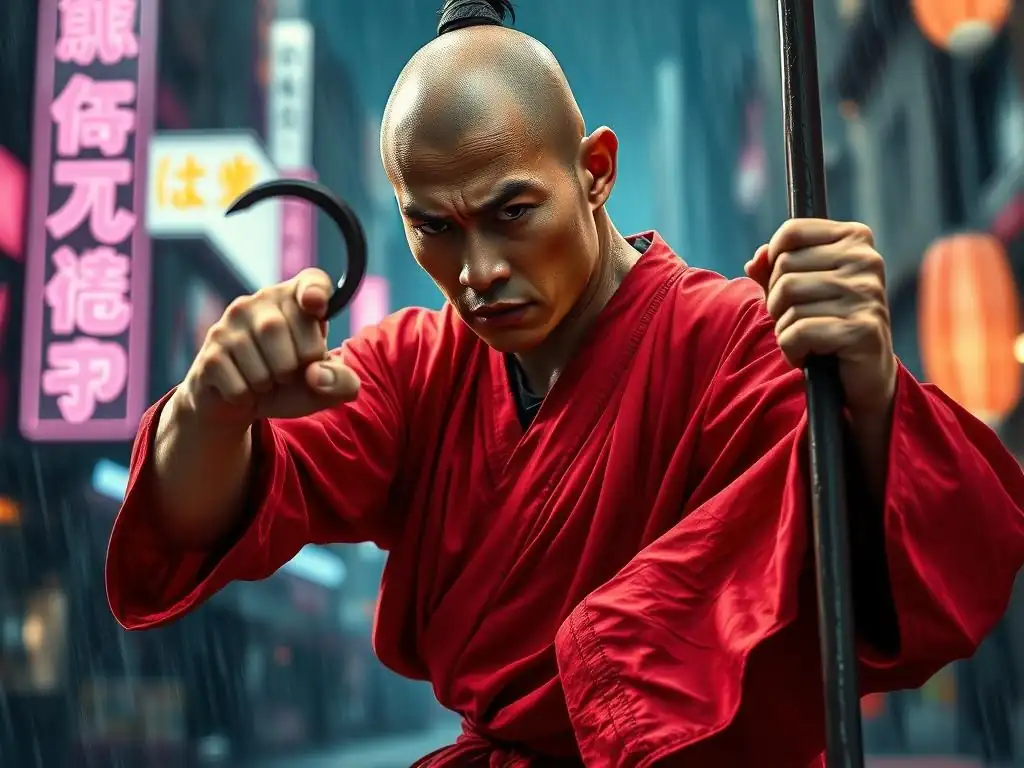
Welcome to Martial Arts Mastery, where we explore the rich tapestry of combat traditions from around the world. Prepare to delve into the fascinating intersection of Eastern philosophy, rigorous training, and the evolution of fighting styles. In this article, we're going beyond the dojo to uncover a surprising connection: the profound martial arts film influence on the world of comic books. How did Bruce Lee's iconic moves and Shaw Brothers' epic battles shape the heroes and villains we know and love? Discover the answer and more as we explore this captivating cultural phenomenon!
- Introduction: The Symbiotic Relationship Between Martial Arts Cinema and Comics
- The Golden Age of Kung Fu Cinema and its Comic Book Counterparts
- Visual Style and Choreography: How Film Shaped Comic Book Art
- Themes and Archetypes: Borrowing from Martial Arts Film Lore
- Specific Examples: Martial Arts Film Influence in Popular Comic Book Characters
- Beyond the Obvious: Subtle Influences and Homages
- The Modern Era: Continued Relevance and Evolution
- Conclusion: The Enduring Legacy of Martial Arts Film Influence
-
Frequently Asked Questions
- How did martial arts films initially influence comic books?
- Which specific martial arts films had the greatest impact on comic book characters and storylines?
- What are some examples of comic book characters directly inspired by martial arts film stars?
- How did the visual style of martial arts films translate into comic book art?
- Beyond action, what other aspects of martial arts films influenced comic books?
- Final Reflection: The Enduring Legacy of Cinematic Combat
- Unleash Your Inner Hero: Become a Master of Your Own Story!
Introduction: The Symbiotic Relationship Between Martial Arts Cinema and Comics
Exploring the Intertwined Worlds of Comic Books and Kung Fu Movies
The relationship between comic books and martial arts films is a fascinating study in cross-pollination, a true symbiotic connection that has shaped both art forms over decades. While seemingly disparate – one relying on static panels and sequential art, the other on dynamic motion and choreography – they share a fundamental commitment to visual storytelling, action, and often, intricate character journeys rooted in discipline and conflict.
The rise of martial arts cinema, particularly the explosion of popularity in the 1970s with stars like Bruce Lee, created a global cultural phenomenon that resonated deeply with comic book creators and readers alike. This period saw a direct and undeniable martial arts film influence permeate comic book narratives, character designs, and action sequences.
This cultural exchange wasn't one-sided, but the dominant flow of inspiration, particularly in the latter half of the 20th century, was from the silver screen to the printed page. Martial arts films provided a rich source of visual dynamism, exotic locales, unique fighting styles, and compelling character archetypes that were ripe for adaptation and interpretation within the comic book medium.
The martial arts film influence wasn't just about depicting fights; it introduced new philosophical concepts, training montages, distinct villains, and a focus on physical and mental mastery that expanded the thematic possibilities for comic book writers and artists, moving beyond traditional superheroics into realms of grounded combat and mystical discipline.
Martial Arts Film Influence: A Cross-Media Phenomenon
The significant martial arts film influence on comic books is part of a broader phenomenon of cross-media inspiration that defines popular culture. Just as novels inspire films and video games spawn comic series, the kinetic energy and narrative structures of martial arts movies found a natural home in the sequential art format.
This influence wasn't limited to direct adaptations; it manifested in subtle stylistic choices, character motivations, and the very way fight scenes were depicted on the page. The speed, precision, and often brutal efficiency showcased in films offered a new vocabulary for comic book artists to draw upon, moving beyond static punches and kicks to incorporate blocks, throws, joint locks, and elaborate sequences previously less common.
This particular wave of martial arts film influence peaked during the 1970s and early 1980s, coinciding with the global "kung fu craze," but its legacy persists today. Modern comics still draw upon the visual language, thematic depth, and character archetypes established by classic martial arts cinema.
From the detailed rendering of specific techniques to the exploration of concepts like chi energy or rigorous training regimens, the impact is undeniable. The ability of comics to freeze moments of intense action and dissect complex movements also provided a unique way to interpret and amplify the visual spectacle of martial arts films, creating a lasting dialogue between the two forms.
The Golden Age of Kung Fu Cinema and its Comic Book Counterparts
Bruce Lee's Impact: Revolutionizing Both Martial Arts and Comic Book Action
Bruce Lee was an unparalleled force whose impact transcended martial arts itself, fundamentally altering how fighting was perceived and depicted in media, including comic books. Before Lee, cinematic martial arts often relied on highly stylized, almost dance-like choreography. Lee introduced a raw, fast, and incredibly efficient style rooted in Jeet Kune Do, his own philosophy of martial arts.
Films like Fist of Fury (1972) and Enter the Dragon (1973) showcased unprecedented speed, power, and realism (for the time), captivating global audiences. This revolutionary approach to on-screen combat had a profound martial arts film influence on how action was conceived and drawn in comics, pushing artists to depict fight scenes with greater dynamism and a sense of genuine physical struggle.
Lee's on-screen presence was also magnetic, embodying discipline, skill, and philosophical depth. His characters were often outsiders fighting against oppression, relying on their martial prowess and unwavering principles. This archetype resonated strongly and provided a template for new comic book heroes.
The speed lines, blurred movements, and multi-panel sequences used by comic artists to convey rapid strikes and fluid transitions owe a significant debt to the visual language established by Lee's films and the efforts of filmmakers and choreographers to capture his speed. The martial arts film influence, spearheaded by Lee, encouraged a shift towards depicting martial arts not just as flashy moves, but as a serious discipline requiring intense training and mental fortitude, themes that became central to many comic book characters.
The Rise of Kung Fu Comics: Adapting Film Narratives to the Page
The immense popularity of kung fu films in the 1970s led directly to a surge in comic books featuring martial arts themes and heroes. Publishers, recognizing the cultural zeitgeist and the strong martial arts film influence, scrambled to capitalize on the trend. This era saw the creation of original characters steeped in martial arts lore, as well as attempts to adapt the feel and energy of the films directly onto the page.
These comics often borrowed heavily from common film tropes: the lone martial artist seeking justice, the secret temple training, the tournament arc, and battles against criminal organizations or corrupt masters. The visual aesthetics of martial arts films – the costumes, the dojos, the exotic locations – also found their way into the panels.
Titles emerged that were explicitly designed to tap into this market, featuring heroes who were masters of various fighting styles, often with mysterious origins tied to distant lands or hidden schools. The narratives frequently mirrored the episodic nature of many martial arts film series, focusing on challenges, tests of skill, and confrontations with increasingly powerful foes.
The martial arts film influence provided not just action sequences but also a framework for character development centered around discipline, honor, and the pursuit of mastery. This period was crucial in establishing martial arts as a viable and popular genre within the comic book landscape, laying the groundwork for future characters and storylines.
Deadly Hands of Kung Fu: Marvel's Pulp-Inspired Adaptation
Marvel Comics' Deadly Hands of Kung Fu stands as a prime example of the direct martial arts film influence on American comics during the 1970s. Launched in 1974, it was published as a black-and-white magazine, a format that allowed for slightly more mature themes and dynamic artwork compared to standard color comics, mirroring the pulp magazine tradition and the gritty feel of many martial arts films.
The magazine served as a central hub for Marvel's burgeoning martial arts characters, most notably Shang-Chi, Iron Fist, and the Sons of the Tiger. It featured lengthy, detailed stories focusing on martial arts combat, often with articles and interviews related to real-world martial arts and the film scene, further blurring the lines between inspiration and content.
Deadly Hands of Kung Fu wasn't just a comic; it was a cultural artifact of the martial arts craze. It provided a platform where the martial arts film influence was overtly celebrated and integrated into the narrative.
The fight choreography depicted in the magazine was often more complex and visually dynamic than in standard comics of the time, directly attempting to translate the fluidity and impact seen in films. The magazine's success demonstrated the significant reader appetite for martial arts content inspired by cinema and solidified the place of characters like Shang-Chi and Iron Fist within the Marvel Universe, showcasing how potent the martial arts film influence could be when applied thoughtfully to character and story.
Visual Style and Choreography: How Film Shaped Comic Book Art
Translating Dynamic Fight Scenes: From Screen to Panel
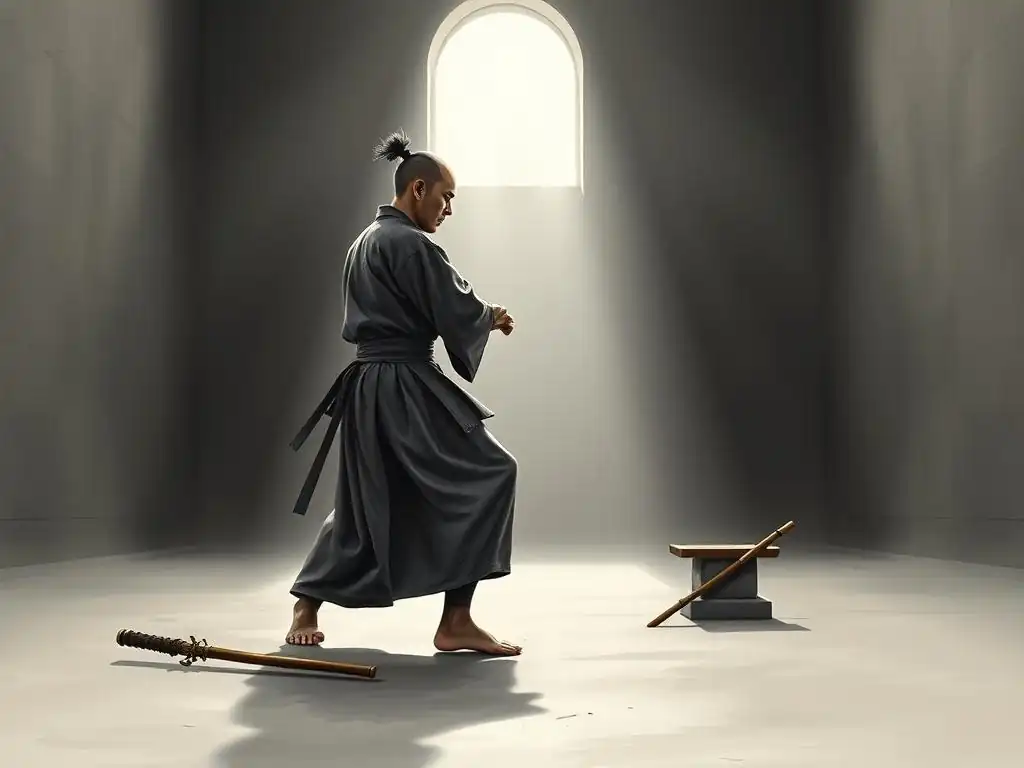
One of the most significant aspects of martial arts film influence on comic books is the evolution of how fight scenes are visually rendered. Early comic book fights were often static, depicting individual blows with little sense of flow or technique. Martial arts films, however, showcased continuous movement, intricate choreography, and the strategic use of space and environment.
Translating this dynamism to static panels required innovation from comic artists. They began employing techniques like sequential panels that break down a single movement into multiple steps, using speed lines and motion blurs more aggressively, and varying panel sizes and angles to simulate cinematic camera work and editing.
Artists studied the posture, balance, and execution of techniques seen in films, incorporating them into their drawings to make the combat feel more authentic and impactful. The concept of flow – one move leading seamlessly into the next – became crucial, and artists worked to guide the reader's eye through a sequence of panels to convey this sense of continuous action, much like a film viewer follows the choreography on screen.
This direct martial arts film influence elevated the quality and sophistication of action sequences in comics, making them feel more alive and exciting, and requiring a deeper understanding of anatomy and movement from the artists.
The Influence of Hong Kong Action Cinema on Comic Book Choreography
Beyond the initial kung fu boom, the broader spectrum of Hong Kong action cinema has had a lasting and profound martial arts film influence on comic book choreography. Filmmakers like Jackie Chan introduced intricate stunt work, environmental interaction, and comedic timing into fights, while directors like John Woo popularized "gun fu" – highly stylized gun battles choreographed like martial arts sequences.
Later, filmmakers like Yuen Woo-ping brought a new level of wire-fu and fantastical movement to global prominence with films like The Matrix (though featuring non-martial arts characters learning martial arts). These diverse styles offered a wealth of inspiration for comic artists looking to make their action sequences unique and memorable.
Comic artists incorporated elements like using everyday objects as weapons (a staple of Jackie Chan films), dynamic dives and rolls during gunfights (classic John Woo), and even gravity-defying leaps and kicks (wire-fu). The martial arts film influence from Hong Kong cinema encouraged artists to think more creatively about how characters moved within a space, how they interacted with their environment during a fight, and how to depict speed and impact in ways that felt both realistic and visually spectacular.
This ongoing dialogue between Hong Kong action aesthetics and comic book art continues to shape the visual language of action on the page.
Comparison of Fight Scenes: John Woo's Gun Fu in Comics vs. Film
Comparing the depiction of "gun fu" in comic books versus John Woo's films highlights how martial arts film influence is adapted and interpreted across media. In films like Hard Boiled or The Killer, Woo choreographs gun battles with the fluidity and precision of martial arts duels. Characters perform acrobatic maneuvers, dual-wield pistols with impossible accuracy, and engage in close-quarters combat using firearms as extensions of their bodies. The camera work emphasizes the balletic movement and the emotional intensity of the characters amidst chaos.
In comics, artists translate "gun fu" by meticulously drawing the character's dynamic poses, the trajectory of bullets (often with exaggerated visual effects), and the impact on the environment. They use panel layouts to convey the rapid pace and multiple actions happening simultaneously, much like rapid cuts in a film.
While comics can't replicate the exact kinetic energy or sound design of a Woo film, they can isolate key moments, emphasize impossible feats with dramatic visuals, and use sequential art to break down complex maneuvers in a way that film editing often compresses. This adaptation shows how the core martial arts film influence – the idea of highly skilled, almost supernatural combatants moving with grace and efficiency, even with firearms – is successfully ported to a different visual medium, maintaining the spirit if not the exact execution.
Themes and Archetypes: Borrowing from Martial Arts Film Lore
The Hero's Journey: Adapting Classic Martial Arts Tropes in Comic Books
The classic martial arts film often follows a variation of the hero's journey, a narrative structure that has proven incredibly fertile ground for comic book storytelling. This journey typically involves a protagonist who is initially flawed or seeking knowledge, undergoes rigorous training under a wise master, faces significant challenges and personal sacrifices, confronts a powerful antagonist (often linked to their past or the master's history), and ultimately achieves mastery and restores balance or justice.
This fundamental template of discipline, self-improvement through struggle, and righteous combat against evil is a core martial arts film influence that is readily apparent in numerous comic book character origins and arcs.
Characters like Iron Fist, for instance, embark on a literal journey to a hidden city (K'un-Lun) to undergo intense training and earn a mystical power, directly mirroring the quest motif common in martial arts films. Shang-Chi's initial conflict with his villainous father is a classic trope of the disciple confronting a corrupted master or a dark legacy.
These narratives emphasize themes of perseverance, honor, the responsibility that comes with great power (or skill), and the internal struggle between discipline and emotion. The martial arts film influence provides not just a plot outline but a rich thematic palette centered on personal growth through physical and mental trials.
The Master-Student Dynamic: Exploring Mentorship in Comics and Film
A cornerstone of martial arts film narratives is the master-student relationship, a dynamic that has been extensively borrowed and adapted in comic books. This relationship is more than just training; it's about the transmission of knowledge, wisdom, philosophy, and often, a legacy. The master is typically a figure of immense skill and enigmatic wisdom, while the student is initially raw, undisciplined, or seeking purpose.
The training process is arduous, involving not just physical techniques but also lessons in patience, humility, and ethical conduct. This powerful archetype provides a framework for character development and intergenerational conflict or continuity, a clear martial arts film influence.
In comics, examples abound, from Stick training Daredevil in martial arts and ninjutsu, emphasizing discipline and heightened senses, to Pai Mei (or similar archetypes) in various stories pushing heroes to their physical and mental limits. These relationships often involve secrecy, harsh methods, and a deep bond formed through shared trials.
The master's death or disappearance can serve as a catalyst for the hero's journey or provide a central mystery. This archetypal martial arts film influence adds depth and emotional weight to comic book narratives, highlighting the importance of guidance and the transfer of knowledge in the hero's path to becoming a true master.
Vengeance and Redemption: Recurring Themes in Both Mediums
Vengeance and redemption are powerful, recurring themes that feature prominently in both martial arts films and the comic books they've influenced. Many classic kung fu plots are driven by a quest for revenge for a murdered master, family member, or injustice suffered. This often leads the protagonist down a path of intense training and confrontation, culminating in a final showdown.
Conversely, the theme of redemption explores characters seeking to atone for past mistakes, often through acts of self-sacrifice or by using their skills for good after a history of violence or wrongdoing. These potent emotional drivers provide clear motivation for characters and structure compelling narratives, showcasing a strong martial arts film influence.
Comic book characters frequently grapple with these themes. Heroes might be motivated by a desire to avenge a fallen mentor or right past wrongs committed by themselves or their lineage. Villains might seek vengeance for perceived slights or past defeats.
The path to redemption often involves a character turning away from a life of violence or crime, using their martial skills for protection rather than harm, and proving their change through actions. This shared thematic territory underscores how the dramatic core of martial arts films translated effectively into comic book storytelling, providing relatable and impactful motivations for characters engaged in physical combat.
Specific Examples: Martial Arts Film Influence in Popular Comic Book Characters
Iron Fist: A Direct Homage to Kung Fu Cinema
Danny Rand, the Immortal Iron Fist, is perhaps one of the most direct and celebrated examples of martial arts film influence in American comics. Created in 1974, at the height of the kung fu craze, his origin story is a pastiche of classic martial arts film tropes: a young man orphaned and stranded in a mystical, hidden city (K'un-Lun), where he undergoes years of brutal, specialized martial arts training.
He gains superhuman abilities – the power of the Iron Fist, channeling his chi – through a trial by combat against a dragon. His return to the modern world as a wealthy heir wielding ancient martial arts skills and mystical power is straight out of the cinematic playbook.
The character design, featuring a bare chest, flowing sash, and mask, evokes the classic look of many martial arts film heroes. His fighting style, often depicted with exaggerated power and mystical energy, directly translates the spectacular, sometimes fantastical combat seen in Wuxia and Hong Kong films.
The martial arts film influence on Iron Fist is undeniable, not just in his origin and powers, but in the very essence of his character: the disciplined warrior from a hidden world bringing ancient skills to bear on modern problems. His stories often involve tournaments, mystical adversaries, and internal struggles familiar to fans of the genre.
Shang-Chi: The Master of Kung Fu and His Cinematic Roots
Shang-Chi, introduced by Marvel Comics in 1973, is another foundational character born directly from the martial arts film influence of the era. Originally conceived as the son of the infamous pulp villain Fu Manchu (though this lineage has since been retconned), Shang-Chi was explicitly designed to be a master of various martial arts, particularly kung fu.
His early adventures were heavily inspired by the espionage and martial arts films popular at the time, blending globe-trotting spy action with intricate hand-to-hand combat. He was presented as arguably the most skilled unarmed combatant in the Marvel Universe, a direct nod to the seemingly invincible heroes of martial arts cinema.
Shang-Chi's character embodies the disciplined, highly skilled, and often philosophical martial artist archetype popularized by films. His stories frequently involve confronting powerful martial artists, navigating complex moral codes, and using his skills not just for fighting but as a way of life.
The martial arts film influence is evident in his focus on technique, his often minimalist costume, and the emphasis placed on his mastery of various styles. His creation and subsequent popularity were a clear response to the cultural impact of kung fu films, solidifying his place as Marvel's premier martial arts hero and showcasing the direct lineage from screen to page.
Lady Shiva: A Deadly Martial Artist Inspired by Female Fighters
Lady Shiva, a prominent martial artist in the DC Universe, represents another facet of martial arts film influence, specifically the depiction of formidable female fighters. While male-dominated, classic martial arts cinema featured iconic female warriors like Cheng Pei-pei in Come Drink With Me or Angela Mao in films like Hapkido.
These characters were often portrayed as equally, if not more, skilled and deadly than their male counterparts, challenging traditional gender roles and adding a crucial dimension to the genre. Lady Shiva embodies this archetype in comics: a mysterious, highly skilled, and morally ambiguous martial arts master, often depicted as one of the most dangerous fighters in the DC continuity.
Her reputation for unparalleled skill, her often stoic demeanor, and her role as a test or challenge for other martial arts characters in the DC Universe (like Batman, Cassandra Cain, or Richard Dragon) reflect the powerful, almost legendary status of top-tier fighters in martial arts films. The martial arts film influence here is less about a specific origin trope and more about establishing an archetype of the deadly, enigmatic female martial artist whose prowess commands respect and fear.
Shiva's focus purely on the mastery of combat, sometimes detached from typical heroic or villainous motivations, mirrors the dedication to skill seen in many cinematic martial artists.
Beyond the Obvious: Subtle Influences and Homages
The Use of Chi and Mystical Elements: Borrowing from Wuxia Films
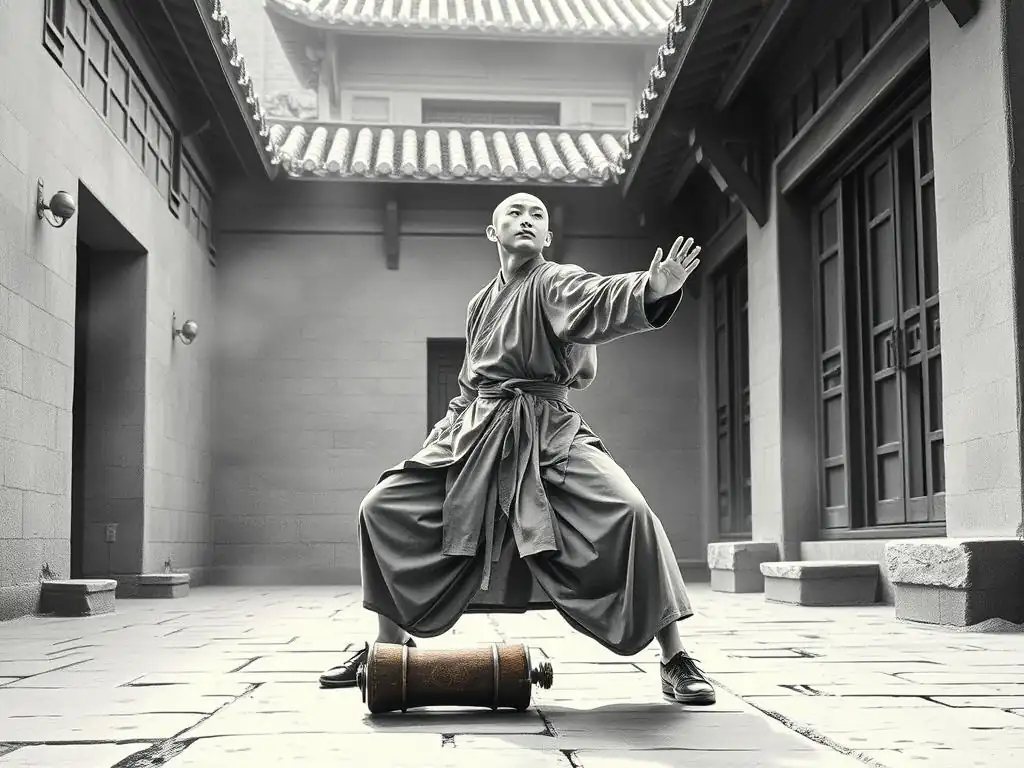
Beyond realistic combat, martial arts film influence extends to the incorporation of mystical and supernatural elements, heavily drawing from the Wuxia genre. Wuxia films, a subgenre of Chinese cinema, feature martial artists with superhuman abilities, often achieved through intense training or cultivation of internal energy (chi). Characters might perform incredible leaps, run on water, deflect projectiles with bare hands, or deliver devastating energy-infused strikes. While not always grounded, these elements add a layer of fantasy and spectacle that has proven appealing to comic book creators.
Comics have frequently borrowed from this tradition, integrating concepts like chi manipulation, mystical healing abilities, or techniques that defy physics. Iron Fist's power is the most prominent example, focusing entirely on channeling chi for superhuman feats.
Other characters might possess heightened senses, incredible durability, or specialized techniques that have a mystical origin, echoing the powers seen in Wuxia films like Crouching Tiger, Hidden Dragon or older classics like Zu Warriors from the Magic Mountain. This martial arts film influence broadens the scope of martial arts in comics beyond mere physical combat, allowing for more fantastical and visually striking power sets rooted in Eastern mysticism.
Philosophical Underpinnings: Exploring Eastern Philosophy in Comic Book Narratives
Martial arts films are often steeped in Eastern philosophical concepts, drawing from traditions like Taoism, Buddhism, and Confucianism. Themes such as balance (Yin and Yang), mindfulness, discipline, the interconnectedness of mind and body, and the pursuit of enlightenment through physical practice are frequently explored. This philosophical depth provides a contrast to the often purely physical nature of the combat and offers a moral or spiritual dimension to the characters' journeys. This martial arts film influence has also found its way into comic books, adding layers of complexity to martial arts characters and their motivations.
Comic book writers have incorporated these philosophical underpinnings into the training regimens and worldviews of their martial arts characters. Mentors often impart lessons that go beyond fighting techniques, focusing on self-control, inner peace, and the ethical implications of their power.
Characters might meditate, follow specific codes of honor, or struggle with the balance between their destructive skills and their desire for peace, reflecting concepts like the duality of Yin and Yang. This martial arts film influence elevates comic book stories, transforming them from simple action tales into explorations of character, morality, and the deeper meaning behind the pursuit of martial mastery.
Daredevil's Radar Sense: Echoes of Blind Swordsman Zatoichi
While not a martial artist in the traditional sense of having a specific named style (though he is a master of hand-to-hand combat), Daredevil's iconic "radar sense" and fighting style show a subtle but notable martial arts film influence, particularly from the legendary blind swordsman Zatoichi. Zatoichi, the protagonist of a long-running Japanese film series, is a blind masseur and master swordsman who uses his heightened senses (hearing, smell, touch) to perceive the world and fight with incredible skill, often against multiple sighted opponents.
Daredevil, blinded as a child, develops a similar form of heightened senses that function like a radar, allowing him to navigate and fight with superhuman ability. Like Zatoichi, he relies on sound, air currents, and other environmental cues to perceive his surroundings and anticipate attacks.
His fighting style, while incorporating elements of boxing and acrobatics, often emphasizes defensive maneuvers, parries, and precise strikes guided by his extra-sensory perception, much like Zatoichi's reactive and deadly swordplay. This parallel highlights how martial arts film influence isn't always about direct fighting styles but can inspire unique character abilities and fighting methodologies rooted in the cinematic depiction of extraordinary sensory perception and skill overcoming disability.
The Modern Era: Continued Relevance and Evolution
Contemporary Comic Book Artists Inspired by Martial Arts Cinema
The martial arts film influence remains a vital source of inspiration for contemporary comic book artists. While the initial 1970s boom might have subsided, the global accessibility of martial arts films, from classic Shaw Brothers epics to modern action blockbusters like The Raid or John Wick (which features highly stylized close-quarters combat), means artists have a vast library of visual reference.
Modern artists study film choreography for realistic movement, impact, and panel-to-panel flow. They look at camera angles and editing techniques used in films to inform their panel layouts and pacing, aiming to create fight scenes that feel as dynamic and immersive as possible on the static page.
Furthermore, the rise of digital tools allows artists to experiment with effects that can simulate the speed and power seen in modern martial arts films. The emphasis on "showing, not telling" in visual storytelling is a shared principle, and artists continue to refine how they depict weight, balance, and the sequence of movements to convey skill and intensity. The martial arts film influence is seen in the detailed rendering of specific strikes, the use of environmental elements in combat, and the overall kinetic energy artists strive to capture, ensuring that fight scenes feel both believable and exciting.
The Resurgence of Kung Fu Themes in Graphic Novels
Beyond monthly comics, the graphic novel format has provided a space for more in-depth and nuanced explorations of martial arts themes, often reflecting a sophisticated martial arts film influence. Graphic novels allow for longer narratives, more complex character development, and the ability to delve deeper into the philosophical and cultural aspects of martial arts, much like critically acclaimed martial arts films do. This has led to a resurgence of stories centered around martial arts, sometimes blending genres or offering unique takes on classic tropes.
Titles might explore the history of a specific style, the challenges of running a dojo, the internal struggles of a martial artist, or blend martial arts with fantasy, sci-fi, or crime genres. The visual storytelling in graphic novels can often afford more pages to action sequences, allowing artists to choreograph fights with greater detail and flow, drawing heavily from the visual language of film. This format encourages creators to move beyond simple action and explore the discipline, philosophy, and human drama inherent in martial arts, demonstrating a mature and evolving martial arts film influence on sequential art.
Kung Fu elements in independent comics and manga influence
The martial arts film influence is also strongly felt in independent comics and is inextricably linked with the massive impact of manga and anime globally. Manga and anime have their own rich tradition of martial arts storytelling, often drawing from the same cinematic sources (like Bruce Lee or Wuxia) while also developing unique conventions. The popularity of series like Dragon Ball, Naruto, or One-Punch Man has introduced martial arts concepts, training arcs, power levels, and visually distinct fighting styles to a vast audience, influencing independent comic creators worldwide.
Independent comics often have the freedom to experiment with style and narrative structure, leading to diverse interpretations of martial arts themes. Creators might blend Western comic art styles with manga-inspired choreography or explore niche martial arts philosophies.
The global exchange of ideas facilitated by the internet means that independent artists are exposed to a wide range of martial arts films and animated series, leading to a rich tapestry of martial arts film influence that goes beyond mainstream superhero comics. This cross-pollination ensures that the legacy of martial arts cinema continues to evolve and manifest in new and exciting ways within the world of sequential art.
Conclusion: The Enduring Legacy of Martial Arts Film Influence
A Celebration of Two Art Forms: Martial Arts, Cinema, and Comic Books
The relationship between martial arts, cinema, and comic books is a testament to the power of cultural exchange and the enduring appeal of stories about discipline, skill, and the fight for justice. Martial arts films, with their dynamic action, compelling characters, and rich thematic depth, provided a fertile ground for inspiration that comic books eagerly cultivated. This martial arts film influence wasn't merely superficial; it shaped narratives, defined character archetypes, revolutionized the depiction of action, and introduced new philosophical dimensions to comic book storytelling.
From the direct homages of the 1970s kung fu craze to the subtle visual cues and thematic explorations in contemporary works, the impact of martial arts cinema is woven into the fabric of the comic book medium. It's a celebration of two art forms that, while distinct, found common ground in their ability to tell powerful stories through visual means, highlighting the beauty and intensity of martial arts.
Looking Ahead: The Future of Martial Arts Influence in Comic Books
As both martial arts cinema and comic books continue to evolve, the martial arts film influence is likely to persist and take on new forms. With increasing global connectivity and the continuous creation of innovative martial arts films and series, comic creators will have an ever-expanding source of inspiration. Future comics may draw from regional martial arts styles not yet widely depicted, explore the psychological toll of high-level combat with greater realism, or blend martial arts with emerging genres and technologies.
The ongoing popularity of martial arts heroes in various media, including adaptations of comic book characters into films and television, creates a feedback loop where the cinematic interpretation of a character can in turn influence their portrayal back in the comics. This dynamic ensures that the martial arts film influence remains a living, breathing force, constantly shaping the future of action and character development on the comic book page, promising exciting new stories and visual innovations for years to come.
Frequently Asked Questions
How did martial arts films initially influence comic books?
Martial arts films, particularly those featuring Bruce Lee, introduced a new level of dynamic action and philosophical depth to comic book storytelling and character design. This led to a surge in martial arts themed comics.
Which specific martial arts films had the greatest impact on comic book characters and storylines?
Films like Enter the Dragon and Five Deadly Venoms are prime examples. They popularized specific fighting styles and revenge narratives, directly influencing characters and plotlines in various comic book series.
What are some examples of comic book characters directly inspired by martial arts film stars?
Characters like Iron Fist are heavily influenced by Bruce Lee's persona and fighting style. Also, the incorporation of chi-based powers and philosophies became a common element.
How did the visual style of martial arts films translate into comic book art?
Comic artists began incorporating dynamic poses, speed lines, and exaggerated impact effects to mimic the fast-paced action of martial arts films. This introduced a more kinetic and visually engaging style to the medium.
Beyond action, what other aspects of martial arts films influenced comic books?
The emphasis on honor, discipline, and philosophical concepts such as yin and yang, central to many martial arts films, were incorporated into comic book narratives. This added a layer of moral complexity and depth to the stories.
Final Reflection: The Enduring Legacy of Cinematic Combat
The journey through the intertwined worlds of martial arts films and comic books reveals a profound and lasting influence, one that continues to shape our visual narratives and action sequences today. The fusion of Eastern philosophy and cinematic spectacle has irrevocably altered the landscape of comic book storytelling, injecting dynamic choreography and nuanced character development into the medium. This influence is not merely aesthetic; it's a fundamental shift in how we perceive heroism, conflict, and the very nature of power.
The impact of martial arts films extends far beyond mere imitation; it's a cultural exchange that has enriched both art forms. The incorporation of martial arts philosophies, like the importance of discipline and inner peace, has added depth and complexity to comic book characters, making them more relatable and inspiring. The best fighter is never angry,
a sentiment echoed in countless martial arts films, resonates deeply within the pages of comics, reminding us that true strength lies not only in physical prowess but also in mental fortitude. This enduring influence speaks to the power of storytelling to transcend cultural boundaries and connect us through shared human experiences.
Now, as you reflect on the dynamic interplay between panels and punches, consider how these influences shape your own understanding of heroism and conflict. How do the lessons of discipline, perseverance, and inner strength, so vividly portrayed in both martial arts films and comic books, resonate within your own life? Let the enduring legacy of cinematic combat inspire you to embrace challenges with unwavering resolve and to seek balance and harmony in all that you do.
Unleash Your Inner Hero: Become a Master of Your Own Story!
Thank you for exploring the dynamic link between martial arts films and comic books! We hope you've found inspiration in how these two worlds intertwine and fuel each other. Now, it's your turn to take action.
- Craft your own comic book character inspired by your favorite martial arts film, imagining their unique skills and origin story.
- Share this article with other comic book or martial arts fans to spark a conversation about shared influences.
- Explore different martial arts styles and see how their philosophies align with the themes explored in comic books.
What martial arts movie character's journey resonates most with your personal story and heroic aspirations?