
Kamakura Shogunate: The Solidification of Samurai Power and Martial Traditions

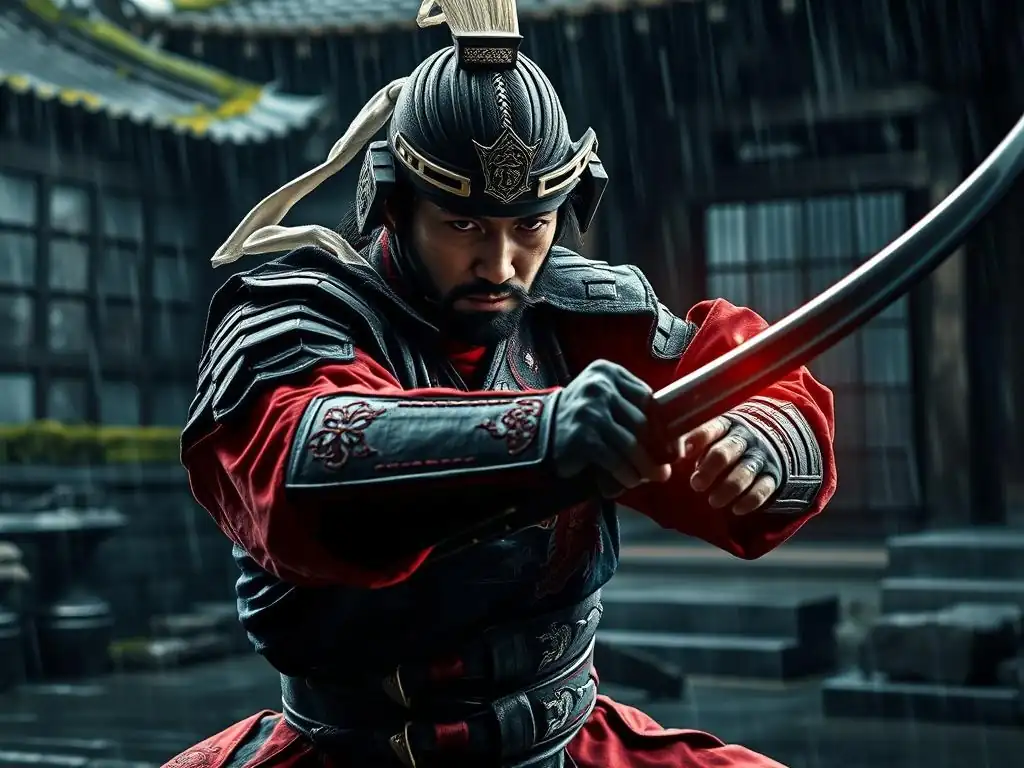
Welcome to Martial Arts Mastery!
Delve into the rich tapestry of combat and culture, where ancient wisdom meets modern practice. Are you ready to explore the foundations of warrior spirit? This week, we journey back to feudal Japan to understand the pivotal role of the Kamakura Shogunate in shaping the very essence of the samurai and their unwavering martial traditions.
Discover how this era solidified their power and forged the fighting styles that continue to resonate today. Eager to unravel the secrets behind their legendary skills and the societal forces that molded them? Read on to begin your exploration of this fascinating period in martial arts history!
-
Kamakura Samurai Martial Traditions: Key Elements and Practices
- Swordsmanship (Kenjutsu): Honing the Blade in the Kamakura Period
- Archery (Kyujutsu): Precision and Discipline on the Battlefield
- Horsemanship (Bajutsu): The Samurai's Loyal Steed and Combat Tactics
- Jujutsu and Unarmed Combat: Essential Skills for Close-Quarters Fighting
- The Importance of Loyalty and Honor (Bushido) in Kamakura Samurai Culture
-
Frequently Asked Questions
- What was the significance of the Kamakura Shogunate in the history of samurai martial traditions?
- How did the Kamakura Shogunate influence the development of specific martial arts disciplines?
- What role did Zen Buddhism play in shaping the Kamakura samurai martial traditions?
- Can you provide an example of a specific martial art or technique that became prominent during the Kamakura period?
- Where can I learn more about the historical context of samurai martial traditions during the Kamakura Shogunate?
- Final Reflection: Echoes of the Kamakura Samurai
- Embrace the Bushido Spirit: Your Journey Starts Now!
Kamakura Samurai Martial Traditions: Key Elements and Practices
Swordsmanship (Kenjutsu): Honing the Blade in the Kamakura Period
Swordsmanship, or kenjutsu, was undeniably central to the Kamakura samurai martial traditions. While the bow ( yumi) was often the primary weapon on the battlefield, the sword ( tachi, and later the katana) served as the samurai's soul, symbolizing their status, honor, and readiness for close combat. During the Kamakura period (1185–1333), the techniques and forging methods for swords saw significant advancements, driven by the constant need for effective military tools in a society ruled by warriors.
Swords were typically worn edge-down, reflecting their primary use in mounted combat where drawing and cutting in a single motion was crucial. The emphasis was on powerful, decisive strikes capable of cleaving through contemporary armor.
Training in swordsmanship was rigorous and began at a young age. While formal ryū (schools) were not as numerous or systematized as in later periods, foundational techniques were passed down through families and warrior clans. These early practices focused heavily on practical application in duels and battlefield scenarios.
The development of the curved tachi blade, optimized for cutting from horseback, became a hallmark of this era. Smiths like Masamune and Muramasa, while perhaps more associated with slightly later periods, built upon the technological foundations established during the Kamakura shogunate, producing blades renowned for their strength, flexibility, and sharpness – qualities essential for the demanding Kamakura samurai martial traditions.
Development of Hōjōryū and other early Kenjutsu styles
During the Kamakura period, while formal ryūha (lineages) were still nascent compared to the Edo period, specific family traditions and regional methods of swordsmanship began to take shape. These early styles were often closely guarded secrets within warrior clans, focusing on the most effective ways to wield the tachi and kodachi (short sword) in the context of the period's armor and combat tactics.
The term Hōjōryū is sometimes mentioned in historical texts, potentially referring to techniques favored by the ruling Hōjō clan or developed under their influence, though concrete details on its specific curriculum are scarce and debated among historians of Japanese martial arts.
These foundational styles emphasized footwork, body mechanics optimized for delivering powerful cuts, and understanding the vulnerabilities of armored opponents. While perhaps lacking the intricate kata of later kenjutsu schools, they were intensely practical, born from direct battlefield experience. Other unnamed or less documented styles undoubtedly existed, each contributing to the overall body of Kamakura samurai martial traditions by adapting techniques to local conditions, preferred weapons, and the specific needs of their clan's fighting force. This era laid the groundwork for the formalized swordsmanship that would flourish in subsequent centuries.
Archery (Kyujutsu): Precision and Discipline on the Battlefield
Archery, or kyujutsu, held a paramount position in the Kamakura samurai martial traditions, particularly in the early stages of the shogunate. The battlefield was often dominated by mounted archers, and proficiency with the yumi (longbow) was considered a fundamental skill, perhaps even more important than swordsmanship for many warriors in large-scale engagements. The asymmetrical Japanese longbow, typically around 2 meters in length, allowed for powerful shots from horseback. Training in archery was a lifelong pursuit, requiring immense physical strength, discipline, and precision, often practiced through rituals like yabusame (mounted archery).
The importance of archery is reflected in military records of the time. Battles often began with exchanges of arrows, sometimes involving thousands of volleys before forces closed for melee combat. Warriors were expected to shoot accurately from a galloping horse, a feat demanding years of dedicated practice. This skill was not just for war; archery contests and rituals were integral to samurai life, reinforcing discipline and focus. The development of specialized arrows for different purposes, such as armor-piercing tips or whistling arrows used for signaling, further highlights the sophistication of archery within the Kamakura samurai martial traditions.
The Heki-ryū Bishū Chikurin-ha school
While many early archery techniques were clan-specific, the foundations of formalized kyujutsu schools began to emerge towards the end of or immediately following the Kamakura period, building upon the practices of this era. The Heki-ryū, founded by Heki Danjō Masatsugu (circa 1465–1502), is a prominent example of a lineage that traces its roots back to the practical battlefield archery of the samurai age. Specifically, the Heki-ryū Bishū Chikurin-ha branch, named after its founder Chikurin-bo Jōsai, represents a significant development in systematizing the techniques and philosophical aspects of archery.
Although Chikurin-bo Jōsai lived in the Sengoku period, his teachings codified and refined the principles of focus, breath control, and body alignment that were undoubtedly honed by Kamakura samurai archers facing the rigors of war. The Heki-ryū emphasized efficient technique for rapid and accurate firing, crucial skills developed through necessity during periods of conflict like those experienced under the Kamakura shogunate and its aftermath. Studying such later schools provides valuable insight into the evolution and formalization of the practical archery skills central to the Kamakura samurai martial traditions.
Horsemanship (Bajutsu): The Samurai's Loyal Steed and Combat Tactics
Horsemanship, or bajutsu, was an indispensable component of the Kamakura samurai martial traditions, particularly for warriors of higher rank. Horses provided mobility, speed, and a tactical advantage on the battlefield. Samurai were skilled riders, capable of maneuvering their mounts in complex formations and executing combat techniques from horseback. The native Japanese horses, though smaller than European breeds, were hardy and well-suited to the country's terrain. Training involved not just riding but also caring for the horse, understanding its temperament, and mastering mounted combat skills, primarily archery and swordsmanship.
Mounted tactics were central to Kamakura warfare. Samurai units would often charge the enemy lines, unleashing volleys of arrows or engaging in close combat with tachi or naginata (a polearm). The ability to control a horse with one's legs while using weapons with both hands was a hallmark of a skilled Kamakura warrior. Tournaments like yabusame and kasagake (mounted archery at targets) were not merely sports but vital training exercises that honed the skills necessary for survival and effectiveness in battle, reinforcing the importance of bajutsu within the Kamakura samurai martial traditions.
The Importance of Horse Archers (Kisha) in Kamakura Warfare
The kisha, or mounted archer, represented the elite of the Kamakura samurai martial traditions in terms of battlefield prowess. These warriors combined expert horsemanship with exceptional archery skills. Their primary role was to engage the enemy from a distance, using their mobility to harass flanks, perform hit-and-run attacks, and disrupt enemy formations before the main forces clashed. The speed and agility of the kisha allowed them to dictate the terms of engagement in open terrain.
The Mongol invasions of 1274 and 1281 starkly highlighted the strengths and limitations of the kisha. While effective against traditional Japanese infantry, they faced challenges against the tightly packed formations and superior composite bows of the Mongol forces. However, the fundamental importance of mounted archery persisted throughout the Kamakura period, remaining a cornerstone of samurai training and battlefield strategy, a testament to its effectiveness in earlier conflicts and its continued relevance against various threats.
Jujutsu and Unarmed Combat: Essential Skills for Close-Quarters Fighting
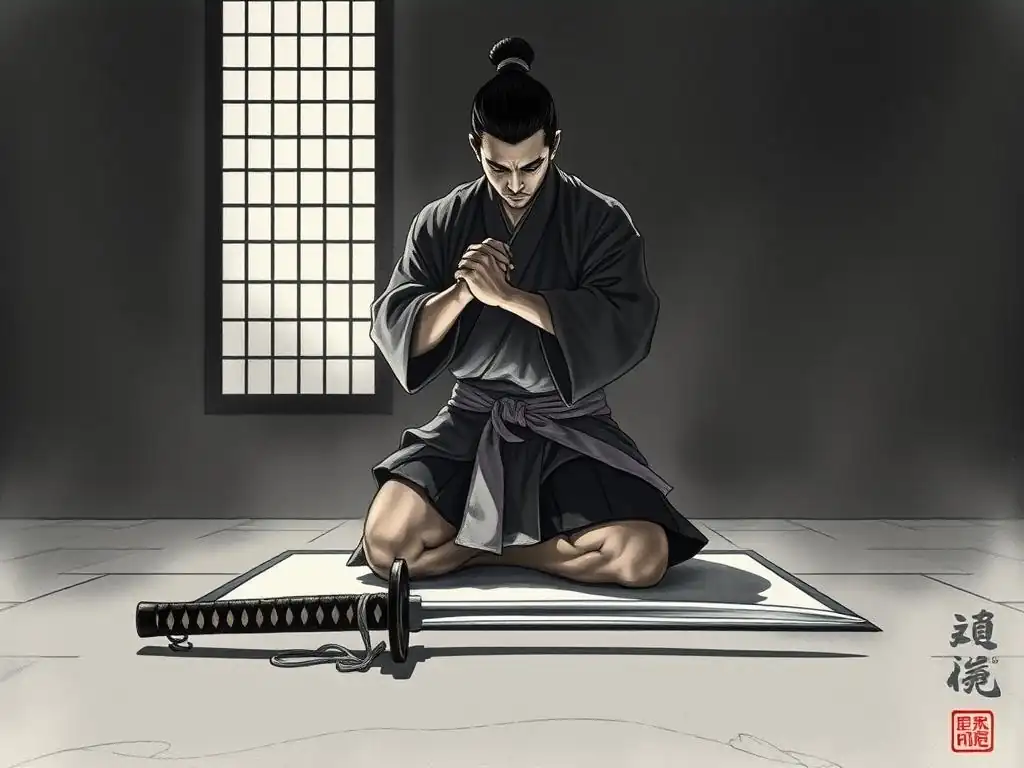
While weapons dominated the battlefield, Kamakura samurai also recognized the necessity of skills for close-quarters fighting, especially in situations where weapons were lost or broken, or when engaging enemies in confined spaces. Early forms of jujutsu and unarmed combat, collectively sometimes referred to as yawara, were practiced. These techniques were not focused on sport but on practical self-defense and offense against an armed or armored opponent. Grappling, joint locks, throws, and strikes aimed at vital points were part of this repertoire.
These skills were particularly relevant when fighting occurred in chaotic melees or when a warrior was dismounted. Techniques were adapted to deal with opponents wearing armor, focusing on exploiting weaknesses in the armor or using leverage to control and subdue. Kogusoku, a term sometimes used to describe fighting techniques while wearing light armor or grappling with an opponent in armor, embodies this aspect of Kamakura samurai martial traditions, highlighting the practical, no-nonsense approach to combat that characterized the era.
Kogusoku and early Yawara techniques
Kogusoku specifically refers to fighting techniques used when wearing gusoku, a type of armor, particularly in close proximity. It involved grappling, throws, and joint manipulations designed to control or disable an opponent who was also likely armored. The focus was on leverage and using the opponent's armor against them. These were brutal, effective methods developed out of necessity in the close-quarters chaos of samurai battles.
Yawara is a broader term often used to describe early forms of unarmed combat or techniques used when lightly armed. While the formal jujutsu schools developed later, the underlying principles of using softness to overcome hardness (柔術 - jūjutsu, soft technique) were present in the practical fighting methods of the Kamakura period. These techniques, passed down informally within warrior families, formed a vital, if less documented, part of the Kamakura samurai martial traditions, ensuring warriors were never entirely defenseless.
The Importance of Loyalty and Honor (Bushido) in Kamakura Samurai Culture
Loyalty ( chū) and honor ( meiyo) were not just abstract concepts but the bedrock principles of the developing warrior code, often referred to as Bushido (the Way of the Warrior), during the Kamakura shogunate. The relationship between a samurai and their lord, particularly the Shogun in Kamakura, was one of deep personal allegiance. This loyalty was expected to be absolute, often prioritized even over family ties. Dying honorably in battle or committing seppuku (ritual suicide) to atone for failure or preserve honor were seen as the ultimate expressions of these virtues.
This emphasis on loyalty was crucial for the stability of the military government. The shogunate relied on the unwavering fealty of its samurai vassals, who were granted land and status in return for military service. The code encouraged bravery, endurance, and a stoic acceptance of death. Tales of heroic deeds and selfless loyalty became exemplars for future generations of samurai, solidifying these values as central tenets of the Kamakura samurai martial traditions and the broader samurai identity.
The Loyalty of Kusunoki Masashige
While he lived slightly after the formal end of the Kamakura shogunate (dying in 1336), the legendary figure of Kusunoki Masashige perfectly embodies the ideals of unwavering loyalty fostered during the Kamakura period. A brilliant strategist, Kusunoki served Emperor Go-Daigo during the turbulent Nanboku-chō period, a time when the loyalty of samurai was severely tested between the Imperial court and the nascent Ashikaga shogunate. Despite facing overwhelming odds, Kusunoki repeatedly fought for the Emperor, demonstrating extraordinary courage and fidelity.
His final stand at the Battle of Minatogawa, where he and his small force were annihilated by a much larger Ashikaga army, became a celebrated example of sacrificing one's life for one's lord. Kusunoki's story, popularized in later literature like the Taiheiki, cemented his image as the quintessential loyal samurai, reflecting and reinforcing the highest ideals of loyalty and self-sacrifice that were cultivated as core components of the Kamakura samurai martial traditions.
Frequently Asked Questions
What was the significance of the Kamakura Shogunate in the history of samurai martial traditions?
The Kamakura Shogunate marked a crucial period for the development and solidification of samurai power and their related martial traditions. It shifted power away from the imperial court and established a warrior-led government.
How did the Kamakura Shogunate influence the development of specific martial arts disciplines?
The era fostered the practical application of martial skills in warfare, leading to refined techniques in swordsmanship, archery, and horsemanship. These skills became essential elements of samurai training.
What role did Zen Buddhism play in shaping the Kamakura samurai martial traditions?
Zen Buddhism's emphasis on discipline, mindfulness, and detachment influenced the samurai's mental and spiritual approach to combat. It emphasized a calm and focused mindset during warfare.
Can you provide an example of a specific martial art or technique that became prominent during the Kamakura period?
While specific styles were still evolving, the Kamakura period saw the rise of kenjutsu (swordsmanship) as a core martial art. Techniques for effective combat with the katana were highly valued.
Where can I learn more about the historical context of samurai martial traditions during the Kamakura Shogunate?
Websites like MartialArtsMastery.org offer in-depth historical overviews, training techniques, and philosophical underpinnings related to various martial arts. Look for content related to the Kamakura period specifically.
Final Reflection: Echoes of the Kamakura Samurai
The legacy of the Kamakura Shogunate, with its emphasis on martial prowess and unwavering loyalty, resonates profoundly even today. While the clash of steel and the political machinations of the era may seem distant, the core values that defined the Kamakura samurai – discipline, honor, and unwavering dedication – continue to shape modern understandings of leadership, resilience, and the pursuit of excellence.
The influence of the Kamakura period extends far beyond historical texts and academic discussions. It's a living legacy, woven into the fabric of Japanese culture and martial arts, inspiring countless individuals to strive for self-improvement and mastery. The way of the warrior is found decisively in death. When faced with two alternatives in life, then simply decide on death.
- Yamamoto Tsunetomo, Hagakure: The Book of the Samurai. This quote encapsulates the unwavering commitment that defined the Kamakura samurai, a commitment that continues to inspire dedication and purpose in various aspects of life.
As we reflect on the Kamakura Shogunate and its enduring impact on samurai martial traditions, consider how these principles can inform your own journey. How can you cultivate the discipline, honor, and dedication that defined these warriors in your own life? Embrace the spirit of the Kamakura samurai, not in the pursuit of conflict, but in the pursuit of your own personal excellence and the unwavering commitment to your chosen path.
Embrace the Bushido Spirit: Your Journey Starts Now!
Thank you for exploring the fascinating world of the Kamakura Shogunate with us. We hope you've gained valuable insights into the origins of samurai culture and its lasting impact. Ready to channel that warrior spirit into your own life?
Here's how you can further your journey:
- Begin your exploration of traditional Japanese martial arts. Find a local dojo that teaches disciplines like Kendo, Iaido, or Jujutsu and experience the physical and mental discipline firsthand.
- Delve deeper into Japanese history by researching influential figures from the Kamakura period, such as Minamoto no Yoritomo and Hojo Masako, to understand their impact.
- Share this article with fellow martial arts enthusiasts or history buffs and spark a conversation about the legacy of the Kamakura Shogunate.
Which aspect of the Kamakura Shogunate's influence—discipline, leadership, or artistry—resonates most strongly with you, and how can you incorporate it into your daily life?