
Stage to Screen: Theatrical Origins of Martial Arts Performance in Early Cinema

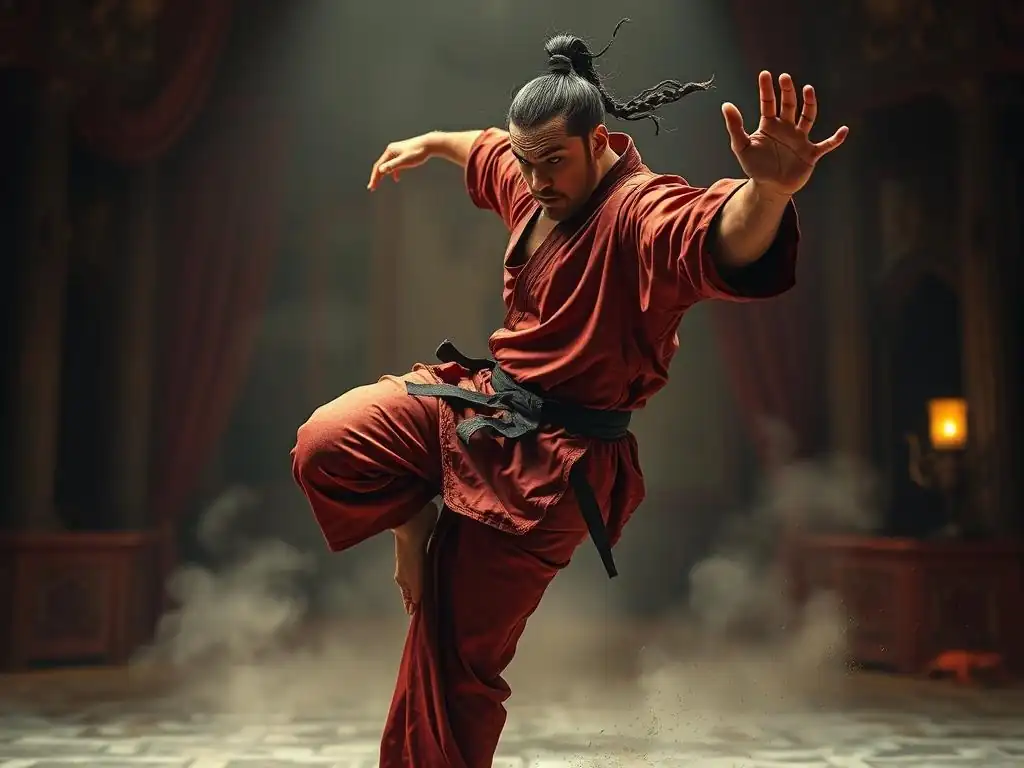
Welcome to Martial Arts Mastery, your gateway to the profound and powerful world of combat disciplines. Delve into the rich tapestry of martial arts history and culture, starting with our captivating exploration of Martial Arts Cinema History. Discover how the theatrical roots of these ancient practices blossomed onto the silver screen, shaping our understanding and appreciation of these incredible art forms. Intrigued? Let's begin the journey...
- Introduction: Tracing Martial Arts Cinema History to the Stage
- The Theatrical Landscape: Foundations of On-Screen Combat
- The Birth of Martial Arts Cinema: A Symbiotic Relationship
- Key Theatrical Elements in Early Martial Arts Films
- The Evolution of Martial Arts Performance: Stage vs. Screen
- Case Studies: Theatrical Performers Who Shaped Martial Arts Cinema
- Challenges and Adaptations: Bridging the Gap Between Stage and Cinema
- The Legacy of Theatrical Martial Arts in Modern Cinema
- Conclusion: Acknowledging the Theatrical Debt in Martial Arts Cinema History
-
Frequently Asked Questions
- What were some of the earliest influences on martial arts performance in cinema?
- How did early martial arts cinema portray historical accuracy in its fight choreography?
- What impact did legendary martial artists have on the development of martial arts cinema?
- How did the portrayal of martial arts in cinema differ across different cultures and countries?
- How has the popularity of martial arts cinema influenced the practice of martial arts in real life?
- Final Reflection: The Enduring Legacy of Stage Combat
- Unleash Your Inner Martial Artist: Dive Deeper!
Introduction: Tracing Martial Arts Cinema History to the Stage
The Unseen Roots: Martial Arts Beyond the Silver Screen
The rich tapestry of martial arts performance extends far beyond the silver screen. Before the advent of cinema captured dynamic fight sequences, martial arts were integral components of various theatrical traditions across Asia, particularly in China. These stage performances, often combining dramatic narratives with acrobatic displays and stylized combat, served as crucial incubators for the techniques, aesthetics, and storytelling conventions that would later define early martial arts cinema history. Understanding these pre-cinematic roots is essential to fully appreciate the evolution of fight choreography and performance styles we see in films today.
These theatrical forms, such as Chinese opera (including Peking Opera), were not merely static displays of forms but vibrant, narrative-driven performances where martial skill was woven into the plot. Actors trained rigorously in acrobatics, weapon handling, and stylized combat movements, using these skills to portray heroes, villains, and mythical figures. The stage provided a controlled environment for developing complex sequences that, while perhaps exaggerated for live performance, laid the foundational grammar for visual storytelling through physical action, a legacy deeply embedded in martial arts cinema history.
From Peking Opera to the First Martial Arts Films: A Cultural Bridge
The transition from the stage to the nascent world of film was a natural progression for many performers and narrative styles. Early filmmakers, particularly in China, looked to popular and readily available forms of entertainment for inspiration and talent. Peking Opera, with its established conventions of movement, character archetype, and dramatic combat, offered a rich source. Many early film pioneers and actors had direct ties to the theatrical world, bringing their stagecraft and physical prowess to the new medium.
This cultural bridge facilitated the rapid development of early martial arts cinema. The elaborate costumes, symbolic movements, and dramatic fight sequences familiar to opera audiences translated effectively to the screen, even in the limitations of early silent film. The established audience for theatrical martial arts performances provided a ready market for these new cinematic interpretations, cementing the link between stage tradition and the burgeoning genre of martial arts cinema history.
The Theatrical Landscape: Foundations of On-Screen Combat
Peking Opera: The Cradle of Martial Arts Performance
Peking Opera (Jingju) stands out as a particularly significant influence on early martial arts films. Developed in the late 18th century and flourishing in the 19th and 20th centuries, it synthesized elements from various regional opera styles. A key component of Peking Opera is wuxi (武戏), or martial plays, which feature elaborate acrobatics, stylized combat, and weapon demonstrations. Performers undergo years of rigorous training, mastering not only singing and acting but also demanding physical disciplines like tumbling, jumping, and stage combat using various props and weapons.
The training regimen in Peking Opera is legendary for its intensity, often starting at a young age. Students would practice complex sequences repeatedly, focusing on precision, fluidity, and dramatic impact. This focus on physical storytelling and highly skilled, visible movement provided a perfect blueprint for the emerging medium of film, which initially relied heavily on visual spectacle. The codified movements and character types of Peking Opera offered a ready-made vocabulary for filmmakers exploring martial arts narratives.
Physicality, Acrobatics, and Storytelling: Key Elements of Theatrical Influence
Peking Opera and similar theatrical forms emphasized extreme physicality and dazzling acrobatics as integral parts of storytelling. Characters' emotions and actions were often conveyed through highly stylized movements, gestures, and impressive feats of agility. A simple jump might be exaggerated into a series of flips, or a sword fight might involve gravity-defying leaps and intricate weapon manipulation, all designed to captivate a live audience and advance the plot visually.
This emphasis on dynamic physical performance transferred directly to early martial arts cinema history. Filmmakers adopted the use of acrobatics, exaggerated jumps, and stylized combat sequences to make their films visually exciting and understandable without extensive dialogue in the silent era. The theatrical tradition of using physical action to tell a story, rather than relying solely on verbal exposition, became a cornerstone of the martial arts film genre, a principle that persists even in contemporary productions.
Early Theatrical Conventions and their Transfer to Film
Several specific conventions from theatrical performance found their way into early martial arts films. One notable element was the use of symbolic gestures and movements to represent complex actions or emotions – a rapid series of hand movements might signify flying, for instance. Another was the clear delineation of character types through costume, makeup, and movement style, making heroes, villains, and comedic figures instantly recognizable, much like the sheng (male roles), dan (female roles), jing (painted face roles), and chou (clown roles) of Peking Opera.
Furthermore, the structure of theatrical fight scenes, often featuring a series of distinct exchanges, clear winners and losers in specific bouts, and dramatic poses, influenced early film choreography. The camera, initially static, often captured these sequences in wide shots, similar to viewing a stage, allowing the audience to appreciate the full-body movements and spatial dynamics familiar from the theatre. This direct transfer of convention helped establish a visual language for martial arts cinema history.
The Birth of Martial Arts Cinema: A Symbiotic Relationship
Early Cinema's Borrowing from Theatrical Performance Styles
Early cinema, especially in regions with strong theatrical traditions like China, heavily borrowed performance styles from the stage. Actors often came directly from opera troupes, bringing their highly trained bodies and expressive, often exaggerated, performance techniques. The need for visual clarity in silent films meant that the broad gestures, pantomime, and physical storytelling prevalent in theatre were readily adaptable. Filmmakers quickly recognized the potential of theatrical martial arts displays to provide exciting, action-packed content that appealed to mass audiences.
This borrowing wasn't limited to just performance. Camera work and editing in the earliest martial arts films often resembled recording a stage play. Static cameras captured full scenes, and cuts were less frequent than they would become. This allowed the audience to see the entire choreographed sequence, much like watching a performance from a theatre seat. The emphasis was on showcasing the performer's skill and the theatricality of the combat, laying the groundwork for the visual language of martial arts cinema history.
The Role of Theatrical Performers in Shaping Martial Arts Movie Genre
The individuals who transitioned from the stage to the screen played a pivotal role in shaping the nascent martial arts movie genre. Their mastery of physical performance, acrobatics, and stylized combat provided the essential foundation for on-screen action. These were not just actors; they were highly skilled physical artists capable of executing complex and dangerous movements. Their understanding of choreography, timing, and dramatic pacing, honed over years of live performance, became invaluable in the film studio.
Many early martial arts film stars were renowned opera performers. Their existing fame and established fan bases helped draw audiences to the new medium. More importantly, their technical skills directly influenced the choreography and execution of fight scenes, establishing benchmarks for what was possible on screen. Figures like Guan Dexing, who became famous for portraying Wong Fei-hung, had deep roots in Cantonese Opera, bringing that tradition's style and narrative elements to the silver screen, significantly impacting martial arts cinema history.
The Burning of the Red Lotus Monastery (1928) and Peking Opera Influence
One of the most significant early examples illustrating the link between theatre and film is the Chinese film serial The Burning of the Red Lotus Monastery (火烧红莲寺), released in 1928. This film, or rather series of films (it ran for 18 installments), is widely considered a landmark in martial arts cinema history and the wuxia (martial heroes) genre. Its narrative, involving rival martial arts schools, magical powers, and epic battles, drew heavily from popular wuxia novels and theatrical performances.
The film's fight sequences prominently featured exaggerated acrobatics, wire-flying (achieved through visible wires and rudimentary special effects), and characters with incredible, almost supernatural, martial abilities. These elements were direct descendants of the fantastical wuxi plays popular in Peking Opera and other regional theatres, where performers would simulate flight and display superhuman feats. The Burning of the Red Lotus Monastery vividly demonstrated how theatrical spectacle could be translated and amplified by film technology, setting a precedent for future martial arts films and cementing the genre's ties to its theatrical origins.
Key Theatrical Elements in Early Martial Arts Films
Movement and Choreography: Theatrical Roots of Fight Scenes
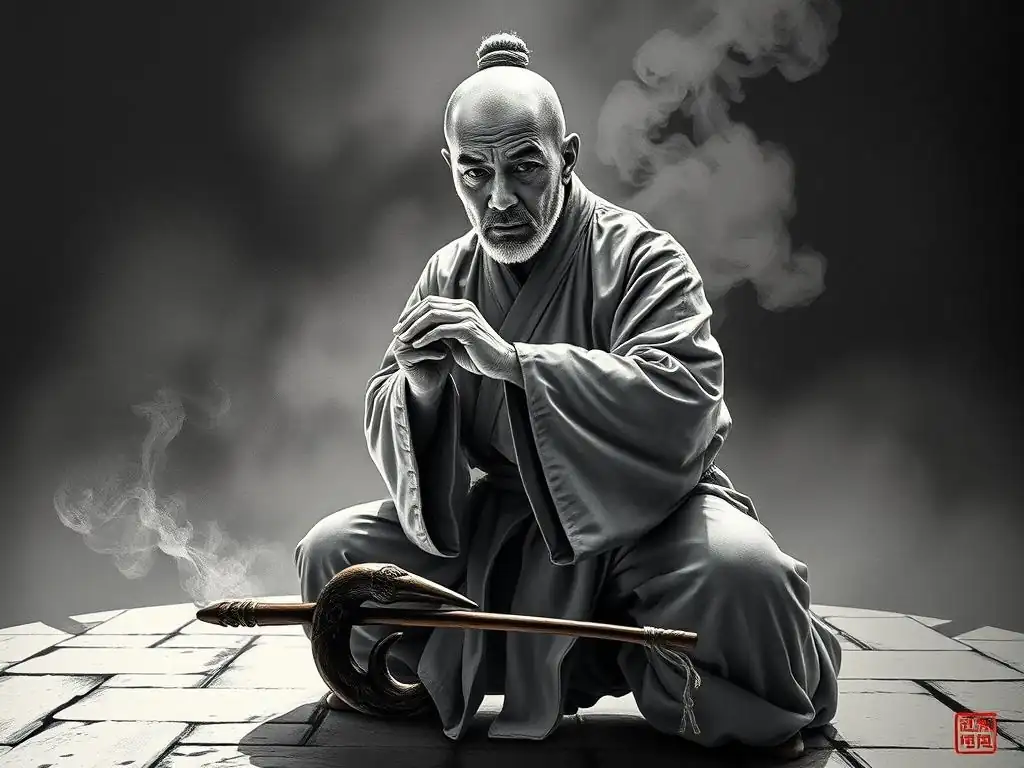
The choreography of fight scenes in early martial arts films bore a strong resemblance to theatrical combat. Movements were often broad, deliberate, and highly stylized, designed to be visible and impactful from a distance, much like on a stage. Sequences were often structured as a series of exchanges, with clear blocks, strikes, and reactions, emphasizing form and technique over gritty realism. The flow and rhythm of the fights often mirrored the percussive timing used in opera performances.
Acrobatics, such as flips, rolls, and high kicks, were integral to the choreography, adding visual flair and demonstrating the characters' extraordinary skills. These elements were not merely incidental but were woven into the narrative, often used to signify a character's power or agility. The theatrical emphasis on presenting skills clearly and dramatically directly shaped how fight scenes were conceived and executed in early martial arts cinema history, prioritizing spectacle and form.
Costumes and Makeup: Visual Signifiers from the Stage
Early martial arts films frequently adopted the elaborate costumes and distinctive makeup styles found in theatrical traditions. Character archetypes were often immediately recognizable through their attire and facial paint, mirroring the conventions of Peking Opera where specific colors and patterns denote personality traits, status, or role. For example, heroes might wear bright, elaborate robes, while villains could be identified by darker colors or particular makeup designs.
This theatrical approach to visual presentation served multiple purposes in film. It provided visual continuity with familiar stage traditions, aiding audience comprehension in the silent era. It also enhanced the fantastical elements of the wuxia genre, creating visually striking characters that stood out on screen. The use of elaborate headdresses, flowing sleeves, and symbolic accessories further linked these early cinematic figures to their theatrical counterparts, reinforcing the visual lineage in martial arts cinema history.
Narrative Conventions: Adapting Theatrical Plots and Characters
Beyond performance and visuals, early martial arts films also adapted narrative conventions from theatrical sources. Plots often revolved around classic themes common in opera and folk tales: revenge, loyalty, justice, and the struggle between good and evil martial artists or schools. Character archetypes were also frequently borrowed, such as the righteous hero, the treacherous villain, the wise master, and the comedic sidekick, all familiar roles from the stage.
The episodic nature of some early films, like The Burning of the Red Lotus Monastery, also mirrored the serial structure of traditional storytelling and opera cycles. These narrative structures provided a familiar framework for audiences and allowed filmmakers to develop complex stories over multiple installments, drawing on a wealth of existing theatrical and literary material. This adaptation of plot and character further solidified the deep connection between stage and screen in the evolution of martial arts cinema history.
The Evolution of Martial Arts Performance: Stage vs. Screen
The Transition from Exaggerated Theatricality to Cinematic Realism
As film technology advanced and filmmakers explored the unique capabilities of the medium, there was a gradual transition in martial arts performance styles. While early films embraced the exaggerated theatricality of the stage, later productions began to explore more grounded, though still highly skilled, forms of combat. The introduction of closer camera angles, faster editing, and sound allowed for more subtle performances and fight choreography that didn't need to be visible from a distance.
This shift wasn't immediate or absolute, but it marked a divergence from purely theatrical presentation. Fight scenes could become faster, more intricate, and utilize the frame to enhance impact without relying solely on broad, stage-like movements. The focus began to shift slightly from presenting a full, unbroken choreographed sequence in a wide shot to using cuts and camera angles to emphasize specific strikes, reactions, and the speed of the action. This marked an important phase in martial arts cinema history.
Wire Work and its Diminishing Theatrical Style
Wire work, initially a direct translation of theatrical techniques used to simulate flying or impossible jumps (often visible on stage), became a defining feature of early wuxia cinema. While initially quite rudimentary and visibly supported by wires, film technology allowed for its refinement. However, as films sought greater realism (relative to the genre), the overt theatricality of visible wire work gradually diminished. Later, techniques like removing wires in post-production allowed for more seamless, yet still fantastical, displays of movement.
The evolution of wire work reflects the broader trend of adapting theatrical techniques for cinematic effect. While the core concept of simulating superhuman agility remained, the presentation became less overtly theatrical and more integrated into the visual narrative through technological means. This adaptation shows how film both adopted and transformed stage conventions in the development of martial arts cinema history.
The Impact of Film Technology on Martial Arts Choreography
Film technology profoundly impacted martial arts choreography. The ability to use multiple takes, edit sequences together, and utilize different lenses and camera speeds opened up new possibilities. Choreographers could design movements specifically for the camera, focusing on angles, timing, and impact in ways not possible on a live stage. Slow motion could emphasize a powerful blow, close-ups could highlight a character's reaction, and rapid cuts could create a sense of speed and chaos.
Sound technology, in particular, revolutionized fight scenes, adding impacts, grunts, and environmental noise that enhanced the visceral feel of the combat – elements largely absent in the silent era or represented symbolically on stage. This technological evolution allowed martial arts cinema to develop its own unique visual and auditory language, moving beyond simply recording theatrical performances to creating cinematic experiences specifically designed for the screen, significantly shaping martial arts cinema history.
Case Studies: Theatrical Performers Who Shaped Martial Arts Cinema
Guan Dexing: From Cantonese Opera to Wong Fei-hung
Guan Dexing (關德興, 1905-1996) is a prime example of a performer with deep theatrical roots who became a cinematic icon. Known primarily for his portrayal of the folk hero Wong Fei-hung (黃飛鴻) in over 70 films between the 1940s and 1970s, Guan Dexing was a renowned practitioner of Cantonese Opera. His background in opera provided him with exceptional physical skills, stage presence, and a deep understanding of traditional Chinese culture and martial arts ethics, which he infused into his portrayal of the character.
His performances as Wong Fei-hung were heavily influenced by his operatic training, featuring clear, deliberate movements and a focus on the moral aspects of martial arts. While the choreography evolved over the decades, his core performance style retained a sense of theatrical dignity and rhythm. Guan Dexing's popularity demonstrated the successful transition of theatrical talent to film stardom and solidified the connection between traditional Chinese performance arts and the burgeoning genre of martial arts cinema history.
Cao Dahua: Blending Northern and Southern Styles
Cao Dahua (曹達華, 1915-2007) was another prolific actor in early Hong Kong cinema, appearing in hundreds of films, including many martial arts pictures. Although perhaps less known for pure martial arts prowess than some contemporaries, Cao Dahua's versatility and background in various performance styles, including elements of opera, allowed him to portray a wide range of characters. His roles often involved action sequences that blended different martial arts styles, reflecting the diverse influences present in both theatre and film at the time.
His career spanned decades and genres, but his presence in numerous early martial arts films, often alongside figures like Guan Dexing, highlights the prevalence of theatrically-trained actors in the industry's foundational years. Their ability to perform physical sequences and embody traditional character types was essential to the rapid production pace of the time and contributed to the development of a distinct Hong Kong martial arts cinema history style.
Analyzing the Impact of Theatrical Training on Film Roles
Theatrical training, particularly in Chinese opera, instilled in performers a discipline, physical control, and understanding of dramatic pacing that was invaluable in film. Actors like Guan Dexing and Cao Dahua possessed an innate ability to convey character through movement and posture, skills honed through years of stage performance. Their training in acrobatics and stage combat provided a ready skill set for fight choreography, often requiring minimal special effects beyond basic wire work in the early days.
Furthermore, their familiarity with traditional narratives and character archetypes allowed them to inhabit roles within the wuxia genre authentically. The theatrical emphasis on clear, expressive action translated effectively to the visual medium of film, particularly during the silent era. The legacy of these theatrically trained performers is visible in the foundational techniques and performance styles that defined early martial arts cinema history and continue to influence the genre today.
Challenges and Adaptations: Bridging the Gap Between Stage and Cinema
Overcoming Theatrical Limitations in a Cinematic Medium
Translating theatrical performance to film presented challenges. The exaggerated movements and facial expressions necessary to reach the back of a theatre were often too broad for the intimacy of the film camera, especially as close-ups became more common. Stage combat, designed for visibility and safety in a live setting, sometimes lacked the necessary speed or impact for cinematic realism. Filmmakers and performers had to adapt.
This required refining performance styles for the camera, making movements sharper, reactions more nuanced, and integrating editing and camera angles into the choreography. The goal shifted from performing for a distant audience to performing for the lens, understanding how framing and cutting would affect the perception of the action. This adaptation process was crucial in developing a distinct cinematic language for martial arts, moving beyond simply filming a stage play.
The Development of New Techniques for Film-Specific Combat
To overcome the limitations of purely theatrical combat and leverage the capabilities of film, new techniques were developed. Choreographers began to design sequences specifically for the camera, utilizing angles to hide transitions or enhance the speed of a strike. The focus shifted from continuous, wide-shot sequences to broken-down movements that could be filmed from multiple angles and edited together for maximum impact.
This led to the development of techniques like the "Hong Kong style" of fight choreography, characterized by its speed, complexity, and reliance on editing to create dynamic sequences. While still drawing on traditional martial arts and theatrical acrobatics, this approach was fundamentally cinematic. It marked a significant evolution in martial arts cinema history, moving towards a style optimized for the screen rather than the stage.
Close-Up Shots and their use in Martial Arts
The introduction and increasing use of close-up shots were transformative for martial arts films. On stage, facial expressions and subtle movements can be lost to the audience; in film, a close-up can highlight the intensity of a character's gaze, the strain of a difficult move, or the impact of a blow. Close-ups allowed filmmakers to add a layer of dramatic intensity and emotional depth to fight scenes that was difficult to achieve in theatre.
In martial arts choreography, close-ups could emphasize specific techniques, showcase the skill of the performers, or heighten the drama of a critical moment. They allowed for faster cutting and a more dynamic visual rhythm than was possible with static wide shots. The effective integration of close-ups was a key step in developing a truly cinematic approach to martial arts performance, moving away from the stage perspective and forging a unique path in martial arts cinema history.
The Legacy of Theatrical Martial Arts in Modern Cinema
The Enduring Influence of Theatrical Performance on Contemporary Martial Arts Films
Despite the evolution towards more "cinematic" styles, the influence of theatrical performance remains visible in contemporary martial arts films. Elements like exaggerated movements for dramatic effect, the incorporation of acrobatics and wire work (often digitally enhanced), and the use of stylized combat sequences can still be found, particularly in genres like wuxia and certain comedic martial arts films.
Many modern choreographers and performers still draw inspiration from traditional martial arts forms and performance styles. The emphasis on clear lines, powerful stances, and visually dynamic techniques, rooted in theatrical presentation, continues to inform fight choreography. The legacy is not just in specific moves but in the fundamental understanding of how to use physical action to tell a story and create visual spectacle, a core principle of martial arts cinema history inherited from the stage.
Kung Fu Hustle (2004) and its Theatrical Exaggeration
Stephen Chow's Kung Fu Hustle (功夫) is a prime example of a modern film that deliberately embraces and celebrates the theatrical origins of martial arts cinema history. The film is replete with exaggerated physics, fantastical abilities, and character archetypes that directly reference classic wuxia films and, by extension, the theatrical performances that inspired them. The fight scenes feature characters performing impossible feats of strength, speed, and agility, often with visible wire work and cartoonish sound effects, echoing the fantastical wuxi plays.
The film's humor often stems from the juxtaposition of mundane settings with operatic, over-the-top martial arts sequences. It pays homage to the visual language and narrative conventions of early martial arts films, which themselves were heavily influenced by theatre. Kung Fu Hustle demonstrates that the spirit of theatrical exaggeration and spectacle remains a vibrant and effective element in contemporary martial arts cinema.
Preserving the Theatrical Heritage in Martial Arts Cinema
Efforts to preserve the theatrical heritage in martial arts cinema continue today. Some filmmakers and choreographers consciously incorporate elements of traditional opera movement and combat into their work, either as direct homage or as a source of unique visual style. Documentaries and scholarly works explore the historical links, ensuring that the foundational role of theatrical performance in martial arts cinema history is not forgotten.
Furthermore, the training regimens of many martial arts film performers still include elements of acrobatics and traditional forms that have roots in theatrical disciplines. While the presentation has adapted for the screen, the underlying physical skills and aesthetic sensibilities often trace back to the stage. This ongoing connection ensures that the rich history of martial arts performance, from the theatre to the screen, remains a living tradition.
Conclusion: Acknowledging the Theatrical Debt in Martial Arts Cinema History
The Symbiotic Relationship Between Stage and Screen: A Lasting Impact
The relationship between traditional theatrical performance, particularly Chinese opera, and martial arts cinema history is profoundly symbiotic. The stage provided the initial performers, narrative frameworks, visual conventions, and the very concept of stylized combat as entertainment. Early cinema, in turn, offered a new platform to amplify and disseminate these traditions to a wider audience, while also developing its own unique cinematic language.
The evolution of martial arts on screen is a testament to this ongoing dialogue between disciplines. While film technology and narrative styles have changed dramatically since the silent era, the foundational principles of using physical action, acrobatics, and stylized movement to tell compelling stories, inherited from the stage, remain at the heart of the genre. Acknowledging this theatrical debt is crucial to understanding the full scope and rich history of martial arts cinema history.
Frequently Asked Questions
What were some of the earliest influences on martial arts performance in cinema?
Early martial arts cinema drew heavily from theatrical traditions like Chinese opera and Japanese Kabuki. These forms provided stylized movements and dramatic narratives that translated well to the screen.
How did early martial arts cinema portray historical accuracy in its fight choreography?
Accuracy wasn't a primary concern; early films prioritized entertainment value and visual spectacle. Choreography often emphasized acrobatics and dramatic poses over realistic fighting techniques.
What impact did legendary martial artists have on the development of martial arts cinema?
Figures like Bruce Lee and Jackie Chan revolutionized the genre by incorporating authentic martial arts techniques and innovative fight choreography. They brought a new level of realism and athleticism to the screen.
How did the portrayal of martial arts in cinema differ across different cultures and countries?
Each culture brought its unique martial arts styles and philosophical perspectives to the screen. Hong Kong cinema emphasized fast-paced action and wire work, while Japanese cinema often focused on samurai traditions.
How has the popularity of martial arts cinema influenced the practice of martial arts in real life?
The popularity of martial arts cinema has led to increased global interest in martial arts training. Many people are inspired to learn martial arts after seeing dynamic fight scenes on the big screen.
Final Reflection: The Enduring Legacy of Stage Combat
The journey from the theatrical stage to the silver screen reveals a fascinating lineage, and the impact of early martial arts performance on cinema remains profoundly visible today. What began as stylized combat in theatrical productions has evolved into a global phenomenon, shaping action cinema and influencing countless aspects of popular culture. The echoes of those early performances resonate in every meticulously choreographed fight scene, reminding us of the rich history underpinning the genre.
This exploration of martial arts cinema history illuminates how deeply intertwined performance traditions are with our modern entertainment. Understanding these roots allows us to appreciate the artistry and dedication of performers who paved the way for today's action stars. The only way to do great work is to love what you do.
– Steve Jobs. This quote, while not directly about martial arts, perfectly encapsulates the passion and commitment required to transform stage combat into the dynamic art form we see on screen. The dedication of those early performers laid the foundation for a genre that continues to captivate and inspire.
As we reflect on the theatrical origins of martial arts performance in cinema, let us consider the power of storytelling through movement. How can we, in our own lives, embrace the discipline, artistry, and dedication exemplified by these pioneers? Let us strive to appreciate the history behind the spectacle, and to recognize the enduring legacy of those who brought martial arts to the world stage and, ultimately, to the silver screen.
Unleash Your Inner Martial Artist: Dive Deeper!
Thank you for exploring the captivating history of martial arts on film! We hope you’ve enjoyed discovering how stage traditions shaped the cinematic fight scenes we love. Now, it’s time to take your passion to the next level.
Here are a few ways to continue your journey:
- Embrace the Legacy: Research and learn a specific martial art form that has roots in theatrical performance. Consider forms like Peking Opera martial arts, which heavily influenced early films.
- Share your newfound knowledge: Post your favorite discovery from this article on social media. Inspire others to explore the fascinating connection between stage and screen!
- Create your own homage: Recreate a short, theatrical fight scene with friends, incorporating elements from both stage and film.
What specific theatrical martial arts style will you explore first, and how do you envision incorporating its elements into your own practice or appreciation of film?