
Wudang vs. Shaolin: A Tale of Two Pillars in Chinese Martial Arts

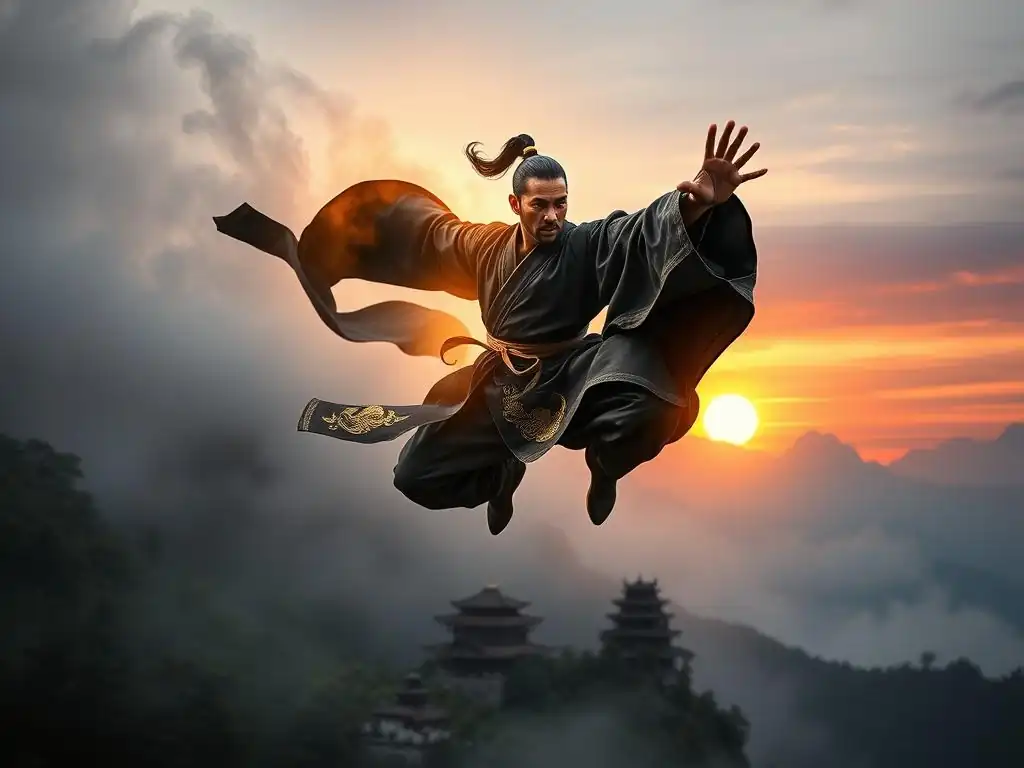
Welcome to Martial Arts Mastery, your gateway to understanding the depth and breadth of global martial traditions. Delve into the captivating world of combat, philosophy, and history. Ever wondered about the contrasting philosophies and techniques that shaped the landscape of Chinese martial arts? Then prepare to embark on a fascinating journey as we explore the epic rivalry and shared heritage of Wudang Shaolin martial arts. Discover the secrets behind these two legendary pillars and unlock the knowledge that has been passed down through generations. Read on to uncover the truth!
- Shaolin Kung Fu: Power, Speed, and External Strength
-
Frequently Asked Questions
- What are the key differences between Wudang and Shaolin martial arts styles?
- How does the philosophical basis of each school influence their training methods?
- What are some examples of specific techniques unique to Wudang martial arts?
- How do Wudang and Shaolin martial arts contribute to self-defense strategies?
- Final Reflection: The Enduring Harmony of Wudang and Shaolin
- Unleash Your Inner Warrior: Embark on Your Martial Arts Journey!
Shaolin Kung Fu: Power, Speed, and External Strength
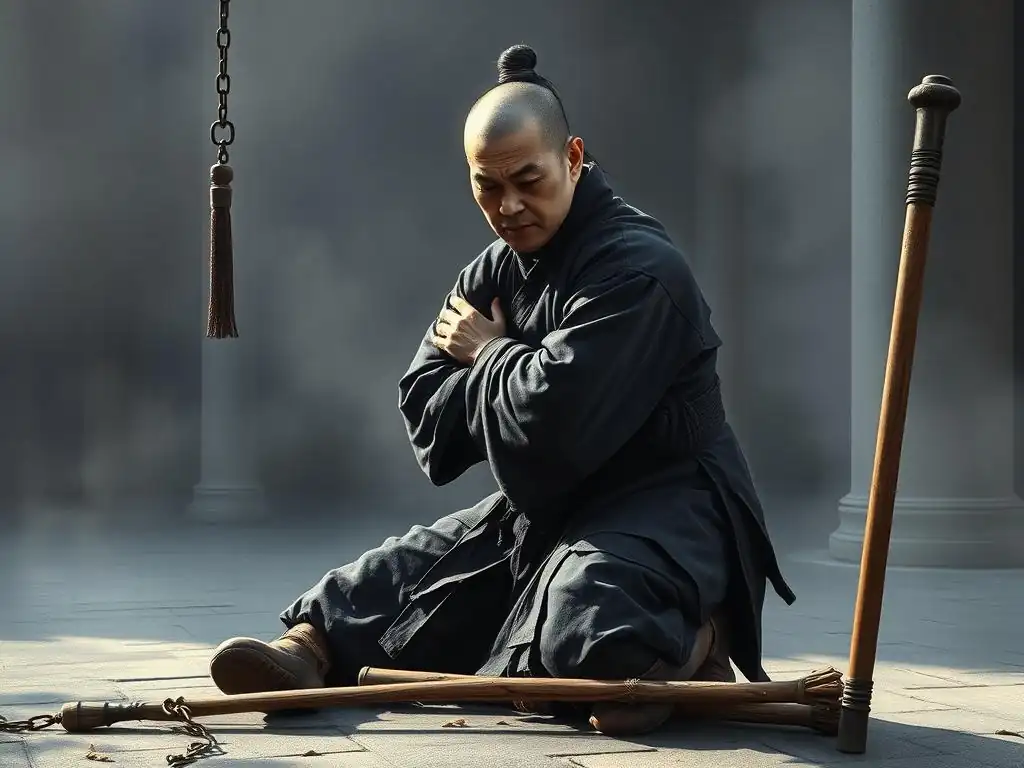
Shaolin Kung Fu stands as one of the most globally recognized forms of Chinese martial arts, renowned for its dynamic movements, powerful strikes, and emphasis on physical conditioning. Often categorized as an "external" style, Shaolin training prioritizes developing muscular strength, speed, agility, and explosive power. This approach contrasts significantly with the internal focus typically associated with Wudang Shaolin martial arts, highlighting the diverse paths within Chinese martial traditions. The rigorous physical demands of Shaolin training forge practitioners capable of delivering rapid, forceful techniques, making it a potent system for self-defense and combat.
The core of Shaolin's methodology lies in its comprehensive physical conditioning, encompassing strength training, flexibility exercises, endurance drills, and impact conditioning (iron palm, etc.). Forms (套路 - tàolù) are central to practice, combining sequences of techniques into complex routines that build coordination, balance, and application understanding. While forms are crucial, application drills, sparring, and physical feats are equally vital components, ensuring the martial effectiveness of the training. This robust physical foundation is a defining characteristic when comparing Shaolin and Wudang Shaolin martial arts systems.
The Historical Origins of Shaolin Martial Arts: A Temple's Defense
The history of Shaolin Kung Fu is deeply intertwined with the Shaolin Monastery (少林寺) located on Mount Song in Henan Province, China. Traditionally, the development of martial arts at Shaolin is linked to the need for the monks to defend themselves and the monastery from bandits, soldiers, and local unrest. While legends often attribute the origins to Bodhidharma (達摩), an Indian monk who arrived in the 6th century CE and is said to have introduced exercises to strengthen the monks, historical evidence suggests the martial practices evolved over centuries, influenced by various military and civilian fighting styles.
During the Sui and Tang dynasties (late 6th to 10th centuries), the Shaolin Monastery gained prominence, particularly for its martial prowess. Historical records recount instances where Shaolin monks participated in military campaigns, notably assisting the future Tang emperor Li Shimin in the early 7th century. This involvement solidified the temple's reputation not just as a religious center but also as a hub of martial skill. The martial arts practiced at Shaolin were initially pragmatic fighting techniques, evolving over time into the sophisticated system recognized today, a distinct lineage within the broader spectrum of Wudang Shaolin martial arts history.
Shaolin Training Philosophy: Chan Buddhism and Physical Prowess
The training philosophy of Shaolin Kung Fu is profoundly influenced by Chan Buddhism (Zen in Japan), which is the monastery's religious foundation. Unlike martial arts purely focused on combat, Shaolin training integrates physical discipline with spiritual cultivation. The demanding physical exercises are seen not just as a means to build fighting skill but also as a path to strengthen the mind, develop discipline, and achieve a state of focused awareness essential for Chan practice. This holistic approach embodies the principle of "Chan Wu He Yi" (禅武合一), meaning "Chan and Martial Arts as One."
The monastic lifestyle provides a structured environment for this integration. Daily routines include meditation, scripture study, and manual labor alongside rigorous physical training. The physical hardship of training is viewed as a form of ascetic practice, helping monks overcome physical limitations and mental distractions. This intertwining of spiritual and physical development distinguishes Shaolin training from purely secular martial arts systems and offers a unique perspective within the study of Wudang Shaolin martial arts traditions. The discipline learned through mastering complex forms and enduring challenging drills is directly applicable to cultivating mindfulness and inner peace.
Shaolin Styles and Techniques: Northern Shaolin, Southern Shaolin, Wing Chun
Shaolin Kung Fu is not a single, monolithic style but rather a collection of systems and techniques that originated from or were heavily influenced by the Shaolin Monastery. A primary distinction is often made between "Northern Shaolin" and "Southern Shaolin" styles, reflecting geographical differences in emphasis. Northern Shaolin, influenced by the terrain and fighting traditions of Northern China, is characterized by its emphasis on long-range techniques, powerful kicks, acrobatic movements, and wide, expansive stances. Examples include forms like Chang Quan (Long Fist).
Southern Shaolin styles, originating or flourishing in Southern China, typically feature shorter stances, powerful hand techniques, close-range combat, and strong arm conditioning. Examples include styles like Hung Gar or Choy Li Fut, which trace some lineage or influence back to real or legendary Southern Shaolin temples.
While styles like Wing Chun are often discussed alongside Southern Chinese martial arts, its direct historical link to the Shaolin Monastery is a subject of debate among martial arts historians. Regardless, the influence of Shaolin principles on a vast array of Chinese martial arts is undeniable, showcasing its foundational role in the development of systems like Wudang Shaolin martial arts and many others.
Shaolin Weapons Training: Staff, Broadsword, Spear
Weapons training is an integral and highly developed aspect of Shaolin Kung Fu, with a vast arsenal of traditional Chinese weapons being practiced. Among the most prominent and historically significant are the staff (棍 - gùn), the broadsword (刀 - dāo), and the spear (槍 - qiāng). The staff holds a special place in Shaolin history and practice, often referred to as the "king of weapons," with forms like the Shaolin Cudgel being particularly famous. Staff training emphasizes speed, power, and versatile techniques for striking, blocking, and leverage.
The broadsword (Dao) is a single-edged, curved saber known for its powerful cutting and slashing techniques. Shaolin broadsword forms are dynamic, requiring agility and strong wrist work. The spear (Qiang), known for its flexibility and reach, is trained for thrusting, circling, and deflecting.
Beyond these three core weapons, Shaolin training includes proficiency in many others, such as the straight sword (Jian), three-section staff, and various polearms. Mastering these weapons requires the same dedication to physical conditioning, focus, and application principles as empty-hand forms, further demonstrating the comprehensive nature of Shaolin training within the broader landscape of Wudang Shaolin martial arts.
Frequently Asked Questions
What are the key differences between Wudang and Shaolin martial arts styles?
Wudang emphasizes internal power and yielding techniques, often associated with Taoism. Shaolin focuses on external strength, direct attacks, and is deeply rooted in Buddhism. They represent distinct philosophical approaches to martial arts.
How does the philosophical basis of each school influence their training methods?
Shaolin training is rigorous and emphasizes physical conditioning and direct combat, reflecting Buddhist discipline. Wudang focuses on cultivating qi (internal energy) through meditation and flowing movements, aligning with Taoist principles.
What are some examples of specific techniques unique to Wudang martial arts?
Wudang styles often feature techniques like Taijiquan (Tai Chi), emphasizing softness to overcome hardness. They also incorporate weapons like the jian (double-edged sword) with fluid, circular motions.
Shaolin Kung Fu is renowned for its powerful strikes, leaping kicks, and animal-style forms, such as Tiger, Crane, and Monkey. These techniques emphasize directness and force.
How do Wudang and Shaolin martial arts contribute to self-defense strategies?
Wudang's focus on yielding can be used to redirect an opponent's force, minimizing direct confrontation. Shaolin provides direct and powerful techniques for immediate self-defense in close-quarters combat.
Final Reflection: The Enduring Harmony of Wudang and Shaolin
The exploration of Wudang and Shaolin martial arts reveals more than just contrasting styles; it unveils a profound duality within Chinese culture itself. The enduring legacy of these two pillars lies not in their competition, but in their complementary nature, shaping not only martial arts but also philosophy, spirituality, and physical well-being across generations. Their influence continues to resonate deeply in modern martial arts practices and popular culture, demonstrating their timeless appeal.
The impact of Wudang and Shaolin extends far beyond the dojo. Their philosophies, emphasizing inner peace and physical discipline, offer invaluable lessons for navigating the complexities of modern life. The pursuit of balance, whether through the flowing movements of Tai Chi or the rigorous training of Shaolin Kung Fu, provides a pathway to self-discovery and personal growth. To understand the Way, one must understand both the Yin and the Yang, the soft and the hard, the internal and the external.
This ancient wisdom, embodied by Wudang and Shaolin, remains profoundly relevant today.
As we conclude this journey through the world of Wudang and Shaolin, consider how their principles can enrich your own life. Embrace the pursuit of balance, cultivate inner strength, and strive for harmony in all aspects of your being. Let the wisdom of these ancient traditions guide you towards a more fulfilling and meaningful existence. The path of Wudang and Shaolin is not just about martial arts; it's about the art of living well.
Unleash Your Inner Warrior: Embark on Your Martial Arts Journey!
Thank you for exploring the captivating world of Wudang and Shaolin with us. Now that you've gained insights into these two legendary pillars of Chinese martial arts, it's time to channel that knowledge into action.
Here's how you can take the next step:
- Explore the unique forms of Wudang Tai Chi or Shaolin Kung Fu through local classes or online resources. Find one that resonates with your spirit and begin your training!
- Delve deeper into the philosophical underpinnings of each style by researching Taoist and Buddhist principles.
- Share this article with fellow martial arts enthusiasts and spark a discussion about the merits of each discipline.
Which aspect of Wudang or Shaolin do you find most inspiring, and how will you incorporate it into your own martial arts practice or philosophy?