
Yokozuna, Ozeki, Sekiwake: Privileges, Pressures, and Responsibilities of Sumo's Top Ranks

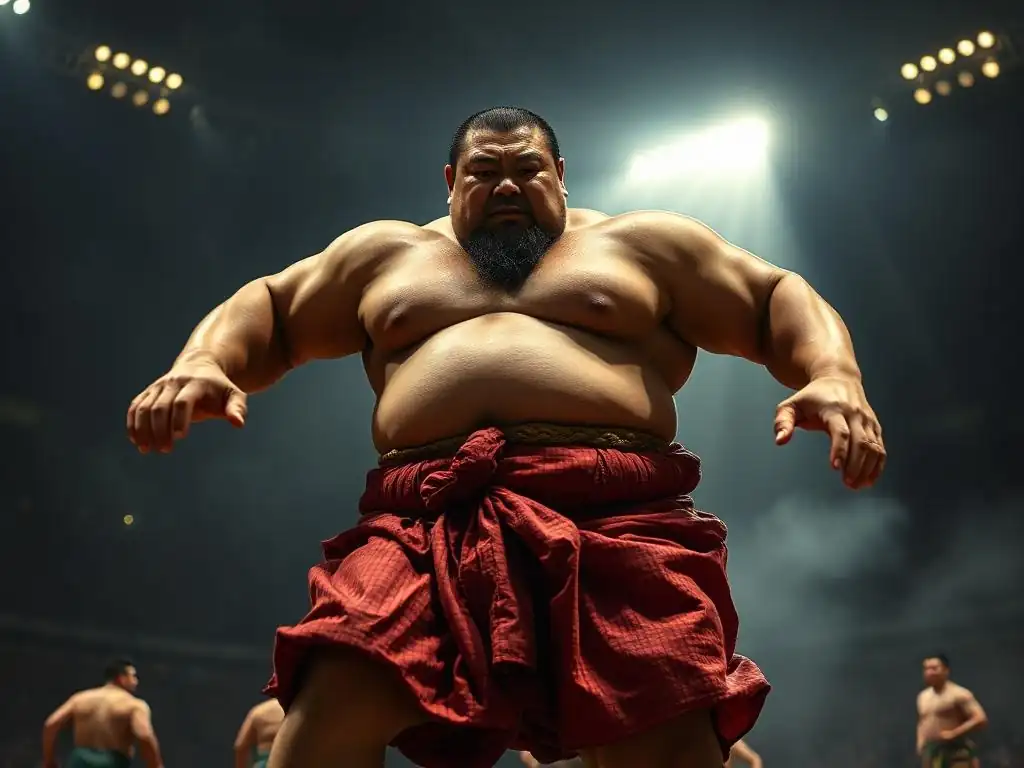
Welcome to Martial Arts Mastery, where the world of combat traditions unfolds! Delve into the rich tapestry of martial arts disciplines, from ancient philosophies to cutting-edge training techniques. Today, we venture into the world of Sumo, a sport steeped in tradition and demanding immense physical and mental fortitude. Ever wondered about the hierarchy within the dohyo?
Prepare to uncover the intricate Sumo wrestler ranking system, exploring the unique privileges, intense pressures, and immense responsibilities shouldered by Yokozuna, Ozeki, and Sekiwake. What does it really take to reach the pinnacle of this revered sport? Read on to discover the secrets behind Sumo's elite!
- Understanding the Sumo Wrestler Ranking System
-
Frequently Asked Questions
- What are the top ranks in Sumo wrestling, and what does the article focus on?
- What is the significance of the Yokozuna rank in Sumo?
- What are some of the pressures faced by Sumo wrestlers in the top ranks?
- How does the article from MartialArtsMastery.org approach the topic of Sumo ranks?
- What is the difference between the Ozeki and Sekiwake ranks, and what does the article likely say about it?
- Final Reflection: The Weight of Tradition
- Embrace the Sumo Spirit: Begin Your Journey Now!
Understanding the Sumo Wrestler Ranking System
Introduction to Sumo Ranks and Hierarchy
The foundation of professional sumo is its intricate and strictly hierarchical ranking system, known as the Banzuke. This monumental list, published two weeks before the start of each bimonthly tournament (basho), meticulously details the position of every active rikishi (sumo wrestler) from the pinnacle, the Yokozuna, down to the lowest ranks in the Jonokuchi division.
The system is divided into several main divisions: Makuuchi (the top division), Juryo (the second division), followed by the lower, unpaid ranks of Makushita, Sandanme, Jonidan, and Jonokuchi. Within the top two divisions ( Sekitori), wrestlers are ranked on both the east and west sides of the Banzuke, with the east generally considered slightly more prestigious at the same rank.
The Banzuke is more than just a list; it's a historical document reflecting the constantly shifting fortunes of the sumo world. A wrestler's position is determined solely by their performance in the previous tournament. Achieving a kachi-koshi (a winning record, typically 8 wins or more in the top divisions' 15 bouts) generally results in promotion, sometimes several ranks, while a make-koshi (a losing record, typically 7 losses or more) leads to demotion.
The ultimate goal for every aspiring rikishi is to climb this ladder, aiming for the elite ranks at the very top, which represent the highest levels of skill, dedication, and success in the rigorous world of sumo. There are typically around 600-700 professional sumo wrestlers in total, with only the top 70 (approx. 42 in Makuuchi, 28 in Juryo) holding the coveted Sekitori status.
The Significance of Rank in Sumo Wrestling
A sumo wrestler's rank dictates virtually every aspect of their professional life. It is the primary determinant of their salary, privileges, living conditions within the sumo stable ( heya), and even the respect they receive from peers and the public.
Wrestlers in the top two divisions, the Sekitori ranks (Makuuchi and Juryo), enjoy significant benefits compared to their lower-ranked counterparts. For instance, a Makuuchi wrestler earns a substantial monthly salary, potentially exceeding one million yen (roughly $7,000 USD) for top ranks, along with various bonuses and appearance fees, whereas wrestlers below Juryo receive only a small allowance and must perform chores within the stable, serving the higher-ranked rikishi.
Beyond financial and living standards, rank profoundly impacts a wrestler's career trajectory and tournament experience. Higher-ranked wrestlers face increasingly difficult opponents as they climb the Banzuke, culminating in the top Sanyaku ranks (Komusubi, Sekiwake, Ozeki, and Yokozuna) who regularly face each other. Their bouts are featured more prominently during tournament broadcasts, and their performance heavily influences their future ranking.
The pressure to maintain a high rank is immense, as demotion can lead to significant loss of income and status. The dynamic ebb and flow of the sumo wrestler ranking system, with its constant promotion and demotion, ensures fierce competition and makes the Banzuke release before each basho a moment of high anticipation for fans and wrestlers alike.
Frequently Asked Questions
What are the top ranks in Sumo wrestling, and what does the article focus on?
The top ranks are Yokozuna, Ozeki, and Sekiwake. The article explores the privileges, pressures, and responsibilities associated with these positions in Sumo wrestling.
What is the significance of the Yokozuna rank in Sumo?
Yokozuna is the highest rank in Sumo, representing the pinnacle of achievement. A Yokozuna is expected to maintain a superior level of performance and conduct throughout their career.
What are some of the pressures faced by Sumo wrestlers in the top ranks?
Top-ranked wrestlers face intense public scrutiny and are expected to win consistently. The pressure to perform can be immense, leading to significant mental and physical strain.
How does the article from MartialArtsMastery.org approach the topic of Sumo ranks?
The article provides a comprehensive overview, likely covering historical aspects, training insights, and the philosophical underpinnings of the top Sumo ranks, consistent with the website's broader scope.
What is the difference between the Ozeki and Sekiwake ranks, and what does the article likely say about it?
While Ozeki is a rank below Yokozuna and holds significant prestige, Sekiwake is a rank lower and considered part of the sanyaku. The article would likely detail the qualifications and expectations for each rank.
Final Reflection: The Weight of Tradition
The intricate Sumo wrestler ranking system, particularly the rarified air of Yokozuna, Ozeki, and Sekiwake, is far more than just a ladder of athletic achievement; it's a living embodiment of Japanese cultural values, demanding not only physical prowess but also unwavering dedication and impeccable conduct. The pressures and privileges inherent in these top ranks continue to shape the lives of these athletes, influencing their every action both inside and outside the dohyo, and reflecting a deep-seated respect for tradition in a rapidly modernizing world.
The enduring influence of this ranking system on the cultural landscape is undeniable. It serves as a constant reminder of the importance of discipline, honor, and perseverance, values that resonate far beyond the sumo ring. The weight of expectation placed upon these wrestlers, especially the Yokozuna, is immense, shaping their public image and personal lives. The Yokozuna is not just a wrestler; he is a symbol of Japan, a living embodiment of its spirit.
This quote encapsulates the profound responsibility that comes with reaching the pinnacle of sumo, a responsibility that extends far beyond winning matches.
As we reflect on the privileges, pressures, and responsibilities of sumo's top ranks, let us consider the lessons they offer us all. How can we, in our own lives, strive for excellence while upholding the values of integrity and respect? How can we embrace the weight of responsibility with grace and determination? Let the dedication and discipline of these remarkable athletes inspire you to pursue your own goals with unwavering commitment and a deep appreciation for the traditions that shape us.
Embrace the Sumo Spirit: Begin Your Journey Now!
Thank you for exploring the world of Sumo's top ranks with us. We hope this journey into the privileges and pressures of Yokozuna, Ozeki, and Sekiwake has broadened your appreciation for this incredible martial art. Now, it's time to take the next step.
- Dive deeper: Research a specific wrestler whose journey resonated with you and share your findings online.
- Attend a local sumo event or find a related cultural festival to experience Japanese traditions firsthand.
- Start a discussion: What aspect of Sumo culture, beyond the wrestling, do you find most fascinating?