
The Small Screen Warrior: Martial Arts' Journey and Impact on Television Series

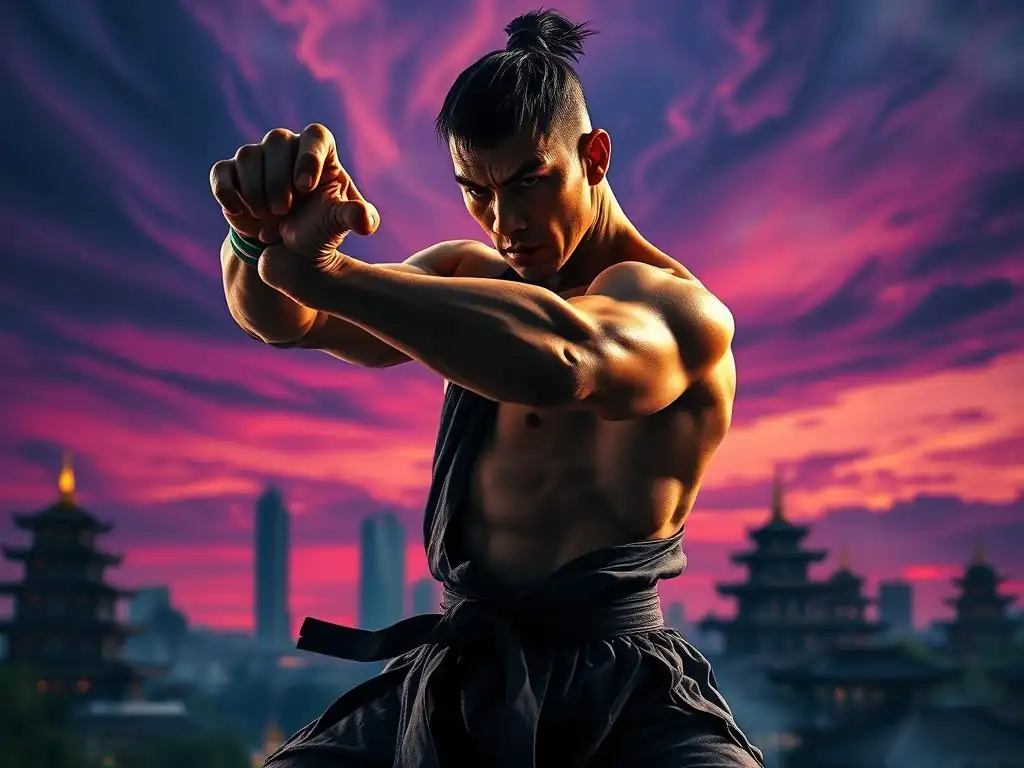
Welcome to Martial Arts Mastery, your gateway to the world's most compelling fighting traditions. Ever wondered how the ancient disciplines of the dojo have leapt onto the small screen? This article, " The Small Screen Warrior: Martial Arts' Journey and Impact on Television Series", delves into the fascinating history of martial arts TV series, exploring their cultural impact and evolution. Discover how these shows have shaped our perception of combat and inspired generations. Prepare to be captivated by the stories behind the fights!
- The Golden Age: Martial Arts TV Series Boom
-
Frequently Asked Questions
- What are some of the earliest examples of martial arts being prominently featured in television series?
- How has the portrayal of martial arts in TV series evolved over time?
- What impact have martial arts TV series had on the popularity of martial arts in general?
- What are some common inaccuracies or misrepresentations of martial arts often seen in TV series?
- Besides action and combat, what other themes or aspects of martial arts are often explored in TV series?
- Final Reflection: The Enduring Legacy of the Small Screen Warrior
- Embrace Your Inner Warrior: Take Action Now!
The Golden Age: Martial Arts TV Series Boom
"Walker, Texas Ranger": A Case Study in Success
The 1990s ushered in a period often considered a golden age for martial arts TV series, and "Walker, Texas Ranger" stands as a prime example of its mainstream success. Starring Chuck Norris, a renowned martial artist in his own right, the show premiered in 1993 and ran for an impressive nine seasons, concluding in 2001. Its longevity on a major network (CBS) demonstrated a significant appetite among American audiences for action-packed dramas centered around martial arts.
The series blended the traditional Western lawman trope with contemporary martial arts techniques, primarily showcasing Norris's signature style, Chun Kuk Do, a system he founded. Each episode typically featured multiple fight sequences, allowing Norris to display his skills and setting a benchmark for action choreography on broadcast television during that era. At its peak, the show garnered millions of viewers weekly, solidifying its place as a cultural touchstone of 90s television.
Beyond its impressive run and viewership, "Walker, Texas Ranger" significantly influenced the perception of martial arts within a law enforcement context. The protagonist, Cordell Walker, used his martial arts mastery not just for combat but as a tool for justice, embodying discipline, integrity, and power. This portrayal resonated with viewers and helped popularize the idea of martial arts as a practical skill applicable in real-world situations, albeit within a fictionalized framework.
The show's global syndication further amplified its impact, introducing the martial arts TV series format and Chuck Norris's unique brand of action to audiences worldwide. Its formula of combining straightforward storytelling with consistent, engaging martial arts action proved highly effective and inspired subsequent productions.
Kung Fu on Television: Exploring the Western Fascination with Chinese Martial Arts
While the original "Kung Fu" series from the 1970s first sparked Western fascination with Chinese martial arts on the small screen, the "Golden Age" of martial arts TV series in the 80s and 90s continued to explore and capitalize on this interest, albeit often through a different lens. Shows like "Walker, Texas Ranger," while featuring a blended style, still drew heavily on the visual language and philosophical undertones associated with Asian martial arts, particularly Kung Fu.
The increasing popularity of Hong Kong martial arts cinema in the West during this period, with stars like Jackie Chan and Jet Li gaining recognition, also fueled television's inclination to incorporate more sophisticated and dynamic fight choreography inspired by traditional Chinese forms.
Even if not explicitly titled "Kung Fu," many action series of the era featured characters or storylines that paid homage to or directly utilized Kung Fu principles and techniques in their fight scenes, reflecting a continued cultural curiosity about these ancient practices.
This era's martial arts TV series often presented a romanticized or simplified view of Kung Fu, focusing on the exoticism, discipline, and sometimes mystical elements. These portrayals, while not always strictly accurate, played a significant role in shaping public perception and fostering a broader interest in martial arts disciplines.
They introduced concepts like chi, meditation, and the connection between mind and body to a wide audience, encouraging many viewers to seek out local martial arts schools. The fascination was less about technical accuracy and more about the perceived wisdom, power, and unique fighting styles associated with Kung Fu, making it a compelling element for television narratives.
The Rise of Ninja-Themed TV Shows and Their Cultural Impact
Parallel to the continued fascination with Kung Fu, the 1980s and early 90s saw a significant surge in the popularity of ninja-themed martial arts TV series, capitalizing on a global ninja craze. Shows like "The Master" (though short-lived, airing in 1984) featured a mysterious ninja master training an American student, directly bringing the enigmatic world of ninjutsu to primetime.
While often sensationalized and blending historical accuracy with fantastical elements, these series captivated audiences with their focus on stealth, unique weaponry (like shuriken, nunchaku, and katanas), and acrobatic fighting styles. Even animated series like the live-action adaptation of "Teenage Mutant Ninja Turtles" contributed to this trend, albeit in a more lighthearted manner, solidifying the image of the martial arts-practicing ninja in popular culture.
The cultural impact of these ninja-themed martial arts TV series was considerable. They not only entertained but also popularized specific aspects of Japanese martial culture, even if filtered through a Western action lens. The distinctive black ninja gi became an instantly recognizable symbol, and weapons previously obscure to Western audiences became widely known.
While these portrayals often leaned into stereotypes and exaggerated abilities, they undoubtedly fueled interest in Japanese martial arts and martial arts practice in general. The ninja trend demonstrated television's power to take a specific martial arts archetype and turn it into a widespread cultural phenomenon, influencing toys, fashion, and even backyard martial arts play among young viewers.
Frequently Asked Questions
What are some of the earliest examples of martial arts being prominently featured in television series?
Early examples often involved Kung Fu, which popularized martial arts in the 1970s, and shows that integrated Japanese martial arts like karate into their narratives. These shows helped introduce Eastern philosophies to a Western audience.
How has the portrayal of martial arts in TV series evolved over time?
The portrayal has become more realistic and nuanced, moving away from stereotypical depictions towards more authentic representations of different styles and their cultural origins.
What impact have martial arts TV series had on the popularity of martial arts in general?
These series have significantly boosted interest in learning martial arts, inspiring viewers to seek out training and explore the physical and mental benefits of the disciplines.
What are some common inaccuracies or misrepresentations of martial arts often seen in TV series?
Often, shows exaggerate the speed and power of techniques, and sometimes incorrectly depict the philosophical foundations and ethical codes of certain martial arts.
Besides action and combat, what other themes or aspects of martial arts are often explored in TV series?
Many series explore themes of discipline, honor, and personal growth, delving into the philosophical and spiritual aspects of martial arts beyond just the fighting techniques.
Final Reflection: The Enduring Legacy of the Small Screen Warrior
The journey of martial arts on television, as we've explored, is far more than just choreographed fight scenes; it's a testament to the enduring appeal of discipline, honor, and the human spirit overcoming adversity. The current explosion of diverse representation in media makes understanding this historical context more crucial than ever, reminding us that the stories we tell shape our perceptions and aspirations.
The influence of martial arts TV series extends far beyond entertainment, shaping cultural perceptions of Eastern philosophies and inspiring generations to embrace physical and mental well-being. My own fascination with these shows as a child instilled a lifelong appreciation for dedication and self-improvement. The ultimate aim of martial arts is not to win, but to avoid losing.
- Mas Oyama, founder of Kyokushin Karate. This quote encapsulates the deeper message often woven into these narratives, emphasizing inner strength and self-mastery over mere physical prowess.
As we close this chapter on the small screen warrior, I invite you to consider the lessons these shows impart. How can you apply the principles of discipline, perseverance, and respect, so often showcased in martial arts TV series, to your own life? Embrace the challenge, hone your skills, and remember that the true battle lies not in defeating others, but in conquering your own limitations.
Embrace Your Inner Warrior: Take Action Now!
Thank you for exploring the dynamic world of martial arts on television with us! We hope you've gained a deeper appreciation for its impact and evolution. Ready to step into action?
- Start your own martial arts journey: Research local dojos offering the style that resonated with you most from the article. Don't just watch; participate!
- Share this article with friends who love martial arts or are looking for their next binge-worthy show. Spark the conversation!
- Create a list of your top 3 favorite martial arts TV series and share it in the comments. Let's discuss what makes them unforgettable.
What new martial art technique or philosophy, inspired by these TV series, will you explore first?