
The Hwarang of Silla: Buddhist Knights and Their Martial Code

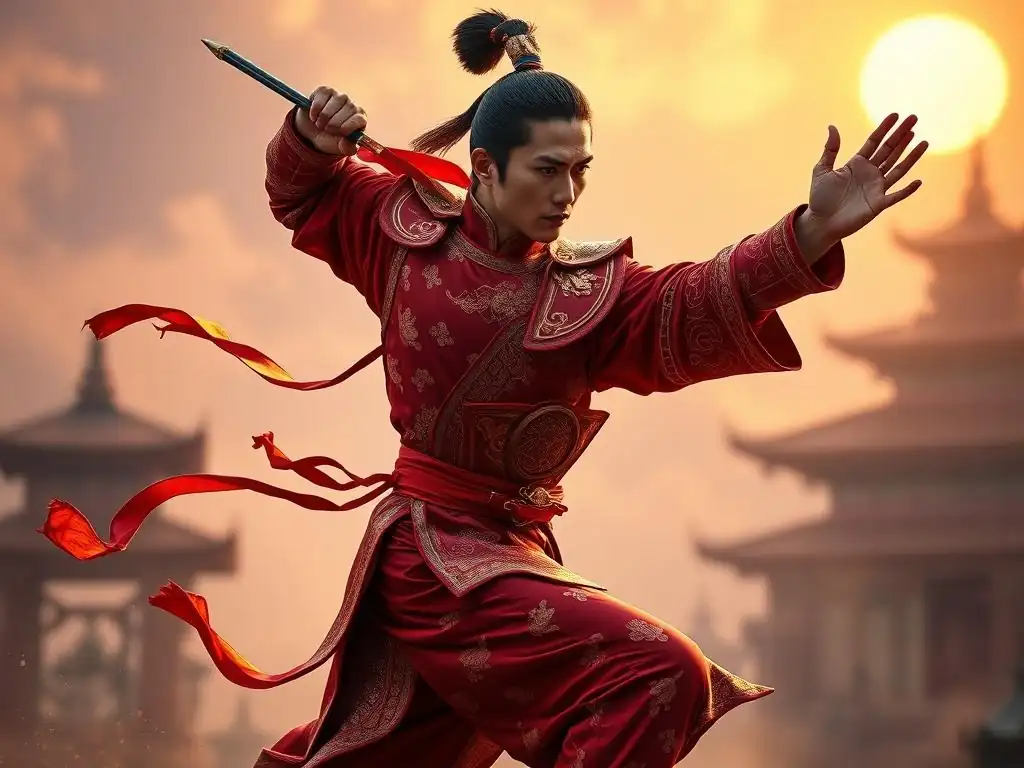
Welcome to Martial Arts Mastery, where we delve into the rich tapestry of martial arts traditions. Prepare to be captivated by the stories, techniques, and philosophies that have shaped combat arts for centuries. Today, we unlock the secrets of the Hwarang of Silla, the elite warrior youth of ancient Korea. But what was the Silla Hwarang martial code that guided these Buddhist knights? Uncover their profound influence and discover how their legacy resonates even today. Keep reading to explore the fascinating world of honor, discipline, and martial prowess that defined these legendary figures...
Conclusion: The Enduring Spirit of the Silla Hwarang Martial Code
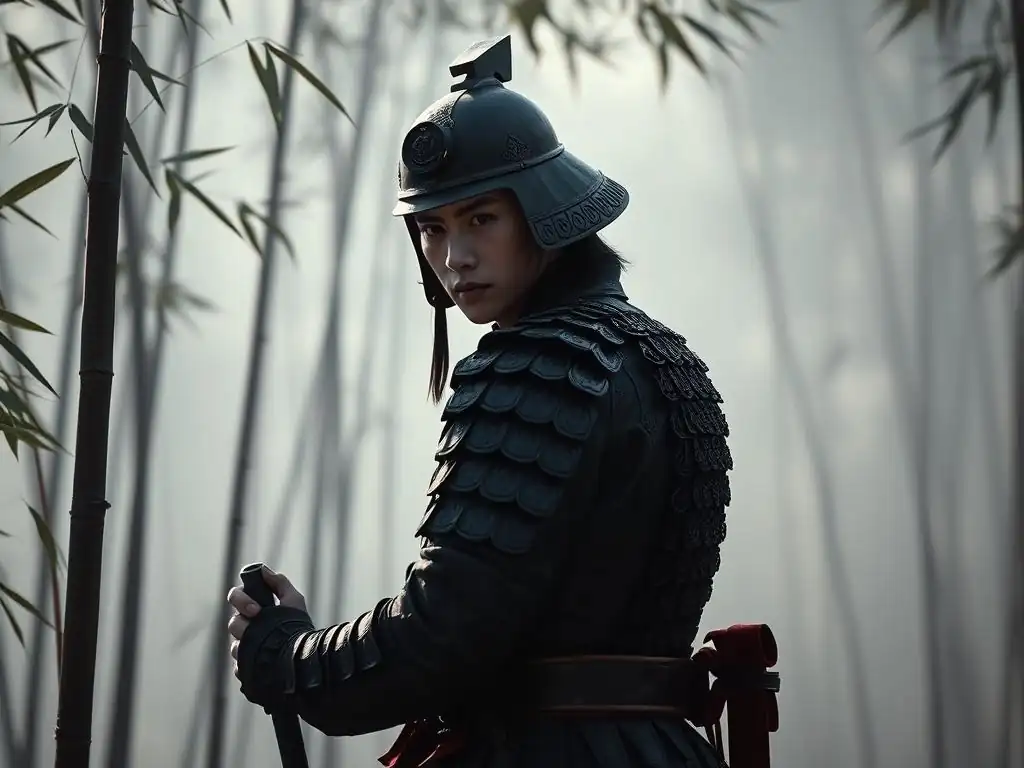
The legacy of the Hwarang of Silla extends far beyond the battlefields where they fought to unify the Korean peninsula. Their unique blend of martial training, ethical discipline, and spiritual grounding, codified in what we understand as the Silla Hwarang martial code, represents a pivotal moment in Korean history and the development of its cultural identity.
They were not merely soldiers; they were cultivated individuals, embodying an ideal that combined physical prowess with moral integrity, leadership potential, and a deep connection to the philosophical currents of their time, particularly Buddhism. This synthesis of warrior discipline and virtuous conduct set them apart and ensured their lasting impact.
The principles embedded within the Hwarang's Five Secular Precepts – loyalty, filial piety, trustworthiness, courage, and justice – provided a robust framework for both personal conduct and societal contribution. These were not abstract ideals but practical guidelines for navigating the complex demands of a warrior's life and the responsibilities of leadership.
The Hwarang demonstrated that true strength lay not just in the ability to wield a sword or shoot an arrow, but in the unwavering commitment to these ethical standards, even unto death. Their sacrifices, like that of Gwanchang, became legendary examples illustrating the depth of this commitment and reinforcing the values central to the Silla Hwarang martial code for future generations.
The influence of the Silla Hwarang martial code continues to resonate in contemporary Korean society and martial arts. While the political and social structure of ancient Silla is long gone, the emphasis on discipline, respect, loyalty, and personal integrity, so central to the Hwarang ethos, remains deeply ingrained in Korean culture.
Modern martial arts disciplines originating from Korea, such as Taekwondo and Hapkido, often cite historical figures like the Hwarang as inspirational ancestors, drawing parallels between the ancient warrior spirit and the demands of modern training. The ideals of self-cultivation, moral fortitude, and contributing to the greater good – hallmarks of the Hwarang – are still promoted in dojangs today, demonstrating the enduring power of this ancient code.
Ultimately, the story of the Silla Hwarang martial code is a testament to the idea that martial arts are more than just physical techniques; they are often intertwined with profound philosophical and ethical systems. The Hwarang represent a historical embodiment of this principle, showing how rigorous physical training could be coupled with a disciplined moral compass to create individuals who were not only formidable warriors but also respected leaders and exemplars of virtue. Their legacy serves as a compelling reminder of the deep historical roots connecting martial arts to personal development, ethical conduct, and the shaping of national identity.
- [x] Hwarang were more than just warriors
- [x] Their code blended martial skill with ethics
- [x] The Five Secular Precepts were key guiding principles
- [x] Their influence persists in modern Korean culture and martial arts
- [x] The Hwarang exemplify the connection between martial arts and moral development
Frequently Asked Questions
What is the Silla Hwarang?
The Silla Hwarang were an elite warrior group in ancient Korea, during the Silla kingdom. They combined martial arts training with Buddhist and Confucian philosophies.
What is the Silla Hwarang martial code?
It's a set of ethical guidelines and principles that governed the Hwarang's actions. It emphasized loyalty, filial piety, trustworthiness, courage, and justice.
How did Buddhism influence the Hwarang and their code?
Buddhism provided a spiritual and ethical framework for the Hwarang. It emphasized concepts like compassion, discipline, and self-control, influencing their martial code.
Besides fighting skills, what else did the Hwarang study?
The Hwarang received a well-rounded education, including poetry, music, philosophy, and etiquette, in addition to their martial arts training.
Are there any modern martial arts that trace their lineage back to the Silla Hwarang?
While a direct, unbroken lineage is difficult to definitively prove, some martial arts, particularly those emphasizing Korean sword techniques, claim influence or inspiration from the Hwarang's martial traditions and philosophical principles.
Final Reflection: Echoes of the Hwarang Spirit
The echoes of the Silla Hwarang, once thought relegated to the annals of history, resonate with surprising clarity today. The principles of loyalty, filial piety, righteousness, benevolence, and trustworthiness – the very bedrock of their martial code – are desperately needed in a world often characterized by division and self-interest. Their commitment to a higher purpose, intertwined with spiritual and martial discipline, offers a powerful counterpoint to the cynicism that pervades modern society.
The enduring appeal of the Hwarang lies not just in their martial prowess, but in their holistic approach to self-cultivation. This emphasis on character development, coupled with physical and mental strength, is a timeless lesson that continues to inspire. It reminds us that true strength lies not just in physical dominance, but in the cultivation of inner virtue. To be a Hwarang was to be more than a warrior; it was to be a scholar, an artist, a poet, and above all, a man of unwavering principle.
This ideal, though challenging, remains a potent symbol of what we can aspire to be.
As we reflect on the Silla Hwarang and their martial code, let us consider how we can embody their spirit in our own lives. Let us strive for righteousness in our actions, benevolence in our interactions, and unwavering loyalty to our values. Embrace the challenge of self-improvement, cultivate your inner strength, and become a modern-day Hwarang, fighting for what is right and just in the world. The spirit of the Hwarang lives on, waiting to be rekindled within each of us.
Embrace the Hwarang Spirit: Ignite Your Inner Warrior!
Thank you for exploring the fascinating world of the Hwarang and their unique blend of martial prowess and spiritual discipline. Now, it's time to translate that inspiration into action!
- Delve Deeper: Incorporate one of the Five Secular Edicts into your daily life and reflect on how it influences your decisions and actions.
- Share the wisdom: Spread knowledge about Hwarang! Write a post about it on social media or tell a friend about the interesting history and values of the Hwarang.
- Uncover Further: Research other historical warrior monks and compare their values to the Hwarang, enriching your knowledge of martial arts history.
What aspects of the Hwarang code resonate most with you, and how can you integrate them into your modern life?