
Shaolin Qinna: The Devastating Art of Seizing and Controlling Opponents

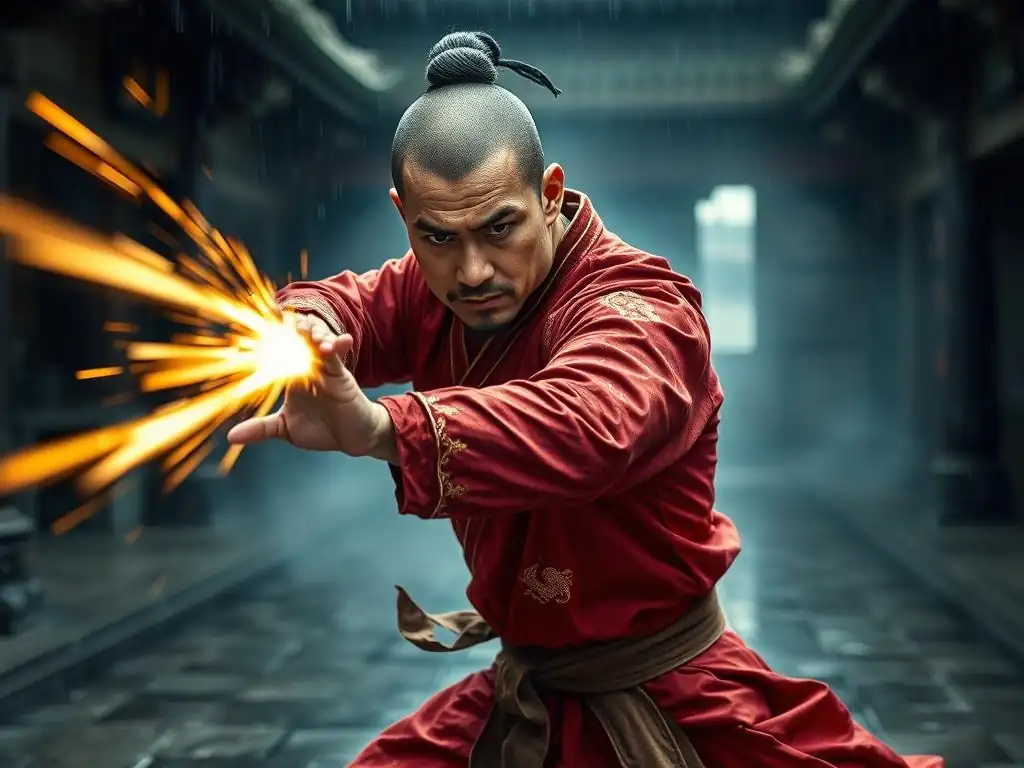
Welcome to Martial Arts Mastery, where we delve into the rich tapestry of combat traditions worldwide. Ever wondered how a seemingly gentle touch can become a crippling restraint? Prepare to unlock the secrets of Shaolin Qinna, the devastating art of seizing and controlling opponents.
This article unveils the intricacies of these ancient techniques, offering a glimpse into the power and precision behind this unique form of grappling. Explore the principles, training methods, and applications of Shaolin Qinna, and discover how it's more than just a fighting style – it's a path to understanding leverage, control, and the human form itself.
- Introduction to Shaolin Qinna: Mastering Joint Locks and Seizing Techniques
- Key Principles of Shaolin Qinna Techniques Training
- Shaolin Qinna Techniques Training: A Breakdown of Essential Methods
- Advanced Shaolin Qinna Training for Mastery
- The Benefits of Learning Shaolin Qinna for Self-Defense
- Shaolin Qinna and the Philosophy of Non-Violence
- Conclusion: Embracing the Power and Responsibility of Shaolin Qinna
- Frequently Asked Questions
- Final Reflection: Mastering Control, Embracing Discipline
- Master Qinna: Unleash Your Inner Control!
Introduction to Shaolin Qinna: Mastering Joint Locks and Seizing Techniques
What is Shaolin Qinna? An Overview of the Art
Shaolin Qinna, often translated as "Seize and Control," is a sophisticated system of joint locks, pressure point strikes, bone breaking, and muscle/tendon tearing techniques originating from the legendary Shaolin Temple in China. Unlike striking arts that focus on delivering powerful blows, Qinna specializes in neutralizing an opponent by manipulating their limbs and joints, rendering them immobile or causing excruciating pain to force compliance or submission. It is a core component of traditional Shaolin Kung Fu, providing practitioners with methods to control, incapacitate, or even permanently injure an attacker without relying solely on brute force.
The art encompasses a vast array of methods, traditionally categorized into several main groups, such as fen jin (分筋 - separating the muscle/tendon), cuo gu (錯骨 - misplacing the bone), bi qi (閉氣 - sealing the breath), dian mai (點脈 - sealing the pulse/vein), and dian xue (點穴 - striking pressure points). Each category involves distinct principles and applications, ranging from simple wrist locks that can be learned through dedicated Shaolin Qinna techniques training to complex techniques targeting multiple joints simultaneously. Mastery requires not only physical dexterity but also a deep understanding of human anatomy and leverage.
The Historical Roots of Qinna Within the Shaolin Temple
The origins of Qinna are deeply intertwined with the history of the Shaolin Temple itself, which dates back over 1,500 years. While the exact timeline of Qinna's development as a distinct system within Shaolin is debated, historical records and martial arts treatises suggest that grappling and joint manipulation techniques were integral to Chinese martial arts long before the formalization of many striking styles. The Shaolin monks, known for their rigorous physical and spiritual training, refined and systematized these methods over centuries, integrating them into their comprehensive martial arts curriculum.
During various historical periods, especially the Ming and Qing dynasties, Shaolin Kung Fu evolved significantly, and Qinna techniques became increasingly sophisticated. Texts like the "Classic of Change of the Muscle/Tendon" (易筋經, Yijin Jing) and the "Classic of Marrow Washing" (洗髓經, Xisui Jing), traditionally associated with the temple, while primarily focusing on health and internal cultivation, also laid foundational principles of body mechanics and energy flow that are crucial for effective Qinna application.
Through generations of practice, combat application, and refinement, Shaolin Qinna solidified its place as a vital, often subtle yet devastating, aspect of the monks' fighting prowess, emphasizing control and neutralization over outright destruction.
Qinna's Role in Shaolin Kung Fu: Beyond Striking
Within the holistic system of Shaolin Kung Fu, Qinna serves as a critical counterpoint and complement to striking techniques (如打, Ru Da - 'As if Striking'), kicking (踢, Ti), wrestling (摔, Shuai), and weapon combat. While striking arts aim to inflict damage through impact, Qinna focuses on controlling the opponent's structure and movement. This duality provides a Shaolin practitioner with a complete range of options in a confrontation: they can strike from a distance, bridge the gap to wrestle, or enter close range to apply Qinna techniques.
Qinna is particularly valuable in situations where striking might be ineffective or undesirable, such as in confined spaces or when the goal is to apprehend or subdue an opponent without causing severe, permanent injury (though many Qinna techniques can be used with lethal intent). It teaches sensitivity to an opponent's balance and structure, allowing practitioners to exploit vulnerabilities in their posture and movement. Therefore, comprehensive Shaolin Kung Fu training inherently includes dedicated Shaolin Qinna techniques training, recognizing its indispensable role in developing a well-rounded and adaptable martial artist capable of handling diverse combat scenarios.
Key Principles of Shaolin Qinna Techniques Training
The Core Concepts: Leverage, Pressure Points, and Anatomical Weaknesses
Mastery in Shaolin Qinna techniques training hinges upon a deep understanding and application of core concepts: leverage, pressure points, and anatomical weaknesses. Leverage is fundamental, allowing a practitioner to control a larger or stronger opponent using minimal force. By manipulating a limb at a joint and applying force in the direction the joint is not designed to move, significant pain and structural compromise can be achieved. This principle is evident in techniques targeting the elbow joint, for example, where applying pressure against the natural bend can hyper-extend or even break the arm.
Pressure points, known as xue (穴) in traditional Chinese medicine and martial arts contexts (often linked to the concept of Dim Mak), are specific locations on the body that are particularly sensitive or vulnerable. Striking or manipulating these points can cause pain, disorientation, temporary paralysis, or even loss of consciousness.
Anatomical weaknesses refer to the inherent vulnerabilities of the human musculoskeletal system – the limited range of motion of joints, the fragility of certain bones (like the fingers or collarbone), and the susceptibility of muscles and tendons to tearing or separation under stress. Effective Shaolin Qinna techniques training teaches practitioners to identify and exploit these weaknesses rapidly and efficiently.
Understanding Vital Energy Points (Dim Mak) in Qinna Application
The concept of vital energy points, often referred to as Dim Mak (點脈 - "Pressing the Vessel" or "Death Touch," though the latter is often sensationalized), plays a significant role in the advanced application of Shaolin Qinna. While the more mystical aspects of Dim Mak are debated, many points targeted in Qinna correspond to acupressure points or locations where nerves, blood vessels, or tendons are close to the surface and vulnerable to pressure or strike. Targeting these points can enhance the effectiveness of a joint lock or control technique by adding pain compliance or causing temporary incapacitation.
For instance, applying pressure to specific points on the wrist or forearm while executing a joint lock can amplify the pain and make resistance more difficult. Similarly, striking certain points near the neck or temple can cause dizziness or disrupt an opponent's ability to resist. Understanding the location and potential effect of these points is a crucial, albeit often advanced, part of comprehensive Shaolin Qinna techniques training, adding another layer of sophistication to the practitioner's ability to control and subdue an adversary.
Body Mechanics and Footwork for Effective Qinna Control
Effective application of Shaolin Qinna techniques training relies heavily on precise body mechanics and intelligent footwork, not just hand techniques. Proper body structure allows the practitioner to generate and direct force efficiently, maintain balance, and protect themselves while controlling an opponent. This involves using the entire body – the core, hips, and legs – to provide stability and power, rather than relying solely on upper body strength. For example, executing a wrist lock effectively often requires sinking the body weight and using hip rotation to increase leverage.
Footwork is equally critical. It allows the practitioner to close distance, change angles, maintain balance, and disrupt the opponent's base. Stepping correctly positions the practitioner relative to the opponent's structure, creating optimal angles for applying locks or controls and preventing the opponent from escaping or countering. Fluid and strategic footwork, combined with sound body mechanics, ensures that Shaolin Qinna techniques are applied with maximum efficiency and control, minimizing the risk to the practitioner and maximizing the likelihood of successfully subduing the opponent.
Shaolin Qinna Techniques Training: A Breakdown of Essential Methods

Grabbing Techniques: Mastering the Art of the Seize
Grabbing techniques form the foundational layer of Shaolin Qinna techniques training. Before a joint can be locked or a pressure point manipulated, the opponent's limb or body part must first be effectively seized and controlled. These grabs are not simple holds; they are precise grips designed to isolate a limb, restrict movement, and set up subsequent techniques. Common targets include the wrist, fingers, elbow, shoulder, neck, and even parts of the clothing.
Mastering the art of the seize involves understanding different types of grips – from pinching and twisting techniques that target small joints like fingers to powerful hooks and controls that secure larger limbs. For example, a common technique involves seizing the opponent's wrist with a specific grip that allows for immediate transition into a wrist lock or break. Training emphasizes developing strong, sensitive hands capable of both powerful gripping and subtle manipulation, essential skills honed through repetitive practice in Shaolin Qinna techniques training drills.
Joint Locking Techniques: Targeting Vulnerable Areas
Joint locking is perhaps the most recognized aspect of Shaolin Qinna techniques training. These techniques exploit the limited range of motion of the body's joints – wrists, elbows, shoulders, fingers, knees, and ankles – to cause pain, incapacitation, or structural damage. By applying pressure or force against the natural direction of a joint's movement, a practitioner can hyperextend, hyperflex, or twist the joint.
Examples include various wrist locks (like the "goose neck" or "figure four" wrist lock), elbow breaks (often involving leverage against the joint while controlling the shoulder), shoulder locks (like the "armbar" or "kimura" variations), and finger locks (simple yet effective for controlling an opponent or forcing a release). Dedicated Shaolin Qinna techniques training involves learning numerous variations targeting each major joint, understanding the anatomical limits, and practicing applying techniques with varying levels of force, from pain compliance to outright breakage.
Pressure Point Strikes and Manipulation for Qinna Control
Integrating pressure point strikes and manipulation significantly enhances the effectiveness of Shaolin Qinna techniques. While full Dim Mak applications are often considered advanced or esoteric, basic pressure point knowledge is vital for adding pain compliance to joint locks or controls. Striking or pressing specific points can distract, weaken, or temporarily disable an opponent, making it easier to apply or maintain a Qinna technique.
For instance, a sharp strike to a nerve cluster on the inside of the forearm can momentarily stun the arm, facilitating a wrist or elbow lock. Applying pressure behind the ear or under the nose can cause intense pain and disorientation, helping to control a struggling opponent. Shaolin Qinna techniques training often includes learning the location and effects of approximately 20-30 key pressure points commonly used in conjunction with joint locks and grabs, enabling practitioners to subdue opponents more efficiently.
Chin Na Throwing Techniques: Unbalancing and Subduing Opponents
While not primarily a throwing art like Judo or Aikido, Shaolin Qinna techniques training incorporates methods to unbalance and throw an opponent using joint manipulation and control. These throws often arise naturally from failed joint lock attempts or are used as a means to transition from a standing control into a ground control or finishing technique. The principle is to use the leverage gained from controlling a limb or joint to disrupt the opponent's balance and bring them to the ground.
For example, a shoulder lock applied while standing can be converted into a throw by stepping through and rotating the opponent's body. Similarly, controlling an opponent's arm with a wrist or elbow lock can be used to pivot them off balance and guide them to the floor. These Qinna-based throws are distinct from wrestling throws, focusing more on using joint stress and anatomical weakness to break posture and balance, requiring precise timing and body mechanics learned through specific Shaolin Qinna techniques training.
Anti-Grappling Strategies: Defending Against Qinna Attempts
A crucial, often overlooked, aspect of comprehensive Shaolin Qinna techniques training is learning how to defend against Qinna attempts. Just as practitioners learn to apply locks and controls, they must also learn to recognize them as they are being applied and know how to escape or counter them. This involves developing sensitivity to pressure and leverage, understanding common attack vectors, and practicing specific releases and counters.
Anti-grappling strategies include techniques to break grips, neutralize leverage, redirect force, and counter-lock the opponent. For example, if an opponent attempts a wrist lock, training involves immediately rotating the wrist into the direction of the force, changing the angle, or using the free hand to break the grip. Practicing defenses against common Qinna attacks is essential for developing resilience and ensuring that Shaolin Qinna techniques training provides a complete skill set for both offense and defense in close-quarters combat.
Advanced Shaolin Qinna Training for Mastery
Integrating Qinna into Sparring and Combat Scenarios
Advanced Shaolin Qinna techniques training moves beyond rote repetition of techniques to integrating them seamlessly into dynamic sparring and simulated combat scenarios. Live application is crucial for developing the timing, distance management, and adaptability needed to use Qinna effectively against a resisting opponent. This isn't free-for-all sparring, but controlled practice focused on entry points, transitions, and applying techniques safely under pressure.
Training progresses from compliant partner drills to semi-compliant and eventually non-compliant scenarios, often incorporating light contact striking or grappling to simulate real-world chaos. Practitioners learn to recognize opportunities for Qinna applications during exchanges – for example, catching a punch and immediately transitioning into a wrist or elbow lock, or using a block to control a limb and apply a joint manipulation. This stage of Shaolin Qinna techniques training requires significant control and trust between partners to minimize injury while maximizing realism.
Developing Sensitivity and Intuition in Qinna Application
Beyond technical proficiency, advanced Shaolin Qinna training cultivates sensitivity ("ting jing" - listening energy) and intuition. Sensitivity allows the practitioner to feel the opponent's intention, balance, and structure through physical contact. By feeling the subtle shifts in muscle tension or weight distribution, a skilled practitioner can anticipate an opponent's movements, exploit imbalances instantly, and apply the appropriate Qinna technique before the opponent can fully react.
Intuition, developed through countless hours of practice and application, enables the practitioner to react spontaneously and effectively in chaotic situations. It's the ability to instinctively know which technique to apply, how much force is needed, and how to adapt if the initial application doesn't work. This level of mastery in Shaolin Qinna techniques training transcends mere technical knowledge; it becomes an integrated, intuitive response system.
Qinna Drills and Partner Exercises for Enhanced Skill
Specialized drills and partner exercises are the cornerstone of advanced Shaolin Qinna techniques training. These drills are designed to isolate specific principles or transitions, allowing practitioners to refine their movements and reactions. Examples include drills focusing solely on grip fighting and transitions, repetitive practice of specific lock entries from various angles, or exercises combining striking defense with immediate Qinna counter-attacks.
Partner exercises often involve one person offering a specific resistance or attack while the other practices applying a range of relevant Qinna techniques. For instance, a drill might involve a partner attempting to push or grab, and the practitioner working on seizing the wrist and applying various locks. Another could focus on defending common holds or chokes using Qinna escapes. These structured repetitions are vital for building muscle memory, improving reaction time, and deepening the understanding of leverage and control dynamics inherent in Shaolin Qinna techniques training.
Qinna Applications Against Common Street Attacks
Applying Shaolin Qinna techniques training to defend against common street attacks is a practical focus at advanced levels. While traditional forms contain many Qinna applications, translating them to unpredictable, non-stylized assaults like grabs, pushes, haymakers, or headlocks requires specific practice. This involves analyzing typical street confrontations and developing simplified, high-percentage Qinna responses.
For example, learning to counter a wrist grab with a simple finger break or wrist lock, defending a shirt grab with a neck or arm control, or using an arm drag to transition into a shoulder lock against a wild punch are practical applications. Training often simulates these scenarios to help practitioners adapt their Qinna skills for self-defense. This focus ensures that the intricate techniques learned in Shaolin Qinna techniques training are practical and effective in real-world situations.
The Benefits of Learning Shaolin Qinna for Self-Defense
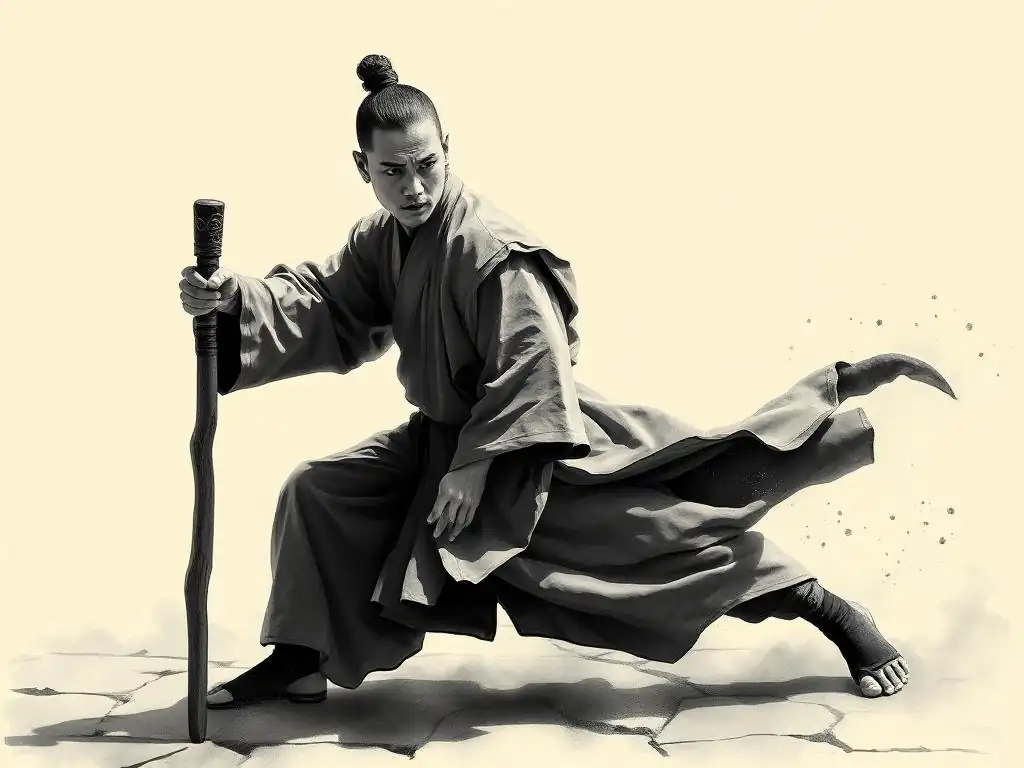
Enhanced Self-Defense Capabilities Through Joint Manipulation
Learning Shaolin Qinna significantly enhances self-defense capabilities by providing effective methods to control and neutralize threats at close range. While striking arts are crucial, many confrontations end up in clinches or grappling situations. Qinna offers powerful tools to deal with such scenarios, allowing a smaller or weaker individual to control a larger attacker by exploiting anatomical weaknesses rather than relying on size or strength.
The ability to apply joint locks or manipulate pressure points provides options ranging from causing temporary pain to escape, to completely incapacitating an assailant. For example, a well-applied wrist lock can instantly deter an attacker or create an opening to disengage. This focus on control and incapacitation makes Shaolin Qinna techniques training a highly practical addition to any self-defense repertoire, particularly in situations where striking may not be feasible or desirable.
Improved Body Awareness and Control
Shaolin Qinna techniques training inherently develops exceptional body awareness and control. To effectively apply leverage and manipulate an opponent's structure, one must first understand and control their own body. Training involves precise movements, balance, and coordination, leading to a heightened sense of proprioception – the awareness of one's body in space.
Practitioners become more attuned to their own posture, balance, and the way their body generates and applies force. This improved self-awareness translates into better control over one's movements, making them more efficient and powerful. It also helps in recognizing when one's own structure is vulnerable, improving defensive capabilities. This internal understanding is a direct benefit derived from the physical demands and detailed nature of Shaolin Qinna techniques training.
Developing a Deeper Understanding of Human Anatomy
A fundamental requirement for effective Shaolin Qinna techniques training is a working knowledge of human anatomy. Practitioners must understand the structure of joints, the direction in which they bend and lock, the location of vulnerable nerves and blood vessels, and the mechanics of muscles and tendons. This knowledge allows for the precise application of force to achieve the desired effect – whether it's pain compliance, temporary paralysis, or structural failure.
Training often involves studying anatomical charts and understanding how different techniques impact specific parts of the body. This deep dive into anatomy not only makes the Qinna techniques more effective but also provides practitioners with valuable knowledge about the human body that can be beneficial in other contexts, such as injury prevention or rehabilitation. The anatomical focus is a distinct and valuable aspect of Shaolin Qinna techniques training.
Increased Confidence and Mental Fortitude
Proficiency in Shaolin Qinna techniques training builds significant confidence and mental fortitude. Knowing that you possess the skills to defend yourself effectively, even against larger opponents or in close-quarters situations, instills a sense of security and self-reliance. This confidence extends beyond physical encounters, positively impacting daily life.
The rigorous nature of Shaolin Qinna training also develops mental fortitude. Mastering complex techniques requires patience, perseverance, and the ability to overcome frustration. Dealing with pain compliance drills (both giving and receiving, under controlled conditions) builds resilience and the ability to remain calm under pressure. This mental toughness is a crucial, intangible benefit gained from dedicated Shaolin Qinna techniques training.
Shaolin Qinna and the Philosophy of Non-Violence
Using Qinna as a Means of De-escalation
Despite its potential for causing pain and injury, Shaolin Qinna can be viewed through the lens of non-violence or minimal necessary force, aligning with Shaolin Buddhist principles. Qinna techniques offer options for control and restraint that do not necessarily require striking or causing blunt force trauma. A simple wrist lock or pressure point application can often deter an aggressor or allow for escape without escalating the physical conflict further.
In situations where de-escalation is the primary goal, Qinna provides tools to manage a physical threat by controlling movement and inflicting pain compliance just enough to create an opportunity to retreat or verbally de-escalate. It offers an alternative to immediately resorting to potentially more damaging strikes, embodying a principle of using the minimum force required to neutralize the threat. This aspect is often emphasized in philosophical discussions surrounding Shaolin Qinna techniques training.
The Ethical Considerations of Applying Qinna Techniques
The study of Shaolin Qinna techniques training inherently involves confronting the ethical considerations of using potentially dangerous methods. Because Qinna can cause severe injury, practitioners are taught the importance of control, discretion, and the responsible application of their skills. The principle is to use these techniques only when absolutely necessary for self-defense and to apply only the level of force required by the situation.
Discussions around intent and consequence are part of the training. Practitioners learn to distinguish between using a technique for pain compliance to escape versus applying it with full force to break a bone. The power inherent in Qinna demands a high level of ethical awareness and self-control, reinforcing the idea that mastery is not just about technical skill but also about character and judgment.
Qinna and the Shaolin Buddhist Principles of Compassion
The integration of Shaolin Qinna within the Shaolin Temple is often reconciled with Buddhist principles, particularly compassion (慈, Ci) and non-harming (不殺生戒, Bushasheng Jie - the first precept). While seemingly contradictory to an art that can break bones, the martial arts, including Qinna, were historically developed by the monks for self-defense and the protection of the temple and its community from bandits and turmoil.
Within this context, Qinna can be seen as a compassionate alternative to lethal force. It provides a means to stop an aggressor without necessarily taking their life, offering options for control and neutralization. Furthermore, the discipline and self-control cultivated through rigorous Shaolin Qinna techniques training are themselves seen as beneficial for spiritual development, helping practitioners manage aggression and develop patience and focus, aligning the physical practice with the broader philosophical goals of Shaolin Buddhism.
Conclusion: Embracing the Power and Responsibility of Shaolin Qinna
The Enduring Legacy of Qinna in Shaolin Kung Fu
Shaolin Qinna remains an integral and vital component of traditional Shaolin Kung Fu, its legacy enduring through centuries of practice and refinement. It represents the sophisticated understanding of human anatomy, leverage, and control developed by the monks. While often less visually spectacular than dynamic striking or acrobatic movements, Qinna provides the essential close-quarters fighting skills that complete the Shaolin martial arts system.
Its continued study ensures that practitioners are not solely reliant on striking power but possess the ability to manage grappling range, control opponents, and apply force precisely where it is most effective and debilitating. The techniques preserved and taught today reflect a lineage of practical combat application and deep anatomical knowledge, showcasing the comprehensive nature of Shaolin martial arts.
Continuing Your Journey in Shaolin Qinna Training
Embarking on or continuing your journey in Shaolin Qinna techniques training is a path of dedication, requiring patience, precision, and ethical awareness. It involves much more than simply learning a series of techniques; it is a study of applied anatomy, leverage, timing, and strategic thinking. Finding qualified instruction is paramount, as improper practice can lead to injury for both the practitioner and their training partners.
For those serious about mastering this complex art, consistent practice, diligent study of principles, and ethical reflection are essential. The rewards include not only enhanced self-defense capabilities and physical control but also a deeper understanding of the human body and a connection to a rich historical and philosophical tradition. Dedicated Shaolin Qinna techniques training offers a profound journey into one of the most subtle yet devastating aspects of traditional martial arts.
Frequently Asked Questions
What is Shaolin Qinna?
Shaolin Qinna is a devastating grappling art originating from the Shaolin Monastery. It emphasizes seizing joints, muscles, and pressure points to control and neutralize opponents. It's a core component of Shaolin Kung Fu.
How does Shaolin Qinna differ from other grappling arts like Judo or Aikido?
While Judo and Aikido focus on throws and joint locks, Shaolin Qinna incorporates a wider range of techniques. This includes bone locking, muscle grabbing, and cavity pressing, designed for immediate incapacitation.
What are the primary goals of Shaolin Qinna training?
The main goals are to develop skill in controlling an opponent’s body, disrupting their balance, and rendering them helpless. Training also builds sensitivity, speed, and precision in application.
Is Shaolin Qinna effective for self-defense?
Yes, Shaolin Qinna is highly effective for self-defense because of its focus on immediate control and incapacitation. It can be used to quickly resolve potentially dangerous situations.
Where can I find legitimate Shaolin Qinna techniques training?
Look for reputable martial arts schools with instructors who have demonstrable lineage and experience in Shaolin Kung Fu and Qinna. MartialArtsMastery.org may also offer resources and information.
Final Reflection: Mastering Control, Embracing Discipline
The exploration of Shaolin Qinna, as we've seen, transcends mere physical technique; it's a journey into the heart of control, leverage, and the understanding of human anatomy. The principles of Qinna, while rooted in ancient Shaolin tradition, remain profoundly relevant today, offering invaluable lessons in self-defense, discipline, and the art of peaceful conflict resolution. In a world often characterized by aggression and misunderstanding, the controlled precision of Qinna provides a powerful alternative, emphasizing restraint and the skillful manipulation of force.
The impact of Shaolin Qinna extends far beyond the martial arts dojo. Its principles of leverage, balance, and understanding an opponent's weaknesses offer profound insights applicable to negotiation, communication, and even personal relationships. The discipline required to master these techniques cultivates patience, focus, and a deep respect for oneself and others. The supreme art of war is to subdue the enemy without fighting.
- Sun Tzu. This quote encapsulates the essence of Qinna, highlighting its emphasis on control and strategic advantage over brute force.
Now, consider the lessons learned. How can the principles of control, leverage, and understanding an opponent's weaknesses be applied to your own life? How can the discipline and focus cultivated through Shaolin Qinna techniques training enhance your personal and professional endeavors? Embrace the spirit of Qinna – not as a tool for aggression, but as a path to self-mastery, mindful interaction, and the art of achieving your goals with grace and precision. Let the principles of seizing and controlling not just opponents, but also your own destiny, guide you towards a more balanced and fulfilling life.
Master Qinna: Unleash Your Inner Control!
Thank you for exploring the fascinating world of Shaolin Qinna! We hope you've gained a deeper appreciation for this devastating, yet disciplined, art of seizing and controlling. Now, it's time to take your understanding to the next level.
Here's how you can deepen your knowledge and begin your Qinna journey:
- Find a qualified instructor: The most crucial step! Seek out a reputable Shaolin Qinna master with proven experience. Direct instruction is vital for safe and effective learning.
- Delve into the history: Research the origins and evolution of Qinna within Shaolin Kung Fu. Understanding its context will enhance your appreciation.
- Share the art: Introduce a friend or fellow martial artist to the principles of Qinna. Spreading knowledge helps preserve this unique discipline.
Ready to embark on the path of controlling and mastering the gentle art of Qinna?