Countering Throws (Kaeshi Waza): Turning the Tables in Jujutsu Grappling
🥋 Discover effective Jujutsu throws defense techniques with our expert insights on countering throws (Kaeshi Waza). Learn how to turn your opponent’s…
Read article
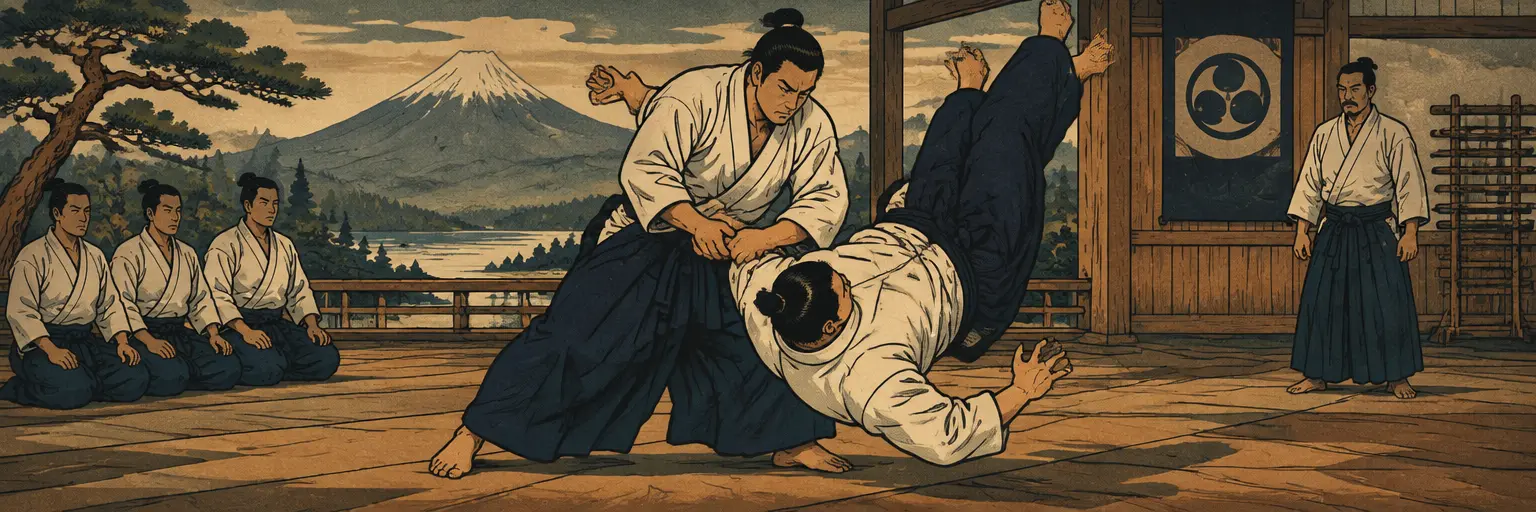
Discover the profound world of Jujutsu (Japanese)—a classical martial art rooted in the samurai era, where traditional forms and techniques emphasize leverage, joint locks, throws, and grappling over brute strength. This ancient discipline teaches practitioners to neutralize larger opponents by redirecting energy and exploiting anatomical weaknesses, making it a foundation for modern self-defense systems like Judo and Aikido. Our exploration covers Koryū (old-school) kata, vital atemi-waza (striking points), and practical defensive strategies in both armed and unarmed combat. Whether you’re a history enthusiast, a seasoned martial artist, or a beginner seeking effective self-defense techniques, understanding Jujutsu’s core principles—balance breaking (kuzushi), softness (ju), and adaptability—offers a pathway to both physical mastery and mental resilience. Dive into the legacy of this “gentle art” and learn how its time-tested methods remain relevant in today’s dynamic martial arts landscape.
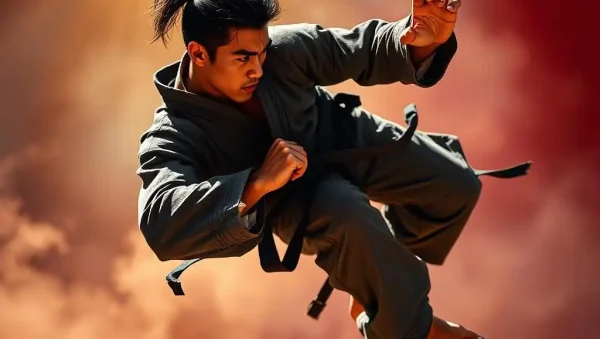
🥋 Discover effective Jujutsu throws defense techniques with our expert insights on countering throws (Kaeshi Waza). Learn how to turn your opponent’s…
Read article
🥋 Master Jujutsu encounters by seizing initiative and implementing decisive control techniques. Explore the art and science of global martial disciplines at…
Read article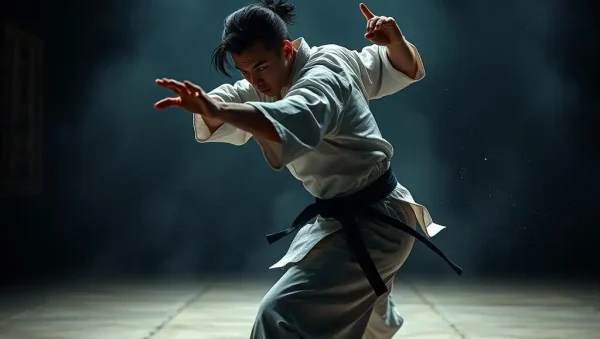
🥋 Discover how transitioning from Jujutsu kata to randori training enhances practical skills, blending traditional forms with live sparring. Explore methods to…
Read article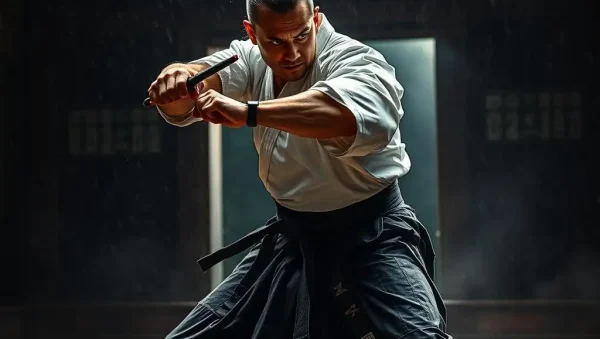
🥋 Discover the core of Japanese jujutsu grappling techniques basics with Katame Waza essentials, mastering control, leverage, and technique to enhance your…
Read article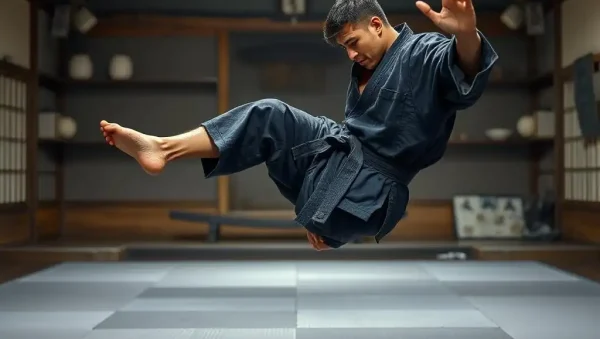
🥋 Explore how traditional Jujutsu kick techniques training extends beyond strikes, incorporating powerful Keri Waza to enhance self-defense, combat effectiveness, and martial…
Read article
🥋 Discover the profound principles behind Classical Japanese Jujutsu Philosophy Explained, revealing how its philosophical foundations transcend technique to emphasize harmony, humility,…
Read article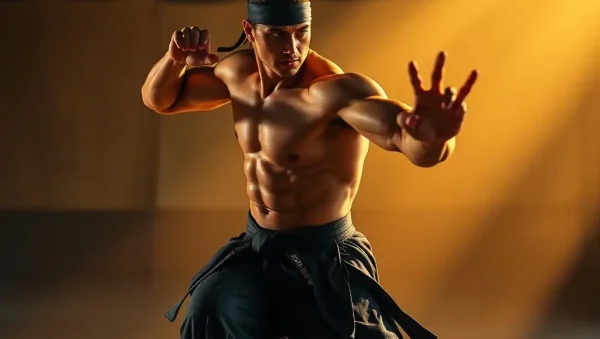
🥋 Kata preserves ancient jujutsu techniques by meticulously encoding martial principles into structured forms, ensuring the continuity of traditional skills and philosophies.…
Read articleWelcome to the comprehensive guide on traditional Japanese Jujutsu, a martial art that predates modern judo and aikido, focusing on neutralizing armed and unarmed attackers through joint locks, throws, and pressure points. At Martial Arts Mastery, we explore the authentic koryu (old school) forms and the practical techniques that have shaped self-defense for centuries. This subcategory covers the historical evolution, core grappling principles, weapon defenses, and training methodologies that distinguish classical jujutsu from its sport-oriented descendants. Whether you are a beginner seeking foundational knowledge or a seasoned practitioner wanting to refine your waza (techniques), this page serves as your authoritative resource on Japan’s most versatile combat system.
Traditional jujutsu is built on the concept of ju (gentleness) and jutsu (art), where you use an opponent’s energy against them rather than meeting force with force. You will learn the foundational pillars: kuzushi (balance breaking), tsukuri (positioning), and kake (execution). These principles enable smaller, weaker practitioners to subdue larger adversaries through leverage, timing, and anatomical knowledge. The curriculum includes atemi-waza (strikes to vital points) used to distract, followed by nage-waza (throws) and katame-waza (grappling controls). Expect detailed breakdowns of how to redirect momentum, maintain structural integrity under pressure, and transition seamlessly between standing and ground techniques, making this section invaluable for realistic self-defense scenarios.
Beyond physical mechanics, traditional jujutsu emphasizes zanshin (relaxed awareness) and ma-ai (combat distance). In this subcategory, you’ll discover how classical schools integrate breathing, posture, and mental focus into every movement, ensuring that your technique is not just mechanical but adaptive. We also cover the ethical code of bushido as it applies to restraint and proportionality in conflict. By mastering these foundational principles, you build a framework that later allows you to specialize in specific ryu-ha (schools) or modern hybrid systems, all rooted in the timeless efficiency of jujutsu’s core philosophy.
This section illuminates the major traditional ryu-ha that preserved jujutsu’s original forms, such as Tenjin Shin’yo-ryu, Yoshin-ryu, and Takenouchi-ryu. Each school has unique kata (prearranged forms) that encode responses to specific attacks, from wrist grabs to sword disarms. You will explore the historical context of these schools, including their origins in feudal Japan, their lineage of grandmasters, and how they adapted over centuries. For instance, Tenjin Shin’yo-ryu emphasizes yawara (flexible techniques) with extensive small-joint manipulation, while Yoshin-ryu focuses on circular redirection and vital point striking. This deep dive helps you appreciate the diversity within jujutsu, allowing you to identify which classical approach aligns with your personal combat philosophy and physical attributes.
Understanding koryu also involves learning the kata structure—the solo and partner drills that preserve technique authenticity. We detail the three stages of kata practice: omote (outer forms), ura (inner variations), and gokui (secret teachings). You’ll learn how these forms are not static dances but dynamic problem-solving tools that teach you to read an attacker’s intention, timing, and body mechanics. Additionally, we cover the role of bokken (wooden sword) and tanto (knife) training within these schools, as traditional jujutsu was designed for battlefield and street survival against armed opponents. By studying these classical forms, you gain direct access to a living martial heritage that modern sport grappling often overlooks.
Here, we break down the most essential waza that every traditional jujutsu practitioner must master. Expect detailed instructions on osoto-gari (large outer reap), ippon seoi nage (one-arm shoulder throw), and kata gatame (shoulder lock) — but with a crucial twist: these are executed in their classical, non-sporting context. For example, you’ll learn how to use atemi (striking) to set up a throw or how to apply a joint lock while maintaining control over the opponent’s entire body. The section also covers shime-waza (choking techniques) and kansetsu-waza (joint locking techniques) targeting elbows, wrists, and shoulders, with an emphasis on anatomical precision and pain compliance. We provide step-by-step visual descriptions, common errors, and partner drills to refine your execution safely.
Beyond individual techniques, traditional jujutsu integrates ukemi (breakfalls) as a survival and counter-attack skill. You’ll understand how to roll, absorb impact, and instantly regain a fighting stance—turning a throw into a counter-throw or ground recovery. Additionally, we explore grappling from the ground, including escapes from guard and side control, using hip escapes and leverage rather than brute strength. The focus is always on efficiency and realism: techniques are taught as responses to actual attacks, such as lapel grabs, headlocks, or knife thrusts. By breaking down these core techniques into digestible progressions, we ensure you can practice safely and build a functional repertoire applicable to modern self-defense situations.
Traditional jujutsu is renowned for its sophisticated bu-ki waza (weapon techniques), particularly against the katana, tanto, and bo (staff). This subcategory provides in-depth strategies for closing distance safely, controlling the weapon-bearing arm, and executing disarms without exposing yourself to edge or point. You’ll learn the principle of maai (distance management)—how to stay just outside the weapon’s reach while baiting an attack, then using irimi (entering) to slip inside the opponent’s arc. Specific techniques include katadori (shoulder grab) defenses adapted for knife threats, sword-taking (tachi-dori) forms that involve deflecting a downward slash and applying a lock, and club defenses using hip throws and joint breaks. Each technique is presented with historical combat context, emphasizing that these are not hypothetical drills but survival responses to lethal force.
Moreover, we cover the psychological dimension of weapon defense: managing fear, reading feints, and maintaining composure under extreme stress. Traditional jujutsu schools teach that the best defense is to avoid the fight altogether, but when forced, you must use the attacker’s weapon against them. We analyze timing drills that sharpen your reaction speed, as well as partner choreography to simulate realistic attack patterns—thrusts, slashes, and overhead strikes. Additionally, you’ll explore how classical schools incorporate hidden weapons (kakushi buki) like the tanto or shuriken as backup, showing that jujutsu is a complete combat system, not just empty-hand grappling. By mastering these weapon defenses, you gain confidence and practical skills that directly transfer to modern threats involving knives or improvised weapons.
The traditional jujutsu dojo is more than a training space; it’s a place of discipline and respect. This section explains the training hierarchy—from kihon (basics) to kata (forms) to randori (free practice)—and how each stage builds upon the previous. You’ll learn the importance of repetition and muscle memory, as techniques must become instinctive under duress. Specifically, we cover the kata curriculum of major schools, including the order of techniques, the role of uke (receiver) and tori (executor), and the subtle power dynamics between them. Additionally, traditional jujutsu incorporates makiwara (striking post) training for developing percussive power in atemi, and ukemi practice to build resilience and spatial awareness—both essential for safe sparring.
Beyond physical conditioning, we emphasize rituals and etiquette that foster mutual respect and focused learning. From bowing procedures (rei) to the proper handling of the gi and obi, these customs are integral to the art’s philosophy. You’ll also discover the grading system—from white belt to black belt (shodan) and beyond—with clear criteria for advancement, including technical skill, understanding of principles, and character. Modern practitioners can adapt these methods to suit their schedules, but the essence remains: continuous, deliberate practice is key to mastery. We also address common training injuries, recovery strategies, and how to train safely with partners of varying experience levels. This holistic approach ensures that your jujutsu journey is not only effective but also sustainable and fulfilling.
Traditional jujutsu has profoundly influenced modern martial arts, including judo, aikido, Brazilian jiu-jitsu, and mixed martial arts (MMA). This section traces that evolution, showing how jujutsu’s core techniques were modified for sport rules, safety, and competition. You’ll understand why Kano Jigoro created judo by stripping dangerous techniques, while Morihei Ueshiba developed aikido to emphasize harmony and circular movement. We also explore how contemporary self-defense systems have revived jujutsu’s practical elements, focusing on realistic scenarios like ground escapes, defense against multiple attackers, and weapon disarms. The legacy of jujutsu is also evident in modern law enforcement and military training, where joint locks and control techniques are invaluable for non-lethal apprehension.
At the same time, traditional schools continue to thrive, preserving authentic koryu techniques that are rarely seen in public demonstrations. We profile modern teachers and dojos that maintain the classical curriculum, ensuring these ancient arts do not fade into obscurity. For practitioners, understanding this lineage helps contextualize your training—whether you practice a modern derivative or a traditional ryu-ha. We also address common misconceptions, such as jujutsu being obsolete against modern combat or effective only against unarmed attackers. By debunking these myths with historical evidence and practical demos, we empower you to appreciate jujutsu’s timeless relevance. Ultimately, this section bridges the gap between the past and present, proving that traditional forms and techniques are as applicable today as they were in feudal Japan.
Traditional jujutsu focuses on self-defense, including strikes, joint locks, and weapons, while judo is a sport-based system that emphasizes throws and ground grappling with safety rules. Judo removes dangerous techniques like atemi and small-joint manipulations, whereas jujutsu retains them for real combat. Many judo techniques originated from jujutsu, but their execution differs in intensity and context.
Yes, absolute beginners are welcome. Traditional jujutsu is taught progressively, starting with basic ukemi (breakfalls), simple joint locks, and fundamental throws. Instructors adapt to your fitness level, and safety is paramount. However, you should be physically prepared for moderate exertion and keep an open mind regarding etiquette and repetitive practice, as these are essential to mastering the art.
Initially, you only need a comfortable gi or loose-fitting clothing, and a mouthguard for safety. As you advance, some schools require a traditional hakama (skirt-like pants) for kata. Training involves mats for throws, and weapons like wooden tanto are used later. You do not need any personal equipment for your first sessions—just come ready to learn.
Yes, but it requires realistic drilling and awareness that weapon defense is risky. Traditional jujutsu teaches distance control, disarming techniques, and using the opponent’s momentum. However, no technique guarantees success, so we emphasize situational awareness, avoidance, and de-escalation first. With regular practice, you develop muscle memory to react quickly, but always prioritize escape over confrontation.
In traditional koryu schools, the timeline varies widely—typically 5 to 10 years of consistent training (3-5 sessions per week). Unlike sport styles with standardized testing, many classical schools are secretive about grading, focusing instead on demonstrated skill and character. Some teachers grant shodan after mastering core techniques and showing application ability, while others require a decade or more.







