The Enduring Legacy of Kanbun Uechi: Founder of UechiRyu Karate
🥋 Discover the profound Uechi Ryu Karate history through the legacy of Kanbun Uechi, whose pioneering spirit and teachings continue to shape…
Read article
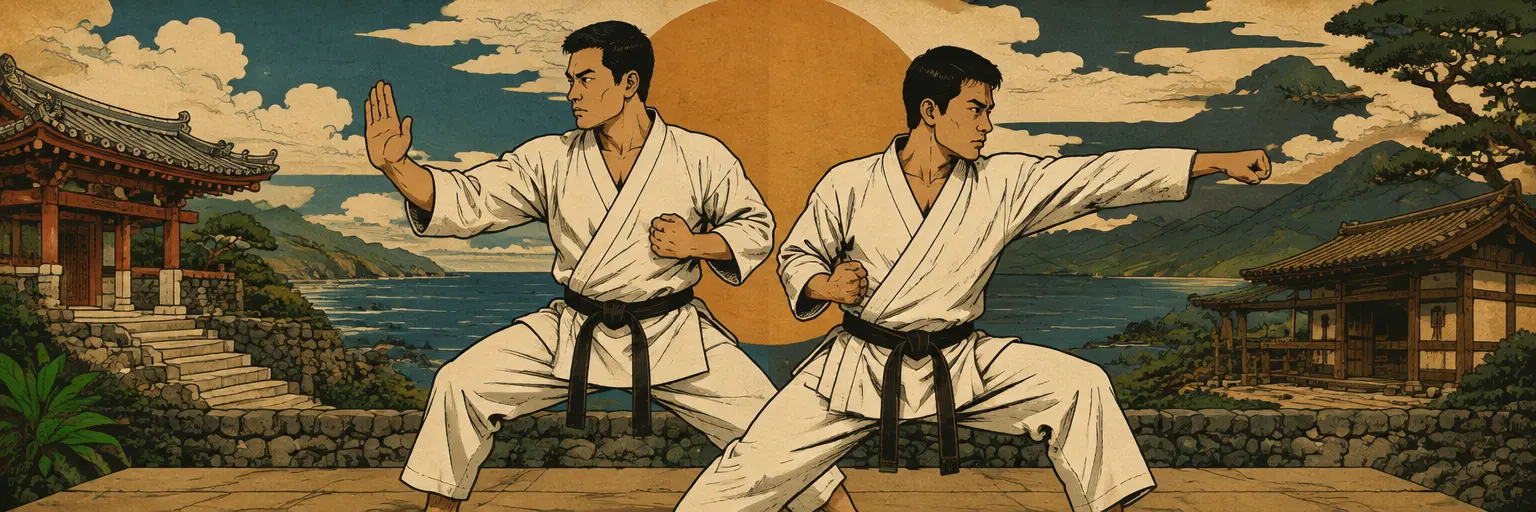
Dive into the lesser-known but deeply powerful world of Okinawan karate with focused overviews of Uechi-Ryu and Isshin-Ryu. While Shotokan and Goju-Ryu often steal the spotlight, these other styles offer unique, practical combat systems rooted in natural stance, body conditioning, and explosive close-range power. Uechi-Ryu emphasizes a circular, tiger-and-crane-inspired form with rigorous sanchin breathing and striking that builds formidable internal strength. Isshin-Ryu uniquely blends Shorin-Ryu’s speed with Goju-Ryu’s power, featuring a vertical punch, a signature “thunder and lightning” fist, and simplified, street-effective techniques. From their historical evolution in the Ryukyu Kingdom to modern training methodologies, these overviews reveal how each style cultivates practical self-defense, resilience, and philosophical depth. Perfect for practitioners seeking a raw, efficient path away from mainstream dojo routines, this guide unpacks stances, core kata, and the tactical principles that make these styles devastatingly effective yet elegantly simple—ideal for anyone exploring martial arts mastery beyond the ordinary.
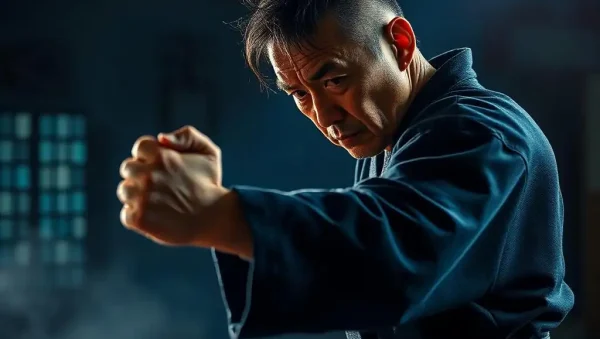
🥋 Discover the profound Uechi Ryu Karate history through the legacy of Kanbun Uechi, whose pioneering spirit and teachings continue to shape…
Read article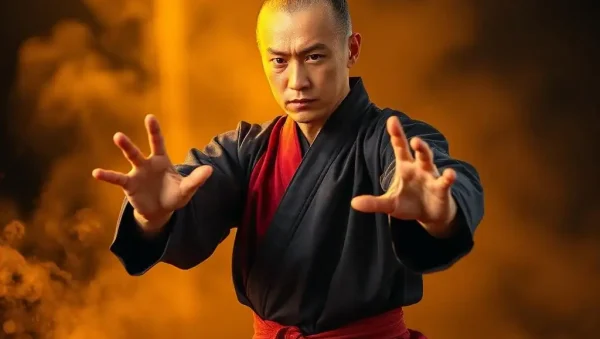
🥋 Discover how IsshinRyu Sunsu Kata Techniques embody the pinnacle of the system’s philosophy and mastery, revealing their significance as a comprehensive…
Read article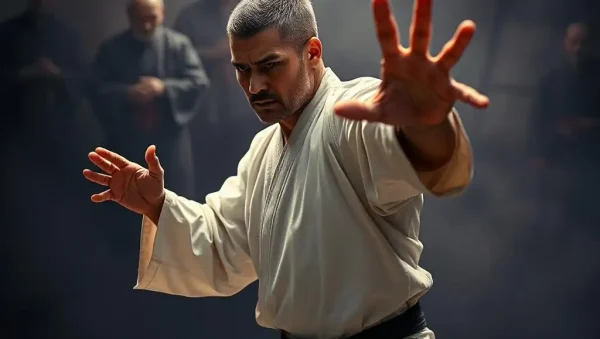
🥋 Explore the rich Okinawan martial arts history as we trace UechiRyu's Chinese roots from Pangainoon, revealing centuries of cultural exchange, martial…
Read article
🥋 Discover the fundamental principles of Isshin Ryu Karate, exploring its core doctrines, training methods, and legendary practitioners. This comprehensive guide delves…
Read article
🥋 Discover the core principles behind Uechi Ryu Hirate techniques, essential open hand strategies that exemplify the discipline’s emphasis on precise, powerful…
Read article
💪 Master the Uechi Ryu Sanchin Kata on MartialArtsMastery.org, the cornerstone of Uechi Ryu power, breath control, and robust conditioning. Discover the…
Read article
🥋 Discover the core of IsshinRyu's martial arts mastery through specialized IsshinRyu partner training drills that enhance technique, timing, and coordination. These…
Read articleWelcome to Martial Arts Mastery’s deep dive into Karate: Other Styles (Uechi-Ryu, Isshin-Ryu) Overviews. While Shotokan and Goju-Ryu dominate headlines, these Okinawan powerhouse styles offer unique histories, conditioning methods, and self-defense applications. Here, we unpack their origins, signature techniques, and training philosophies—perfect for practitioners seeking diversity in kata, grappling transitions, and functional toughness. Expect actionable insights for both beginners and advanced karateka.
Uechi-Ryu traces back to Kanbun Uechi, who learned Pangai-noon (half-hard, half-soft) in Fuzhou, China. Its core identity is circular blocks, open-hand strikes, and extreme body conditioning—tools designed for close-quarters survival. The style’s signature stance, sanchin, builds internal power through breathing and muscle tension, not just external aesthetics.
Training in Uechi-Ryu emphasizes makiwara striking, iron-body conditioning, and constant pressure-testing. Kata like Sanchin and Seisan are performed slowly with explosive forays, teaching students to absorb impact and counter instantly. This is a system for street pragmatists—no flashy kicks, just devastating elbows, ridges, and tiger claws aimed at vulnerable targets.
Founded by Tatsuo Shimabuku in 1950s Okinawa, Isshin-Ryu fuses Shorin-Ryu’s speed with Goju-Ryu’s power. Its name means “one heart,” reflecting a simplified, practical curriculum. The style’s defining innovation is vertical punches, delivered from a natural stance that allows faster retraction and less telegraphing—ideal for rapid-fire combinations.
Isshin-Ryu also pioneers closed-fist blocking (instead of open-hand) and emphasizes inline footwork to close distance safely. Kata like Seiunchin and Sanchin are adapted with breathing, while kumite drills stress immediate counterattacks after defense. For self-defense, its straightforward, economical movements make it an excellent choice for civilian practitioners seeking efficiency under stress.
Both styles prioritize physical resilience, but differently. Uechi-Ryu’s sanchin kata uses intense isometric contractions, focused breathing, and partner striking to harden the torso, forearms, and legs. This “iron body” build-up is gradual but transformative, boosting pain tolerance and structural integrity for absorbing hits.
Isshin-Ryu offers a more accessible path: body toughening via conditioning drills like forearm smashing, shin kicks, and push-ups on knuckles. Its Seisan kata includes open-hand blocks that double as joint locks, but the core is speed over stiffness. Beginners can begin sparring earlier due to lower injury risk, while Uechi students often wait until sanchin foundations solidify—a key choice based on your goals: raw toughness or rapid usability.
Uechi-Ryu boasts eight kata: Sanchin, Seisan, Sanseiryu, Kanchin, Kanshiwa, Kanshu, Seichin, Seiryu. Each pairs open-hand blocks with smashing elbows, spear-hand thrusts, and low-line sweeps. Bunkai (application) reveals joint manipulations and throws embedded in movements often mistaken for mere blocks.
Isshin-Ryu keeps a compact set of eight kata, including Seiunchin, Naihanchi, Wansu, Chinto, Kusanku, Sunsu, Sanchin, and Seisan. Its translations emphasize trapping, limb control, and entering—e.g., Wansu features a two-hand grab and head throw. Because kata are shorter, instructors can spend more time on live application drilling, making Isshin-Ryu ideal for hobbyists who crave direct combat relevance without years of preparatory work.
Choose Uechi-Ryu if you’re drawn to systematic body hardening, circular evasion, and a deep Chinese martial arts lineage. It rewards patience, discipline, and a willingness to endure discomfort—perfect for those seeking a spiritual-physical integration akin to Goju-Ryu but with unique flavor.
Opt for Isshin-Ryu if you want immediate practicality, vertical punching, and a faster learning curve. Its hybrid nature suits mixed martial artists, law enforcement, or anyone who values streamlined techniques. Both styles offer legitimate self-defense, but your training personality—glacier vs. sprinter—will determine the best fit. Start with a local dojo’s trial class and feel the rhythm; your body will know.
Yes, both are highly effective, but in different ways. Uechi-Ryu’s close-quarters strikes and conditioning excel in survival situations, while Isshin-Ryu’s vertical punches and rapid counters suit dynamic encounters. Both include joint locks, throws, and groin strikes, making them practical for real-world threats.
No—both welcome absolute beginners. Uechi-Ryu’s sanchin training can be challenging for stiff older students, but instructors modify intensity. Isshin-Ryu’s simpler footwork and open-hand blocks are often easier for novices. Start with conditioning and basic kata; progress naturally.
Uechi-Ryu’s sanchin uses long, deep stances, heavy tension, and partner strikes to build durability—often performed for 10–20 minutes. Isshin-Ryu’s sanchin is shorter, with relaxed upper body and emphasis on speed, using shallow stances for better mobility. Both build breathing and focus, but the tempo differs markedly.
Yes, many advanced practitioners blend them for a broader toolkit. However, avoid mixing early, as stance and body mechanics conflict (Uechi favors deeper stances, Isshin-Ryu uses natural height). Master one to brown belt, then explore the other with your instructor’s guidance.
Both maintain traditional kyu/dan rankings with kata, kumite, and conditioning exams. Competition exists but is less common than Shotokan. Isshin-Ryu has occasional sparring tournaments, while Uechi-Ryu focuses on kata and bunkai demonstrations. Check regional organizations for events.







