Discover the Dynamic World of Sambo (Russian): Jacket Wrestling and Leg Locks
Welcome to the comprehensive guide on Sambo (Russian), a powerful and versatile martial art born in the Soviet Union. Known for its explosive throws, relentless ground control, and devastating leg locks, Sambo blends judo-like jacket wrestling with unique submission grappling. This subcategory explores the sport’s rich history, its distinct techniques, and its practical applications for self-defense and competitive MMA. Whether you are a beginner or an experienced grappler, understanding Sambo’s core principles will elevate your martial arts knowledge and skill set.
🥋 The Core Principles of Jacket Wrestling in Sambo
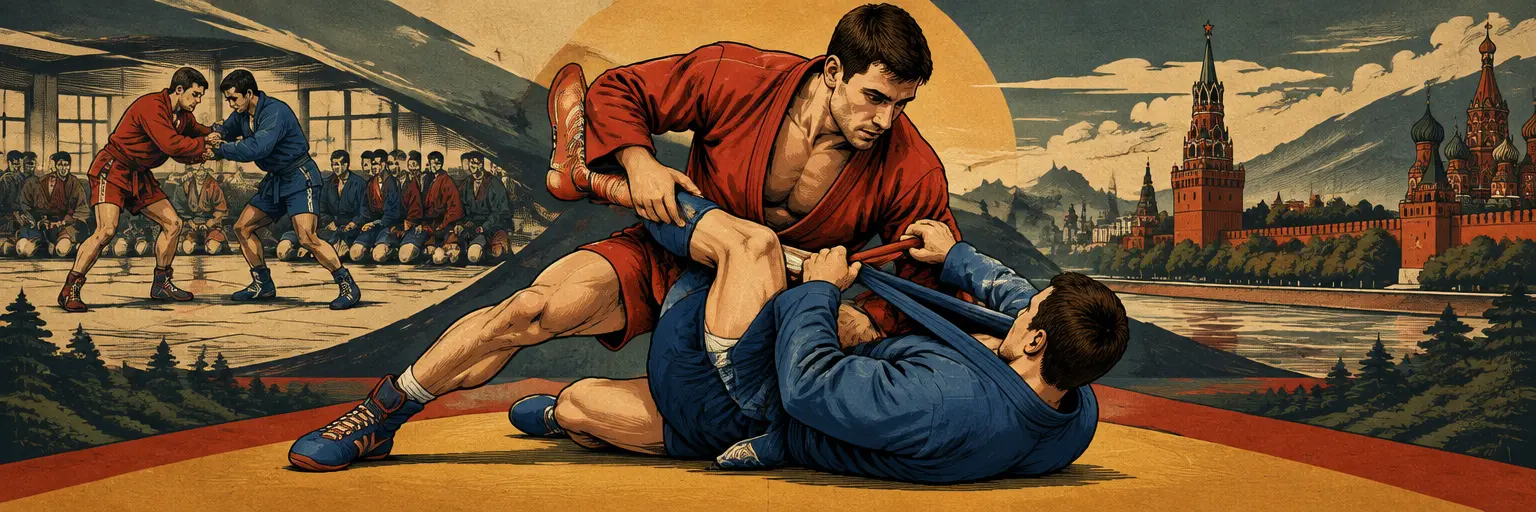
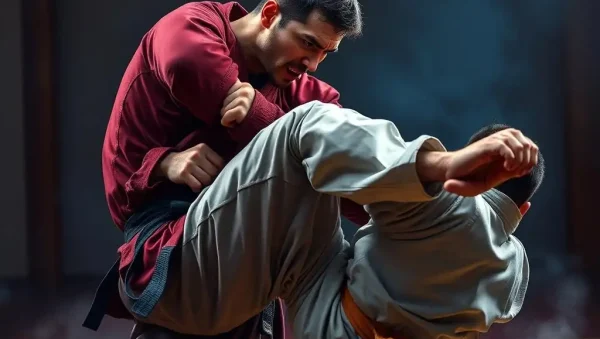
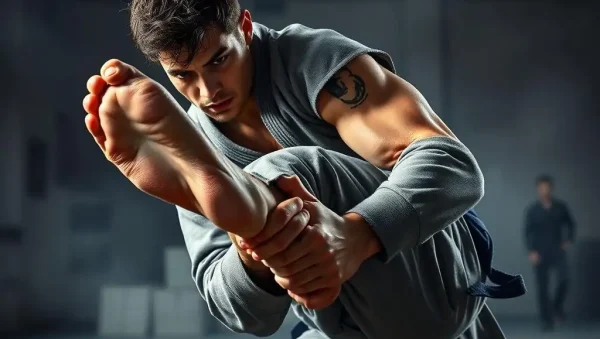
At the heart of Sambo lies jacket wrestling, or "borba," which emphasizes gripping the opponent’s uniform (kurtka) to control posture and execute powerful throws. Unlike pure judo, Sambo allows grips on the belt, sleeves, and collar from any angle, leading to aggressive and unpredictable takedowns. This style prioritizes speed and leverage, using the jacket as a handle to off-balance opponents before committing to hip throws, foot sweeps, or high-amplitude slams.
Training focuses on clinch fighting, where practitioners learn to break posture, defend against trips, and transition instantly from standing to ground combat. The jacket not only protects the skin but also serves as a training tool for real-world clothing grappling. Mastery of these grips builds exceptional upper-body strength and positional awareness, making Sambo players formidable in any stand-up exchange, especially when transitioning into MMA or self-defense scenarios where grabbing clothing is common.
🦵 The Art of Leg Locks: Sambo’s Signature Submissions
Sambo is globally renowned for its advanced leg lock system, attacking the ankles, knees, and feet with surgical precision. Techniques like the straight ankle lock, knee bar, and the devastating heel hook are taught early, unlike in many other grappling arts where they are reserved for advanced belts. This focus on lower-body submissions creates a unique strategic layer, forcing opponents to defend below the waist while also protecting their upper body from chokes and arm bars.
The leg lock entries in Sambo often come from failed throws, guard pulls, or transitional scrambles, making them highly deceptive. Practitioners learn to use their entire body to isolate a single joint, applying torque with hip rotation and leg positioning. Integrating these holds into your game not only increases your submission arsenal but also improves your defensive awareness, as you will understand how to escape common lower-body attacks seen in modern no-gi grappling and MMA. This makes Sambo a complete submission grappling style.
📜 Historical Evolution: From the Red Army to the World Stage
Sambo originated in the 1920s-1930s under the Soviet Red Army, developed by Viktor Spiridonov and Vasili Oshchepkov to create a superior hand-to-hand combat system. Oshchepkov, a judo black belt, fused Japanese techniques with native Soviet wrestling styles, while Spiridonov contributed his work in free wrestling and personal defense. The name "Sambo" is an acronym for "SAMozashchita Bez Oruzhiya", meaning "self-defense without weapons". By 1938, it was officially recognized as a Soviet national sport.
During the Cold War, Sambo remained largely secret, but its effectiveness spread through military and police channels. Today, Sambo is an international sport with world championships, and its influence on mixed martial arts is undeniable, with legends like Fedor Emelianenko and Khabib Nurmagomedov showcasing its dominance. Understanding this history provides context to Sambo’s practical, no-nonsense approach to combat, prioritizing efficiency and effectiveness over flair, which remains its core philosophy in modern competitions and self-defense applications.
⚔️ Sambo for Self-Defense and Mixed Martial Arts (MMA)
For self-defense, Sambo offers immediate and practical responses to common street attacks, including defense against grabs, punches, and knife threats. The heavy reliance on jacket wrestling translates directly to grabbing a jacket, shirt, or collar, which is typical in real altercations. Ground control techniques focus on quick finishes via leg locks or strikes, rather than prolonged positional battles, ensuring you can neutralize a threat and escape safely. This pragmatic approach is why many military and law enforcement agencies worldwide adopt Sambo principles.
In the world of MMA, Sambo fighters are feared for their explosive takedowns and unique leg attack entries. The combination of relentless pressure, brutal throws, and instant leg submissions forces opponents to constantly respect the ground game. Practicing Sambo improves your ability to close distance, control a fight’s tempo, and finish fights from unexpected angles. Its integration with striking drills and defense against weapons makes it a comprehensive combat system that bridges the gap between sport grappling and real-world survival.
🛡️ Training Methodology and Essential Gear for Sambo
Effective Sambo training involves a structured progression from basic motor skills to complex drilling and live sparring (borba). Sessions typically start with warm-up throws and breakfalls (important for safety), followed by technique demonstration and partner drilling. Emphasis is placed on repetition and muscle memory, with each technique practiced from various angles and grips. Live sparring is introduced gradually, allowing practitioners to test their skills against resisting opponents in a safe yet competitive environment.
Essential equipment includes the Sambo jacket (kurtka), which is thicker and has specific reinforcement for grips, alongside wrestling shoes, and shorts. For beginners, a sturdy gi is acceptable; however, a proper kurtka is crucial for advanced collar and belt grips. Always invest in a good mouthguard and knee pads to prevent mat burns. The training is physically demanding, improving cardiovascular endurance, flexibility, and mental toughness. With consistent practice, students develop a combat-ready mindset and a comprehensive understanding of body mechanics.
Frequently Asked Questions
What is the difference between Sambo and Judo?
While both involve jacket grappling and throws, Sambo allows leg attacks and lower-body submissions like heel hooks, which are prohibited in Judo. Sambo also permits gripping the pants, and its scoring prioritizes dominance from throws that result in ground control. Judo focuses more on the classical ippon throw, whereas Sambo’s approach is broader, including ground fighting and self-defense tactics.
Can Sambo be practiced without a jacket?
Yes, though it is less traditional. The jacket is essential for learning grip mechanics and throws, but many Sambo drills and techniques, particularly leg locks and ground transitions, work perfectly in no-gi settings. However, for full competition rules, the jacket is mandatory. For self-defense, practicing with a jacket is recommended.
Is Sambo effective for beginners with no grappling background?
Absolutely. Sambo’s structured approach makes it accessible. Beginners first learn safe breakfalls and basic grips, progressing to simple throws and submissions. The emphasis on functional self-defense and leg locks offers immediate practical value. Many practitioners start Sambo as their first art and excel in both MMA and hobbyist communities.
How long does it take to get a black belt in Sambo?
There is no universal black belt system; instead, Sambo uses sports ranks (e.g., Candidate for Master of Sport) and colored belts. Achieving a top rank typically takes 7-10 years of dedicated training, involving national-level competition and demonstrated proficiency in all combat phases. The focus is more on skill validation than time served.
What are the most common leg locks in Sambo?
The most common leg attacks include the straight ankle lock, knee bar, and the heel hook. These are taught with strict safety protocols to prevent injury. Practitioners also use calf crushes and toe holds as variations, making the leg game unpredictable and highly effective against opponents who focus only on upper-body submissions.