Core Philosophical Concepts in Martial Arts: Bushido, Zen, and Taoism
Dive into the profound mental and spiritual frameworks that transform martial arts from mere physical combat into a disciplined way of life. This subcategory explores the historical roots and practical applications of Bushido, Zen Buddhism, and Taoism, offering you actionable insights to enhance focus, resilience, and ethical conduct both on and off the mat. Whether you practice karate, judo, tai chi, or kung fu, understanding these core concepts deepens your connection to the art and sharpens your strategic mind.
🧘 The Essence of Bushido: The Warrior’s Code
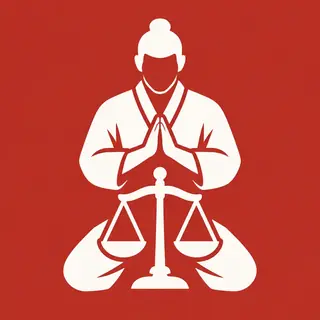
Bushido, the “Way of the Warrior,” originated among Japan’s samurai class and emphasizes rectitude, courage, benevolence, respect, honesty, honor, and loyalty. This code is not about aggression but about cultivating moral integrity under pressure. By studying Bushido, martial artists learn to align their physical skills with ethical responsibility, ensuring that power is always tempered by wisdom and compassion. Expect to explore how these seven virtues apply to modern training—from respecting your instructor to making split-second decisions in sparring that prioritize safety and fairness.
In practice, integrating Bushido means developing an unbreakable spirit that remains calm in adversity. You will discover techniques for mental fortitude, such as ritualized bowing and pre-combat visualization, that reinforce discipline and humility. The code also teaches that true victory lies not in defeating others but in overcoming your own fears and ego. This philosophical foundation is essential for anyone seeking a holistic martial arts journey, as it bridges the gap between technical efficiency and personal character development.
🌿 Zen in Motion: Mindfulness and the Art of the Present
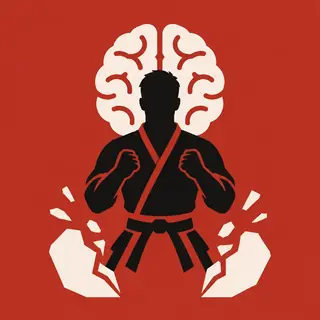
Zen Buddhism contributes the concept of “mushin” (no-mind)—a state of heightened awareness where action flows without hesitation or conscious thought. This subcategory guides you in meditation practices, breathing exercises, and kata (forms) analysis that cultivate present-moment focus. By training your mind to be still amid chaos, you improve reaction time, reduce performance anxiety, and develop a profound sense of inner peace. The connection between Zen and martial arts is especially vital in striking and grappling arts, where split-second decisions often determine outcomes.
Expect to learn how to integrate zazen (seated meditation) into your daily routine, even if you only have ten minutes. The key is not to empty the mind but to observe thoughts without attachment, allowing your instincts to take over during combat or stressful situations. This mental clarity also enhances recovery and injury prevention, as you become more attuned to bodily signals. Whether you practice high-impact arts like boxing or flowing ones like aikido, Zen principles transform fatigue into fuel for sustained excellence.
🌀 Taoist Principles: Flow, Wu Wei, and Natural Harmony
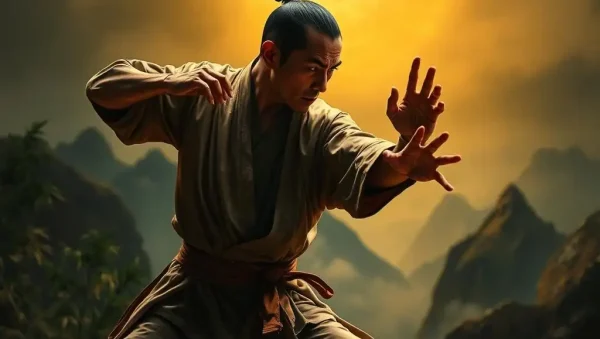
Taoism introduces the revolutionary idea of “wu wei” (effortless action), where the martial artist moves in alignment with natural forces rather than opposing them. This subcategory demystifies concepts like yin and yang, qi (life energy), and the soft overcoming the hard—principles prominently featured in tai chi, baguazhang, and xingyiquan. You will learn how to use an opponent’s momentum as an advantage, conserve energy, and maintain structural integrity under pressure. Taoist philosophy also encourages a flexible, adaptive mindset that dissolves rigid thinking and embraces constant change.
Practical applications include breathing techniques to circulate qi, stance adjustments to improve rooting and balance, and drills that emphasize circular, evasive movement over brute force. Additionally, Taoist meditation helps reduce cortisol levels and enhances emotional regulation, which is critical in high-stress encounters. By studying natural metaphors—like water yielding to rock yet carving canyons—you acquire a strategic framework applicable to both combat and daily challenges. This section reveals why many legendary martial artists credited their longevity and skill to Taoist “non-striving” methods.
📜 Comparative Perspectives: Blending Bushido, Zen, and Taoism
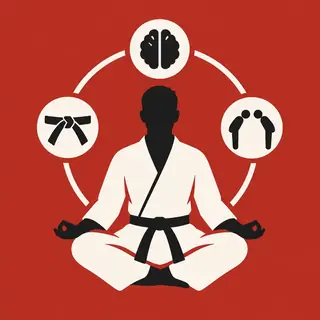
While Bushido focuses on the warrior’s ethical path, Zen on mental clarity, and Taoism on natural harmony, they are not mutually exclusive—top practitioners often integrate them seamlessly. This subcategory compares and contrasts these philosophies, highlighting their unique historical contexts and shared emphasis on discipline, respect, and self-mastery. For instance, a karateka might use Bushido loyalty to honor their dojo, Zen mindfulness to sharpen kumite, and Taoist flow to transition smoothly between defense and offense. Understanding these overlaps enables you to design a personalized philosophical toolkit that amplifies your martial strengths.
You will also examine modern adaptations, such as how Brazilian jiu-jitsu incorporates Taoist efficiency, or how Olympic judo retains Bushido-esque rituals despite sports reform. This comparative lens enriches your appreciation of cross-cultural martial art lineages and prevents dogmatic thinking. The goal is not to rank philosophies but to extrapolate universal principles—like respecting life and acting with integrity—that transcend stylistic boundaries. This section is ideal for instructors designing curriculums that nurture both technical and philosophical growth.
⚔️ Practical Application: Daily Rituals for the Modern Martial Artist
Discover concrete routines to embed these core concepts into your daily training schedule. This includes pre-practice intention-setting using Bushido virtues, mid-session mindfulness check-ins borrowed from Zen, and post-training reflection guided by Taoist balance. You will also find guidelines for creating a personal code of conduct that aligns with your style’s heritage. For example, you might begin with five minutes of breathwork to center yourself, then dedicate two minutes to visualizing a challenging technique executed with “wu wei,” and end by journaling about a moment of honor or courage.
Moreover, this section addresses common pitfalls, such as over-intellectualizing philosophy at the expense of physical practice. The aim is to make these abstract ideas tangible—using kata breakdowns, sparring strategies, and partner drills that embody philosophic principles. By consistently applying these rituals, you accelerate learning retention and build a resilient mindset that withstands plateaus and setbacks. These aren’t just philosophies to read about; they are living practices that turn technique into artistry.
Frequently Asked Questions
What is the main difference between Bushido and Zen in martial arts?
Bushido is an ethical code focusing on virtue, loyalty, and honor in the warrior’s life, while Zen is a meditative practice emphasizing present-moment awareness and spontaneous action. Bushido guides how you act morally, whereas Zen trains how you focus mentally. Both complement each other, but they address different domains of the martial artist’s experience.
How can I incorporate Taoist “wu wei” into my sparring?
Start by practicing yielding drills where you intentionally follow your partner’s force, then redirect it off-balance. Avoid muscular tension; instead, stay relaxed and use footwork to circle. This reduces wasted energy and increases adaptability. Over time, you’ll naturally respond to attacks with minimal deliberate thought.
Does Zen meditation help with fear in combat?
Yes, Zen meditation trained over weeks reduces amygdala reactivity, lowering panic responses. By repeatedly observing fear as a passing thought, you build neural pathways that maintain calm under threat. Consistent practice of zazen also increases interoceptive awareness, helping you notice early signs of anxiety and regulate breathing.
Is Bushido still relevant for modern martial artists?
Absolutely. Its core values—respect, courage, and integrity—transcend time and are directly applicable to gym etiquette, competition fairness, and self-defense ethics. Modern dojos often use Bushido-inspired codes to create safe, supportive training environments. It also helps practitioners set noble goals beyond winning.
Can I practice Zen and Taoism without abandoning my Christian or other religious faith?
Yes. These philosophies are secular in nature; they focus on mindfulness, natural balance, and ethical living without requiring supernatural beliefs. Many practitioners integrate them as psychological tools, not spiritual replacements. You can adapt breathing and meditation techniques while maintaining your personal religious commitments.