Heightened Awareness: Using Meditation to Improve Your Martial Arts Reflexes
🧘 Train your mind, sharpen your body. Discover how dedicated meditation practice can significantly improve martial arts reflexes, enhancing your reaction time…
Read article

Unlock the hidden power of your practice by exploring the role of meditation and mindfulness in martial arts—a transformative journey that pairs physical prowess with mental clarity. At MartialArtsMastery.org, we delve into how ancient breathing techniques and present-moment awareness sharpen your focus, elevate your reaction time, and deepen your connection to each movement. Discover why mindfulness isn’t just a supplement—it’s the cornerstone of true mastery, reducing stress, building resilience, and cultivating a calm, combat-ready mind. Whether you’re a seasoned black belt or a curious beginner, integrating these practices can revolutionize your training, enhance your self-defense instincts, and bring a profound sense of inner peace to every strike, stance, and sparring session. Embrace the stillness within the storm and transform your martial arts journey today.
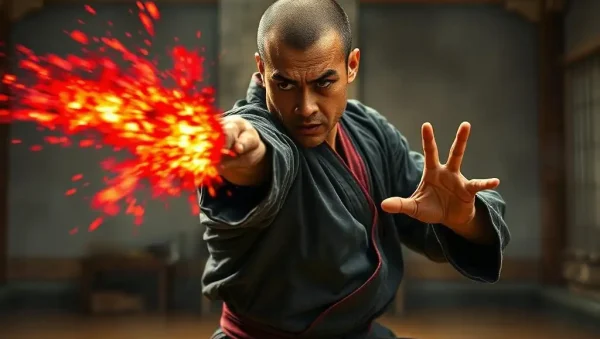
🧘 Train your mind, sharpen your body. Discover how dedicated meditation practice can significantly improve martial arts reflexes, enhancing your reaction time…
Read article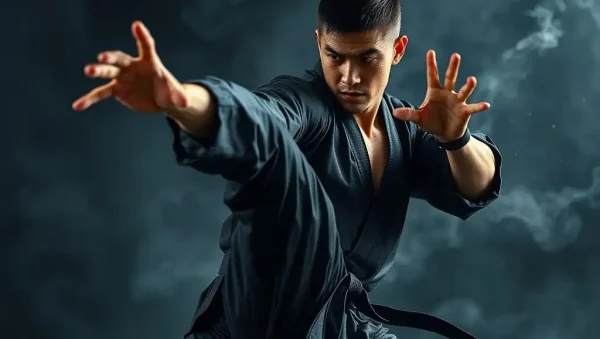
🧘♀️ Discover how martial artists harness mindfulness for pain management. This ancient practice offers a powerful, internal approach to overcoming physical discomfort,…
Read article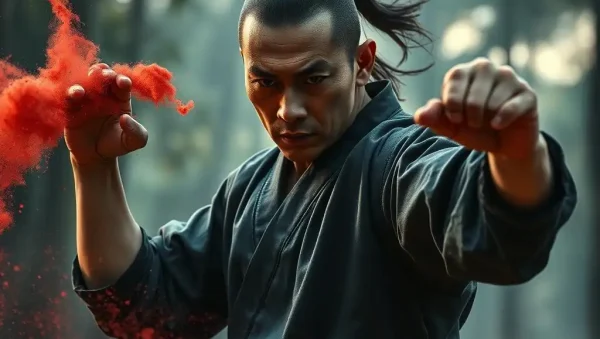
🧘 Discover how meditation unlocks Kung Fu's hidden power. This article explores how focused practice enhances skill, coordination, and mental fortitude, revealing…
Read article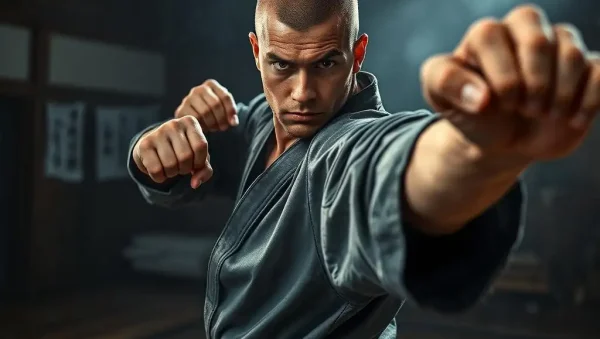
🧘 Unlock peak performance in martial arts. Discover how meditation sharpens focus, builds resilience, and cultivates the inner calm essential for true…
Read article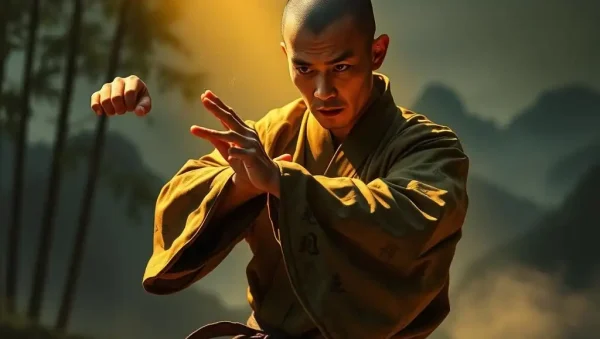
🧘 Uncover how meditation transcends the dojo, unlocking enhanced martial arts focus and profound inner peace. MartialArtsMastery.org explores this surprising connection, revealing…
Read article
🥋 Unlock your ultimate potential. Discover how meditation for martial arts focus sharpens your mind, enhances precision, and provides an unparalleled edge…
Read articleMeditation and mindfulness are not just supplemental activities in martial arts—they are the very foundation of true mastery. On MartialArtsMastery.org, this subcategory explores how internal focus, breath control, and present-moment awareness transform physical technique into profound discipline. Whether you practice karate, Brazilian Jiu-Jitsu, tai chi, or Muay Thai, integrating these mental practices sharpens reflexes, reduces anxiety, and deepens your connection to the art’s philosophical roots. Here, you’ll learn practical methods to cultivate a calm, combat-ready mind, enhancing both performance and daily life.
Controlled breathing is the bridge between body and mind in martial arts. This section covers diaphragmatic breathing, box breathing, and tactical exhale patterns used by elite fighters and traditional masters. You’ll discover how rhythmic inhalation and exhalation lower heart rate, prevent panic during sparring, and sustain energy across rounds. These techniques are not mystical—they are physiologically proven to activate the parasympathetic nervous system, allowing you to stay fluid under pressure. Expect step-by-step drills to integrate breath into kata, pad work, and live rolling sessions.
Beyond combat, these breathing practices improve sleep and recovery, making them essential for any serious practitioner. We emphasize mindful breathing as a warm-up, not just a cool-down, so you enter every session with a centered baseline. By mastering breath, you master your reactions, turning impulsive strikes into deliberate, powerful movements. This foundational skill is the first step toward sustaining mindfulness throughout the chaos of martial exchange.
Sparring and self-defense demand split-second decisions, yet a cluttered mind leads to hesitation. Here, we introduce open-monitoring meditation and single-point focus exercises tailored for combat sports. You’ll learn to observe your opponent’s tells without judgment, staying anchored in the present instead of replaying past mistakes or fearing future strikes. Practical drills include shadow boxing with eyes closed, partner reaction games, and body-scan meditations before high-intensity rounds.
These practices build neuroplasticity, rewiring your brain to stay calm in adrenalized situations. For self-defense, mindfulness helps you assess threats accurately and choose proportionate responses, avoiding overreaction or freeze. We also address post-encounter mindfulness, helping you process adrenaline surges after drills. By treating each sparring session as a meditation in motion, you transform combat from a stressful event into a flow state, improving both safety and enjoyment.
From Zen Buddhism’s influence on Japanese swordsmanship to Daoist wu wei (effortless action) in Chinese internal arts, meditation has always been intertwined with martial strategy. This section traces how ancient warriors used zazen, qigong, and Krishna’s teachings in the Bhagavad Gita to cultivate fearlessness and moral clarity. You’ll explore the Bushido code, the Shaolin temple traditions, and the meditative principles behind aikido’s blending of energy.
Understanding these roots is not mere nostalgia—it provides a moral compass for modern practice. We discuss how mindfulness prevents aggression, promotes humility, and fosters respect for opponents, countering destructive “win-at-all-costs” mentalities. Historical texts are translated into actionable principles, such as “mushin” (no-mind) for fluid technique and “zanshin” (lingering awareness) for post-strike vigilance. This philosophical depth enriches your journey, making martial arts a lifelong path of self-reflection, not just physical prowess.
Intense training creates micro-tears and muscle tension, but mental stress compounds physical damage. This subcategory reveals how body-scan meditations reduce cortisol, accelerate inflammatory response, and enhance proprioception—your body’s ability to sense position. We provide guided visualization routines for injured joints, yoga nidra protocols for deep sleep, and mindful cool-downs that release lactic acid more efficiently. Elite athletes use these techniques to train harder while recovering faster, avoiding burnout and chronic pain.
Beyond injury, meditation improves pain tolerance and emotional resilience, helping you push through plateau periods. We also cover pre-competition mindfulness to reduce performance anxiety, allowing your trained instincts to shine. By pairing physical rehab with mental conditioning, you create a holistic recovery ecosystem. This section includes sample audio scripts and hourly breath-counting routines you can deploy immediately after any martial arts session.
Consistency beats intensity in both meditation and martial arts. This section outlines a 15-minute daily ritual combining breathwork, body-awareness, and intention-setting—perfect for busy schedules. You’ll learn to structure a morning “grounding” sequence (5 min) before technique practice, an evening “release” meditation (5 min) to unwind, and a mid-day micro-mindfulness break (5 min) for focus. Practical checklists and habit-stacking strategies ensure you never skip a session, even during travel or rest days.
We also guide you on meditation journaling to track emotional triggers, sleep quality, and striking accuracy, linking mental state to physical output. By treating mindfulness as a core curriculum component—not an optional extra—you’ll see exponential gains in retention, creativity, and calm under pressure. This ritual becomes your anchor, transforming martial arts from a hobby into a lifestyle of continuous, mindful evolution. Start with one breath today, and let discipline carry you forward.
No, even 5–10 minutes daily shows measurable improvements in focus and reaction time. Research indicates that brief, consistent mindfulness practice outperforms sporadic long sessions. Start with 5-minute breath-focused meditations before training, then gradually increase. The key is regularity, not duration.
Yes, by practicing acceptance-based mindfulness, you acknowledge fear without letting it dictate actions. Techniques like “labeling” (saying “fear” silently) and body scans at the start of a round lower adrenaline spikes. Over time, your brain associates sparring with calm awareness, not threat.
Not at all. Martial arts meditation is secular and focuses on breath, body awareness, and attentional control. It draws from various traditions but is easily adapted to any belief system. You can treat it as a mental training tool, like visualization or focus drills, without any spiritual connotation.
Most practitioners report improved calm and decision-making within 2–4 weeks of daily practice. Neuromuscular coordination and fluidity under pressure typically show gains after 6–8 weeks. Consistent breathing drills during kata or forms accelerate this timeline, as you’re reinforcing mind-body integration in real-time.
Absolutely not. Meditation enhances your physical skills—it cannot substitute for timing, distance, and striking mechanics. Use mindfulness to amplify your existing technical repertoire, not to bypass it. Think of meditation as the engine oil, not the engine. Train both body and mind for true martial mastery.