Explore the Timeless Power of Shotokan Karate
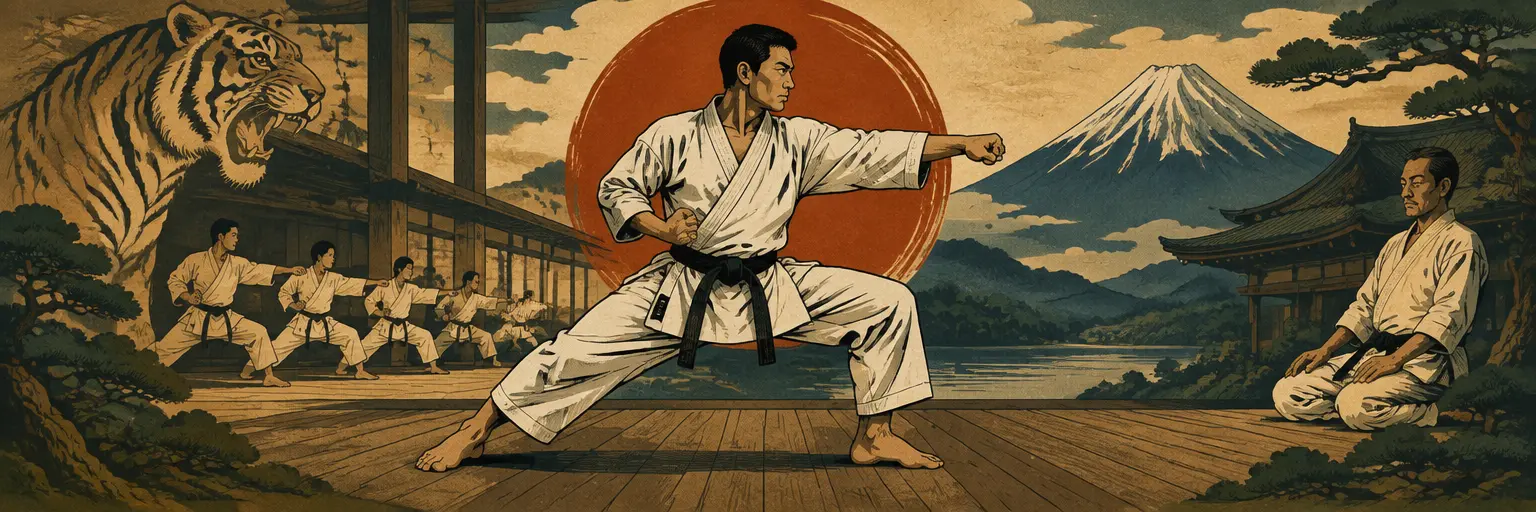
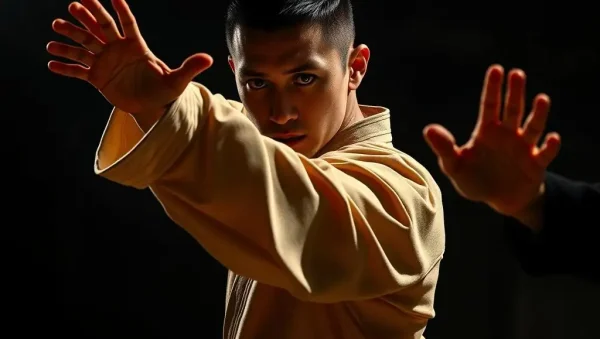
Shotokan Karate is one of the most influential and widely practiced traditional martial arts in the world, founded by Gichin Funakoshi in the early 20th century. This subcategory delves deep into the precise techniques, dynamic stances, and profound philosophical foundations that define Shotokan. Whether you are a beginner seeking authentic fundamentals or an advanced practitioner refining your kata, this guide offers actionable insights, historical context, and training strategies to elevate your mastery. Discover how linear power, hip rotation, and disciplined focus combine to create an art that is both a formidable self-defense system and a path to personal growth.
🥋 Core Stances and Posture: The Foundation of Power
In Shotokan, every technique originates from the ground up, and stances (dachi) are the bedrock of stability and explosive force. The low, wide zenkutsu-dachi (front stance) emphasizes forward drive, while kokutsu-dachi (back stance) prioritizes balance and withdrawal. Beginners must learn to sink hips, keep the back heel planted, and align knees over toes to generate maximum torque. Mastery of stance transitions—shifting weight smoothly without rising—enables fluid combinations and counters. Expect to spend countless hours perfecting these positions, as they directly influence punch power, kick reach, and defensive mobility.
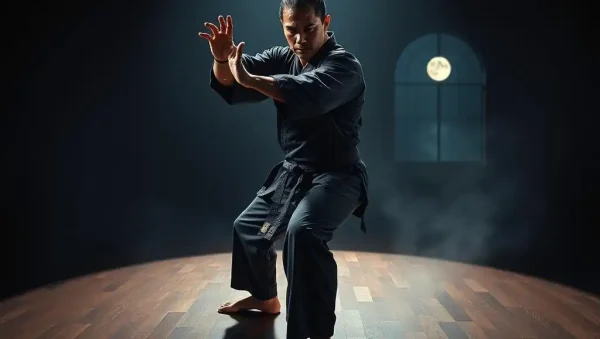
Beyond physical alignment, Shotokan stances cultivate a mental state of rootedness and readiness. The kamae (fighting posture) is not static; it adapts dynamically to distance and opponent intent. Training emphasizes kime (focus of power), where the entire body contracts momentarily at the point of impact. Practical drills like uchi-komi (repetitive stepping) and shadow sparring build neuromuscular memory. By internalizing these stances, practitioners develop a stable platform for advanced techniques, making them indispensable for both kata performance and kumite (sparring) success.
⚡ Essential Hand Techniques: Strikes, Blocks, and Precision
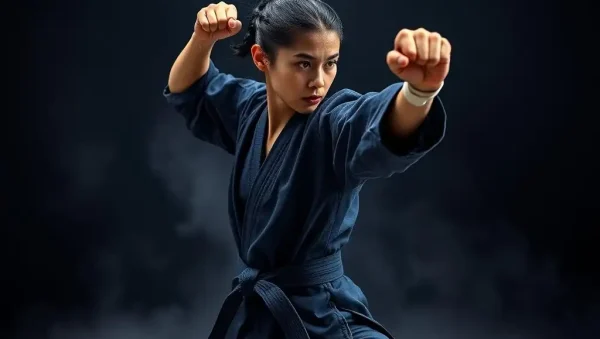
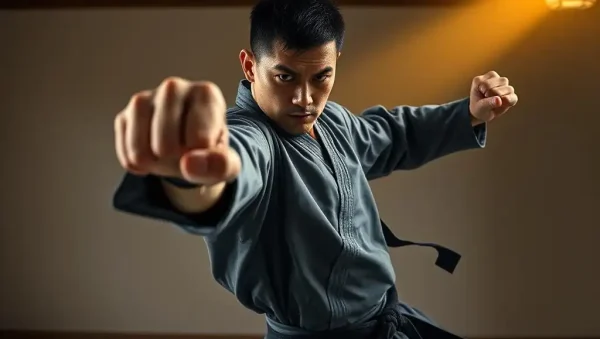
Shotokan’s hand techniques are characterized by linearity, speed, and full extension, aiming to strike with the largest bones of the hand for structural integrity. Core strikes include oi-tsuki (lunge punch), gyaku-tsuki (reverse punch), and ura-tsuki (close-range uppercut). Blocks such as age-uke (rising block) and soto-uke (outside forearm block) are taught with deliberate hip twist, converting defense into immediate counter-offense. Practitioners learn to snap the elbow, rotate the fist just before contact, and exhale sharply to tense the core. Focus on hiki-te (pulling hand)—the retracting arm—as it is equally critical for balance and setup.
Precision is refined through kihon (basics) drills, often done in lines, repeating each technique dozens of times with perfect form. Training aids like makiwara (striking post) condition the knuckles and teach penetration, not just surface impact. Advanced students integrate ren-zoku (combination) waza, chaining strikes seamlessly from stances. At a philosophical level, hand techniques embody the concept of “ichigeki hissatsu” (one strike, one kill)—not literal lethal intent, but a commitment to making every technique decisive. Expect to learn not only what to do, but why each angle, trajectory, and timing exists.
🦵 Kicking and Footwork: Speed, Range, and Balance
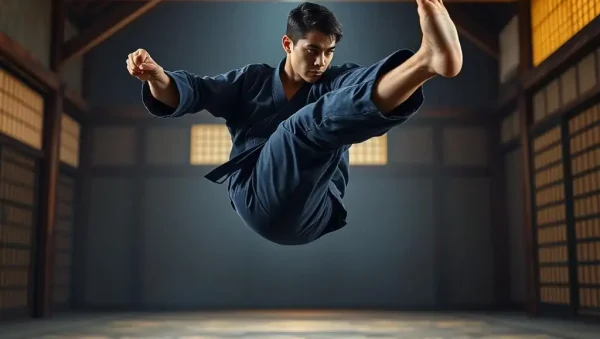
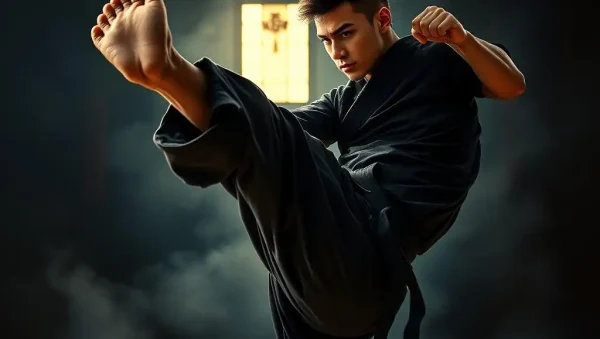
Shotokan kicks are renowned for their high extension, snap, and recoil, often executed from mobile stances to maintain distance control. The foundational mae-geri (front kick) drives the ball of the foot into the midsection, while yoko-geri (side kick) uses the blade of the foot with a 90–degree body rotation. Advanced techniques like mawashi-geri (roundhouse kick) and ushiro-geri (back kick) require exceptional hip flexibility and core stability. Footwork is equally vital: yori-ashi (sliding steps) and tsugi-ashi (chasing steps) enable rapid closing or retreating without crossing feet, preserving balance. Kicking drills emphasize chambering the knee, extending with speed, and snapping back to guard.
Practical application extends beyond raw power—Shotokan teaches kicks as distancing tools and feints to set up hand strikes. Balance exercises, such as standing on one leg while performing kakato-geri (heel kick), improve proprioception under pressure. Kata like Heian Yondan and Empi showcase complex kicking sequences that require precise timing and spatial awareness. Practitioners learn to read opponent’s weight shifts to deliver effective counters. Philosophically, kicking embodies “kensho” (emptiness of mind)—letting the technique flow without overthinking. Expect progressive overload: from static kicks to moving, jumping, and spinning variations as your skill matures.
🧠 Kata and Bunkai: The Living Encyclopedia
Kata are pre-arranged sequences of movements that encode Shotokan’s combat logic, strategy, and historical lineage. The Heian (Peaceful Mind) series introduces core principles, while advanced forms like Bassai Dai and Kanku Dai reveal explosive transitions and escapes. Each kata has a rhythm—slow, powerful segments contrasted with quick, agile bursts—mirroring real combat’s unpredictable flow. However, kata are not empty forms; bunkai (application analysis) unlocks their hidden grappling, joint locks, and throws. Practitioners must learn to look beyond surface punches to see te-hodoki (releasing grips) and kuzushi (balance breaking) embedded in every move.
Training kata demands embusen (performance line) precision, rhythm variation, and conscious breath control. Modern competitors focus on aesthetic excellence, but traditional practitioners emphasize kiai (spirit shout) as a tool for abdominal compression and intimidation. Bunkai drills transform solo forms into partnered sparring scenarios, revealing realistic self-defense applications. Expect to revisit the same kata for years, discovering new layers of meaning with every repetition. Philosophical education teaches that kata is a “moving meditation”, harmonizing body, mind, and spirit. By internalizing these sequences, you gain a tactical library usable in spontaneous encounters, bridging tradition with modern martial reality.
🧘 Philosophy and Discipline: Beyond Physical Combat
Shotokan is as much a mental and ethical discipline as a fighting art. Funakoshi’s Dojo Kun (training hall precepts)—seek perfection of character, be faithful, endeavor to excel, respect others, and refrain from violent behavior—form a moral foundation. Practitioners are encouraged to cultivate zanshin (relaxed awareness) even outside the dojo, staying present and observant. Training emphasizes mushin (no-mind), a state of spontaneous reaction free from hesitation. These concepts transform techniques into tools for personal mastery, not aggression. Expect to reflect on how patience and humility translate to daily life, improving focus, stress management, and interpersonal relations.
The philosophical layer also stresses ichi-go ichi-e (one encounter, one chance), teaching that every moment—and every training session—is unique and irreplaceable. Respect for the sensei (instructor) and senpai (senior students) is institutionalized, fostering a hierarchical yet supportive learning environment. Meditation before and after training helps center the mind, while mokuso (closing meditation) consolidates lessons. Practitioners learn to apply kime not just to strikes but to goals—committing fully to each action. This subcategory explores how ancient Zen aesthetics, such as wabi-sabi (imperfect beauty), influence training culture. Ultimately, Shotokan becomes a lifelong path of self-discovery, where the dojo is a microcosm of society.
Frequently Asked Questions
What is the best way to start learning Shotokan Karate as a beginner?
Begin by finding a reputable dojo with a certified instructor who emphasizes fundamentals over competition. Start with kihon basics—stances, punches, blocks—attending 2–3 classes weekly. Practice at home for 15–20 minutes daily, focusing on aligning your hips and shoulders. Read Gichin Funakoshi’s “Karate-Do Kyohan” for philosophical grounding. Avoid altering techniques to suit preferences; trust the system.
How does Shotokan differ from other karate styles, such as Goju-Ryu or Kyokushin?
Shotokan uses linear, deep stances and long-range power, whereas Goju-Ryu integrates circular, close-quarter movements. Kyokushin emphasizes full-contact sparring and body conditioning, while Shotokan practices point-based kumite with controlled strikes. Shotokan prioritizes speed and precision over raw endurance, and its kata are more angular. Overall, Shotokan’s focus on distance management and hip-driven techniques set it apart.
Can Shotokan Karate be effective for self-defense in real-world situations?
Yes, if taught with practical bunkai and pressure-tested sparring. The linear strikes and stance transitions can neutralize common assaults, like tackles or haymaker punches. However, traditional Shotokan training often omits ground fighting and weapon defenses. Supplement with situational drills, scenario-based sparring, and awareness training to bridge the gap from dojo to street.
What rank structure and belt system does Shotokan use?
Most Shotokan schools follow the kyu/dan system: white, yellow, orange, green, blue, purple, brown (varying stripes), then black belt (1st dan and above). Advancement requires demonstrating kihon, kata, and kumite proficiency, plus attendance and attitude. Grading exams vary globally; some federations require 6–12 months between ranks. Always confirm your specific association’s curriculum.
How long does it take to earn a black belt in Shotokan Karate?
Typically 4–6 years with consistent training (3–4 sessions per week). However, this depends on individual dedication, physical aptitude, and the school’s requirements. Some students achieve it in 3 years, others take 8. More important than speed is retention—black belt signifies readiness to truly learn, not mastery. Focus on depth, not timeline.