Tiger & Crane: Understanding the Profound Duality in Hung Gar's Signature Form
🐯 Explore the profound duality of the Hung Gar Crane Tiger Form on MartialArtsMastery.org. Uncover the intricate balance of yielding softness and…
Read article
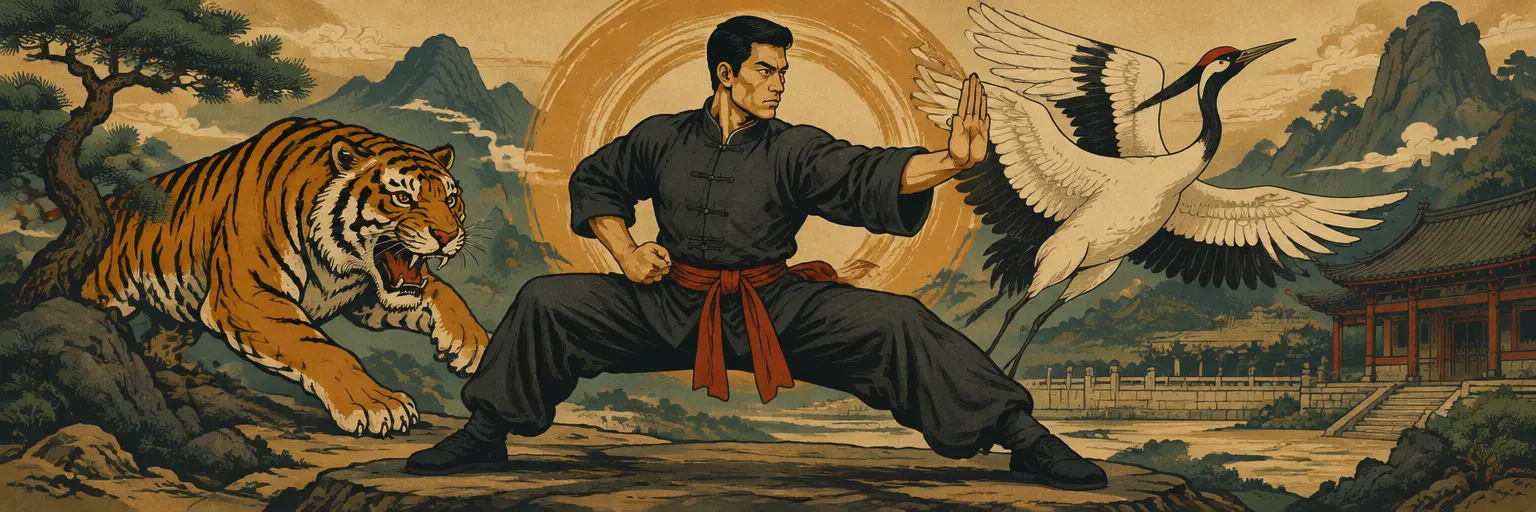
Discover the raw power and profound tradition of Hung Gar Kung Fu, a legendary southern Chinese martial art renowned for its iron-solid stances and the iconic Tiger-Crane system. Rooted in the Shaolin temple’s rigorous discipline, this style emphasizes lower-body stability, explosive strength, and devastating close-range strikes, making it a cornerstone of practical self-defense and physical transformation. By mastering the deep horse stance and dynamic animal forms, practitioners build unyielding endurance while cultivating a balanced blend of aggression and grace. Whether you’re a seasoned martial artist seeking to expand your repertoire or a beginner drawn to authentic kung fu, Hung Gar offers a time-tested path to power, resilience, and mental focus. Explore its rich history, core techniques, and training methodologies to unlock a fighting art that has inspired warriors and movie legends alike—perfect for those who value tradition, strength, and real-world effectiveness. Embrace the tiger’s ferocity and the crane’s precision today. 🐯🐦
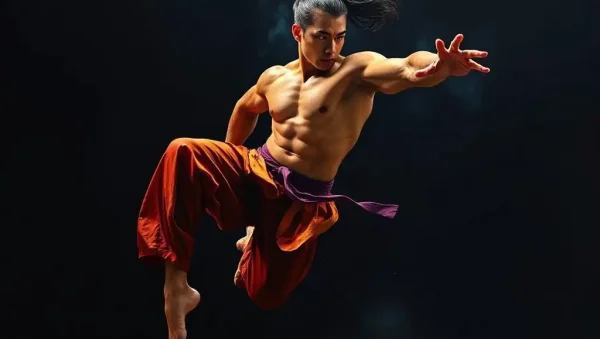
🐯 Explore the profound duality of the Hung Gar Crane Tiger Form on MartialArtsMastery.org. Uncover the intricate balance of yielding softness and…
Read article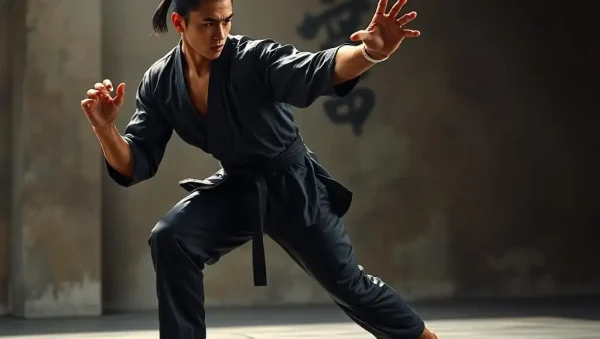
🥋 Mastering Hung Gar stance correction tips is essential for unleashing your full power. Proper alignment and balance improve technique, prevent injury,…
Read article
🌟 Discover the transformative power of Hung Gar internal alchemy training, a vital path to inner development that enhances martial prowess, mental…
Read article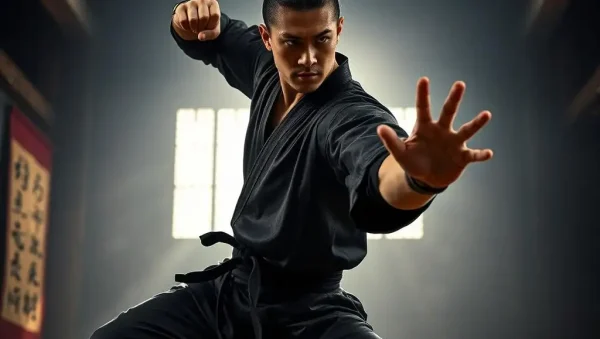
🥋Discover the profound "Hung Gar stance philosophy training" that underpins its powerful, unyielding stances, blending deep philosophical principles with rigorous martial arts…
Read article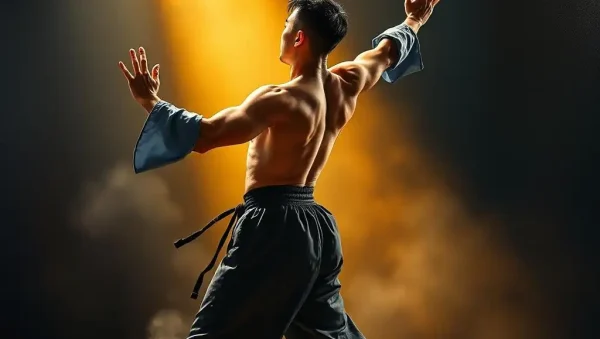
🕊️ Master the "White Crane Spreads Wings," a cornerstone of Hung Gar. This article deconstructs the elegant power and strategic application of…
Read article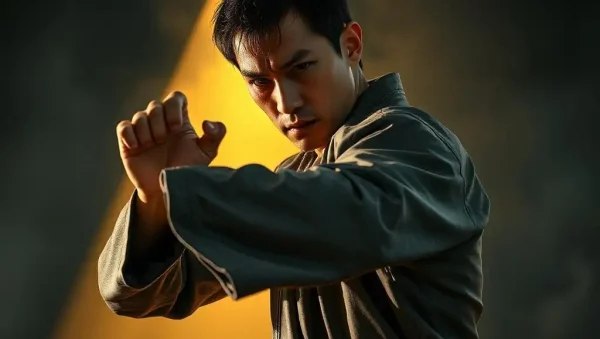
🌟 Discover the art of Hok Jui Crane Beak Strike, exploring essential techniques, vital target areas, and effective drills. Master this elegant…
Read article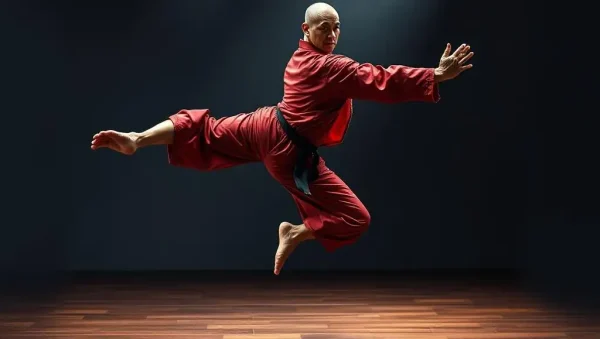
🥋 Unlock the secrets to developing crane-like agility and balance through Hung Gar training. Discover proven techniques that enhance your martial arts…
Read articleHung Gar is one of the most respected southern Chinese martial arts, renowned for its deep, rooted stances, explosive bridge-hand techniques, and the iconic Tiger-Crane combination that blends ferocity with grace. Practiced for centuries, this style emphasizes physical conditioning, structural integrity, and practical self-defense. On this page, you’ll explore the core principles, historical lineage, signature forms, and training methods that define Hung Gar, helping you understand why it remains a pillar of traditional Kung Fu.
The Tiger-Crane system is the heart of Hung Gar, merging the Tiger’s hard, aggressive power with the Crane’s soft, evasive precision. The Tiger represents muscular strength, relentless forward pressure, and bone-breaking strikes, while the Crane embodies balance, timing, and feather-light redirection. This dual approach teaches practitioners to adapt instantly—using force when advantageous, yielding when necessary. Expect to learn how this synergy creates a complete fighting strategy that overpowers opponents through both brute force and subtle control.
Training in this system involves rigorous stance work, iron-body conditioning, and repetitive practice of the “Three Arches” (feet, spine, arms) to generate whole-body power. The Tiger-Crane sets, such as Fu Hok Seung Ying Kuen, are designed to cultivate both internal energy (qi) and external tensile strength. By mastering this duality, you’ll develop explosive striking, resilient defense, and the mental calm needed to read an adversary’s intentions. This is not just a fighting method but a path to physical and psychological balance.
Hung Gar stances are famously low, wide, and immovable, with the Sei Ping Ma (horse stance) as the cornerstone. Unlike many northern styles that prioritize mobility, Hung Gar glues you to the ground, building extraordinary leg strength and stability. Other essential stances include the Ding Ji Ma (arrow-bow stance), Gau Ma (twisted stance), and Mai Ma (cat stance), each serving specific offensive or defensive roles. These positions are drilled for hours, often with weighted rings or stationary holds, to forge a foundation that can’t be toppled.
Beyond physical stability, these stances train the mind to remain composed under pressure. The low centers of gravity allow for powerful pushing, pulling, and sweeping actions, while the constant shifting between stances develops coordination and body awareness. You’ll discover that mastery of stances is not just about static holding but about seamless transitions that enable explosive power generation. For beginners, expect sore legs and frustration; for veterans, expect a lifetime of deepening balance and root-like connection to the earth.
Hung Gar’s traditional forms are living textbooks, each containing multiple fighting applications (chai). The most famous is Fu Hok Seung Ying Kuen (Tiger-Crane Double Form), which sequences over 100 movements, combining both animal archetypes. Other core forms include Lin Wan Kuen (Continuous Linking Fist), Tit Sin Kuen (Iron Wire Fist), and the Moi Fa Kuen (Plum Blossom Fist), each focusing on different facets—speed, internal force, or close-quarter trapping. Learning these forms is like memorizing a complex musical score; the movements flow into a rhythmic, combat-ready dance.
Conditioning is equally vital, using iron palm bags, wooden dummies (mook jong), and partner drills to harden body surfaces and develop striking power. The classic Gung Gee Fook Fu Kuen (Taming Tiger Fist) emphasizes explosive, full-body force through dynamic tension exercises. Practitioners also practice Chi Shuh (sticky hands) to refine tactile sensitivity. Expect to sweat profusely, as these drills build functional muscle, tendon strength, and the ability to absorb and deliver punishing strikes—making Hung Gar a quintessential “hard” style for real-world encounters.
Hung Gar traces its origins to the Southern Shaolin Temple and the struggle against the Qing Dynasty in the 17th century. Legend credits Hung Hei-goon, a tea merchant and rebel, with founding the style after escaping temple destruction, later passing it to his wife Fong Wing-chun (not to be confused with Wing Chun’s founder) and his son. The style was later popularized by the legendary Wong Fei-hung (1847–1924), a folk hero in Guangdong, whose story has been immortalized in films and novels. His student Lam Sai-wing further systematized the forms, ensuring their survival.
This historical tapestry is rich with accounts of challenge fights, healing arts, and patriotic uprisings. Hung Gar instructors often emphasize lineage, with students reciting genealogies and understanding the cultural context behind each technique. By studying this history, you’ll gain appreciation for the martial art as a vehicle for preserving Chinese identity during turbulent times. Expect to encounter myths, but also verified records that showcase Hung Gar’s evolution from battlefield combat to a structured, philosophical system still practiced worldwide.
Hung Gar training is methodical and progressive, beginning with basic stances and stepping, then moving to single techniques, combinations, and finally forms and sparring. A typical session includes warm-up stretching, sik ma (stance work), jong fat (posture training), and partner drills for timing and distance. Sparring, when permitted, is often semi-contact with protective gear, focusing on close-range bridge fighting and low kicks. The style’s self-defense applications are direct: intercepting attacks with hard blocks, followed by simultaneous counter-strikes to vital areas.
What sets Hung Gar apart is its emphasis on banking force—using body weight and ground reaction to generate devastating impacts without excessive muscular tension. Self-defense scenarios often involve dealing with grabs, punches, and multiple attackers, translating traditional techniques into practical responses. You’ll also learn basic Dit Da (herbal medicine) for minor injuries, reinforcing the martial artist’s responsibility for bodily health. Whether you seek fitness, discipline, or effective combat skills, Hung Gar offers a time-tested path that builds resilience and confidence.
Hung Gar is a southern style focusing on low, stable stances and short-range, powerful strikes, unlike northern styles that use high kicks and wide, mobile movements. It emphasizes body structure and conditioning over acrobatic agility, making it ideal for close combat and building exceptional lower-body strength.
Yes, Hung Gar’s practical applications are designed for real-world situations, including defenses against grabs, punches, and multiple attackers. Its emphasis on bridge control and explosive counters works well in confined spaces. Regular sparring and scenario drills help bridge the gap between forms and live combat, though modern practitioners often supplement with cross-training in boxing or ground fighting.
The full Fu Hok Seung Ying Kuen can take 2-4 years of consistent practice to memorize and perform with correct mechanics, given its length and complexity. However, understanding its applications and internal power requires decades. Beginners typically learn simplified versions or individual sections first, progressively building depth under an experienced instructor.
No, Hung Gar is designed to build strength through training. Starting students focus on proper alignment and relaxed movement, gradually increasing intensity with weighted stances and conditioning drills. Over time, you’ll develop exceptional leg strength, forearm density, and core stability, regardless of your starting fitness level. Safety is a priority, so instructors modify drills for age or injuries.
Online lessons can teach basics, form sequences, and theory, but they cannot replace critical corrections of posture, timing, and partner sensitivity. For safety and true skill development, in-person instruction is strongly recommended. Many schools offer hybrid models, where online videos supplement face-to-face classes, but seek a certified instructor for hands-on practice to avoid developing bad habits.







