Advanced Trapping Chains in Northern Praying Mantis Kung Fu
🥋 Discover the intricate techniques of Northern Praying Mantis trapping chains, a masterful martial arts skill emphasizing precision, timing, and strategic control.…
Read article
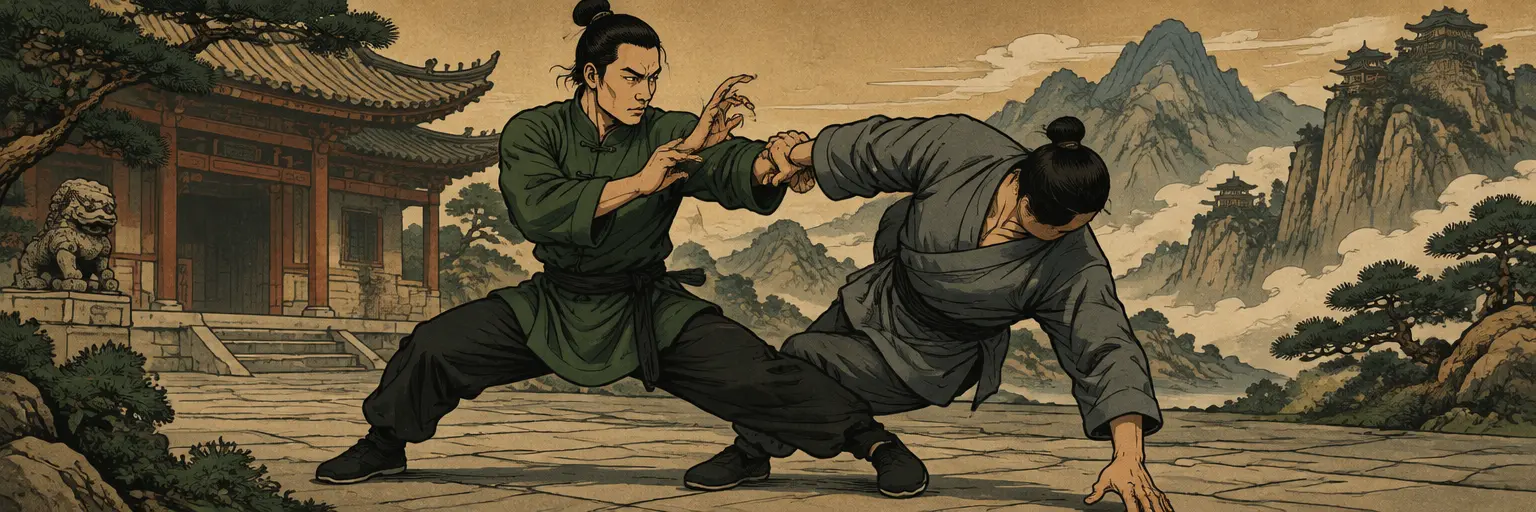
Northern Praying Mantis Kung Fu is a powerhouse of close-quarters combat, and its trapping and sweeping techniques are the secret weapons that set it apart. 🥋 This style’s lightning-fast hand work is designed to control, deflect, and lock an opponent’s limbs, creating the perfect opening for a decisive strike. Meanwhile, the intricate footwork and low-line sweeps disrupt balance and topple even the most grounded adversaries, turning defense into offense in a heartbeat. By mastering these precision movements, you’ll learn to read an attacker’s intent, neutralize their power, and dominate the fight with fluid, deceptive rhythm. Perfect for self-defense and competitive sparring, these techniques emphasize economy of motion, structural integrity, and explosive timing. Whether you’re a seasoned practitioner or a curious beginner, diving into this specialized aspect of Praying Mantis will sharpen your reflexes, deepen your understanding of body mechanics, and give you a tactical edge that’s both practical and historically rich. Unlock the ancient wisdom of this legendary art and transform your martial toolkit today. ⚔️
🥋 Discover the intricate techniques of Northern Praying Mantis trapping chains, a masterful martial arts skill emphasizing precision, timing, and strategic control.…
Read article
🥋 Discover the art of Praying Mantis trapping sweep drills, essential for mastering fluid transitions between trapping and sweeping techniques. Enhance your…
Read article
🥋 Unlock the secrets of Praying Mantis flow drills by mastering advanced combinations of traps and sweeps, enhancing your martial arts repertoire.…
Read article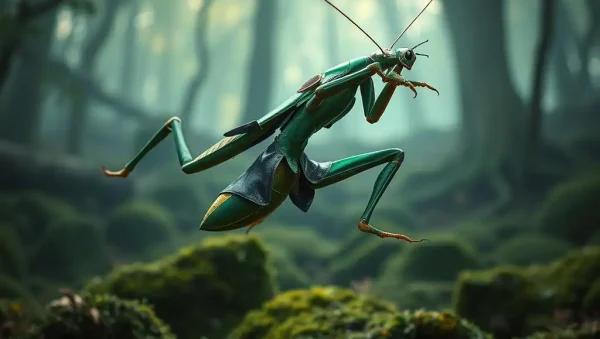
🤼♂️ Discover the intricate Northern Praying Mantis footwork traps and sweeping techniques that showcase agility and deception, essential for mastering this legendary…
Read article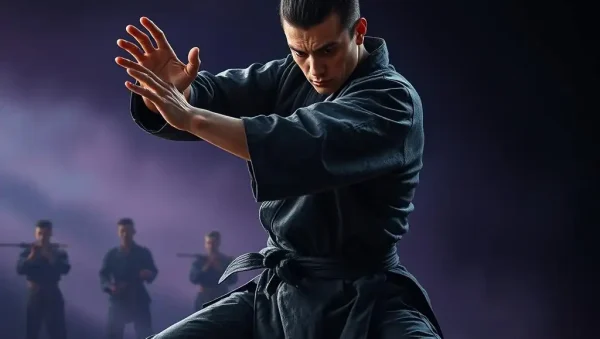
🥋 Discover how Partner Drills for Realistic Praying Mantis Sweep Training enhance your martial arts skills by simulating authentic combat scenarios, improving…
Read article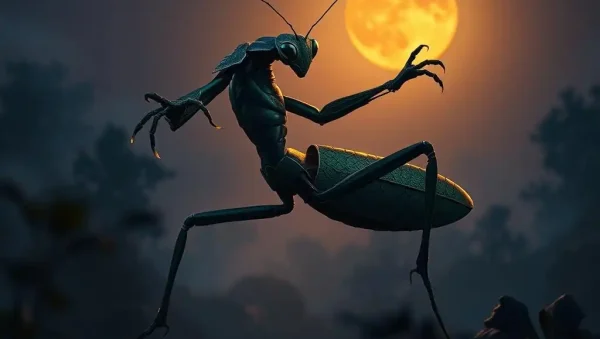
🌟 Discover the art of Northern Praying Mantis trapping sweeps, a unique martial arts technique emphasizing precision and fluid motion. Explore how…
Read article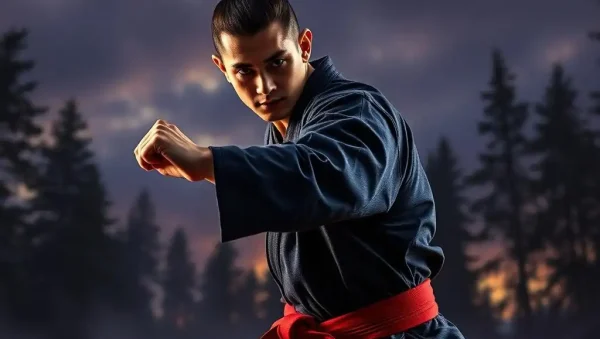
🤼♂️ Discover the art of Northern Praying Mantis sweeping techniques, mastering advanced combinations that enhance control and efficiency. This article explores innovative…
Read articleDiscover the explosive efficiency of Northern Praying Mantis (Tang Lang Quan), a style renowned for its lightning-fast hand trapping, relentless forward pressure, and devastating lower-body sweeps. Within this subcategory, we dissect the two most combat-critical skill sets—trapping (controlling limbs to create openings) and sweeps (uprooting opponents to end fights)—while grounding every technique in historical context and practical self-defense applications. Whether you're a beginner seeking clarity or an advanced practitioner refining your close-quarters timing, these focused guides transform abstract principles into repeatable, instinctive movements.
Trapping in Northern Praying Mantis is not about grabbing for its own sake—it’s a systematic method of sensory interception, where your hands "listen" to the opponent’s pressure and redirect their force. Expect detailed breakdowns of classic techniques like Bung Bo (catching hand), Tsoi Ma (seizing step), and the signature Biu Sau (darting hand), each paired with drills to develop forearm sensitivity and reaction speed. You’ll learn how to chain multiple traps seamlessly, using each successful contact to blind, unbalance, or expose a strike window.
Beyond mechanics, this section emphasizes trapping as a psychological weapon—constant touching forces opponents into reactive mode, robbing them of their game plan. We’ll cover common counters (like elbow deflections) and how to transition from trap to takedown or strike without hesitation. Practical self-defense scenarios, such as defending against a grab or a wild haymaker, show you how to apply these same principles under adrenaline, ensuring your hands never freeze when contact begins.
Sweeps are the hidden gem of Northern Praying Mantis, often overshadowed by its hand work but equally devastating. This subcategory breaks down three primary families: low, mid, and high sweeps, each with specific footwork, hip alignment, and timing cues. You’ll learn the Jen Tui (front sweep), Hang Tui (crane leg sweep), and advanced Kwa Tui (hooking sweep), all demonstrated with clear visual sequences and common mistakes to avoid—such as telegraphing your intent or overextending your stance.
Effective sweeping isn’t just about leg strength; it’s about setting up the fall through trapping, weight shifting, and angle creation. We’ll show you how to use a successful trap to pull the opponent’s weight onto their lead leg, making that leg a perfect target for a horizontal shin or ankle hook. You’ll also practice sweeps against both static and moving partners, learning to read balance shifts and commit to the finish. Crucially, we cover post-sweep follow-ups: how to land in a dominant position, deliver a finishing strike, or transition to a joint lock on the ground.
Real combat rarely offers a single clean technique, which is why this subcategory emphasizes sequencing traps and sweeps into fluid combos. Expect structured drills that pair a trapping entry (e.g., Bung Bo catch) with an immediate sweep on the same side, forcing the opponent to choose between blocking your hand or losing their base. We’ll also explore reverse combinations—starting with a feinted sweep to open a high-line trap—teaching you to keep your attacks varied and unpredictable.
Each combination drill includes progression levels, from slow, cooperative practice to full-speed sparring scenarios. You’ll learn to "stack" techniques so that each action solves the problem the previous one created, mimicking traditional Lien Huan Tui (continuous leg) methods. Video breakdowns highlight the exact foot placement and hip rotation needed to generate maximum sweeping torque, while partner feedback checkpoints help you refine timing and distance. These integrated routines are your bridge from isolated practice to instinctive, battle-ready application.
Beyond raw technique, Northern Praying Mantis demands a strategic mindset that prioritizes interception over reaction. This section covers the core concepts of Chieh Sau (intercepting hands) and Biu Jee (thrusting fingers), teaching you to attack the opponent’s intent rather than their movement. You’ll learn how to maintain a five-point contact mindset—hands and legs working in simultaneous harmony—so that every trap feeds a sweep and every sweep sets up a new trap, creating an unbroken offensive rhythm.
Practical sparring templates are provided for both free-flowing and limited-rule scenarios, helping you apply these principles under pressure. We also address common tactical pitfalls, like chasing hands or overcommitting to a single sweep, and offer corrective cues drawn from traditional mantis proverbs. The goal is to internalize the style’s famous “six harmonies” (body, mind, and breath working as one) so that your trapping and sweeping become as natural as walking—unthinking, immediate, and devastatingly effective.
Trapping and sweeps are not just for the ring; they’re exceptional tools for real-world self-defense where opponents may be untrained but highly aggressive. This section translates classical techniques into simple, high-percentage responses to common attacks: a push, a grab on the collar, a swinging punch, or a tackle attempt. You’ll learn how to use a low front sweep to instantly end a physical confrontation without striking, minimizing both legal and physical risk.
We also cover environmental adaptations, such as using walls or uneven ground to enhance a sweep’s effectiveness, and how to perform traps while holding a bag or wearing bulky clothing. Safety-wise, we emphasize de-escalation first, with techniques taught as last-resort options when escape is impossible. Each application includes a "what if" analysis—what if the opponent throws a second punch, steps back, or grabs your leg—ensuring you’re not left with a single-solution mindset. By the end, you’ll view every street encounter through the lens of control and termination, not prolonged exchange.
To truly master trapping and sweeps, you must understand their origins. This subcategory offers a concise history of Northern Praying Mantis, from its legendary creation by Master Wang Lang in the 17th century, who combined Shaolin monk techniques with observations of praying mantis fighting behavior. Learn how the style’s emphasis on sticky hands and low base evolved from battlefield needs, where soldiers in armor needed to control limbs without relying on heavy strikes. It was Wang Lang’s innovative integration of mantis-like plucking and rapid footwork that gave birth to the trapping and sweeping arsenal you practice today.
We also trace the style’s modern adaptations, including its incorporation into wushu demonstration (where sweeps are highly stylized) and self-defense systems like military combatives. Discover how contemporary instructors have refined training methods—using resistance bands, reaction bags, and video analysis—while preserving the core principles of momentum and redirection. Interviews with lineage holders offer first-hand insights into how trapping and sweeps are taught in traditional schools versus modern academies, highlighting what remains timeless versus what has evolved for safety and sport. This historical grounding enriches your practice, reminding you that every sweep carries centuries of tactical wisdom.
No, but a basic foundation in stances and footwork helps. This subcategory includes beginner-friendly progressions for both trapping and sweeps, starting with slow, simple movements. If you’re brand new, focus on the footwork drills first—they build the balance and coordination essential for both skills. Expect a learning curve of several weeks for basic coordination, but with consistent practice, even absolute beginners can safely execute fundamental sweeps and traps.
It depends on the ruleset. In traditional kung fu competitions, sweeps are generally allowed and often scored highly. In sport karate or kickboxing, low sweeps targeting the ankle or calf are frequently permitted, but full-leg sweeps that take the opponent to the ground may be restricted. Always check the specific tournament’s rulebook. For self-defense, the legality depends on local laws—sweeps considered reasonable force against an attacker are usually acceptable, but excessive force can lead to charges.
With dedicated practice (4–6 hours weekly), most students begin to instinctively trap within 6–12 months. The key is consistent partner drilling—your hands must learn to read pressure, not just execute memorized movements. Start with slow, compliant partners to build sensitivity, then gradually increase speed and resistance. Many practitioners report a breakthrough around the 1-year mark where trapping becomes reflexive, but it varies based on previous experience and training frequency.
Yes, but technique and timing become critical. Trapping excels against larger opponents because it negates strength by redirecting force, while sweeps exploit balance—a larger person often has a higher center of gravity. However, you must avoid muscling movements and commit fully to good angle work. Using a sweep when your opponent is mid-step or shifting weight is far more effective than a static attempt. Practice against bigger partners regularly to internalize these adaptations.
Solo practice focuses on form and mechanics. Use a heavy bag or a wooden dummy (if available) to simulate a leg target. Perform slow, controlled sweeps against a stationary post, emphasizing hip rotation and ankle contact. Additionally, practice “shadow sweeps” in front of a mirror, marking your foot’s trajectory. Balance drills—like standing on one leg while swinging the other—build the stability needed. For timing, watch videos of your own practice to spot telegraphs, then drill repeatedly until smooth.







