Lethwei (Burmese Boxing): Headbutts and Bare-knuckle Striking
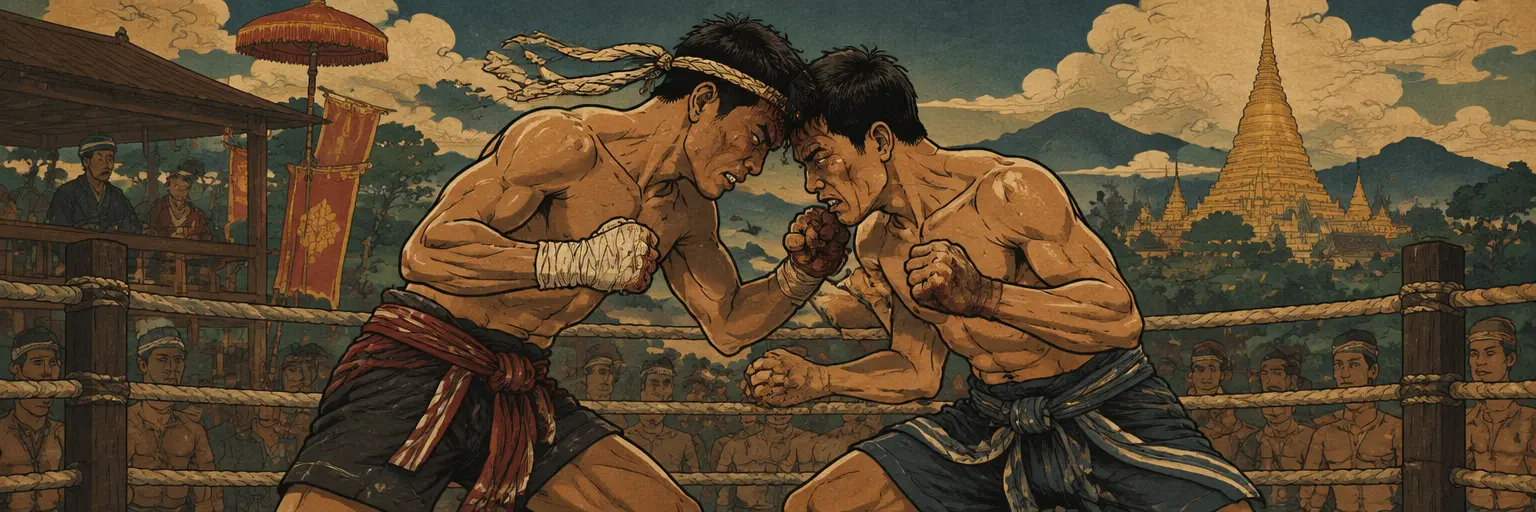
Lethwei, also known as Burmese boxing or the "Art of 9 Limbs," is one of the most brutal and authentic striking martial arts in existence. Unlike Muay Thai, which uses eight limbs (fists, elbows, knees, shins), Lethwei incorporates the head as a ninth weapon, allowing headbutts that can split skin and turn fights into raw tests of will. Practiced bare-knuckle with only tape and gauze, this ancient combat sport from Myanmar is steeped in tradition, warrior ethos, and uncompromising physical conditioning. On this page, you will uncover the history, techniques, training methods, rules, and cultural significance of Lethwei, helping you decide if this ferocious art is right for your martial arts journey.
🥊 The Origins and Cultural Roots of Lethwei
Lethwei traces its lineage back over a thousand years to the Pyu and Mon kingdoms of what is now Myanmar. It evolved from military training and village festivals, where fighters would battle for pride, prizes, and the favor of local chiefs. Unlike codified sports like boxing or Muay Thai, Lethwei was intentionally kept raw—no gloves, no protective gear, and minimal rules—reflecting the belief that a true warrior must endure pain without comfort. The sport remains deeply tied to Burmese Buddhist traditions, with fighters performing the *Lerwetha* dance and praying before bouts to honor spirits and ancestors.
Today, Lethwei is experiencing a global renaissance, with fighters from Myanmar competing against international opponents in promotions such as World Lethwei Championship (WLC). The cultural significance cannot be overstated: in Myanmar, a successful Lethwei fighter is a national hero, and victories are celebrated with parades and traditional music. For enthusiasts of martial arts history, Lethwei offers a living link to ancient Southeast Asian combat, untainted by modern sportification. Understanding its roots helps practitioners appreciate Lethwei as more than just a fighting system—it is a rite of passage, a spiritual discipline, and a testament to human resilience.
👊 Core Techniques: Headbutts, Bare-knuckle Strikes, and Clinch Work
The defining feature of Lethwei is the headbutt, which is fully legal and can be delivered from standing, clinch, or even as a defensive counter. Skilled Lethwei fighters use the forehead—the hardest part of the skull—to target an opponent’s nose, brow, or chin, causing deep cuts that often force doctors to stop fights. Beyond headbutts, bare-knuckle punches and elbow strikes are thrown with devastating rotation, while low kicks from shins and kneestrikes in the clinch wear down opponents over multiple rounds. The clinch is not just a holding position but a dynamic grappling exchange where fighters off-balance and strike at will.
Training for these techniques requires exceptional head and neck strength, as well as pain tolerance. Practitioners perform “headbutt conditioning” by striking heavy bags, pads, and even wooden posts with the forehead. Footwork is minimal compared to Western boxing—Lethwei favors forward pressure and aggression. Defensively, fighters use head movement, shoulder rolls, and hard blocks with shins and arms, but the lack of gloves means shock absorption is poor, so parrying and deflection are essential. For a complete striking foundation, Lethwei’s nine-limb system offers a brutal but effective toolkit applicable to MMA and self-defense scenarios.
🛡️ Rules, Scoring, and the Fight Experience
Traditional Lethwei bouts are fought over five three-minute rounds with two-minute breaks, under the supervision of a referee and a panel of judges. The most distinctive rule is the “Fight to the Finish” tradition: unless a knockout occurs, the bout is declared a draw, even if one fighter clearly dominated. This rule was modified in modern promotions to allow judges to award points, but many traditional bouts still honor the knockout-only principle. Fighters are bare-knuckle, with only tape and cotton gauze around the wrists, and headbutts are legal—making cuts and stoppages very common. Mouthguards and groin protections are allowed, but no headgear or gloves are ever permitted.
The fight experience is intense and visceral, with crowds often shouting encouragement in Burmese and drumming to a rhythmic beat. Unlike Western sports where safety is paramount, Lethwei embraces risk as part of its authenticity. Modern rules do allow a count of eight for knockdowns and require doctors to assess severe bleeding, but the ethos remains: fight until someone can no longer continue. For spectators, Lethwei matches are exhilarating, raw displays of courage. For practitioners, understanding these rules is crucial—you must learn to pace yourself for multiple rounds while constantly hunting for a knockout, because a decision win is rarely achievable in traditional settings.
🏋️ Training Methodology and Conditioning for Lethwei
Lethwei training is famously grueling, often described as “running a marathon while getting hit by a truck.” A typical session includes hours of shadowboxing, heavy bag work, pad drills, and sparring—but sparring in Lethwei is exceptionally hard, with fighters frequently landing headbutts and heavy strikes to simulate real fight conditions. Conditioning is built around calisthenics, rope skipping, and running, but the signature drill is “forehead pressing,” where athletes press their skull against a partner’s or a wall to build bone density and neck strength. Many gyms also include traditional Burmese exercises like carrying heavy logs and hitting tree trunks with shins.
Mental conditioning is equally important. Fighters practice meditation and visualization to control fear and pain, learning to remain calm under extreme pressure. Recovery is often short, as many traditional fighters compete multiple times in a single festival. For a beginner, jumping into full-contact sparring is dangerous, so reputable schools start with technical drills and light contact, gradually increasing intensity. Because Lethwei lacks a widely standardized belt system, progression is often measured by fight record and demonstrated endurance. If you seek a martial art that forges extreme toughness and practical striking, Lethwei’s training will transform both body and mind—but only if you respect its intensity and commit fully.
🌏 Lethwei vs. Muay Thai: The 9-Limb Difference
While Lethwei is often compared to Muay Thai, the differences are profound beyond the extra weapon. In Muay Thai, gloves, elbow pads, and a focus on scoring points create a more strategic, techniqued style. Lethwei’s bare-knuckle reality means punches are less frequent but harder, and elbows are sharper, increasing the likelihood of cuts. Headbutts change the entire distance management—fighters must be wary of closing the gap, as a sudden head clash can end the fight. Clinch work in Lethwei is also more aggressive, with fighters actively seeking headbutt opportunities rather than just controlling posture for knees.
From a self-defense perspective, Lethwei’s lack of gloves better simulates real bare-hand combat, where bones can break on a solid skull. The inclusion of headbutts provides a devastating close-quarter weapon that is rarely taught in other arts. However, Muay Thai’s structured ranking and broader international competition offer more predictable progression. Ultimately, choosing between them depends on your goals: Muay Thai offers a safer, sportive path with deep technique; Lethwei offers raw, primal effectiveness with higher risk. Many MMA fighters cross-train both, but Lethwei’s unique attributes—especially defensive headbutting to neutralize takedowns—are being increasingly recognized in modern combat sports.
Frequently Asked Questions
Is Lethwei legal in professional competitions outside Myanmar?
Yes, but with variations. Promotions like World Lethwei Championship operate in Japan, Europe, and the US, but local athletic commissions often impose restrictions. Some allow headbutts but require wearing thin MMA-style gloves for safety, while others ban headbutts entirely. Traditional Myanmar rules still apply in festivals, but international bouts typically adopt modified rules to reduce severe injury while preserving the essence of the art.
How dangerous is training Lethwei compared to other striking arts?
Due to bare-knuckle striking and full-contact headbutts, Lethwei carries higher risks for cuts, concussions, and hand fractures. However, responsible gyms use protective pads during drills and limit full-impact headbutts in daily sparring. Chronic injuries are similar to Muay Thai, but acute trauma is statistically more common. Always wear a mouthguard and avoid gyms that encourage reckless sparring.
Can a beginner start Lethwei with no prior martial arts experience?
Yes, but it requires a high pain tolerance and commitment. Beginners should find a certified instructor who emphasizes technique and safety rather than immediate full contact. Starting with conditioning and defensive drills is essential. Expect soreness and bruises as your body adapts, but with proper coaching, you can progressively build the toughness needed without unnecessary injury.
What is the "Art of 9 Limbs" in Lethwei?
The “9 limbs” refer to two hands, two elbows, two knees, two shins/feet, and the head. Unlike Muay Thai’s eight limbs, the head is a unique weapon used for headbutts. Practitioners condition the forehead extensively, making it a devastating tool for close-range offense and defense. Mastering the 9 limbs increases striking versatility and unpredictability in combat.
Are there weight classes and protective gear in Lethwei?
Modern promotions use weight classes (e.g., featherweight, lightweight) for fairness, but traditional festival fights are often open-weight. Protective gear is minimal: mouthguard, groin guard, and hand wraps (tape and gauze). Headgear, gloves, and elbow pads are never allowed in pure Lethwei. This stark simplicity is core to the art’s identity—pure skill and will, without technological safety nets.