Titans of Tireurs: Profiling Legendary Savate Masters Through History
🔥 Discover the legacy of Savate's greatest champions on MartialArtsMastery.org. Explore their journeys and unlock the secrets of Savate master training techniques…
Read article
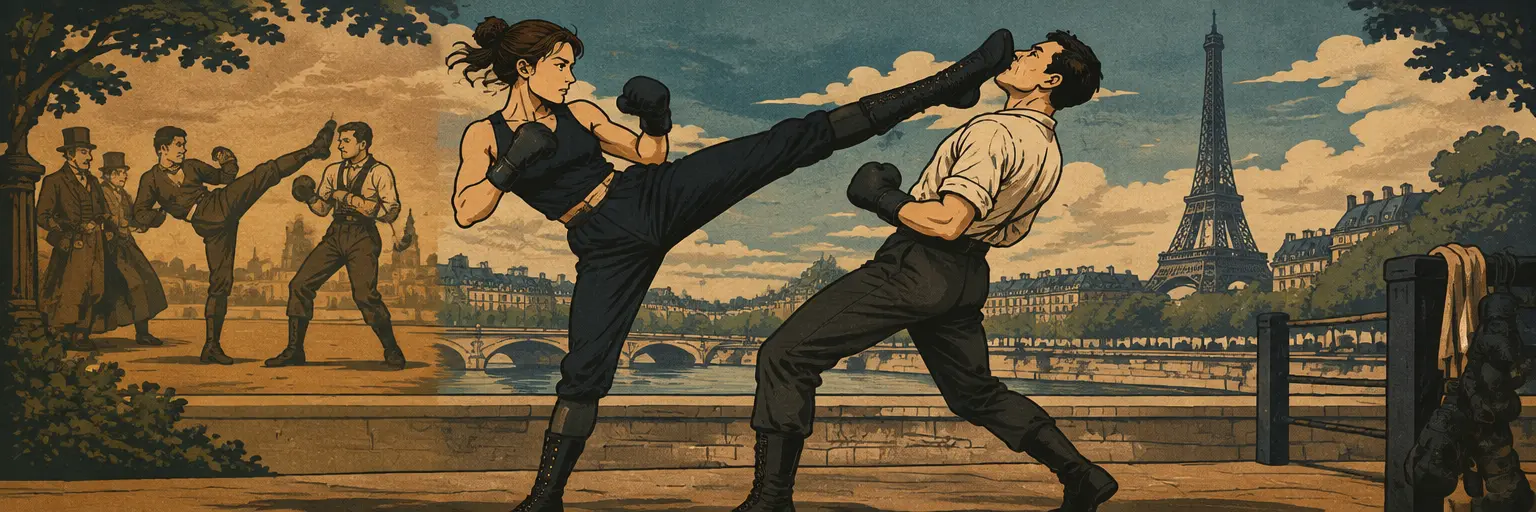
Discover the captivating world of Savate, the elegant yet ferocious French kickboxing art that blends ballet-like footwork with devastating chaussures (booted strikes). Unlike other kickboxing styles, Savate’s unique history dates back to 19th-century Paris, where street fighters and sailors melded traditional French boxe française with high, precise kicks—earning it the nickname “the art of the boot.” This discipline emphasizes speed, accuracy, and timing over brute force, using targeted kicks to the shins, knees, and head, all while maintaining a graceful, upright posture. From its roots in Marseille’s docks to its evolution into a modern competitive sport and self-defense system, Savate offers a distinctive blend of technical rigor and cultural heritage. Whether you’re a martial arts enthusiast or a curious beginner, mastering Savate’s techniques—like the chassé, fouetté, and revers—will transform your striking game and deepen your appreciation for French combat tradition. Dive into his storied past and unlock a disciplined path to agility, mental focus, and real-world effectiveness.
🔥 Discover the legacy of Savate's greatest champions on MartialArtsMastery.org. Explore their journeys and unlock the secrets of Savate master training techniques…
Read article
🗡️ Discover how Canne de Combat and Bâton Français, rooted in rich history, offer effective modern self-defense strategies. Explore French cane self-defense…
Read article
🥋 Unlock the secrets of Savate progression! Our article deciphers the significance of glove colors, revealing the Savate rank color meanings that…
Read article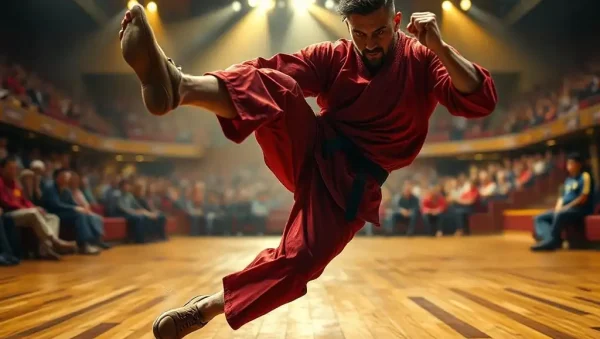
🥋 Master the art of attending Savate tournaments worldwide with our comprehensive spectator's guide. Discover optimal Savate tournament viewing strategies, understand judging…
Read article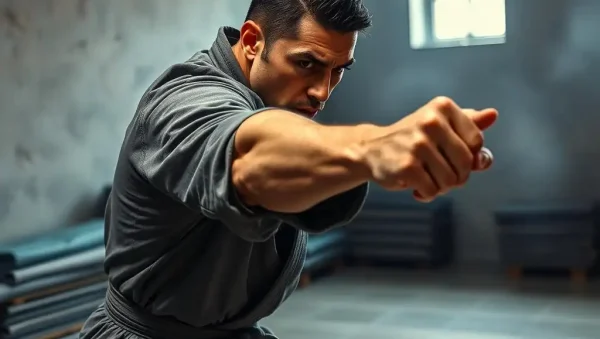
🚀 Savate training common mistakes can hinder progress and increase injury risk. Learn how to recognize and avoid these pitfalls with expert…
Read article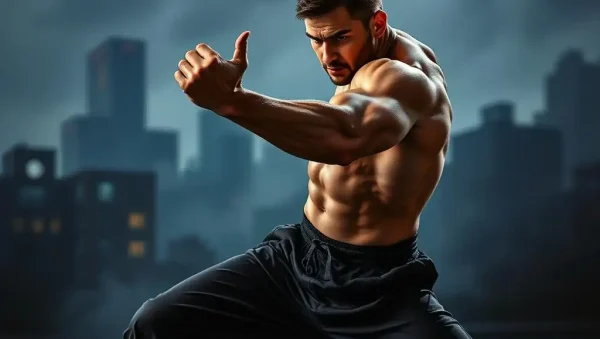
🤺 Discover how Savate defense anticipation techniques empower practitioners to predict and counter attacks with precision, transforming reactive responses into proactive defenses.…
Read article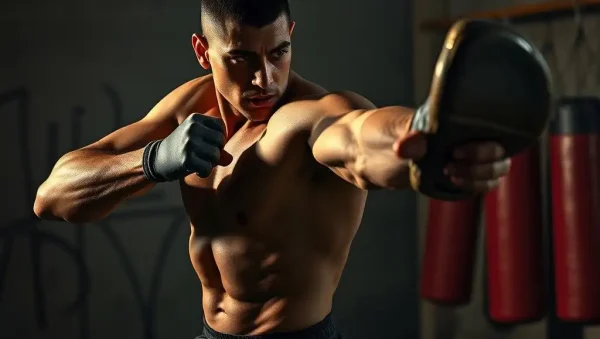
🚀 Discover how Savate cross training benefits can elevate your martial arts prowess by enhancing agility, balance, and power. Explore complementary disciplines…
Read articleWelcome to MartialArtsMastery.org's deep dive into Savate (French Kickboxing), a refined yet devastating combat sport that blends elegant footwork with powerful kicks. Unlike traditional kickboxing, Savate is defined by its use of chaussures (lightweight shoes), historical fencing principles, and a unique scoring system. This subcategory unlocks the complete journey of Savate—from its 19th-century Parisian streets to modern international rings—while detailing precise techniques, training progressions, and its philosophical core of precision over power. Perfect for practitioners, historians, and self-defense enthusiasts, this page serves as your comprehensive gateway to mastering la boxe française.
Savate traces its roots to early 19th-century Marseille and Paris, where sailors and street fighters combined headbutts, slaps, and high kicks with existing English boxing. The pivotal figure was Charles Lecour, who in the 1830s integrated English boxing gloves and punches into the French kicking style, creating the modern hybrid. Later, Joseph Charlemont systemized the curriculum, establishing the salle d'armes (fencing hall) structure that persists today. The sport gained international fame through exhibitions, survived near-extinction after WWII, and was officially recognized by the International Savate Federation (FISav) in 1985. Today, Savate boasts world championships and is inching toward Olympic inclusion, showcasing its resilience and modern appeal.
This historical lens not only enriches your appreciation but also explains why Savate emphasizes distance management—a legacy of its fencing heritage. Unlike Muay Thai’s clinch-heavy approach, Savate rewards fighters who maintain a perfect chassé (side kick) at range. The evolution from street brawling to a codified sport carries valuable lessons in discipline: early practitioners had to balance brutal effectiveness with social respectability. For historians, this subcategory offers rare primary-source analysis of how a martial art adapts to cultural shifts, making it invaluable for understanding the global spread of combat systems.
The technical foundation of Savate rests on four main kicks: the fouetté (whip kick), chassé (side kick), revers (roundhouse), and coup de pied bas (low kick), each executed with pointed toes and shoe-accelerated snap. Unlike barefoot arts, Savate’s chaussures add both protection and a unique striking surface, allowing for precise toe-kicks that mimic fencing lunges. Punches mirror Western boxing—jabs, crosses, hooks—but with a distinctly upright posture that facilitates rapid kicking transitions. The scoring system rewards technique and footwork over raw power, requiring perfect control and balance. Training emphasizes shadowboxing, bag work, and pao drills to build the explosive hip rotation essential for effective kicks.
What sets Savate apart is its integrated defensive footwork—practitioners use shifts, pivots, and the pas de côté (side step) to create angles for counter-attacks. For self-defense, Savate’s low kicks are devastatingly practical, targeting shins and knees without sacrificing balance. This subcategory provides step-by-step breakdowns of each kick, common errors, and progressive drills, making it accessible for beginners while offering advanced refinements for seasoned kickboxers. By mastering the snap and recoil of each technique, you’ll develop speed and precision that translate directly to any striking art.
Savate competition splits into two primary formats: Assaut (technical, controlled sparring) and Combat (full-contact, knockout allowed). In Assaut, judges prioritize precision, timing, and clean hits, rewarding flashy but controlled techniques. Combat demands greater physicality, yet still forbids elbow strikes, knee strikes, and clinch fighting. Official bouts last three to five rounds of two minutes, fought in a standard boxing ring. Points are allocated based on valid hits to the torso, head, and legs, with kicks to the head scoring higher. The referee can warn for excessive force in Assaut, maintaining its reputation as a “fencing with feet” discipline.
Understanding these rules is crucial for training and spectating. For newcomers to combat sports, this subcategory demystifies scoring nuances—like why a shallow fouetté might beat a powerful but sloppy revers. For instructors, we include tips on running Assaut sparring sessions that minimize injury while building real-time decision-making. This format-based knowledge also helps self-defense practitioners appreciate how Savate’s rules shape its street-effective techniques, proving that the sport’s constraints are actually its greatest asset in developing situational awareness and restraint.
Beneath the physical elegance lies Savate’s philosophical core: “le beau geste” (the beautiful gesture), emphasizing that technique should be both effective and aesthetically pleasing. This philosophy derives from French military and aristocratic values, where honor and self-control were paramount. Practitioners are taught to respect their opponent as a partner, not an enemy—a principle that reduces ego-driven violence and fosters a lifelong learning mindset. Timing (mesure) is considered sacred, with drills focused on reading an adversary’s intentions rather than overwhelming them with aggression. The art’s motto, “La boxe française est l’art de frapper avec élégance”, reinforces that power comes from perfect form, not brute force.
For modern martial artists, Savate offers a refreshing antidote to hyper-masculine training cultures. Its focus on economy of motion teaches that every movement has purpose, and wasted energy is a sign of poor technique. This subcategory explores how to cultivate patience, breath control, and mental clarity through Savate-specific meditation and visualization exercises. By internalizing these principles, you’ll not only improve your striking but also develop a more balanced approach to conflict—both on the mat and in everyday life. This philosophical depth is what separates Savate from mere kickboxing, positioning it as a complete martial path rather than just a fighting system.
While Savate is a sport, its techniques are highly adaptable for real-world self-defense. The art’s emphasis on low kicks, fast footwork, and striking from unpredictable angles makes it ideal for street encounters where opponents may be untrained or larger. Unlike gym-based sports, Savate teaches you to use a shoe’s hard toe as a weapon, targeting knees, shins, and groin with devastating efficiency. The upright stance allows for quick pivoting away from grabs, and the fouetté can be delivered from close range without telegraphing. Moreover, Savate’s defensive footwork drills—like the pas de côté—help you create escape routes rather than staying locked in a fight.
This subcategory provides a dedicated self-defense module that reinterprets ring techniques for survival scenarios. You’ll learn how to use distances, environmental obstacles, and clothing to your advantage. We also cover how to integrate Savate’s kicking power with basic grappling escapes, since street fights often end on the ground. For those without a Savate school nearby, we offer solo drills that mimic shoe-striking mechanics using everyday footwear. By understanding Savate’s self-defense logic, you gain a versatile toolkit that complements other arts, making you a more rounded and prepared martial artist in any confrontation.
Savate excels in creating distance and targeting low kicks, which are highly practical in street confrontations where you want to avoid clinching. Muay Thai’s elbow and knee work is devastating but requires closer engagement. For untrained attackers, Savate’s rapid side kicks to the knee can disable mobility instantly. That said, Muay Thai’s clinch defense is valuable if you get grappled. The best approach is cross-training, but if you must choose, Savate’s footwork offers a safer, faster exit strategy.
Yes, dedicated chaussures de boxe are required for traditional training and competition. They feature thin, flexible soles that allow toe-pointing and ankle maneuverability. Many academies allow beginners to train in athletic shoes initially, but you’ll need proper Savate shoes as you advance to protect feet during kicks. These shoes are lightweight and durable, with a reinforced toe for striking. You can purchase them online or through FISav-approved suppliers, and they typically last several years with regular use.
Absolutely, though live feedback is crucial for safety. Many online programs offer structured video lessons covering footwork, kicks, and drills. For at-home training, focus on shadowboxing and bag work to build muscle memory. However, to avoid injury and correct form, we strongly recommend attending at least a few in-person classes or booking a Zoom session with a certified coach. Start with basics like the fouetté and chassé before progressing to advanced techniques.
Yes, Savate is highly adaptable. The Assaut format emphasizes control and technique over power, making it safe for older practitioners. Many clubs offer low-impact classes focusing on footwork and form without sparring. Beginners start with fundamental kicks and punches, building cardiovascular fitness and flexibility gradually. The upright posture reduces knee strain compared to deep stances. Always check with a physician before starting any new physical activity, but Savate’s gentle entry points make it accessible to most ages.
In Savate, the black belt equivalent is the grade d’argent (silver) or grade d’or (gold), depending on the federation. Typically, it takes 6–8 years of consistent training (2–3 sessions per week) to achieve silver. This includes technical exams, sparring proficiency, and competition experience. Progression is measured in gloves (blue, green, red) for novices, then grades. Dedicated competitors may reach gold in 10 years, but the journey emphasizes lifelong learning rather than speed. Focus on mastery, not speed; the belt is a reflection of your skill, not a race.







