From Flow to Ferocity: The Spectrum of Expression in Regional Indonesian Silat
🥋 Explore the dynamic spectrum of Indonesian Silat expression techniques, from graceful flow to fierce ferocity, revealing the rich cultural heritage and…
Read article

Silat, the breathtakingly fluid and devastatingly effective martial art of the Malay Archipelago, is far more than a single fighting system—it is a living mosaic of regional expressions, each with its own rhythm, philosophy, and lethal grace. From the lightning-fast, low-sweeping strikes of Pencak Silat in West Java to the dramatic, dance-like Bersilat forms of Malaysia’s northern states, this overview reveals how geography, culture, and history have shaped unique combat traditions. Dive into the distinctions between the hard-hitting Harimau (tiger) styles of Sumatra, renowned for their explosive takedowns, and the intricate, circular hand movements of Minangkabau silat, which can disarm an opponent in a heartbeat. Whether you are a seasoned practitioner seeking to broaden your knowledge or a newcomer curious about authentic Southeast Asian martial arts, understanding these regional styles is your gateway to mastering the art’s true diversity. Explore how cultural heritage, ritual, and self-defense interweave in this captivating discipline—perfect for enthusiasts of martial arts history and practical combat techniques alike.

🥋 Explore the dynamic spectrum of Indonesian Silat expression techniques, from graceful flow to fierce ferocity, revealing the rich cultural heritage and…
Read article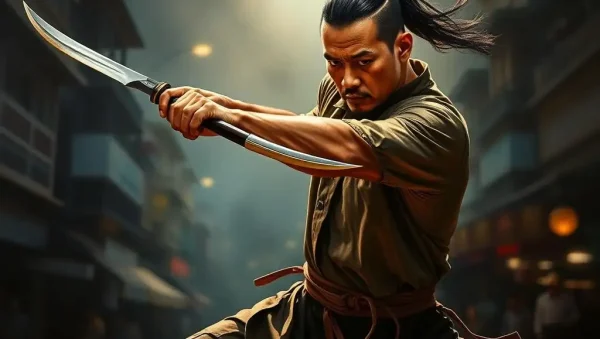
🥋 Discover Betawi Silat, Jakarta's vibrant urban martial art rooted in unique regional influences. Explore its rich history, techniques, and philosophies that…
Read article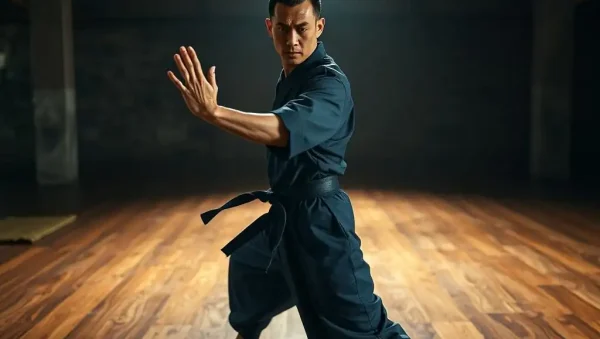
🥋 Discover the essential Silat footwork techniques training that underpins diverse regional styles, highlighting how precise movements and strategic footwork form the…
Read article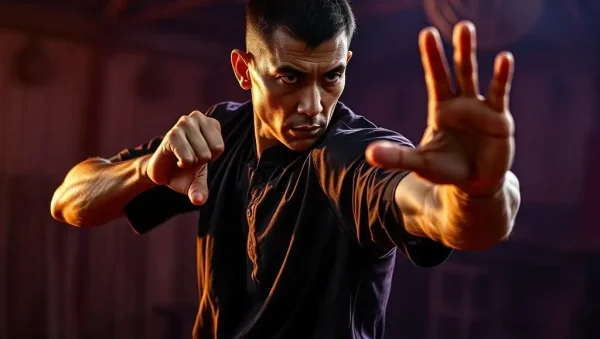
🥋 Discover the rich diversity of regional Silat styles emphasizing unarmed combat techniques. Explore how these traditions blend agility, precision, and philosophy…
Read article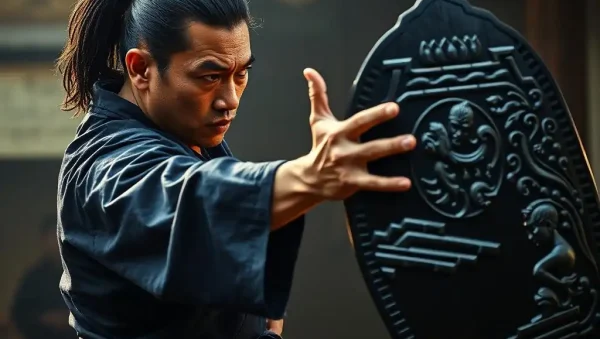
🥋 Discover the rich heritage of Perisai Diri, a unique Javanese Silat system. Explore Perisai Diri techniques training, its philosophical roots, and…
Read article
martial arts mastery.org 🥋 Explore the diverse landscape of Silat Sendeng, revealing its unique regional variations across Malaysia. This deep dive uncovers…
Read article
🌟 Discover the rich diversity of Silat animal forms techniques across Indonesia, featuring iconic movements inspired by the Tiger, Monkey, Crane, and…
Read articleSilat, the collective term for the indigenous martial arts of the Malay Archipelago, is far more than a fighting system—it is a living cultural heritage woven into the fabric of Indonesia and Malaysia. This regional styles overview dives deep into the diverse *pencak silat* landscape, revealing how geography, history, and local customs have shaped distinct fighting traditions. From the flowing, circular motions of Minangkabau *silek* to the explosive, low-stance attacks of Javanese *pencak*, you will discover how each regional variation emphasizes unique footwork, weaponry, and spiritual philosophy. Whether you are a seasoned practitioner or a curious enthusiast, this guide serves as your comprehensive map to understanding Silat's rich tapestry, optimizing your knowledge for both practical application and academic study.
Originating from the highlands of West Sumatra, *Silek Minangkabau* is arguably the most influential regional style, known for its fluid, dance-like movements and profound philosophical depth. Practitioners, or *pesilat*, learn to move with mesmerizing *langkah* (steps) that are both evasive and deceptive, often appearing to retreat before launching a sudden, coiling counter-attack. This style heavily emphasizes the *sikap* (posture) and the *bunga* (flower), a set of elegant, ceremonial movements that mask deadly applications known as *buah* (fruit). The *silek* tradition is inseparable from the *adat* (customary law) of the Minangkabau people, where mastering the art is also a path to personal refinement and community leadership.
Geographically isolated yet culturally expansive, Minangkabau silek produced a diaspora of teachers across the Malay Peninsula, influencing styles like Silat Cingkariq and Silat Lintar. The training is notoriously rigorous, focusing on lower-body strength and *pecut* (whip-like) strikes delivered from unexpected angles. Footwork is not linear; instead, it follows intricate patterns that confuse opponents and create openings for limb destruction, throws, and knife defense. For the martial artist seeking a system that prioritizes intelligence over brute force, this regional style offers a deep well of tactical concepts, making it a cornerstone of any serious study of Silat's regional diversity.
In contrast to the highland agility of Minangkabau, *Pencak* from Central and East Java is characterized by a more grounded, powerful stance, often reflecting the influence of ancient Hindu-Buddhist kingdoms and courtly etiquette. Styles such as *Setia Hati* and *Perisai Diri* emphasize *tenaga dalam* (inner energy), where strikes are delivered with a forceful, whole-body extension that seeks to break an opponent's structure rather than merely strike a limb. The Javanese approach is often more direct and linear, using forearm blocks and spear-hand thrusts, with a strong focus on *kuda-kuda* (horse stances) that are lower and wider than their Sumatran counterparts. This style traditionally incorporates the *keris* (wavy dagger) and the *sabit* (sickle), reflecting its martial origins in royal courts and peasant uprisings alike.
The philosophical underpinnings of Javanese pencak are deeply mystical, with a strong emphasis on *rasa* (feeling) and the harmonization of the physical, mental, and spiritual self. A practitioner is expected to remain calm and unemotional, allowing the technique to flow from a state of *manunggaling kawula gusti* (union with the divine). Training often involves meditation, breathing exercises, and the recitation of *japa* (mantras) to cultivate internal power. For the observer, Javanese pencak appears both slow and explosive, with a rhythm that builds tension before releasing a devastating, committed strike. This regional style is essential for understanding Silat's connection to Southeast Asian mysticism and its application in high-stakes, close-quarters combat.
Born from the melting pot of Jakarta (formerly Batavia), *Silat Betawi* is a gritty, pragmatic, and often brutal street-oriented system that developed among the city's diverse ethnic communities, including Chinese, Portuguese, and Dutch influences. The style is known for its rapid, chopping hand strikes, aggressive low kicks, and a high reliance on *main langkah* (deceptive stepping) to close distance instantly. Unlike its more refined royal counterparts, Betawi silat focuses on ending fights quickly using headbutts, joint locks, and *sabetan* (tripping and throwing) techniques that use the opponent's momentum against them. It also frequently incorporates simple, improvised weapons, such as *golok* (machete) and folded umbrellas, reflecting the resourcefulness of the urban *jawara* (champion).
What sets Betawi silat apart is its uncompromising realism and its close ties to local *nyai* (female spirit) folklore and debus (ritual endurance) practices. Training is often conducted in informal settings, such as *sasana* (home gyms), where the atmosphere is competitive and sometimes harsh, pushing students to develop rapid reflex responses. The style’s signature movement, the *kibas* (shaking step), looks almost erratic but is designed to provoke an attack and create an immediate counter-window. For anyone interested in practical self-defense within urban environments, studying Betawi silat provides a raw, effective template that strips away ceremony and focuses purely on survival, making it a vital segment of the regional style overview.
In Malaysia, Silat is deeply associated with the national identity, with styles like *Silat Gayong* and *Silat Cekak* standing out for their strict curricula and adoption into military and police training. *Silat Gayong*, founded by Datuk Meor Abdul Rahman bin Uda Hashim, emphasizes *buah* (techniques) that are highly organized and often performed with a partner in a *sepak* (dance-like) flow, focusing on take-downs and weapon defenses against knives and sticks. Conversely, *Silat Cekak* eschews acrobatic footwork in favor of a highly effective, economical defense system that relies on controlling the opponent's striking arm immediately and delivering a pre-emptive counter. These Malaysian styles have absorbed influences from across the straits, creating a unique synthesis that focuses on order, hierarchy, and the preservation of Malay customs.
The regional variation here is defined by a pronounced emphasis on *beladiri* (self-defense) rather than sport or art. Training drills, known as *seni silat*, are stripped down to their most functional essence, with heavy repetition of core grappling and striking entries. In Malaysia, Silat is also performed as a *tari* (dance) in cultural festivals, but the martial application remains brutal and direct. The cross-pollination with Indonesian styles is evident, but the Malay practitioners developed their own *jurus* (forms) that prioritize binding and breaking balance. For the student, this regional overview shows how a shared origin can diverge into systems tailored for law enforcement efficiency and nationalistic pride, offering a fascinating study in the evolution of martial arts within a modern state framework.
Regardless of the specific regional expression, Silat is universally infused with a profound spiritual dimension that is often overlooked in Western training manuals. Each style, from the mountainous silek of Sumatra to the urban silat of Betawi, incorporates a unique set of *doa* (prayers) and *isi* (inner essence) that are believed to grant the practitioner heightened awareness and protection. This spiritual component is not merely superstitious; it serves a psychological function, building unshakeable confidence and a calm mind under lethal threat. The *guru* (teacher) acts not only as a physical instructor but as a spiritual guide, passing down secret knowledge of *tenaga dalam* and *ilmu* (mystical science) that connects the fighter to a lineage stretching back centuries.
This reliance on spiritual cultivation means that Silat training is as much about mental discipline as it is about physical conditioning. The *sembah* (salutation) is not just a greeting but a gesture of respect to the art, the teacher, and the cosmos, setting a ritualistic tone for practice. Regional variations in how this spirituality is expressed—such as the Minangkabau focus on *alam* (nature) as a metaphor or the Javanese search for *kasempurnaan* (perfection)—deeply affect the flavor of the techniques. For the modern martial artist, understanding these philosophical roots is crucial for mastering the art’s subtle mechanics, as many movements derive their power not from muscular tension but from a specific mental state and breath control, offering a holistic path to combat mastery that is as relevant today as it was in the past.
Indonesian styles, particularly Minangkabau and Javanese, often emphasize fluid, circular footwork and spiritual depth, with a wide range of internal and external training. Malaysian styles like Silat Gayong and Cekak are typically more pragmatic and structured, focusing heavily on rapid defensive responses and standardized curricula for military or police application.
Yes, Silat is highly effective for close-quarters combat, teaching limb destructions, throws, and blade defense. The emphasis on pre-emptive counters and deceptive footwork trains you to react quickly in chaotic situations, though it requires realistic sparring to translate historical techniques into practical street defense.
No, there is no prerequisite. Beginners often start with a local Silat school, but studying regional differences helps you understand the art's core principles. For instance, starting with the Minangkabau style builds strong footwork, while Javanese styles are better for learning power generation and internal energy.
The most common is the *keris* (wavy dagger), but regional styles also use the *golok* (machete), *sabit* (sickle), and *toyak* (spear). Betawi silat often includes the *celurit* (small curved blade), while Malaysian styles may emphasize the *kedah* (short sword) in forms and sparring drills.
True mastery is a lifelong pursuit, typically taking 5-10 years of consistent practice to achieve high proficiency in one lineage. However, gaining functional self-defense skills can take just 1-2 years, as most regional styles focus on quickly applicable counters and grappling escapes from the start.







