Hydration Strategies for Optimal Training
Proper hydration is the silent multiplier of martial arts performance—it sharpens reflexes, maintains joint lubrication, and prevents the mental fog that leads to sloppy technique. On MartialArtsMastery.org, this subcategory dives deep into the science and practice of fluid intake tailored specifically for combat athletes, from Brazilian Jiu-Jitsu grapplers to striking specialists. Whether you are drilling in a humid dojo or sparring in a dry, heated gym, mastering hydration separates champions from those who gas out mid-round. Explore evidence-based protocols, electrolyte management, and practical scheduling around your most intense sessions.
💧 Daily Hydration Baselines for Martial Artists
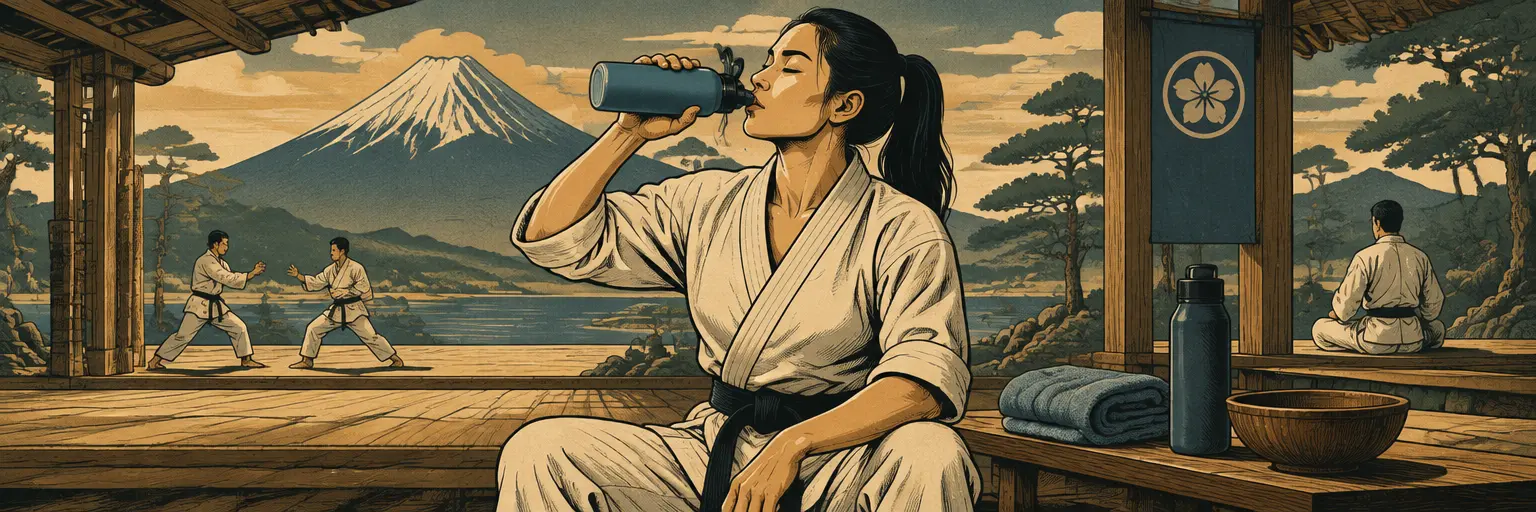
Start with a solid foundation: your body weight, training volume, and sweat rate determine your baseline fluid needs. A typical guideline is 0.5–1 ounce of water per pound of body weight daily, but martial arts training can increase that by 20–50% on hard days. Monitor urine color—pale straw is optimal, while dark amber signals dehydration. Keep a reusable bottle at your mat bag and sip consistently, not just during breaks, to avoid overloading your stomach before explosive movements.
Key takeaway: Hydration is not a pre-workout ritual but a continuous cycle. Weigh yourself before and after training; every pound lost equals roughly 16 ounces of fluid to replace. This simple metric personalizes your intake, and combining it with electrolyte-rich foods like bananas or coconut water ensures your muscles and nerves fire correctly during high-intensity drills.
🧂 Electrolytes: Beyond Plain Water
Water alone is insufficient for martial artists losing sodium, potassium, and magnesium through heavy sweating. Electrolytes regulate muscle contractions and nerve impulses—deficits lead to cramps, dizziness, and reduced power. For sessions over 60 minutes, include a low-sugar electrolyte drink or add a pinch of sea salt to your water. Avoid excessive caffeine before training, as it acts as a diuretic, accelerating fluid loss.
Strategic timing: Consume electrolytes 30–45 minutes before class, then sip diluted solutions during breaks. Post-training, a combination of water, electrolytes, and protein aids recovery. For those cutting weight, be cautious: rapid dehydration can impair cognitive function and reaction time, negating any scale advantage. Hydrate intelligently to keep your techniques sharp, not just your weight class.
⏰ Pre-Training Hydration Protocols
Start hydrating 2–3 hours before your session with 16–20 ounces of water. About 30 minutes prior, drink another 8–10 ounces to ensure your body is primed without causing a sloshing stomach. Avoid carbonated or overly sugary drinks—they can trigger bloating or energy crashes. For morning classes, compensate for overnight dehydration by drinking a glass immediately upon waking and eating a water-rich snack like melon or yogurt.
Timing nuance: If you train fasted or early, your baseline might already be low. Add a pinch of salt and a squeeze of lemon to your first glass—this mimics an oral rehydration solution. Never skip this phase, as starting a session even 2% dehydrated reduces anaerobic performance by up to 10%, directly impacting your striking speed and grappling endurance.
🔄 In-Session Hydration Techniques
During rolling or pad work, your body loses fluid rapidly, but stopping too often disrupts training flow. The solution is micro-sipping: take 1–2 mouthfuls (2–4 ounces) every 15–20 minutes between rounds. Use a squeeze bottle with a nozzle to minimize spillage. For high-intensity sessions exceeding 90 minutes, alternate water with a diluted electrolyte drink to replace losses without overtaxing your stomach.
Practical tip: Train your habits just like your techniques. Place your bottle at the edge of the mat where you can grab it during water breaks. If you notice sticky sweat or a dry mouth mid-session, that is a warning sign. Adjust your intake ratio—more electrolytes for hot environments, more water for cooler, ventilated spaces—and monitor your body's cues religiously.
🌙 Post-Training Rehydration and Recovery
Within 30 minutes after training, replace 150% of your fluid deficit—for every pound lost, drink 24 ounces of fluid. Pair this with a protein-carbohydrate snack (like a shake with berries) to aid glycogen replenishment and muscle repair. Avoid alcohol post-training, as it impairs ADH hormone function, causing excessive urination and delaying recovery. Sleep well, as hydration status influences cortisol levels and tissue healing.
Long-term strategy: Keep a hydration log for a week, noting sweat loss and perceived fatigue. This data reveals your personal equilibrium. Also, be cautious with overhydration—drinking gallons without electrolytes can cause hyponatremia, a dangerous condition. Balance is the key for consistent martial arts progress and injury prevention.
Frequently Asked Questions
How much water should I drink daily as a martial artist?
Start with 0.5–1 ounce per pound of body weight, but increase by 20–50% on heavy training days. Monitor urine color and training sweat loss via pre/post weigh-ins. Adjust intake to keep energy stable and avoid dark urine.
Can I train with mild dehydration?
Mild dehydration (2% body water loss) reduces speed, focus, and power by up to 10%. It increases injury risk. Always prioritize hydration before technique, especially for sparring or competitions.
Are sports drinks necessary for martial arts?
For sessions under 60 minutes, plain water suffices. Longer or intense sessions benefit from low-sugar electrolyte drinks to prevent cramps and fatigue. Alternatively, mix water with a pinch of salt and citrus.
How does hydration affect weight cutting?
Dehydration for weigh-ins is risky: it harms cognitive function and cardiovascular endurance. Use gradual weight loss via diet, not fluid restriction. Rapid dehydration can cause disqualification due to medical issues.
What is the best way to rehydrate after training?
Within 30 minutes, drink 24 ounces of water per pound lost. Add electrolytes and a small protein snack. Avoid alcohol and excessive caffeine, which block rehydration. Weigh yourself next morning to confirm recovery.