Injury Prevention Strategies for Martial Artists: Train Smarter, Fight Longer
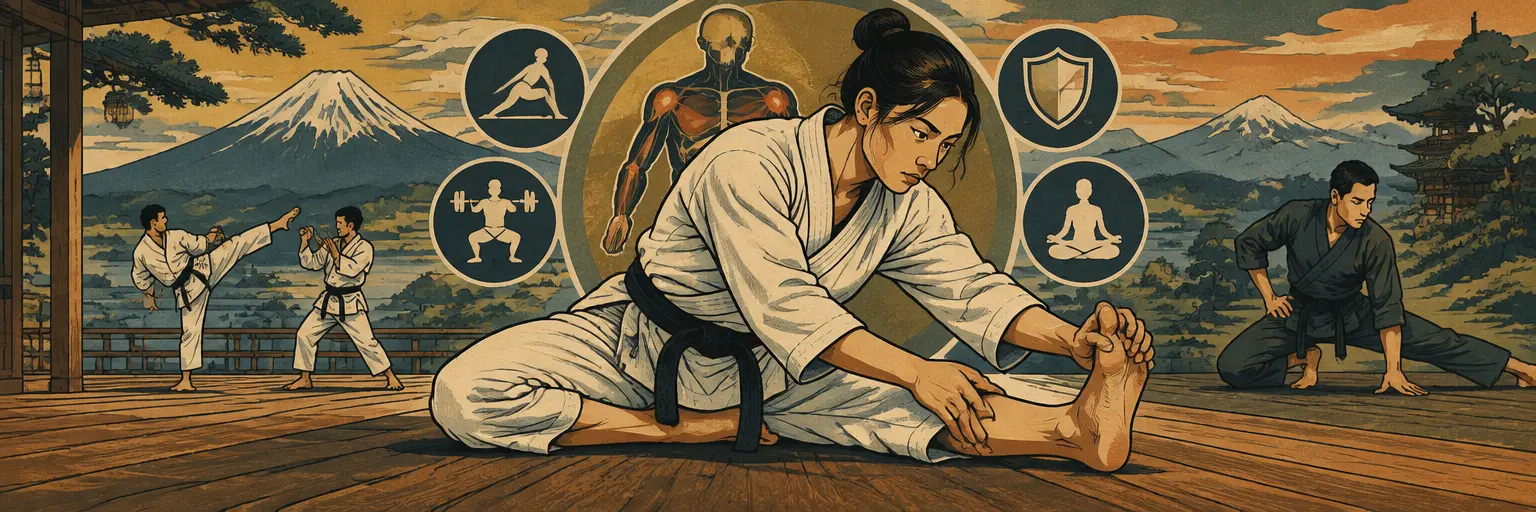
Injury prevention is the cornerstone of any sustainable martial arts practice, whether you’re a beginner in Taekwondo or a seasoned Brazilian Jiu-Jitsu competitor. This subcategory within Training & Techniques focuses on proactive measures to protect your body while maximizing performance. Expect actionable advice on warm-ups, recovery, biomechanics, and mental readiness—all tailored to the unique demands of striking, grappling, and hybrid disciplines. By prioritizing prevention, you reduce downtime, enhance technique retention, and extend your fighting years. Dive into proven strategies that blend sports science with traditional wisdom, ensuring every session builds you up rather than breaking you down.
🔥 Dynamic Warm-Ups and Mobility Routines
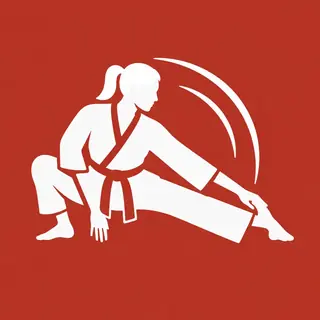
Static stretching before training is a common mistake; instead, dynamic warm-ups prepare muscles and joints for explosive movements. Expect routines that mimic martial arts-specific actions like high kicks, sprawls, and hip escapes, increasing blood flow and neural activation. A proper 10-15 minute session reduces muscle strains and joint sprains significantly. Focus on controlled, full-range motions like leg swings, arm circles, and torso twists, paired with light cardio like shadow boxing or jump rope. These routines also improve proprioception, making your body more aware of positioning during fast transitions—key for avoiding accidental hyperextension or awkward falls.
Mobility work goes beyond warm-ups; it’s a daily habit for longevity. Incorporate exercises targeting hips, ankles, shoulders, and thoracic spine, which are the most injury-prone areas in martial arts. For example, deep lunge rotations and ankle dorsiflexion drills enhance kicking stability, while shoulder dislocates with a resistance band protect during armbars or punches. Consistency matters more than intensity—10 minutes daily yields better joint resilience than a monthly hour-long session. Pair mobility with foam rolling to release tension, improving tissue quality and reducing the risk of overuse injuries like tendinitis.
🛡️ Technique-Specific Safety: Striking vs. Grappling
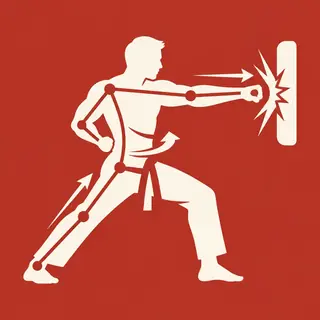
Striking arts like boxing and Muay Thai demand protection for hands, wrists, and head. Expect guidance on proper fist alignment—hitting with the first two knuckles—and hand wrapping techniques that stabilize the wrist under impact. Additionally, neck strengthening exercises (isometric holds and resisted nods) reduce concussion risk by stabilizing the head during punches. For kicks, focus on shin conditioning gradually, not against hard bags too early, and practice pivoting your standing foot to avoid knee torque. Always keep a slight bend in joints to absorb force rather than locking out, which leads to fractures or ligament tears.
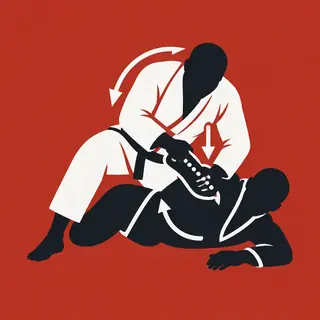
Grappling arts like Judo and BJJ pose different threats: joint locks, chokes, and impact from throws. Learn to tap early—ego is the enemy of longevity—and practice breakfalls (ukemi) repetitively until they’re reflexive. For submission defense, avoid resisting with isolated limbs; use whole-body movement to distribute pressure. Strengthen the neck and grip to protect against cranks and finger injuries, but also integrate rotational core training to shield the spine during escapes. Partner communication is critical: call out dangerous positions immediately, and never train with someone who ignores safety cues. Technique should prioritize control over force, preserving both you and your partner.
🧠 Recovery Protocols and Rest Days
Recovery isn’t passive—it’s an active strategy to prevent burnout and chronic injuries. Expect to learn about sleep’s role (7-9 hours for tissue repair), hydration, and nutrition timing, especially protein intake within 30 minutes post-training. Active recovery days with light yoga, swimming, or leisurely cycling promote blood flow without stressing joints. Cold therapy (ice baths) can reduce inflammation, but overuse may hinder muscle growth; use it selectively after intense sparring. Contrast showers (hot-cold cycles) improve circulation and reduce soreness, while compression garments speed up metabolite clearance. Schedule at least one full rest day per week, and listen to pain signals—sharp pain means stop, dull ache means modify.
Periodization—cycling training intensity—prevents overtraining syndrome, a major cause of stress fractures and mental fatigue. Alternate hard days (high intensity, technique drills) with easy days (shadow work, footwork) to allow adaptation. Incorporate deload weeks every 4-6 weeks, reducing volume by 50% while maintaining skill practice. Track your body’s response using a simple journal: energy levels, sleep quality, and soreness on a 1-10 scale. If scores plummet for over three days, take an extra rest day. Many martial artists plateau due to constant pushing; strategic recovery accelerates progress by preventing injury-forced layoffs. Remember, rest is when your body builds stronger tissue—skipping it means breaking down before the next match.
💪 Strength and Conditioning for Resilience
Martial arts alone doesn’t build enough protective strength; targeted conditioning fortifies tendons, ligaments, and muscles around vulnerable joints. Expect guidance on functional exercises like farmer’s carries (for grip and shoulder stability), deadlifts (for spine integrity), and single-leg squats (for knee control during kicks or takedowns). Plyometrics like box jumps and clap push-ups improve explosive power but must be introduced gradually to avoid stress fractures. Eccentric training—slowing down the lowering phase of lifts—builds tendon strength, crucial for elbow and knee health in grappling. Balance work (single-leg stands, Bosu drills) enhances ankle stability, preventing common sprains.
Don’t neglect the core—it’s your body’s armor for absorbing impacts. Add anti-rotation exercises (Pallof presses) and hanging leg raises to build a rigid torso that protects the spine during throws or body shots. For neck resilience, use head harnesses with light weights, progressing slowly; strong neck muscles reduce concussion severity by up to 25%. Always pair strength work with mobility; don’t get bulky without flexibility, or you’ll invite muscle pulls. Aim for two 45-minute sessions per week, focusing on compound movements and leaving at least 48 hours before heavy sparring. This foundation allows you to generate power safely and resist external force without breaking.
🧘 Mental Injury Prevention: Fear, Overtraining, and Body Awareness
Psychological factors silently cause physical injuries—fear of sparring leads to tense muscles, overtraining stems from ego, and poor body awareness from distraction. Expect strategies to address mental blocks using visualization and mindfulness; picture executing a technique smoothly, which reduces startle reactions and jerkiness. Develop a pre-training ritual (deep breathing, positive affirmations) to center yourself, lowering cortisol that impairs movement quality. Learn to differentiate between discomfort (growth) and pain (warning), a skill honed through gradual exposure. Regularly assess your motivation: if you dread training, you’re likely overloading, creating vulnerability to accidents. Journaling your mental state before each session helps identify patterns.
Body awareness—knowing where your limbs are in space—prevents many injuries. Practice slow, deliberate technique repetitions without resistance, visualizing each joint’s alignment. Use mirrors or video to correct asymmetries, like favoring one leg in kicks, which leads to hip imbalance. Incorporate balance exercises (standing on one foot with closed eyes) to sharpen proprioceptive feedback. Additionally, learn to fall correctly by drilling rolls and breakfalls from all directions, even if you’re a striker. This skill, though mental in origin, becomes muscle memory, protecting you in unexpected slips or throws. Finally, cultivate a growth mindset: setbacks are learning opportunities, not failures. This reduces panic-driven movements that tear muscles or dislocate joints.
Frequently Asked Questions
What is the most common injury in martial arts, and how can I prevent it?
Sprained knees and ankles are most common, often from pivoting incorrectly or landing awkwardly. Prevent them by strengthening (squats, balance work), improving technique (proper footwork), and wearing supportive footwear for outdoor training. Always warm up dynamically and never train on unsafe surfaces.
How many rest days should I take per week?
Aim for at least one full rest day, but two is better if you train intensely or have a physically demanding job. Listen to your body—if soreness persists, add an extra light day with only mobility work. Rest days prevent chronic overuse injuries like stress fractures.
Is it safe to train through minor pain?
No. Sharp pain signals tissue damage—stop immediately. A dull ache might be manageable, but modify the technique or reduce intensity. Consistent training through pain leads to chronic issues. Consult a sports physiotherapist if pain persists more than two days.
Do I really need strength training, or can I just do martial arts?
Yes, you need it. Martial arts build skill but not total-body resilience. Strength training fortifies joints and tendons, reduces injury risk, and improves power output. Just two 45-minute sessions per week significantly protect you without adding excessive bulk.
What should I do immediately after an injury to speed recovery?
Follow the RICE protocol: Rest, Ice (15-20 minutes every 2-3 hours), Compression, and Elevation for the first 48 hours. Then begin gentle, pain-free movement to promote blood flow. Avoid anti-inflammatory drugs long-term, as they can hinder tissue repair. Seek professional advice for serious injuries.