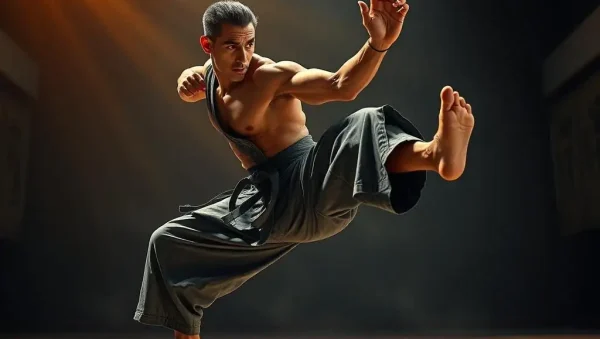
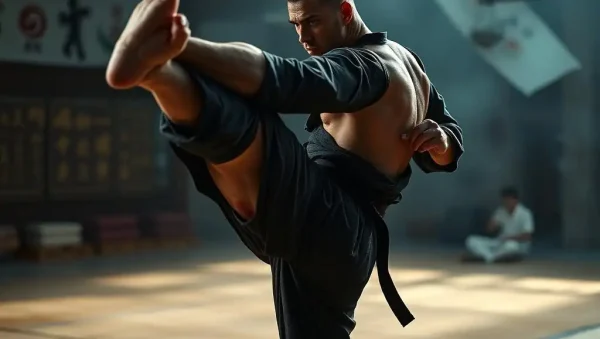
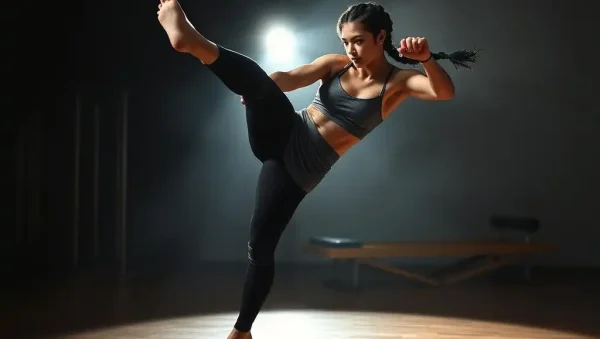
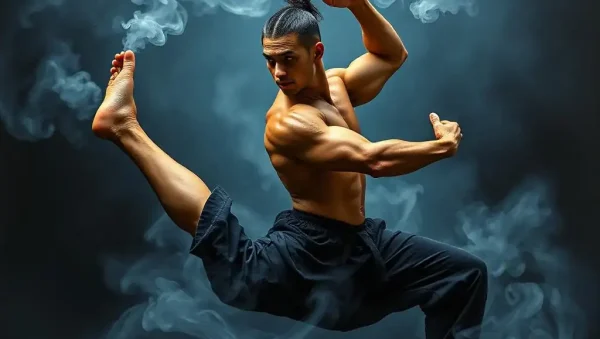
Flexibility and Mobility Training for Martial Arts: Unlock Your Full Potential
In martial arts, power, speed, and precision mean little without the range of motion to execute them effectively. Flexibility and mobility are the unseen pillars of striking, grappling, and defensive maneuvers—they reduce injury risk, improve recovery, and expand your technical toolkit. This subcategory of Training & Techniques at MartialArtsMastery.org dives deep into science-backed stretching protocols, joint mobility drills, and sport-specific routines. Whether you are a beginner or a black belt, these methods will help you kick higher, grapple tighter, and move with fluid, explosive grace.
🦵 Dynamic vs. Static Stretching for Combat Athletes
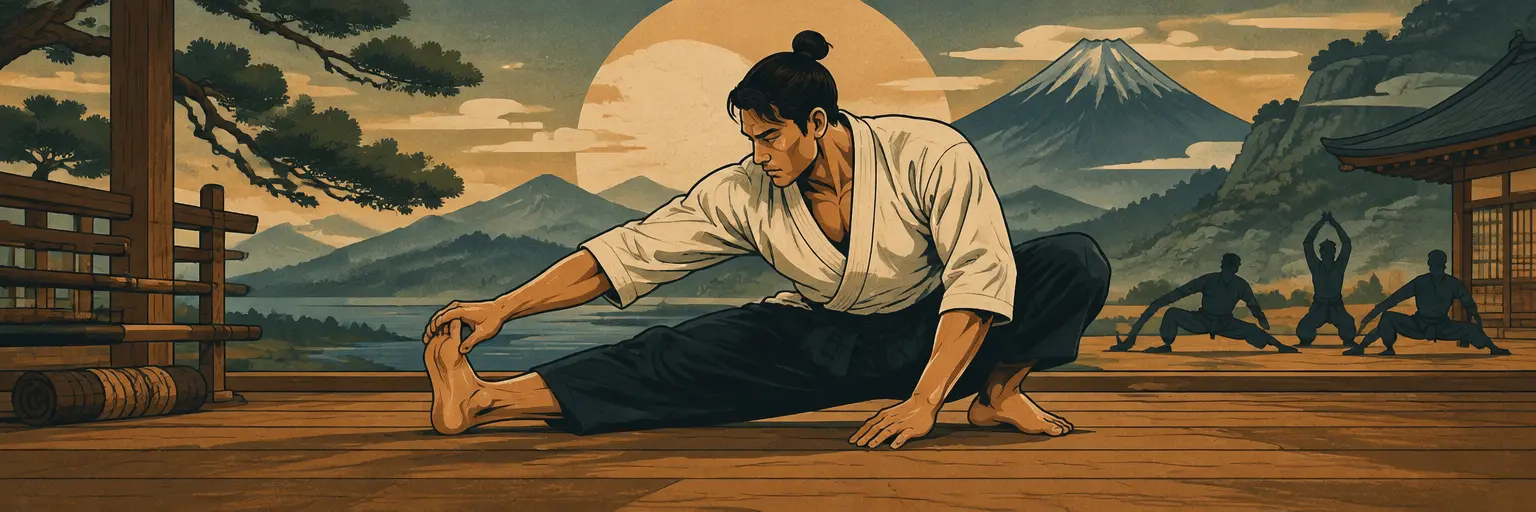
Dynamic stretching—such as leg swings, hip circles, and torso twists—prepares muscles and joints for explosive activity by increasing blood flow and nerve activation. It is best performed during your warm-up, mimicking the exact movements of punches, kicks, and takedowns. Static stretching, by contrast, involves holding a position for 20-60 seconds to lengthen muscle fibers; it is most effective post-training for cooling down and long-term flexibility gains.
For martial artists, the key is to pair dynamic work before training with static work afterward. Avoid static stretching on cold muscles, as it can decrease power output and increase tear risk. Instead, use dynamic patterns that mirror your art—for example, high kicks for Taekwondo or hip escapes for BJJ. This strategic approach enhances performance while preventing common strains in the hamstrings, hip flexors, and lower back.
🧘 Yoga and Mobility Drills for Joint Health
Traditional martial arts like Kung Fu and Karate often incorporate yoga-like postures to cultivate deep joint mobility and body awareness. By combining controlled breathing with poses like the warrior, pigeon, and downward dog, you improve hip rotation, spinal flexibility, and shoulder stability. These drills are particularly beneficial for grappling arts where joint locks require extreme ranges of motion without injury.
Incorporating 15-20 minutes of yoga three times a week can dramatically increase your agility and balance. Focus on slow transitions between poses to strengthen the connective tissues around joints. For striking arts, add shoulder and ankle mobility exercises to protect against overuse injuries. The result is a resilient, adaptable body that can switch from high kicks to deep stances with ease, all while maintaining structural integrity under pressure.
🥋 Sport-Specific Flexibility for Kicking and Grappling
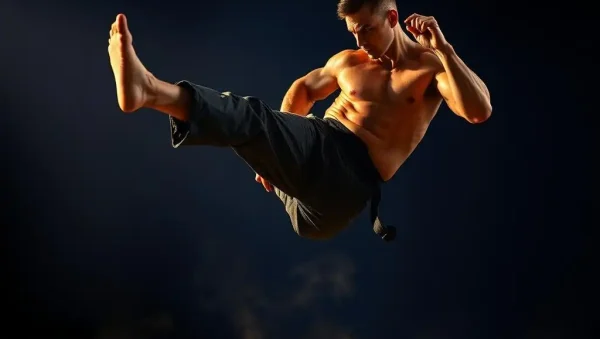
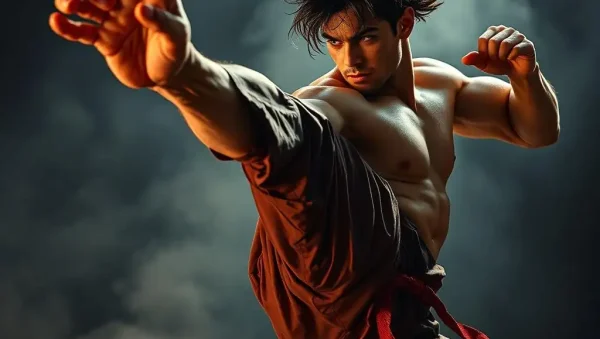
Every martial art demands unique flexibility profiles. For striking disciplines like Muay Thai and Karate, prioritize hip flexor and hamstring flexibility to execute high kicks and fast knee strikes. Grappling arts like Judo and Brazilian Jiu-Jitsu require exceptional spinal and hip mobility for escapes, sweeps, and submissions. Tailor your stretching routine to the dominant movements of your style.
For example, if you practice Taekwondo, spend extra time on side-split and front-split progressions with controlled dynamic pulses. If you wrestle or do BJJ, emphasize deep squat holds, hip openers, and spinal twists to withstand being folded into compact positions. Use resistance bands to add gentle tension during stretches, which mimics the unexpected forces of a live opponent. This sport-specific approach ensures your flexibility gains translate directly into technical efficiency.
🏃 Injury Prevention Through Mobility Sequencing
Poor flexibility is a leading cause of muscle pulls, joint sprains, and tendinitis in martial arts. By implementing a consistent mobility routine, you not only increase range of motion but also strengthen the supportive structures around joints—ligaments, tendons, and fascia. This reduces the risk of chronic pain in the knees, hips, and shoulders, which are the most commonly injured areas for combat athletes.
Start each session with a 5-minute joint rotation sequence: neck circles, shoulder rolls, spinal twists, hip swings, and ankle pumps. Follow with dynamic stretches targeting the muscle groups you will use most. After training, perform static stretches for 10-15 minutes, focusing on the muscles that feel tight. Adequate hydration and foam rolling also enhance tissue elasticity. Over time, this routine builds a bulletproof body that recovers faster from hard sparring and daily wear.
📅 Building a Weekly Flexibility Program
Consistency beats intensity when it comes to flexibility. A balanced weekly plan includes 3-4 dedicated stretching sessions of 20-30 minutes each, alongside daily 5-10 minute mobility breaks. On rest days, use gentle yoga or PNF (proprioceptive neuromuscular facilitation) stretching—where you contract a muscle for 5-10 seconds before relaxing into a deeper stretch—to promote recovery without fatigue.
Periodize your program: during the off-season, focus on gaining new ranges; during the competitive season, maintain them with shorter, high-frequency sessions. Always listen to your body—stretching should feel like mild discomfort, never sharp pain. Track your progress with simple tests, like your side-split angle or ability to touch your toes. With disciplined practice, you will notice improved kicks, faster transitions, and a reduced fear of being outmaneuvered in tight spaces.
Frequently Asked Questions
How often should I stretch for martial arts?
Perform dynamic stretching before every training session (5-10 minutes) and static stretching after, three to four times weekly. For rapid gains, add one dedicated 30-minute flexibility session on rest days. Consistency is more important than duration—daily short sessions outperform sporadic long ones.
Can flexibility training improve my punching power?
Yes, indirectly. Improved shoulder and hip mobility allows for a longer, more efficient range of motion, generating greater torque and speed. Flexible torso muscles also enable better weight transfer, amplifying the force behind your strikes without requiring additional muscle mass.
Is it safe to stretch while muscles are sore?
Light dynamic stretching is safe and can aid recovery by increasing blood flow, but avoid deep static stretches on extremely sore muscles. Soreness indicates micro-tears; aggressive stretching may exacerbate them. Instead, use gentle mobility drills and foam rolling until the soreness subsides.
What is the best stretch for a high kick?
Combine dynamic leg swings (front and lateral), deep lunges for hip flexors, and PNF hamstring stretches. Practice kicking slowly to a controlled height, gradually raising it over weeks. Always warm up first to avoid overstretching the hamstring or tearing the groin muscle.
Does weightlifting reduce flexibility in martial arts?
Not if you stretch properly. Heavy strength training without flexibility work can shorten muscles, but pairing it with mobility drills actually enhances joint stability and range. Use full-range-of-motion exercises like deep squats and overhead presses, then stretch the worked muscles post-session to maintain elasticity.