Mastering Sanchin: Breath, Tension, and Internal Power
🌟 Discover the transformative power of the Sanchin breathing technique benefits, a core element in mastering internal strength, tension control, and focus.…
Read article
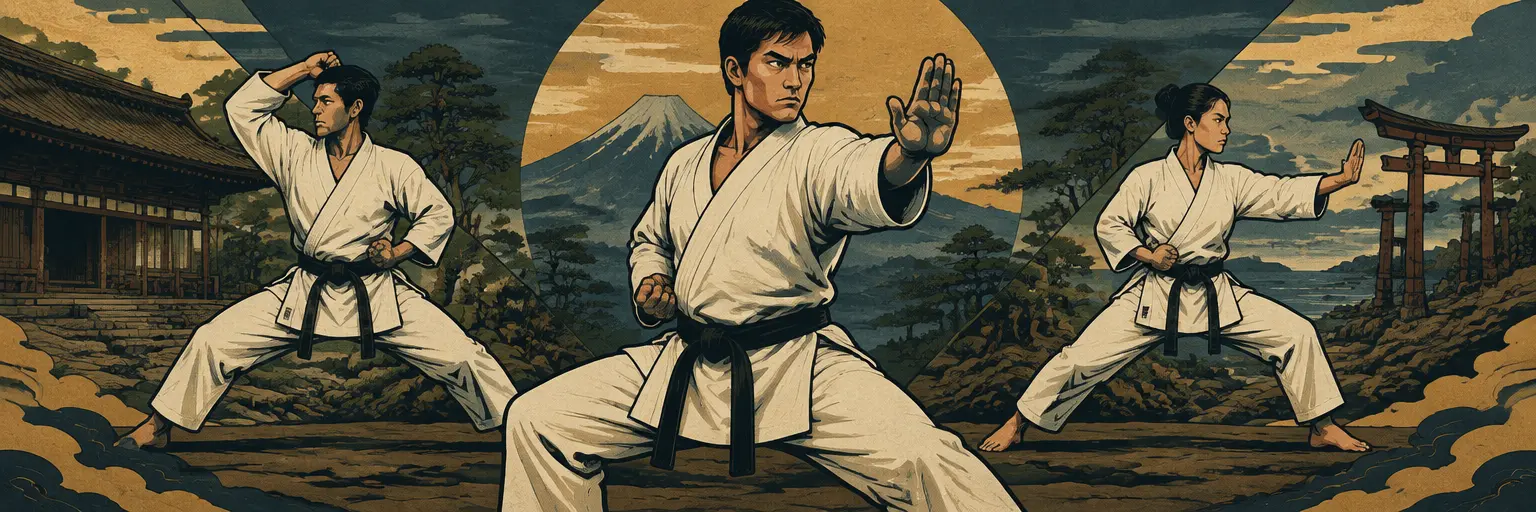
Unlock the hidden layers of Karate Kata with our in-depth analysis of legendary forms like Bassai Dai, Kanku Dai, and Seipai. Here, we don’t just memorize movements—we dissect every stance, transition, and embusen (performance line) to reveal the practical bunkai (application) and tactical principles hidden within. Whether you’re a black belt aiming to sharpen your technical precision or a martial arts historian seeking deeper context, this breakdown transforms static patterns into living combat logic. Explore the rhythm shifts that mirror real fights, the power generation from hip rotation and breathing, and the strategic meaning behind each sequence. Elevate your training by understanding why these kata were crafted, how they adapt across styles like Shotokan and Goju-Ryu, and how to apply their lessons to self-defense and sparring. Move beyond repetition—master the art’s most profound syllabus.
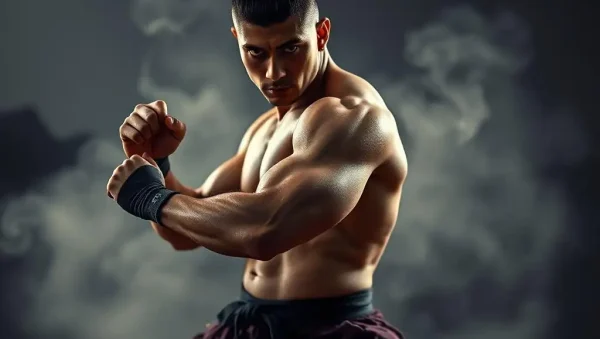
🌟 Discover the transformative power of the Sanchin breathing technique benefits, a core element in mastering internal strength, tension control, and focus.…
Read article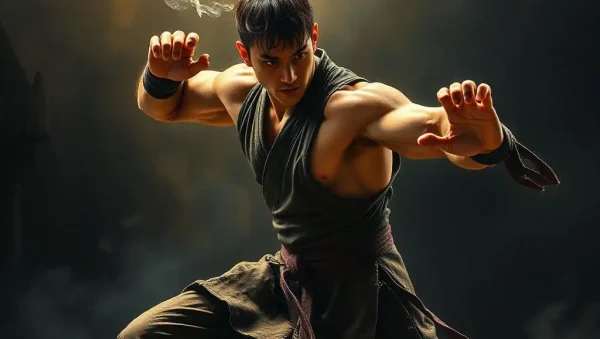
🌟 Explore the profound Kanku Dai philosophical meaning, revealing its rich symbolism and spiritual depth. This martial arts kata embodies mindfulness, unity,…
Read article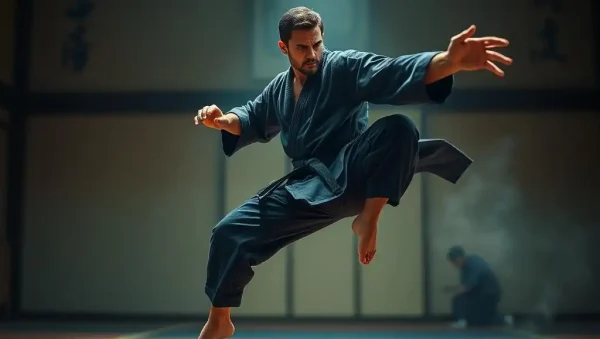
🥋 Explore the intriguing differences between Bassai Dai and Tomari Bassai, focusing on their unique movements, philosophies, and historical contexts. This comparative…
Read article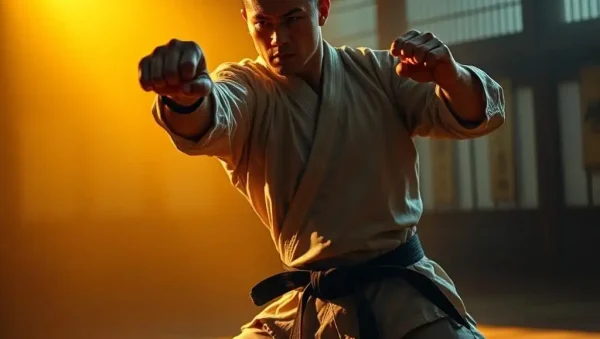
🥋 Discover the fascinating kata learning progression from beginner to black belt, a vital journey in martial arts mastery. This article explores…
Read article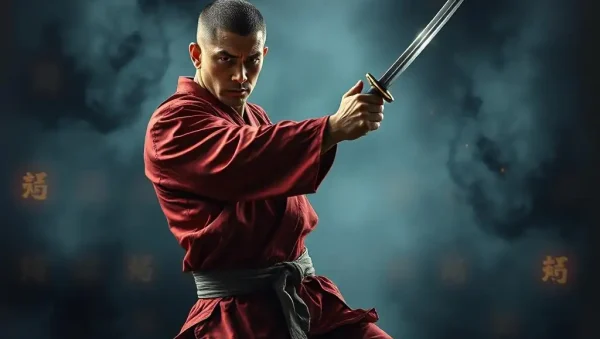
🤝 Unlock the true essence of martial arts by exploring kata understanding beyond memorization technique. Dive into its deeper meanings, philosophical roots,…
Read article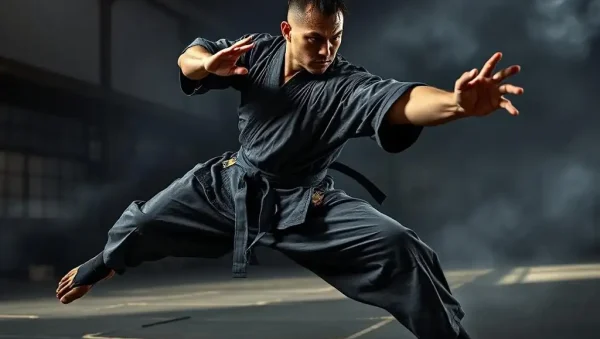
🥋 Dive into our comprehensive Tensho techniques, breathing, and bunkai analysis, exploring the intricate martial arts methods, philosophical insights, and practical applications…
Read article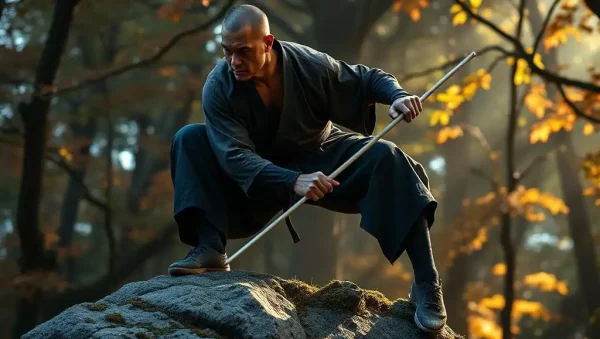
🥋 Discover the mastery of Chinto kata crane rock, a martial arts masterpiece emphasizing balance and unorthodox techniques. Explore its rich history,…
Read articleWelcome to our comprehensive exploration of karate kata, where tradition meets tactical precision. This subcategory focuses on the deep dissection of iconic forms like **Bassai Dai**, **Kanku Dai**, and **Seipai**, moving beyond simple movement sequences to uncover the **bunkai** (application), historical context, and biomechanical principles embedded within each stance and transition. Whether you are a seasoned black belt refining your competition performance or a dedicated student seeking to understand the "why" behind every technique, our analysis bridges the gap between choreography and combat.
Bassai Dai, meaning "To Storm the Fortress," is one of the most practiced Shotokan kata. Our analysis emphasizes its explosive power generation from the hips, the strategic use of *kosa dachi* (crossed stance) to unbalance opponents, and the often-misunderstood *yoko uke* (side block) which can be applied as a joint lock or throw. We break down each major embusen (performance line) into practical counters, showing how the shifts in posture create leverage against a taller or heavier attacker.
Beyond the physical, our breakdown highlights the *kime* (focus) moments where breathing aligns with sudden muscular contraction. You will learn to read the kata as a sequence of "problems and solutions," where each block is actually a strike and each strike sets up a grappling entry. Expect detailed footwork maps, timing cues for competition judging, and drills to develop the explosive speed that defines this kata's "fortress storming" character.
Kanku Dai, named after the first glimpse of the sky through clasped hands, is a masterpiece of circular movement and soft redirection. Our in-depth guide deciphers its signature opening motion—not merely a salute, but a sequence for trapping and breaking a grip. We explore how the wide, sweeping *shuto uke* (knife-hand block) functions as a limb control and a neck strike, and how the low stances mask rising kicks or sweeps against an attacker's base.
This analysis places emphasis on **maai** (distance management) and the subtle weight shifts that allow a practitioner to evade while simultaneously countering. We also discuss the historical evolution of Kanku Dai from the Chinese *Kusanku* form, connecting its open-hand transitions to Southern Chinese martial arts principles. Practical training suggestions include slow-motion practice to refine fluidity and partner drills that simulate the "sky gazing" perception of hidden threats from multiple angles.
Seipai, translated as "18" and often associated with the Naha-te tradition, is a compact yet devastating kata rich in joint locks, close-quarter strikes, and explosive hip movements. Our analysis focuses on its hybrid nature—blending hard, linear strikes with soft, circular parries, reflecting the influence of Fujian White Crane and Monk Fist boxing. We decode the *neko ashi dachi* (cat stance) as a ground-forcing posture and the *sanchin* dynamism that builds internal power (kime) for breaking grabs.
Here, you will find a step-by-step breakdown of the kata’s *bunkai* for wrist escapes, elbow reversals, and spinal locks, often missed by recreational students. We also compare Seipai to its sister kata, Sanchin, showing how Seipai adds dynamic movement to static conditioning. Ideal for practitioners of Goju-ryu or those interested in Okinawan karate’s practical self-defense, this subcategory ensures you comprehend every joint torque and body shift as a functional weapon.
This section examines the structural differences between these three kata, offering a side-by-side analysis of stance timing, rhythm changes, and directional changes (embusen). We highlight how **Bassai Dai** uses mostly linear, aggressive forward motion; **Kanku Dai** employs large circular arcs and transitional pivots; and **Seipai** relies on short, explosive bursts with frequent changes in elevation. This comparative lens helps tournament athletes adapt performance nuances and helps martial artists understand stylistic lineage (Shotokan vs. Goju-ryu).
We also discuss the common misconception that kata is only for solo practice. Through our analysis, each movement is mapped to realistic attack scenarios, showing that the same sequence can be applied to a punch, kick, or grab. Expect visual cues for weight distribution, hip rotation angles, and the role of the *hikite* (retracting hand) as a pulling or striking tool, enhancing your understanding of internal body mechanics across all three forms.
Beyond theory, we provide practical drills to internalize the essence of Bassai Dai, Kanku Dai, and Seipai. These include "shadow sparring" where you visualize opponents moving around each stance change, and "slow-motion dynamic tension" to build muscle memory for transitions that require balance and awareness. We also introduce breathing circuits: explosive exhales for power moves and deep inhales for deceptive traps, improving your *hara* (center) stability.
Biomechanically, we break down joint angles for knee and hip alignment to prevent injury, and we emphasize the importance of *koshi* (hip rotation) as the primary engine. You will learn to time your strikes with the "snap" of the rear foot, and how to use the floor to generate reactionary force. These drills are suitable for both dojo practice and home training, ensuring that your kata becomes alive, adaptive, and personally expressive rather than a rigid repetition.
The main purpose is to uncover the practical applications (bunkai) hidden within the sequences, converting kata from a solo exercise into a toolkit for self-defense. Analysis also improves performance quality by refining timing, balance, and power generation, enabling practitioners to execute the form with intention and not just memorization.
Start by isolating a movement and experimenting with varying distances and grips. For example, the *yoko uke* in Bassai Dai works as a joint lock when the attacker's wrist is grabbed. Apply the technique against slow, cooperative partners, trying different angles of attack (punch, grab, or club) to see which context best fits the motion’s body mechanics.
Yes, absolutely. Kanku Dai’s constant changes in direction and circular deflections train your peripheral vision and spatial awareness. Practicing its pivots and low stances improves you ability to evade and re-enter quickly, which is directly transferable to footwork during sparring, especially against aggressive opponents.
Seipai is typically taught at intermediate to advanced levels due to its complex breathing patterns and subtle weight shifts. Beginners can learn the basic sequence, but the true benefits of its grappling applications and explosive hip torque require a solid foundation in basics like Sanchin stance and proper kime timing.
Practicing 3–4 times per week, mixing slow self-analysis and fast dynamic execution, yields noticeable results in 3–6 months. Purposeful repetition, where you visualize an opponent on each move, is more valuable than mindless speed. Try breaking each kata into 10–15 move sections and drill them with a partner where possible.