Sode Tsurikomi Goshi: Mastering the Sleeve Lifting Pulling Hip Throw
🥋 Unlock the power of Sode Tsurikomi Goshi Technique! This essential guide on MartialArtsMastery.org breaks down the sleeve lifting, pulling hip throw,…
Read article
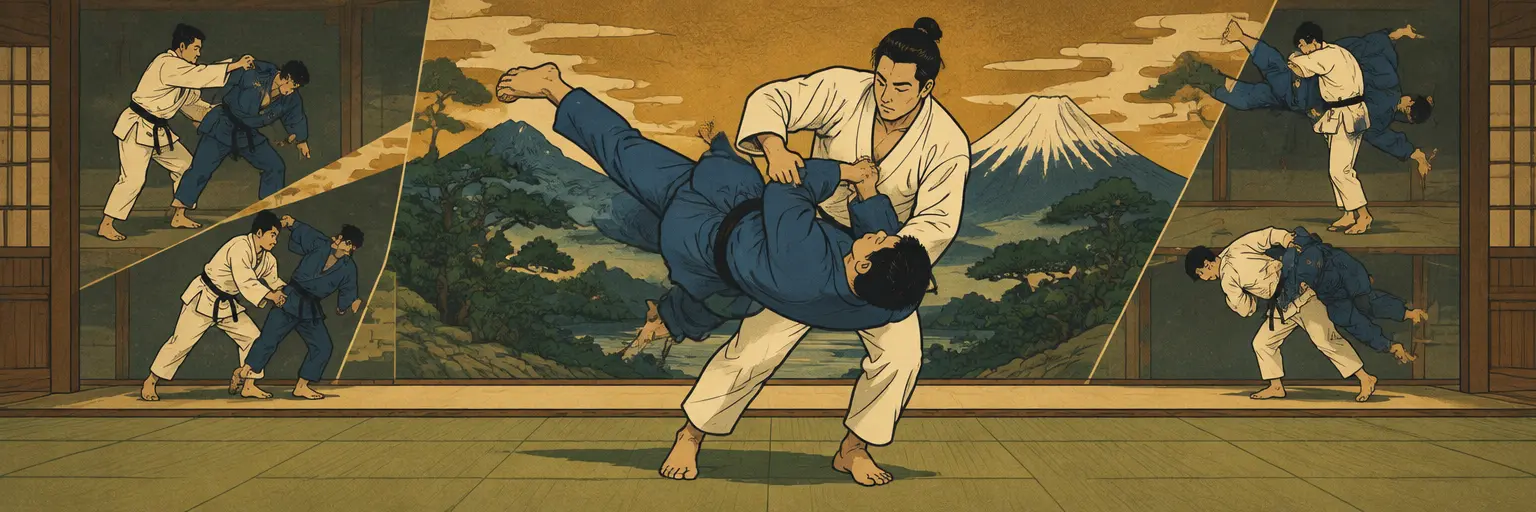
Judo’s Nage-waza (throwing techniques) is the explosive heart of the art, where leverage, timing, and balance turn an opponent’s force into their own downfall. This dynamic system is elegantly split into Te-waza (hand techniques) and Koshi-waza (hip techniques), offering a versatile arsenal for both sport and self-defense. Te-waza—think Seoi-nage or Tai-otoshi—relies on rapid hand and arm action to unbalance and launch, perfect for catching an opponent off-guard with speed and precision. Koshi-waza, exemplified by O-goshi or Harai-goshi, uses the hips as a fulcrum to generate powerful rotational throws, ideal for dominating with full-body control. Mastering these throws builds core strength, explosive power, and spatial awareness, while refining the principle of kuzushi (unbalancing) that underpins all Judo excellence. Whether you’re aiming for a clean ippon in competition or practical takedowns for real-world situations, Nage-waza transforms raw force into refined skill. Dive into the mechanics, footwork, and entry setups of these iconic techniques, and unlock the efficiency and flow that make Judo a timeless martial art.
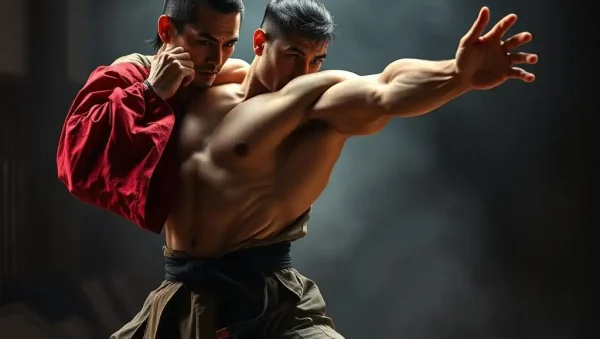
🥋 Unlock the power of Sode Tsurikomi Goshi Technique! This essential guide on MartialArtsMastery.org breaks down the sleeve lifting, pulling hip throw,…
Read article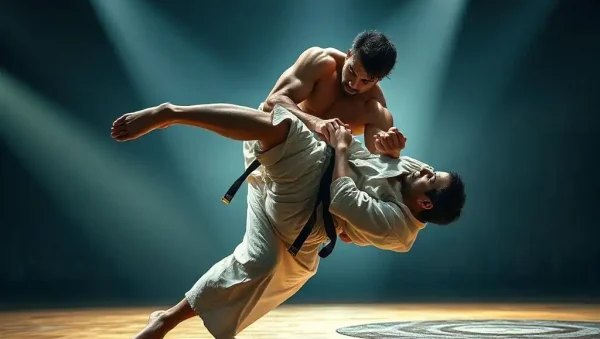
🥋 Unlock the secrets of Sukui Nage! This article delves into the Judo Sukui Nage technique, offering a comprehensive guide to mastering…
Read article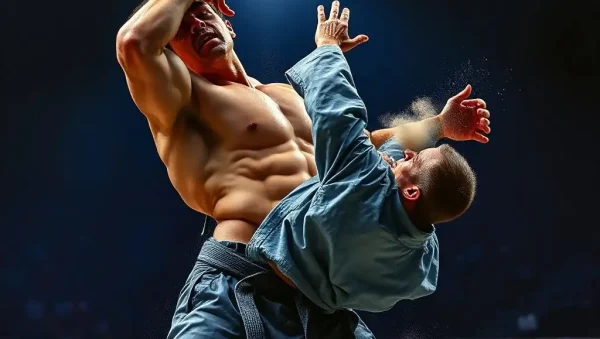
🥋 Master the most effective tewaza throws for judo and elevate your competition game. Explore high-percentage techniques and strategic insights on MartialArtsMastery.org,…
Read article
🥋 Master the fundamentals of Koshiwaza with our expert guide. Build confidence and solid technique, perfect for any Koshiwaza beginner martial arts…
Read article
🥋 Discover the secrets of Ippon-winning takedown combinations by mastering Tewaza and Koshiwaza techniques, unlocking powerful, effective moves that elevate your martial…
Read article
🥋 Discover the art of the Eri Seoi Nage technique breakdown, a powerful lapel shoulder throw. Master this martial arts skill to…
Read article
💥 Master the art of "Tewaza kata momentum generation" on MartialArtsMastery.org. Discover how to transform static positions into powerful techniques, unlocking explosive…
Read article
🤝 Mastering the Koshiwaza balance attack technique is essential for effective martial arts. This method emphasizes maintaining stability while executing powerful attacks,…
Read articleJudo’s Nage-waza (throwing techniques) is the explosive heart of the sport, splitting into Te-waza (hand techniques) and Koshi-waza (hip techniques). At MartialArtsMastery.org, we dissect these dynamic throws, from seoi-nage to harai-goshi, offering biomechanical breakdowns, gripping strategies, and combinational drilling. Whether you’re a white belt or a brown belt prepping for shodan, this subcategory elevates your kuzushi (balance-breaking), tsukuri (entry), and kake (execution). Expect precise, practical analysis that bridges tradition and modern competitive Judo, helping you dominate the mat with clean, powerful throws.
Te-waza, or hand techniques, prioritize speed and angle over raw strength. You’ll learn the mechanics behind iconic throws like ippon seoi-nage, tai-otoshi, and uki-otoshi. Each technique emphasizes a snap of the arms and a deep step, often catching opponents off-guard. Our guides break down foot placement, sleeve/lapel grips, and the subtle head-and-shoulder feints that make these throws devastating in randori and shiai.
Expect video-linked breakdowns, common error checklists, and progressive drills to perfect your kuzushi. We also cover counter-throws and how to transition into groundwork (ne-waza) after a successful te-waza. By focusing on hip rotation and downward pulling, you’ll turn small openings into decisive scores. Ideal for athletes who prefer high-percentage, fast attacks that don’t rely on size.
Koshi-waza harnesses the pelvic fulcrum, using your hips as a pivot to lift and rotate uke. Classics like o-goshi, harai-goshi, and tsuri-komi-goshi are mandatory for any serious judoka. This subcategory explains how to lower your center, load uke’s weight onto your lower back, and whip through with explosive leg drive. We emphasize tori’s posture—chest up, spine neutral—to maximize power without straining your lower back.
Our content includes step-by-step photo sequences, hip-entry variations for tall vs. short athletes, and how to chain koshi-waza with foot sweeps. You’ll learn to read your opponent’s stance and execute throws like sode-tsuri-komi-goshi with fluid precision. Perfect for developing a massive, scoring arsenal that leaves opponents crumpled on the mat.
No throw works without kuzushi—the art of breaking balance. We dedicate a full section to mastering forward, backward, and diagonal pulls that unbalance uke before the technical entry. You’ll practice with resistance bands, partner drills, and shadow-kuzushi to engrain the “circle of balance” principle. Hand techniques require a sharp downward pull; hip throws demand a circular scooping motion.
Expect practical checkpoints: where to place your feet relative to uke’s, how to use your lead hand to control the sleeve, and when to shift your weight. We also cover common kuzushi mistakes—pulling too early, stiff arming, or forgetting to turn the head. With these drills, you’ll make every throw feel effortless, as if uke throws himself.
Advanced nage-waza isn’t static; it’s a fluid chain of reactions. This H3 covers renraku-waza (combinations) and kaeshi-waza (counters). Learn how to fake a seoi-nage to draw a defensive posture, then shift into an o-soto-gari or kouchi-gari. Similarly, counters like tani-otoshi against a failed harai-goshi turn your opponent’s momentum against him.
We map out the most reliable sequences, with timing cues for when to execute the second throw. Each combination includes an “if-then” decision tree—if uke blocks your hip, sweep the leg; if he postures up, drop to a knee. These strategies are straight from Olympians, breaking down why certain transitions work at high speeds. You’ll leave randori with unpredictable, multi-layered attacks.
Perfect practice makes perfect throws. We provide a systematic drill library—uchikomi (repetition entries), butsukari (static throwing against resistance), and yakusoku-geiko (prearranged sparring). Each drill targets specific weaknesses: hip drop speed, grip fighting, or follow-through. For example, wall-drills for tai-otoshi improve your lead leg’s sweep, while partner-resistance drills for o-goshi build endurance.
We also include a “common faults” table—e.g., “head down during seoi-nage” or “bent knees on harai-goshi”—with immediate fixes. Video self-analysis checklists help you record and critique your own form. By combining high-repetition uchikomi with visualization, you’ll internalize each throw’s biomechanics, making them instinctive under pressure. Consistency here is key to building reliable, tournament-ready nage-waza.
Ippon seoi-nage is the classic entry, relying on a low pivot and sleeve-control rather than strength. Master its footwork in uchikomi first. Alternatively, tai-otoshi is simpler mechanically but demands precise leg timing. Start with seoi-nage—it builds core balance and kuzushi fundamentals.
Always keep your lead knee aligned with your toes when stepping in for hip throws. Avoid twisting under load; instead, rotate your entire body. Strengthen hips with lateral lunges and practice slow-motion entries. Wear a knee brace if you have prior issues, and never force a throw—retreat if balance is lost.
Yes—solo drills like shadow uchikomi, wall leans for balance, and bungee-cord resistance mimic partner resistance. Focus on footwork patterns, hip swivel, and arm paths. Visualization also helps: mentally rehearse each throw’s kuzushi and kake. But partnered practice remains essential for live timing.
Te-waza uses the hands and arms to throw by pulling or lifting, often with little hip contact—e.g., uki-otoshi uses a forward pull. Koshi-waza places your hip or lower back as the fulcrum beneath uke, lifting and rotating—e.g., harai-goshi sweeps while your hip acts as a pivot. Both require strong kuzushi but differ in primary contact point.
Aim for at least three 45-minute focused sessions per week, mixing uchikomi, throwing drills, and live randori. Quality over quantity—record yourself and correct one mistake per session. Within six months, you’ll notice smoother entries and quicker transitions. Consistency beats sporadic marathon training.







