Whispers of the White Crane: Hakutsuru's Subtle Influence on ShitoRyu Kata
🌸 Uncover the subtle power of the White Crane in Shito-Ryu! This article reveals how Hakutsuru ShitoRyu Kata techniques, rooted in ancient…
Read article
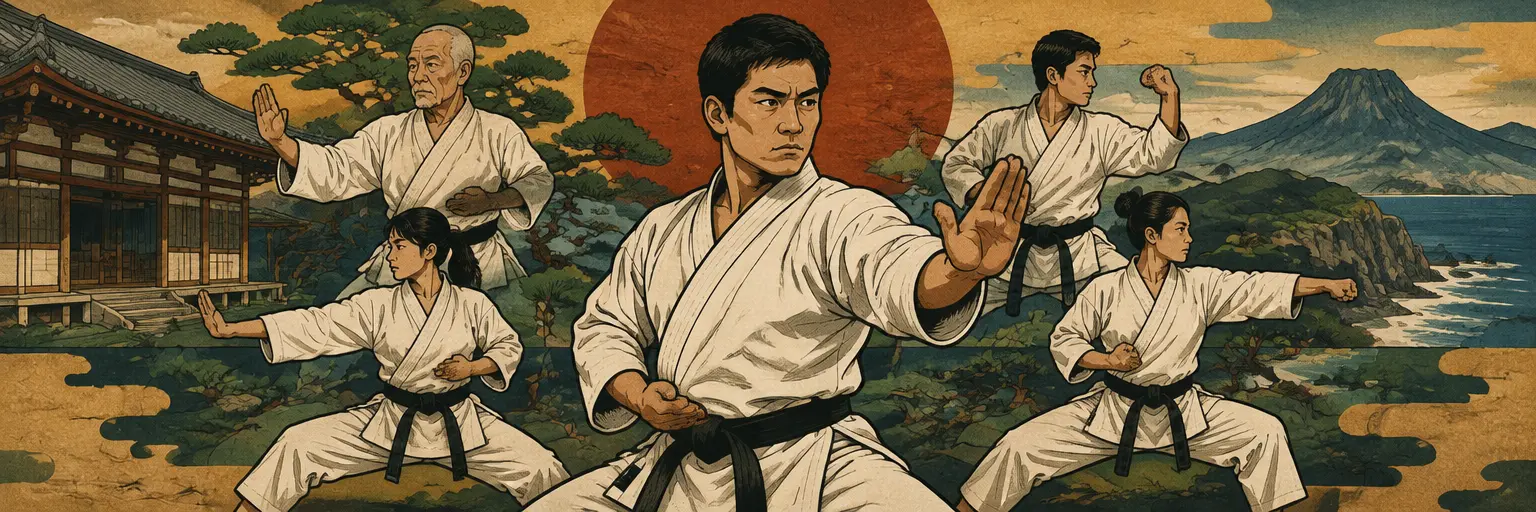
Shito-Ryu Karate stands as one of the four major traditional styles of Japanese karate, renowned for its extraordinary diversity of kata and a rich, layered lineage that blends hard and soft techniques. Founded by Kenwa Mabuni, this style masterfully fuses the linear, powerful strikes of Shuri-te with the circular, flowing movements of Naha-te, creating a uniquely versatile and comprehensive martial art. For practitioners at MartialArtsMastery.org, diving into Shito-Ryu reveals a deep historical tapestry that includes influences from Chinese White Crane and Fujian martial arts, making it a treasure trove for those seeking technical depth, historical context, and philosophical nuance. With one of the largest known kata repertoires—often exceeding 60 forms—Shito-Ryu offers an unmatched journey into the artistic and combat-effective heritage of karate, ideal for enthusiasts eager to explore beyond basic striking and into the true complexity of traditional Okinawan and Japanese self-defense systems.
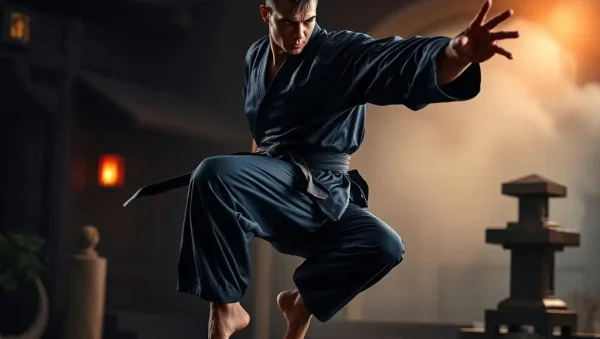
🌸 Uncover the subtle power of the White Crane in Shito-Ryu! This article reveals how Hakutsuru ShitoRyu Kata techniques, rooted in ancient…
Read article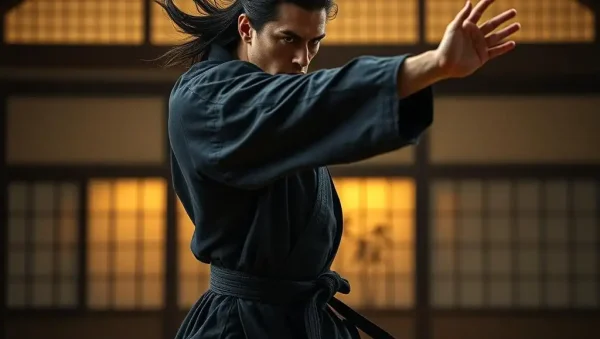
🥋 Discover the profound wisdom behind ShitoRyu kata movement techniques, revealing how its diverse forms transcend mere motion to embody centuries of…
Read article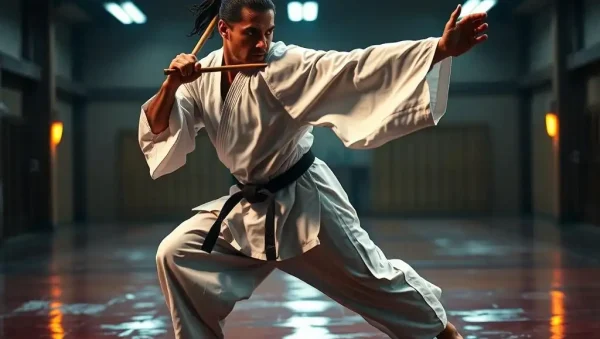
🥋 Discover how ShitoRyu Karate Kata Variations reimagine traditional forms, blending unique interpretations with rich history. Explore this distinctive approach that highlights…
Read article
🥋 Explore how mastering ShitoRyu kihon and kata forms lays the essential foundation for the discipline’s diverse techniques, blending tradition, philosophy, and…
Read article
🤔 Explore the dynamic tension between ShitoRyu kata standardization and variations. This ongoing dialogue examines how tradition meets individual expression, shaping the…
Read article
🥋 Discover the rich heritage of the ShitoRyu Chinto / Gankaku technique, exploring its unique lineage and dynamic movements that exemplify the…
Read article
🥋 Uncover the intricate lineage and technical distinctions between ShitoRyu and Shotokan karate through this deep dive. Explore the subtle yet significant…
Read articleShito-Ryu, one of the four major traditional styles of karate, stands out for its extraordinary blend of hard and soft techniques, and its unmatched catalog of over 60 kata. Founded by Kenwa Mabuni in the early 20th century, this style weaves together the powerful, linear movements of Shuri-te with the circular, fluid motions of Naha-te. On this page, we delve deep into the diverse kata lineage that defines Shito-Ryu, offering practitioners and enthusiasts a comprehensive guide to its forms, history, and practical applications. Whether you are a white belt seeking direction or a black belt refining your bunkai, this resource is tailored to elevate your understanding and practice.
Shito-Ryu’s kata lineage is a direct reflection of its founder’s unique training journey. Kenwa Mabuni studied under two legendary masters: Anko Itosu, a master of Shuri-te known for its direct, powerful strikes, and Kanryo Higaonna, a master of Naha-te renowned for its deep stances, breathing control, and grappling-like techniques. Mabuni synthesized these two distinct systems, creating a style where kata range from the dynamic, athletic *Pinan* series to the slow, tension-filled *Sanchin* and *Tensho*. This historical fusion gives Shito-Ryu its name, combining the characters for Itosu ("Shito") and Higaonna ("Ryu").
For the modern practitioner, this means an unrivaled opportunity to explore karate’s evolutionary history through physical practice. Each kata in this lineage is a living artifact, preserving the combat logic of Okinawan martial arts. When you practice a fast, agile form like *Kosokun Dai*, you connect with the royal court guards of the 19th century; when you shift to the meditative breathing of *Sanseru*, you channel the strength of Chinese kempo that influenced Naha-te. Understanding this background enriches your training, transforming each repetition from a mere exercise into a dialogue with history.
The backbone of Shito-Ryu begins with the five *Pinan* kata (Heian in other styles), which introduce basic stances, blocks, strikes, and body shifting. These forms are essential for building a solid kihon (basics) foundation, teaching the coordination of hips and limbs in a logical progression. After the Pinan series, students typically learn *Naihanchi*, *Sanchin*, and *Tensho*, which emphasize internal strength, rooted stances, and dynamic tension. The intermediate level adds forms like *Jitte*, *Jion*, and *Enpi*, which introduce elbow strikes, sweeps, and more complex combinations.
Advanced practitioners dive into the hallmark kata of Shito-Ryu’s diverse lineage, such as *Bassai Dai*, *Kanku Dai*, *Chinto*, *Gojushiho*, and the rare *Chatanyara Kushanku*. These forms are not just longer; they contain hidden techniques, throws, joint locks, and multiple opponents scenarios that require deep bunkai analysis. What sets Shito-Ryu apart is its inclusion of *Hakutsuru* (white crane) kata, inherited from Chinese white crane boxing, which introduces graceful, wing-like movements and striking softness. This diversity ensures that no two practitioners look identical, as personal body dynamics play a significant role in executing each form.
Bunkai, or the application of kata movements, is the bridge between solo practice and real-world combat. In Shito-Ryu, because of its hybrid nature, bunkai is exceptionally rich, offering both direct striking applications and more subtle grappling responses. For instance, a simple block in the *Pinan* kata can be expanded into a wrist release, an arm bar, or a takedown. The diverse lineage encourages practitioners to explore each movement from multiple angles, asking questions like "What if the opponent grabs me?" or "How can I use this same motion to escape a headlock?"
Effective bunkai training in Shito-Ryu involves partner drills that slowly increase in speed and resistance. You’ll learn to read your opponent’s body posture and use their momentum against them, a skill directly inherited from the Naha-te influence. Unlike some styles that emphasize linear strikes only, Shito-Ryu’s kata include circular joint manipulation and pressure point strikes. For the self-defense enthusiast, this means you are not just learning to punch and kick but to control, disarm, and neutralize threats gracefully. Mastery of bunkai transforms your karate from form to function, making every technique spontaneous and effective.
Shito-Ryu is unique in its heavy emphasis on *ibuki* (rhythmic breathing) and *kime* (focused power), especially in its Naha-te derived kata. Forms like *Sanchin*, *Tensho*, and *Seienchin* are practiced with slow, deliberate movements synchronized with deep, audible breaths that engage the diaphragm and core. This trains the body’s internal strength (ki) and musculoskeletal alignment, creating a solid, immovable base. The fast kata, by contrast, use explosive exhalations to concentrate power at the moment of impact, teaching part of the body to move independently while the rest remains grounded.
For the practitioner, mastering this internal dimension is the key to increasing striking power without muscle mass and improving overall body health. The tension and relaxation cycles in these breathing kata act like an internal organ massage, improving circulation and posture. Furthermore, this deep, structured breathing serves as a moving meditation, calming the mind and boosting focus. In a world of constant distraction, practicing *Sanchin* for a few minutes each day offers a profound mental reset, helping you carry the calm, centered spirit of karate beyond the dojo and into daily life.
Shito-Ryu’s diverse kata lineage makes it an ideal style for a wide range of people, from agile teenagers to older adults seeking health benefits. Its variety prevents boredom and allows each student to find forms that match their physical strengths and preferences. If you enjoy robust, athletic movement, you’ll love the *Pinan* and *Bassai* kata; if you prefer deep, slow, and internally focused practice, *Sanchin* and *Tensho* will resonate with you. Many students also appreciate that the style retains a strong link to classical Okinawan martial arts, offering a more comprehensive self-defense system than sport-focused karate.
To begin, find a certified Shito-Ryu dojo that emphasizes bunkai and traditional values alongside kihon and kata. Starting with a beginner’s class, you can expect to spend your first months mastering basic stances, punches, and the first two *Pinan* forms. Obtain a high-quality gi, but avoid buying expensive gear until you confirm you enjoy the style. Purchase a copy of Mizuho Mabuni’s books on Shito-Ryu for deeper study, and keep a training notebook to track your kata progress. Be patient—the sheer volume of kata can be intimidating, but each one builds systematically on the previous, and your diverse lineage will become your proudest asset.
Shito-Ryu blends hard and soft techniques, incorporating circular joint locks, grappling, and intense breathing kata like *Sanchin*, inherited from Naha-te. Shotokan favors linear, deep stances and long-range strikes. Shito-Ryu also features over 60 kata, more than any other style, providing a wider technical vocabulary and a stronger focus on close-quarter self-defense.
Depending on the lineage, Shito-Ryu contains between 60 and 63 kata, including the standard *Pinan*, *Naihanchi*, *Bassai*, and *Kanku* series, plus rare forms like *Aoyagi*, *Paiku*, and *Hakutsuru*. Not all students must learn every kata; most dojos select 10-15 core forms for grading, but advanced practitioners often study the full catalog.
Absolutely. The style’s diversity allows beginners to start with simple, logical *Pinan* kata while slowly introducing internal breathing and softer movements. The gradual progression builds strength, flexibility, and understanding at a comfortable pace, and the wide variety keeps training engaging for many years.
Start with mirror practice, slow-motion shadow application, and visualization. Then, if possible, partner with a fellow student to test each movement for its viability as a response to a specific attack. Use resistance bands to simulate gripping and grabbing, and always focus on body mechanics—hips, stance, and balance—over speed.
Most Shito-Ryu organizations use a 9-10 kyu system: white, yellow, orange, green, blue, purple, brown (three levels), then black belt (shodan). Kata requirements increase with belt level—first *Pinan* 1-2, then 3-5, followed by *Naihanchi* and *Sanchin*, and advanced forms for black belts. Specific requirements vary by organization, so always check with your dojo.







