Legendary Founders and Masters Who Shaped Praying Mantis Kung Fu
🥋 Explore the fascinating Praying Mantis Kung Fu history, highlighting legendary founders and masters whose innovations and philosophies shaped this revered martial…
Read article
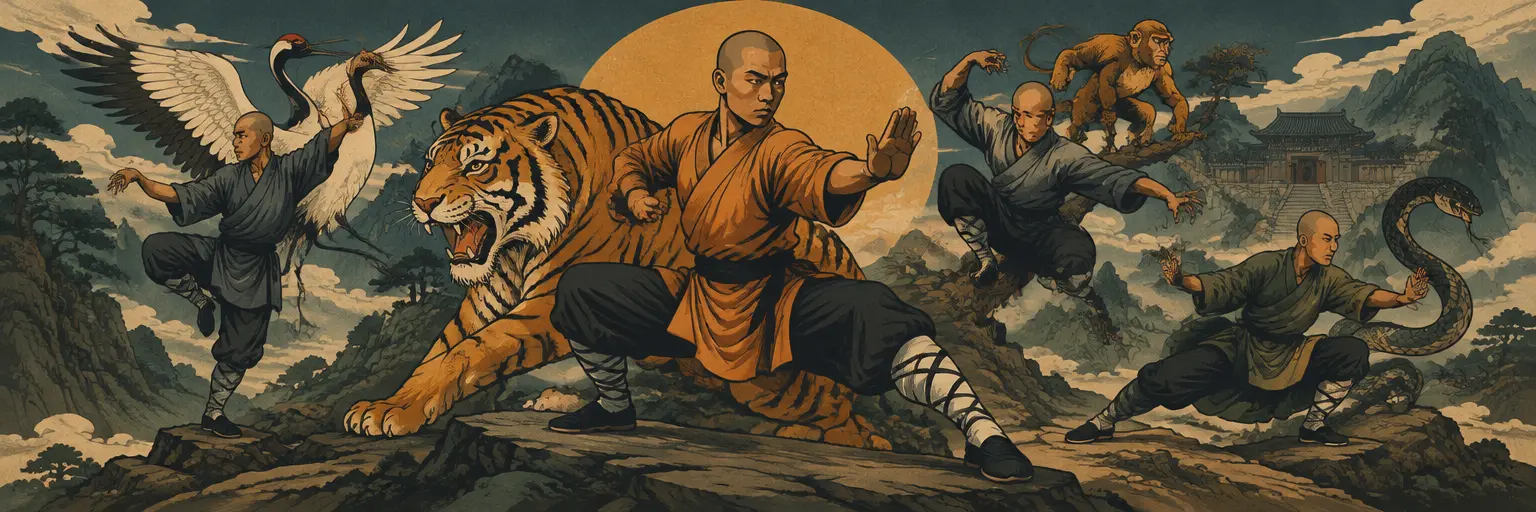
Discover the legendary Shaolin Animal Styles of Kung Fu—a captivating blend of biomechanics, instinct, and ancient philosophy that transforms human movement into lethal artistry. From the explosive power of the Tiger to the graceful precision of the Crane and the mischievous agility of the Monkey, these iconic forms mimic nature’s most formidable creatures to build strength, flexibility, and tactical genius. Each style offers unique combat principles: the Tiger cultivates raw muscle and bone-crushing strikes, while the Crane emphasizes balance, evasion, and pinpoint accuracy; the Monkey thrives on acrobatics, deception, and unpredictable footwork. This deep-dive covers not just the physical techniques—like tiger claw grips, crane beak jabs, and monkey rolls—but also the qigong breathing, stances, and meditative focus that make these styles a full mind-body system. Whether you’re a seasoned martial artist or a curious beginner, you’ll uncover how Shaolin monks historically used these animal archetypes to defend the temple and perfect their spiritual discipline.
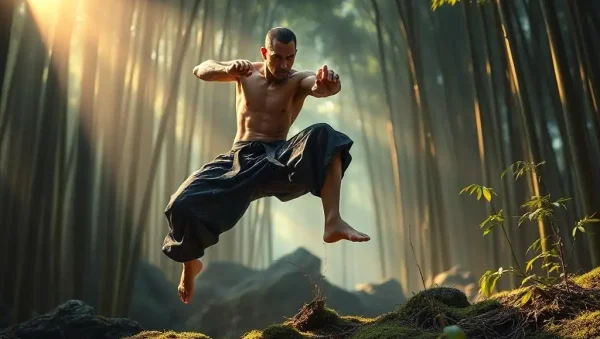
🥋 Explore the fascinating Praying Mantis Kung Fu history, highlighting legendary founders and masters whose innovations and philosophies shaped this revered martial…
Read article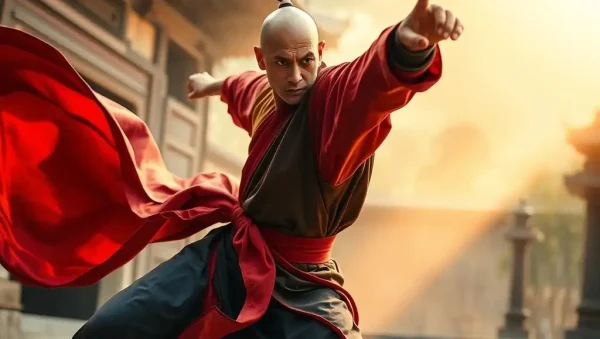
🐍 Master the intricate movements and strategic principles of the Shaolin Snake Form Technique. This in-depth study on MartialArtsMastery.org unravels the art's…
Read article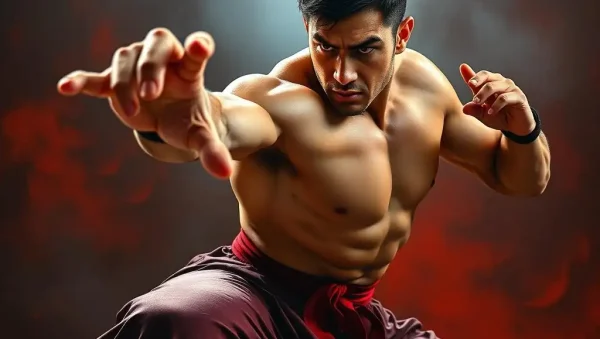
🐯 Unlock the raw power of Tiger Style for effective self-defense. Discover practical applications and strategic insights, honing your skills with potent…
Read article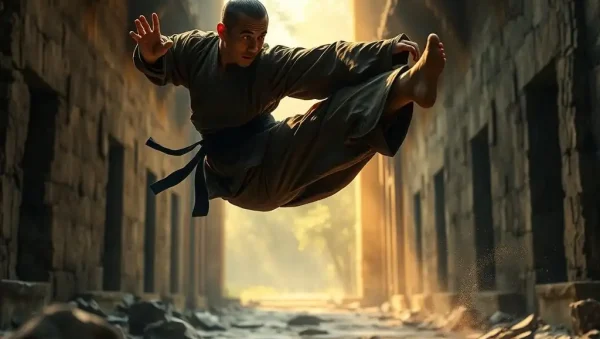
🐆 Discover the elusive Shaolin Leopard Style origins, where explosive speed meets cunning strategy. MartialArtsMastery.org delves into this powerful discipline, revealing the…
Read article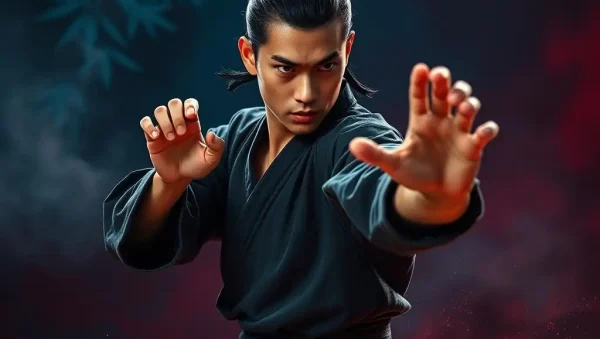
🐅 Unlock the power of Tiger Style with our beginner's guide. Master essential stances and movements for effective Hu Quan beginner training,…
Read article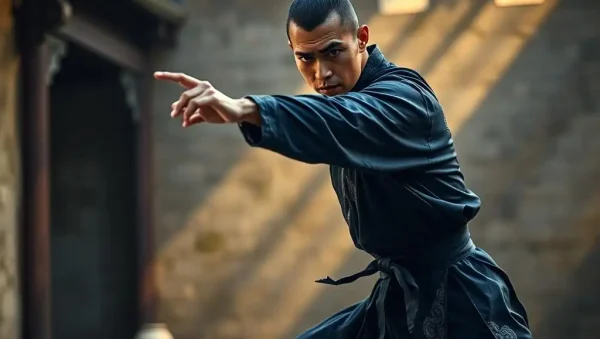
🐍 Unleash your inner power with Shaolin Snake Style Kung Fu. Discover its fluid movements, deceptive strikes, and ancient wisdom on MartialArtsMastery.org,…
Read article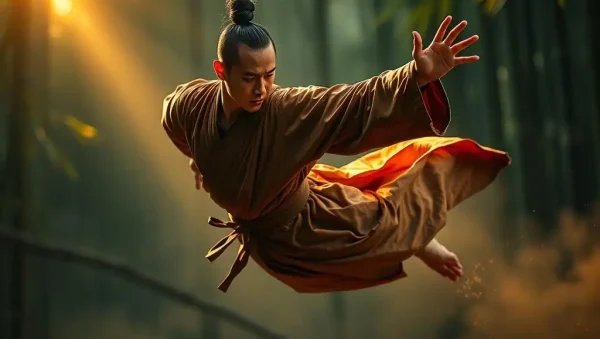
🌟 Discover the fascinating Shaolin Crane Style History, tracing its origins from ancient Chinese martial arts to a symbol of elegance and…
Read article
🌟 Dive into the fascinating Shaolin Monkey Style History, exploring its acrobatic techniques, evolution, and cultural significance within martial arts mastery. Discover…
Read articleShaolin Animal Styles are among the most iconic and misunderstood forms of Chinese martial arts. Rooted in the legendary Shaolin Temple, these systems—Tiger, Crane, Monkey, Snake, and Mantis—transform natural animal movements into devastating combat techniques and profound personal development. This subcategory unpacks each style’s history, biomechanics, training methods, and philosophical core, helping you choose the right animal path for your body and mindset. Whether you seek raw power, fluid evasion, or explosive agility, mastering these archetypes elevates your martial arts mastery beyond mere punching and kicking.
Tiger Style (Hu Xing Quan) prioritizes explosive muscular force, iron-like bones, and relentless forward pressure. Practitioners develop a wide, rooted stance, using clawing hand strikes, tearing rips, and powerful low kicks to overwhelm opponents. Training emphasizes hard qigong for bone conditioning, dynamic tension drills, and repetitive striking against heavy bags to forge devastating impact. The Tiger’s spirit is aggressive but controlled, teaching you to seize initiative and dominate a fight with raw ferocity.
Within this subcategory, expect detailed guides on Tiger claw conditioning, stance progression, and traditional forms like "Tiger Preys on Sheep." You’ll also learn how to harness your adrenaline for combat while avoiding reckless burnout. Emphasis is placed on structural alignment—every punch and grab channels force from the ground through your hips. Historical context reveals how northern Shaolin masters paired Tiger with Southern styles to create hybrid systems for different body types, ensuring adaptability for modern practitioners.
Crane Style (He Xing Quan) is the antithesis of the Tiger—emphasizing speed, economy of motion, and pinpoint accuracy over brute strength. Using one-legged stances, wing-like arm sweeping, and spear-finger strikes to vital points, the Crane flows like water, deflecting attacks while conserving energy. Training includes balance drills on narrow surfaces, sensitivity exercises with partners, and meditation to cultivate a calm, observant mind. The Crane’s philosophy teaches patience: you strike only when the opponent exposes a flaw.
This section details Crane’s “sticky hands” variations, footwork for maintaining angles, and therapeutic qigong sequences that improve posture and joint health. You’ll explore how the Crane’s long-reaching techniques suit taller practitioners or those with shorter limbs looking to close distance safely. Case studies of historical Crane fighters, such as Fang Qiniang, show how this style evolved to defeat larger opponents. Expect practical self-defense scenarios where precision targeting—eyes, throat, groin—replaces power exchanges.
Monkey Style (Hou Xing Quan) is a crowd-pleasing, highly acrobatic system designed for mobility, feints, and psychological warfare. Mimicking a primate’s playful yet cunning nature, practitioners crouch low, roll, jump, and use sudden scurrying movements to confuse and exhaust foes. Techniques include low sweeps, grabbing/pulling limbs, and rapid changes in level—from standing to ground instantly. Training incorporates gymnastics, conditioning for explosive knees and ankles, and improvisation drills to break predictable patterns.
In this subcategory, you’ll learn the distinct “Drunken Monkey” (often confused with Drunken Boxing) and “Lost Monkey” subsets, each with unique footwork and hand configurations. Focus is placed on relaxed tension—loose joints allow unexpected angles, while core tension enables sudden power bursts. Practical applications for self-defense include escaping grabs, using environmental obstacles, and exploiting an attacker’s momentum. Historical notes highlight Monkey’s origins as a response to larger, slower opponents, making it ideal for smaller frames or those with gymnastic backgrounds.
Snake Style (She Xing Quan) combines extreme flexibility, breath control, and scientific targeting of weak points, nerves, and meridians. Movements are sinuous, coiling, and explosive—using finger thrusts, palm heel strikes, and circular whips. Unlike external styles, Snake emphasizes jing (internal energy) coordination with qigong, teaching practitioners to generate power from spinal undulation rather than muscle contraction. Training includes stretching routines, precision bag work, and sensitivity drills to find gaps in an opponent’s defense.
This section covers advanced concepts like “Snake Creeps Down” for leg attacks and “White Snake Spits Tongue” for rapid eye-thrusts. You’ll discover how Snake integrates with Traditional Chinese Medicine, with each form linked to organ health and breath regulation. For modern self-defense, Snake offers efficient, low-telegraph strikes perfect for close-quarters encounters. Historical lineage includes famous masters like Wong Yan-lam, who blended Snake with Wing Chun. Expect detailed breakdowns of the “three harmonies”—shoulder to hip, elbow to knee, hand to foot—that unify the whole body.
Praying Mantis Style (Tang Lang Quan) is a Northern Shaolin system famous for rapid-fire hand trapping, hooking grabs, and relentless combination strikes. Mimicking the insect’s predatory claws, practitioners use short, explosive motions to control an opponent’s arms (“sticky hands”) while landing quick punches, uppercuts, and elbows. Footwork is circular and subtle, creating continuous pressure and openings. Training emphasizes reaction speed, forearm conditioning, and complex pattern drills to build muscle memory for chaotic exchanges.
Here, you’ll learn the seven distinct Mantis sub-styles (e.g., Seven Star, Six Harmony) and their strategic differences—some favoring brute force, others internal softness. Detailed form breakdowns like “Mantis Seizes Cicada” teach you to intercept attacks mid-flight. Practical application focuses on dominating the clinch, using both hands simultaneously to control and strike. Historical context reveals how Master Wang Lang created Mantis after observing a praying mantis defeat a larger opponent—a lesson in leverage and timing. This subcategory also explores sparring drills that safely test Mantis trapping under pressure.
Tiger Style is most accessible due to its straightforward power techniques and minimal acrobatics. It builds foundational strength and rooting that transfer to other styles. However, if you’re flexible and prefer evasion, Crane offers gentler entry. We recommend trying a few classes to see which movement pattern feels natural.
Absolutely. Traditional Shaolin often pairs Tiger and Crane, or Snake and Dragon, to balance external power with internal softness. Start with one style, master its basics, then cross-train. Modern hybrid systems like “Tiger-Crane” or “Wing Chun with Snake” are effective. Avoid mixing too soon—fundamentals first.
Yes, when trained with realistic scenario drilling. Tiger and Mantis excel at close-range aggression; Crane and Snake offer precise counters; Monkey helps escape and evade. Focus on adapting forms into simple, high-percentage techniques. Sparring and pressure-testing are essential—forms alone won’t prepare you for violence.
Basic proficiency takes 6–12 months of consistent practice (3–4 times per week). Mastery of one style often requires 5–10 years due to internal energy work and complex forms. Beginners notice improved balance, coordination, and mindset within weeks. Set short-term goals around specific skills like tiger claw grip or snake finger dexterity.
Yes, with modifications. Crane and Snake are low-impact and emphasize breath and precision, ideal for older trainees. Monkey is hardest on joints—skip acrobatics if needed. Tiger’s impact training can be adapted with less intensity. Always consult a qualified instructor who can adjust techniques for your physical condition.







