Shaolin Qinna: The Devastating Art of Seizing and Controlling Opponents
🔥 Master the devastating art of Shaolin Qinna techniques training. Discover the secrets of seizing and controlling opponents, unlocking a profound level…
Read article
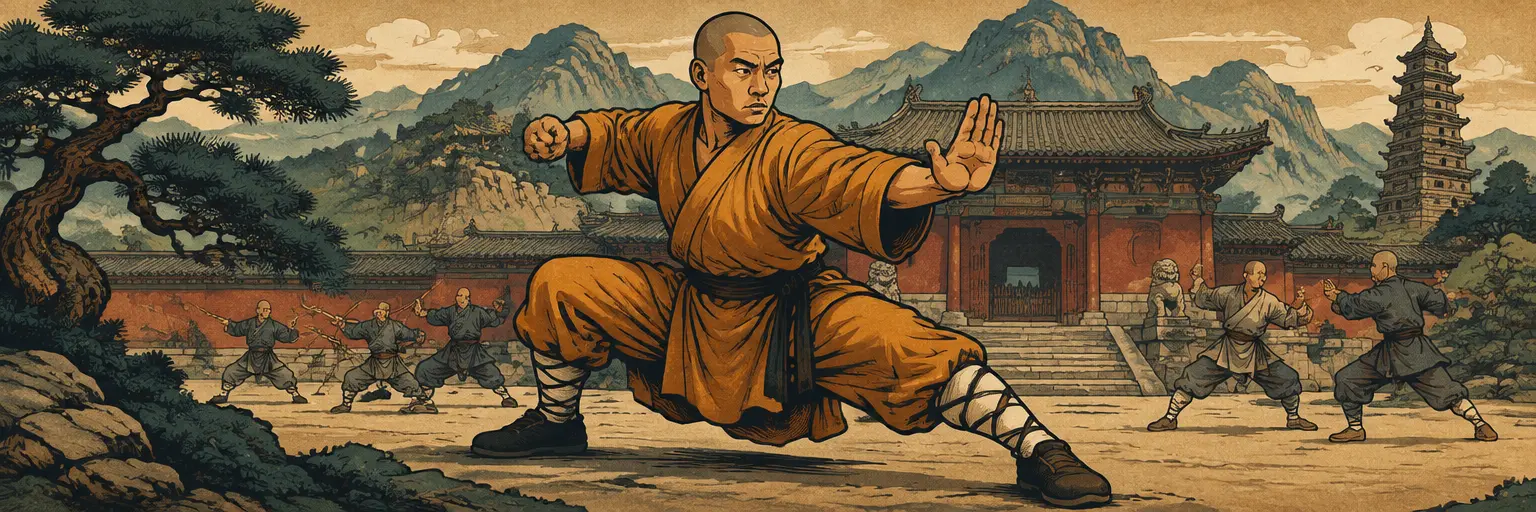
Discover the legendary origins and diverse techniques of Shaolin Temple Kung Fu—the cradle of Chinese martial arts. From its founding by the monk Bodhidharma in the 5th century to its evolution into a global symbol of discipline and power, this ancient art blends hard striking, fluid animal forms, and zen philosophy. Explore iconic styles like Five Animals (Tiger, Crane, Leopard, Snake, Dragon) and the explosive Southern Fist, each designed for combat efficiency, health, and spiritual growth. Perfect for practitioners and historians alike, this guide unpacks the temple’s monastic warrior legacy, training rituals, and modern adaptations—ensuring you master the roots of Shaolin’s timeless mastery. Unlock the secrets of iron body conditioning, qigong energy work, and forms that bridge tradition with practical self-defense. Whether you’re a beginner or advanced student, these insights will deepen your appreciation for China’s most iconic fighting system.
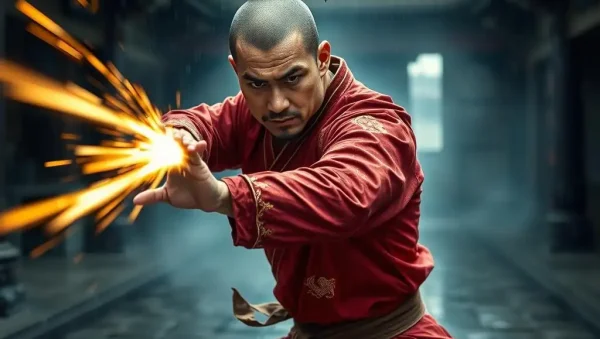
🔥 Master the devastating art of Shaolin Qinna techniques training. Discover the secrets of seizing and controlling opponents, unlocking a profound level…
Read article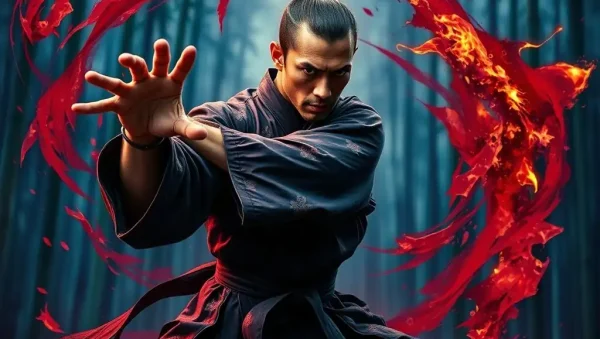
🧘 Discover how Chan meditation boosts martial skill, forging a powerful connection between mind and body. Explore ancient wisdom and modern training…
Read article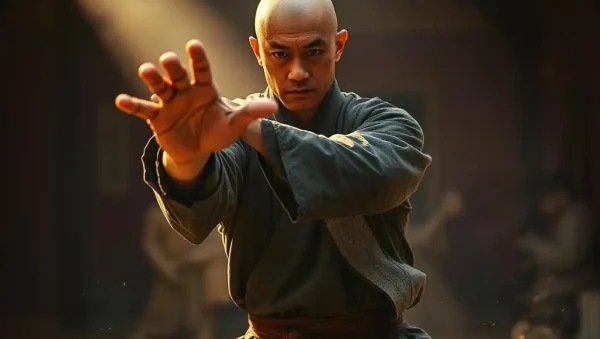
💥 Master Shaolin's devastating hand techniques, from powerful fists to precise fingers. Explore the art and science of Shaolin hand techniques training,…
Read article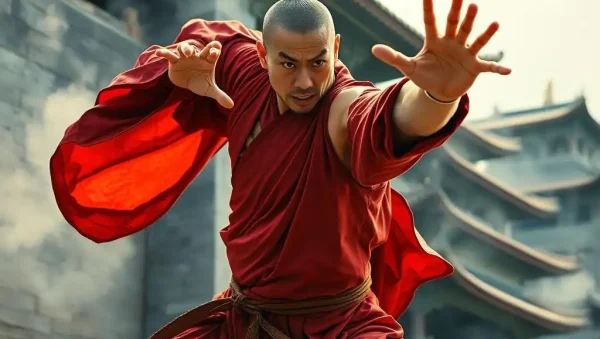
🔥 Discover the profound Shaolin Temple martial history, a 1,500-year legacy of discipline, philosophy, and unparalleled combat prowess. Explore the origins of…
Read article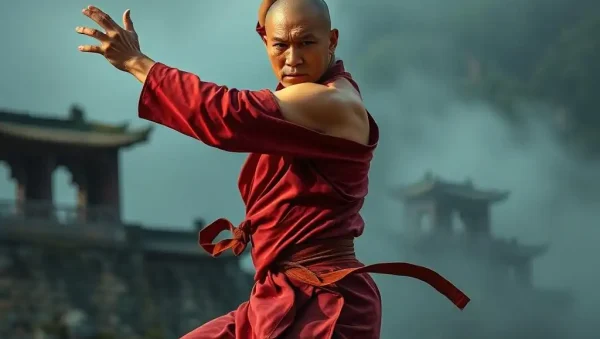
🔥 Unlock Shaolin Long Fist's formidable reach and power. This article delves into Shaolin Long Fist techniques training, revealing the secrets to…
Read article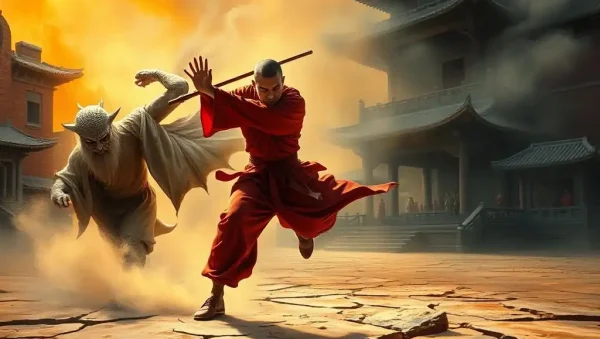
🔥 Uncover the dramatic **Shaolin Temple history**, chronicling its devastating destructions and remarkable **rebirths**. Explore the resilience and enduring legacy of this…
Read article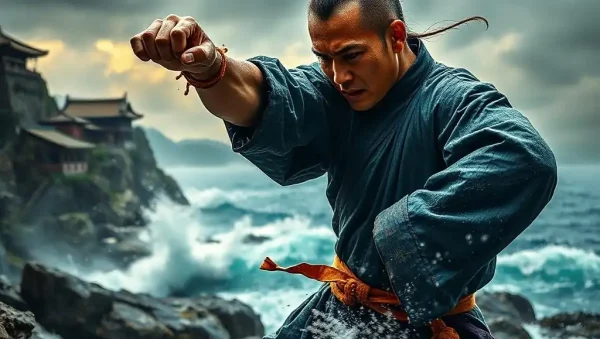
🤫 Uncover the surprising historical alliance where Shaolin monks provided crucial coastal defense against pirates, a testament to their martial prowess extending…
Read articleWelcome to the definitive guide on Kung Fu: Shaolin Temple – History and Styles, a cornerstone of the Individual Martial Arts Styles section at MartialArtsMastery.org. Here, we unravel the profound journey of Shaolin Kung Fu from its mythical origins at the legendary Henan temple to its diverse modern-day manifestations. This subcategory offers a deep, SEO-rich exploration into ancient combat systems, philosophical foundations, and living traditions. Whether you are a historian, practitioner, or curious enthusiast, expect to uncover the authentic roots, stylistic variations, and enduring global influence of one of the world’s most iconic martial arts. Dive in to connect the past with your present training path.
Explore the fascinating fusion of legend and documented history that surrounds the founding of the Shaolin Temple in 495 AD. The arrival of the Indian monk Bodhidharma (Damo) is central to the temple’s martial legacy, though historians debate his exact role. This section clarifies how Buddhist monastic life, combined with physical exercises for health and meditation, gradually evolved into a structured fighting system. You will learn about the temple’s destruction and revival cycles, its imperial patronage, and the pivotal role of warrior monks who defended their home and nation. This foundation explains why Shaolin is not just a fighting style but a cultural and spiritual icon.
Beyond the romance of legend, archaeological and textual evidence reveals a more nuanced story. Early Shaolin martial practice was initially focused on staff techniques and physical conditioning, later expanding to empty-hand forms. The temple’s strategic location on the Songshan mountain, near major trade routes, exposed its monks to diverse combat methods, fostering an adaptive and inclusive approach. By understanding the interplay between historical records and folklore, you gain a critical perspective on how a small mountain temple became the undisputed cradle of Chinese martial arts. This knowledge enriches your appreciation for every form and technique you encounter in Shaolin Kung Fu.
This section demystifies the vast spectrum of Shaolin styles, systematically breaking down the major families that emerged from the temple’s golden era. You will discover the foundational Xiao Hong Quan (Small Red Fist) and Da Hong Quan (Big Red Fist), which are essential for beginners, focusing on stances, striking combinations, and qi flow. Equally important are the Animal Styles, such as the aggressive Tiger, the evasive Crane, the explosive Mantis, and the mechanical Monkey, each embodying unique tactical principles and body mechanics. Pairing these with internal arts like Yijin Jing (Muscle/Tendon Changing) reveals a comprehensive system that trains both external power and internal resilience.
Understanding these styles is not about memorizing isolated techniques but recognizing an interlinked ecosystem. Each style addresses specific combat scenarios and physical attributes, allowing practitioners to develop a well-rounded skill set. For instance, the Tiger style builds raw strength and bone density, while the Crane style cultivates balance and sensitivity. The Flower Fist (Hua Quan) and Drunken forms demonstrate the artistic and deceptive elements, blending acrobatics with practical evasion. By studying this breakdown, you can identify which style resonates with your body type and goals, ensuring a more effective and enjoyable training journey tailored to your personal martial arts path.
Delving into Shaolin’s arsenal, this section highlights the legendary Eighteen Arms (Shiba Ban Wuyi), a collection that includes staff, spear, sword, saber, and more exotic tools like the monk’s spade and rope dart. The staff, often called the “grandfather of all weapons,” is the first weapon taught, its simplicity belying its devastating efficiency in both offense and defense. You will learn how each weapon extends the body’s natural movements, reinforcing core principles of distance, timing, and angulation. The training methodology progresses from empty-hand forms to weapon routines, ensuring that a solid martial foundation is never neglected. Historical context reveals how these weapons were both practical defenses for monks and mediums for spiritual discipline.
Weapon forms are not mere historical reenactments; they serve as advanced conditioning tools that sharpen coordination, mental focus, and spatial awareness. Mastering the staff teaches leverage, while the broadsword develops explosive circular cuts; the straight sword demands precision and elegance. The Chain Whip and Rope Dart push agility and timing to extremes, training the body to control momentum with fluid grace. For contemporary practitioners, this weapon training bridges ancient combat necessity with modern athletic excellence, preserving a rich heritage. Whether you aim to compete, self-educate, or simply appreciate the art form, understanding the arsenal comprehensively elevates your knowledge of Shaolin’s complete combat system.
This section unpacks the inseparable link between Shaolin Kung Fu and Chan (Zen) Buddhism, explaining that the ultimate goal of training is not victory but enlightenment. The concept of Wu De (martial virtue) demands humility, respect, and self-control, guiding practitioners to use their skills ethically. Internal training, including Qigong (energy work) and Neigong (internal power), is emphasized alongside external techniques. You will explore practices like Marrow Washing and Sinew Changing that aim to strengthen the body from within, improving health and vitality. This philosophical underpinning transforms repetitive drills into moving meditation, fostering a calm, resilient mind essential for both combat and daily life.
The integration of breath control, visualization, and mindfulness is what distinguishes Shaolin Kung Fu from mere acrobatics or street fighting. Monks believe that qi flows through specific meridians, and unblocking these pathways enhances physical power and injury resistance. Techniques are designed not only to strike but also to engage the practitioner’s full psychosomatic capacity. By adopting this holistic view, you begin to see every punch and stance as a form of spiritual cultivation. This section provides practical insights on starting your Qigong practice and integrating philosophical principles into your training, ensuring you appreciate the deeper value of Shaolin as a path to personal transformation, not just a set of combat tricks.
Here, we trace how Shaolin Kung Fu transcended its monastic origins to become a global martial phenomenon, especially through 20th-century films, cultural exchanges, and international schools. Mastery of Shaolin spread through lineages of wandering monks and later through systematic teaching standards established by modern institutions. You will learn about the impact of classic cinema like “The 36th Chamber of Shaolin” and the rise of contemporary icons like Jet Li, which romanticized and popularized the art. Practical applications in modern self-defense, sport competitions (e.g., wushu sanda), and fitness regimes are also covered, showing the style’s adaptability. This evolution demonstrates that while rooted in age-old tradition, Shaolin Kung Fu remains a dynamic, living practice open to innovation.
The global diaspora of Shaolin has led to both preservation and reinterpretation. Today, you can find traditionalist schools emphasizing classical forms and meditation, alongside sport-oriented academies focusing on acrobatic high kicks and competitive choreography. The Chinese government’s designation of the temple as a cultural heritage site and the establishment of the Shaolin Temple Cultural Center in Henan has further standardized curriculum. This section highlights key international organizations and famous tourist sites, helping you navigate authentic training opportunities. By understanding this global tapestry, you can make informed choices about where and how to learn, ensuring your practice is both authentic and relevant to your personal objectives, whether for self-defense, performance, or holistic health.
Shaolin Kung Fu is a traditional martial art with a deep philosophical and historical foundation, emphasizing combat application, internal development, and a broad syllabus of forms and weapons. Wushu, on the other hand, is a modern, standardized sport developed in the 20th century primarily for athletic performance, competitions, and aesthetic presentations. While many Wushu routines borrow from Shaolin, they are often choreographed for high acrobatics and flow, sacrificing direct combat practicality. Practicing Shaolin focuses on lineage and real self-defense; practicing Wushu focuses on athletic excellence.
Absolutely, beginners are not only welcome but are the primary focus of many traditional schools. Shaolin Kung Fu is designed to build a foundation from scratch, starting with basic stances, flexibility, and simple coordination drills. The curriculum progresses gradually, ensuring that your body safely adapts to the demands of the art. Experienced instructors modify techniques for varying fitness levels and ages. Contrary to popular belief, you do not need to be a gymnast or acrobat to start. Natural progression and consistent practice are the only real prerequisites for successful learning.
Mastery is a lifelong pursuit, but you can achieve functional proficiency in the basic staff form within six months to a year of consistent training (2-3 sessions per week). This timeline allows you to execute core movements like swings, thrusts, and blocks with correct footwork. Advanced levels, involving complex spinning, two-person drills, and free-form applications, may take 3-5 years or more. True mastery, as understood by Shaolin monks, involves integrating the staff into your very body awareness, which often requires a decade of dedicated study. Patience and deliberate practice are paramount.
Yes, the animal styles are supremely effective for modern self-defense because their principles are based on universal combat strategies. For instance, the Crane style teaches economy of motion and evasion, perfect for avoiding an untrained attacker, while the Tiger style provides explosive forward pressure and powerful palm strikes. The Monkey style encourages agility and unpredictable movement, useful for escaping grabs. However, you must learn the practical application (not just the forms) and adapt them to real-world contexts, such as dealing with multiple attackers or confined spaces. Qualified instructors will explain these principle-to-scenario translations.
A typical session lasts 60 to 90 minutes and follows a structured pattern. It usually begins with a 10-15 minute warm-up, including stretching and basic cardio. This is followed by fundamental drills, such as stances (horse, bow, cat), kicks, and punches, to reinforce core mechanics. The middle section is dedicated to forms practice—either empty-hand or weapon—with the instructor breaking down each movement. Many sessions end with physical conditioning (push-ups, leg lifts) and a short meditation or Qigong cool-down. Some schools also incorporate partner drills or free sparring, but this varies by class level and focus.







