Ninjutsu: Historical Ninjutsu and Modern Bujinkan – A Complete Guide
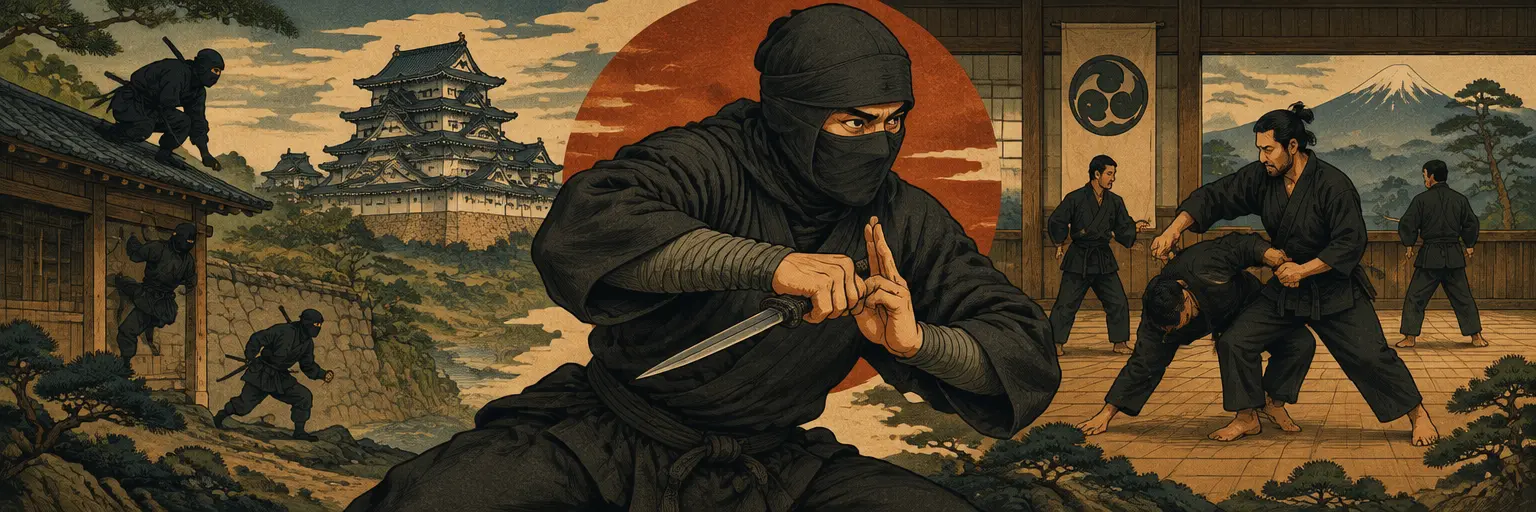
Welcome to Martial Arts Mastery’s deep dive into Ninjutsu, the legendary "art of stealth" of feudal Japan, and its modern evolution through the Bujinkan organization. Here, you’ll uncover the authentic historical roots of the ninja—their espionage, survival tactics, and unorthodox combat—alongside the contemporary practice led by Masaaki Hatsumi, which preserves nine ancient warrior lineages. Whether you’re a history buff, a martial artist, or a curious beginner, this subcategory bridges ancient shadow warfare with modern self-defense, offering practical insights and philosophical depth that go far beyond Hollywood stereotypes.
🕵️ Historical Ninjutsu: Origins, Tactics, and the Real Ninja
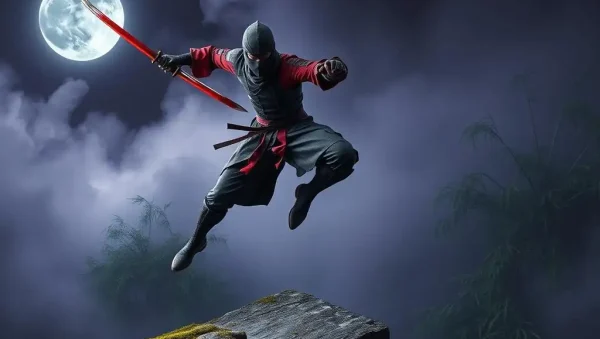
Dive into the feudal era (15th–17th century) where ninjutsu emerged in the mountainous Iga and Koga regions. Unlike samurai codes of honor, ninja employed espionage, sabotage, and guerrilla warfare to survive. Historically, ninjutsu emphasized adaptability, using tools like shuriken (throwing blades), kunai, and smoke bombs not as weapons of mass destruction, but as distractions and escape aids. You’ll learn about the ninja’s five elemental training categories—earth, water, fire, wind, and void—which covered everything from infiltration to psychological warfare, all rooted in practical survival rather than myth.
Modern historians now separate fact from fantasy. Most ninja were farmers, merchants, or low-ranking samurai trained in intelligence gathering, not superhuman assassins. Their manuals, like the Bansenshukai, reveal a focus on night movement, disguise, and ambush. This section provides an evidence-based overview, correcting common misconceptions while highlighting the ingenuity of their unconventional methods. Expect to explore actual historical texts, tactical scenarios, and the socio-political conditions that birthed the ninja, giving you a solid foundation to appreciate their legacy without the cinematic fluff.
⚔️ The Bujinkan Organization: Hatsumi’s Modern Continuation
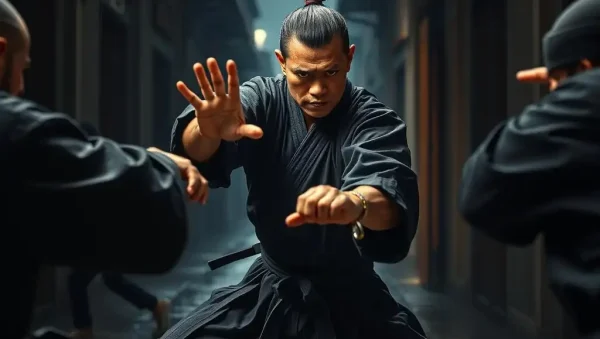
Fast-forward to the 20th century: Bujinkan Budo Taijutsu was founded by Masaaki Hatsumi (1931–present), who inherited nine distinct martial traditions from his teacher, Toshitsugu Takamatsu. Unlike sportive martial arts, Bujinkan is a comprehensive combat system that teaches unarmed techniques, weaponry, and strategy, all framed within the historical ninjutsu and samurai arts. Training focuses on natural body movement, evasion, and controlling distance, rather than rigid forms. This makes it highly adaptable for real-world self-defense, as practitioners learn to respond fluidly to unpredictable attacks.
What sets Bujinkan apart is its non-competitive philosophy—no tournaments, no belts for show, but a systematic curriculum of kata (patterns) that evolve into free-form sparring. Students progress through ten levels (from 10th kyu to 1st dan) and beyond, studying the nine schools including Togakure-ryu (ninjutsu) and Gyokko-ryu (sword). This section breaks down how modern Bujinkan preserves historical techniques while adapting them for today’s practitioners, emphasizing spirituality, awareness, and efficiency over brute force. You’ll discover what a typical class looks like, the rank structure, and how it differs from other martial arts like Aikido or Karate.
🛡️ Core Techniques: Taijutsu, Weapons, and Survival Skills
At the heart of Bujinkan lies taijutsu—body movement that integrates strikes, kicks, joint locks, and throws without wasted effort. You’ll learn core principles like shizumi (stillness) and yomi (reading the opponent), which allow even smaller individuals to neutralize larger attackers. Historical ninjutsu adds climbing, swimming, and plant-based medicine as survival skills, while modern dojo often teach kamae (postures) and daken taihenjutsu (striking body movement). This blend ensures that every technique has a purpose beyond the dojo, addressing scenarios like knife threats or multiple attackers.
Weapon training is equally rich, covering the ninja-to (straight sword), bo staff, hanbo (short staff), and kusarigama (sickle-and-chain). But unlike flashy movie choreography, these weapons are taught as extensions of the body, with an emphasis on flow and adaptability. Additionally, you’ll explore hōjōjutsu (restraint techniques) and shurikenjutsu (throwing), which were historically used for distraction and escape. By focusing on practical application, this subcategory gives you a taste of the rigorous training that transforms niche skills into instinctive reflexes.
🧠 Philosophy and Mindset: The Ninja’s Inner Discipline
Beyond physical prowess, both historical ninjutsu and modern Bujinkan place immense value on mental resilience. The classic ninja philosophy of “nin” means perseverance, endurance, and stealth—not just in combat, but in daily life. Practitioners are taught to observe their environment meticulously, control breathing under stress, and embrace emptiness of mind (mushin) to react without hesitation. This inner discipline distinguishes true ninjutsu from mere fighting, as it fosters patience, humility, and ethical restraint, using violence only as a last resort. You’ll find meditative practices, visualization exercises, and historical codes like the Yoshimori Hyakushu (100 poems) that guide behavior.
This mindset has profound applications in modern life: improved situational awareness, stress management, and decision-making. Unlike aggressive MMA, ninjutsu encourages avoidance and escape as primary strategies. Understanding this philosophical layer helps you appreciate why Bujinkan training feels more like a martial art than a sport—it’s about cultivating a calm, alert, and adaptable character. Whether you’re seeking self-defense or personal growth, this section explains how the shadow warrior’s mental toolkit remains as relevant today as it was centuries ago.
📚 Learning Resources and Getting Started with Bujinkan
Ready to begin? This subcategory provides a curated path for newcomers. Start by finding a qualified Bujinkan instructor (shidoshi) through recognized federations, as authentic lineage matters more than dojo size. Many schools offer online intro courses, but nothing beats hands-on guidance for safety and technique correction. Essential gear includes a dogi (uniform), hanbo, and open mind—expect a steep learning curve without traditional belt politics. We recommend beginner books like Hatsumi’s “Ninjutsu: History and Tradition” and reputable YouTube channels for visual primers, but always cross-check with live practice.
If direct training isn’t available, explore seminars, workshops, and international camps where senior instructors travel. Additionally, complementary arts like taido or jujutsu can build foundational movement, but nothing substitutes authentic Bujinkan. This section also highlights safety protocols, common training injuries, and etiquette (e.g., bowing, respecting weapons). By equipping you with practical steps, we help you avoid pitfalls—like McDojo franchises—and ensure your journey into ninjutsu is both rewarding and authentic.
Frequently Asked Questions
What is the difference between historical ninjutsu and modern Bujinkan?
Historical ninjutsu was a pragmatic system used by feudal spies for espionage and survival, focusing on stealth, sabotage, and escape. Modern Bujinkan, founded by Masaaki Hatsumi, preserves those techniques within a structured martial art that also includes samurai arts. It adds regular training, ranks, and adaptation to contemporary self-defense, keeping core principles but without the historical necessity of assassination or warfare.
Is Bujinkan effective for self-defense?
Yes, Bujinkan is highly effective because it trains natural movement and adaptability against unpredictable attacks. Unlike sport martial arts, it includes defense against grabs, knives, and multiple opponents, emphasizing evasion and escape. However, effectiveness depends on quality of instruction and regular practice. It teaches you to read threats and respond efficiently, making it practical for real-world situations.
How long does it take to become proficient in Bujinkan?
Proficiency varies by individual, but most students see marked improvement in coordination and awareness within 6–12 months. Reaching 1st dan (shodan) typically takes 5–7 years of dedicated training. But even beginners learn basic evasion and strikes quickly. Mastery is lifelong, as Bujinkan offers endless layers of depth, so focus on consistent practice rather than timeline.
Do I need to be physically fit to start ninjutsu?
No, Bujinkan welcomes all fitness levels. Training emphasizes technique over strength, and instructors modify exercises for injuries or limitations. You’ll gradually build flexibility, balance, and endurance through practice. The art is designed to work from any body type, making it accessible for beginners. Always inform your instructor of any health issues to ensure safe modifications.
Are there rankings or belts in Bujinkan?
Yes, Bujinkan uses a kyu/dan system with ten kyu levels (beginner) and ten dan levels (advanced). Ranks are signified by colored belts, often unifying black for dan levels. Promotion requires passing technical exams and is granted by licensed instructors. Unlike sport arts, rankings reflect your understanding of the system’s nine schools, not competition wins.