Preservation of Traditional Martial Arts in the Modern World
Traditional martial arts are living legacies, yet they face unprecedented challenges from digital distractions, commercialized fitness trends, and the convenience of modern self-defense tools. This subcategory on Martial Arts Mastery explores how these ancient practices are being kept alive, adapted, and respected in contemporary society. Whether you are a dedicated practitioner, a cultural historian, or a curious newcomer, you will discover practical pathways for ensuring these arts survive and thrive for future generations.
📜 The Core Challenges Facing Traditional Martial Arts Today 🥋
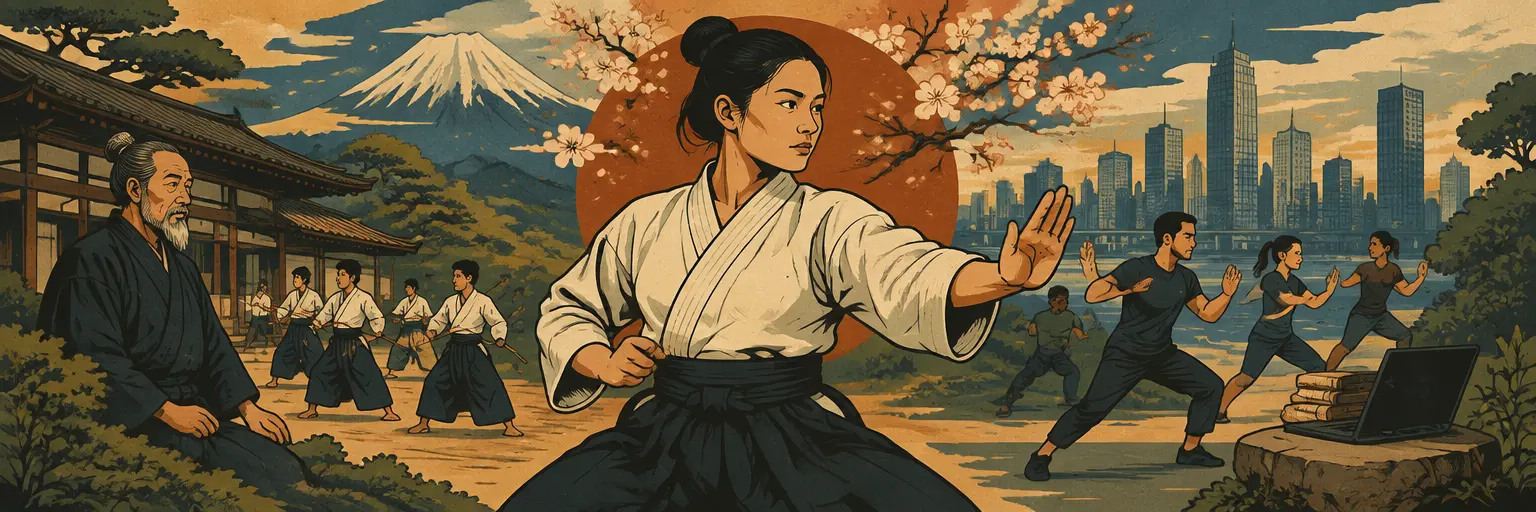
Traditional systems like Aikido, Tai Chi, and classical Karate are often overshadowed by sport-centric or MMA-focused training that prioritizes competitive success over philosophical depth. Additionally, urbanization reduces access to rural masters, while younger generations prefer faster-paced fitness classes. The pressure to modernize often leads to the dilution of forms, spiritual rituals, and lineage-specific techniques. This section highlights the key threats—ranging from cultural erosion to economic unsustainability—and why only proactive preservation efforts can prevent the extinction of these invaluable traditions.
Understanding these challenges is the first step toward meaningful action. By examining case studies of arts that have already disappeared, you will learn how neglect, over-commercialization, and lack of documentation contribute to loss. We also discuss how the COVID-19 pandemic accelerated the shift to online teaching, creating both new opportunities and hidden pitfalls for preserving authenticity. Engaging with this content provides a clear framework for assessing the health of any traditional art you practice or admire.
🏛️ Archival and Documentation: Creating a Digital Legacy 🗂️
One of the most effective preservation strategies is systematic documentation. This involves high-definition video recording of kata, forms, and self-defense applications, alongside transcribed oral histories from living masters. This section guides you through creating structured digital archives that capture not just movements, but also the cultural context, rituals, and pedagogical methods. We explore the use of 3D motion capture, virtual reality training simulations, and open-access databases that allow practitioners worldwide to study rare techniques without geographical barriers.
Documentation is not merely about storage—it is about accessibility. Learn how to build a collaborative archive with lineage organizations, universities, and cultural ministries. We provide tips on metadata standards, multilingual translations, and ethical considerations when filming sacred or secret forms. Digital preservation also allows for future restoration and comparison, helping researchers trace the evolution of techniques over centuries. By turning oral traditions into permanent records, you safeguard the art from the inevitability of human memory loss.
👨👩👧👦 Community-Based Transmission and Mentorship Programs 🧑🏫
Traditional martial arts are inherently relational, passed from master to disciple through years of close contact. Modern preservation therefore hinges on building robust community programs that foster long-term apprenticeships. This section covers the development of “master-apprentice” mentorship schemes, local dojo partnerships, and intergenerational workshops where elders teach youth not just technique, but also etiquette and philosophy. We also highlight successful examples of community festivals and public demonstrations that raise awareness and recruit new adherents.
Community involvement ensures relevance and continuity. Discover how to organize “open dojo” days, school outreach programs, and cultural exchange visits that embed martial arts into local identity. We discuss the importance of creating safe, inclusive spaces for women, children, and minorities, who often face barriers to traditional training. Additionally, we explore how crowdfunding and local sponsorships can sustain these initiatives. A thriving community is the strongest guarantee that an art will not fade away when its current master retires.
📚 Adapting Pedagogy for Modern Learners without Losing Soul 🧠
Modern attention spans, differing physical capabilities, and busy schedules demand innovative teaching methods. This does not mean abandoning tradition; rather, it involves translating core principles into accessible formats. This section explains how to break down complex forms into bite-sized online lessons, use gamification for younger students, and design hybrid curriculums that blend in-person intensity with digital follow-up. Crucially, we emphasize how to maintain the “essence” of the art by preserving its core objectives, stances, and breathing patterns.
Adaptation is a survival mechanism, not a betrayal. Read about successful examples where schools introduced modern warm-ups or incorporated sports science while retaining ritual bows and traditional terminology. We also tackle the sensitive issue of modifying dangerous techniques for safe practice, including using protective gear and controlled sparring. By focusing on underlying principles such as balance, leverage, and mindfulness, you can update delivery without diluting depth. This balanced approach attracts new students while proving your respect for history.
🌍 Global Networking and Cross-Cultural Exchange Initiatives 🤝
Preservation is no longer a local affair in our interconnected world. International federations, virtual seminars, and cross-border training camps are essential for sharing best practices and resources. This section highlights how to partner with martial arts organizations in the art’s country of origin, enabling your students to experience authentic cultural immersion. We also cover the role of social media, YouTube channels, and podcasts in broadcasting traditional arts to global audiences, breaking down misconceptions and building a worldwide practitioner base.
Networking multiplies your impact exponentially. Learn how to establish sister-school relationships, attend international congresses, and contribute to UNESCO’s intangible cultural heritage lists. We provide insights on navigating visa issues, language barriers, and differing rule sets during exchanges. Cross-cultural collaboration encourages the exchange of teaching methodologies, archival techniques, and philosophical insights. Ultimately, a global community acts as a safety net—if one region loses its practice, another can keep it alive and vibrant.
Frequently Asked Questions
What is the biggest threat to traditional martial arts today?
The biggest threat is the loss of experienced masters, combined with dwindling student enrollment due to modern entertainment options and fitness trends that focus on rapid results. Without successors, techniques and philosophies vanish. Commercial pressures also lead to simplified “McDojo” versions that abandon authenticity. Addressing this requires urgent documentation and community building.
Can online videos truly preserve a traditional martial art?
Videos are a vital preservation tool, but they cannot replace in-person correction and the transmission of subtle body mechanics and energetic principles. Effective preservation uses video as a supplement to live training, not a replacement. Ensure recordings capture full context, including stances, footwork, and teaching cues, and pair them with reliable written documentation.
How can young people be attracted to traditional martial arts without diluting them?
Offer introductory workshops that showcase self-defense utility and cultural coolness, then gradually introduce deeper philosophy and forms. Use modern marketing, engaging social media, and trial classes. Emphasize community, discipline, and stress relief. Maintain core rituals but explain their meanings. Rewarding belt progress and providing leadership roles keeps youth committed.
Are there official organizations helping with preservation?
Yes, UNESCO promotes intangible cultural heritage, including several martial arts. National martial arts federations, lineage associations, and academic institutions also fund archiving. However, grassroots efforts are often most impactful. Partnering with these bodies provides legitimacy and resources, but local dojo-led initiatives are crucial for grassroots momentum.
What role should modern technology play in preservation?
Technology is a powerful ally when used ethically. Use motion capture to digitize movements, virtual reality for immersive learning, and artificial intelligence to analyze technique variations. Blockchain can certify lineage authenticity. However, always prioritize the human element—technology should amplify, not replace, the master-student bond. Prevent reliance on screens for deep spiritual practice.