Punic Wars: Roman vs. Carthaginian Martial Systems in Deadly Conflict
🔥 Explore the fierce clash of Roman and Carthaginian martial tactics during the Punic Wars, revealing how their distinct combat strategies shaped…
Read article
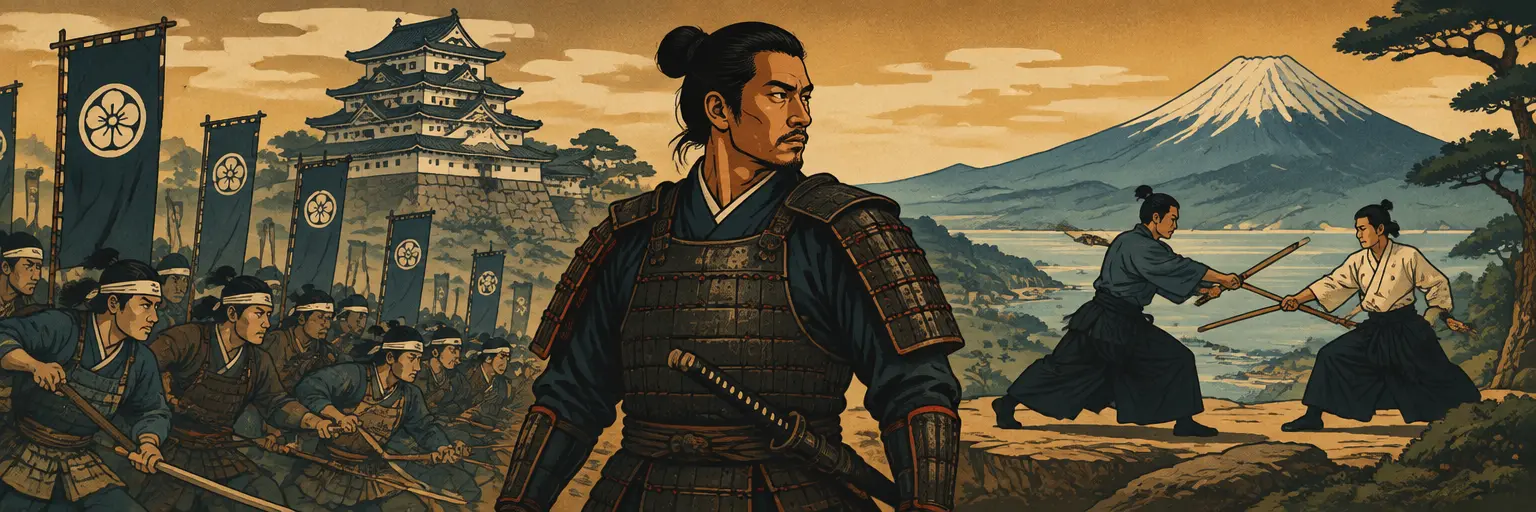
From ancient battlefields to modern special forces, martial arts have been the silent architect of military strategy and soldier survival. Combat systems were born from necessity, forging unarmed techniques that complemented swords, spears, and firearms. Discipline, resilience, and lethal efficiency—these are the enduring legacies of martial arts in warfare, shaping not just individual fighters but entire armies and their tactical doctrines. Discover how kung fu influenced Chinese infantry, how judo was integrated into Japanese military training, and how Krav Maga emerged from urban conflict, transforming ancient principles into modern counter-terrorism and close-quarters combat. Where history meets hand-to-hand combat, you’ll find the true foundation of martial mastery.
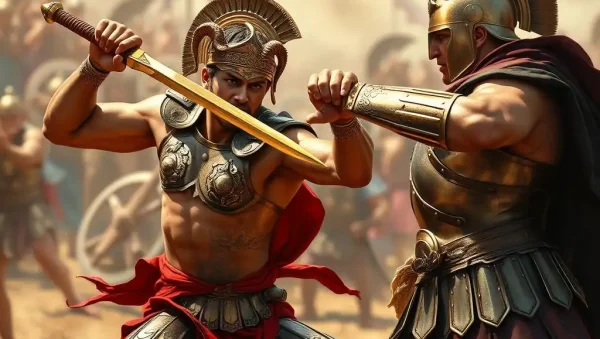
🔥 Explore the fierce clash of Roman and Carthaginian martial tactics during the Punic Wars, revealing how their distinct combat strategies shaped…
Read article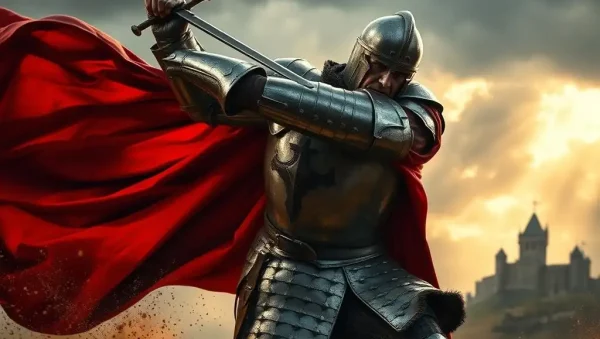
🦁 Discover how Richard the Lionheart exemplified medieval combat mastery through his renowned prowess in Richard Lionheart medieval combat training, blending legendary…
Read article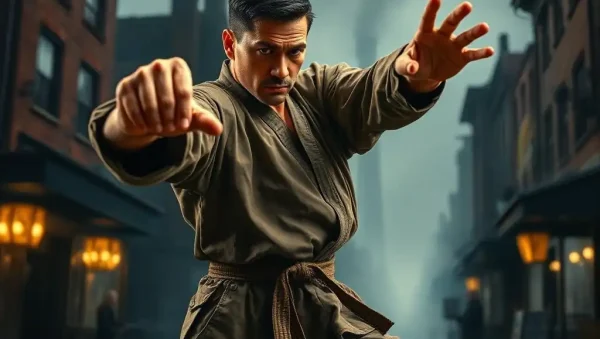
🌟 Discover how military martial arts have profoundly shaped civilian self-defense, fitness, and discipline. This article explores the military martial arts civilian…
Read article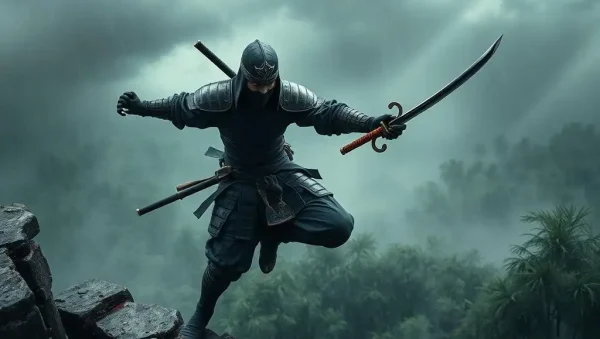
🗡️ Uncover the secrets of ninjutsu tactics feudal Japan, revealing documented espionage methods used by shinobi to gather intelligence, sabotage, and survive…
Read article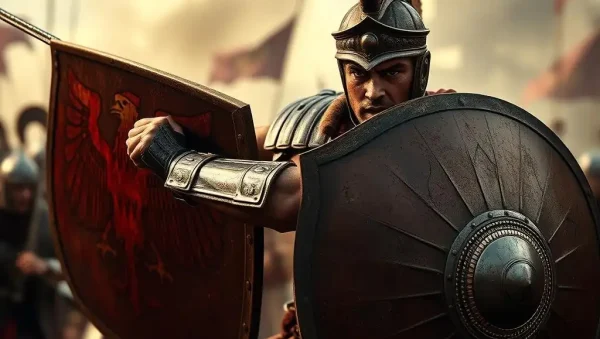
🛡️ Discover the power of Roman scutum fighting techniques, where the shield's formidable defense seamlessly integrates with brutal offensive tactics, exemplifying the…
Read article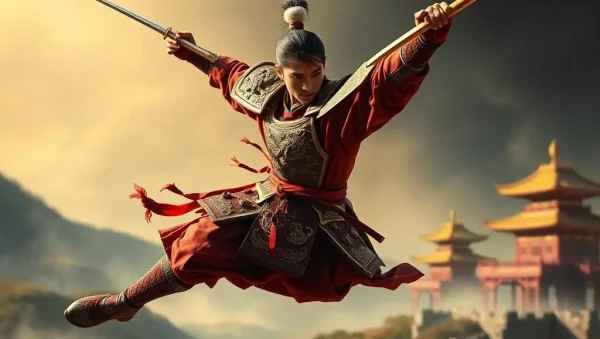
🌟 Discover the Korean Hwarang warrior philosophy training, an elite martial discipline of Silla's youthful warriors that combined martial skill, moral integrity,…
Read article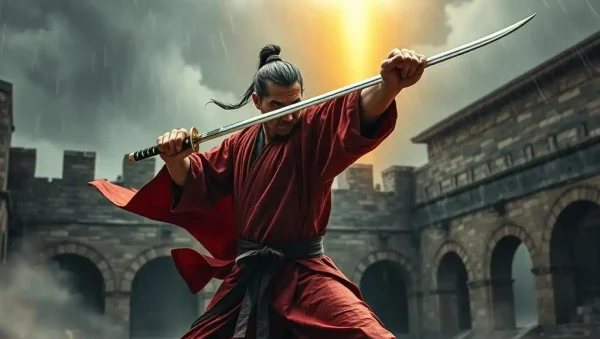
🌟 Throughout martial history, individual martial skill has profoundly shaped small unit tactics, illustrating how personal mastery influences battlefield strategies and the…
Read articleFrom ancient battlefields to modern special operations, martial arts have shaped how armies train, fight, and survive. This subcategory explores the deep connection between combat disciplines and military evolution, revealing how techniques developed for war influenced civilian self-defense and sport. You will discover how nations adopted striking, grappling, and weapon-based systems to enhance soldier effectiveness, and how these practices transformed over centuries into structured training regimens still used today by elite forces worldwide.
In ancient civilizations, martial arts were not optional but essential for soldiers. The Greek pankration, combining boxing and wrestling, was mandatory for Spartan warriors, while Roman legionaries trained with gladius and shield in coordinated formations. Chinese military manuals like the Art of War emphasized unarmed combat as a fallback when weapons failed. These early systems prioritized efficiency, brutal simplicity, and adaptability, ensuring every warrior could fight even if disarmed.
Training often mirrored battlefield scenarios, with drills focusing on thrusts, sweeps, and joint locks designed to disable armored opponents. In India, the Kalarippayattu tradition taught footwork and weapon handling that directly supported cavalry and infantry tactics. Armies that neglected hand-to-hand training suffered in close-quarter engagements, as historical records from the Roman–Parthian wars demonstrate. Thus, martial arts became a strategic asset, not merely a personal skill, shaping the outcomes of entire campaigns.
During the medieval era, martial arts evolved into specialized systems tied to social class and weaponry. Japanese Bujutsu encompassed kenjutsu (sword), sojutsu (spear), and jujutsu (grappling), every technique designed for armored samurai on chaotic battlefields. Similarly, European knights practiced Fechtbücher—illustrated manuals teaching longsword, dagger, and mounted combat. These arts emphasized timing, leverage, and exploiting armor gaps, reflecting the reality of heavy steel protection.
Military training grounds became laboratories for innovation. The samurai’s focus on maai (combat distance) influenced how formations advanced, while European grappling arts helped knights recover after dismounting. Over time, these military systems filtered into civilian populations, creating local self-defense traditions. The strict hierarchies of feudal armies ensured that martial knowledge was passed down within warrior families, preserving techniques that later became the foundation of modern judo, kendo, and historical European martial arts (HEMA).
As empires expanded, military personnel encountered diverse fighting styles, leading to cross-pollination. British officers studied Indian lathi stick fighting and Malay silat, integrating elements into colonial police training. French Foreign Legion recruits learned Savate from Marseille dockworkers, adapting kicks for urban riots. Meanwhile, Chinese martial arts like Wing Chun gained military favor during the Taiping Rebellion for their effectiveness in close quarters aboard ships and inside buildings.
This era also saw the formalization of military physical training. Drill instructors codified basic strikes and blocks into simplified systems usable by conscripts with minimal instruction time. The American military adopted aspects of bayonet fencing that borrowed from European saber techniques. By the late 1800s, military manuals standardized hand-to-hand combat methods, ensuring every soldier learned consistent baseline defensive skills. This globalization reshaped martial arts from secret family traditions into publicly taught disciplines, often stripped of their philosophical aspects for pragmatic military use.
The world wars accelerated martial arts’ military integration dramatically. During WWII, Allied forces developed combatives—streamlined systems combining jiu-jitsu, boxing, and knife fighting—for quick training of millions of troops. British officer W.E. Fairbairn created a brutally efficient method for Shanghai police and later refined it for commandos. American soldiers learned Judo throws and hand strikes to neutralize sentries silently. These programs emphasized aggression, disabling strikes, and immediate escapes over sport or tradition.
Post-war, military hand-to-hand training evolved further with the creation of Marine Corps Martial Arts Program (MCMAP) and the Army’s Combatives based on Brazilian Jiu-Jitsu and Muay Thai. Modern special forces integrate Krav Maga, developed by the Israeli military, focusing on real-world threats like knife attacks and multiple opponents. These contemporary systems continuously adapt based on feedback from Afghanistan and Iraq conflicts, proving that martial arts remain vital despite advanced firearms. The emphasis is now on cognitive decision-making under stress, blending physical technique with tactical awareness.
Military martial arts cultivate discipline, resilience, and situational awareness that extend far beyond hand-to-hand combat. Drill instructors use repetitive bagwork and sparring to build stress inoculation, enabling soldiers to think clearly under fire. The budo principles from Japanese arts—like zanshin (relaxed alertness)—are integrated into modern marksmanship and patrolling. Martial arts training also fosters unit cohesion, as soldiers trust their buddies’ fighting capabilities, crucial for teamwork in close-quarter battles.
Moreover, these practices provide ethical frameworks for handling prisoners and de-escalating non-lethal confrontations. Many military manuals emphasize restraining techniques over lethal force, reducing war crimes and civilian casualties. The psychological confidence gained from competent self-defense reduces fear-induced panic, allowing soldiers to execute complex maneuvers even when ambushed. Consequently, martial arts in military history are not merely a list of moves but a complete operational philosophy, influencing leadership, endurance, and moral judgment in warfare.
Jujutsu and its derivative judo are arguably the most influential, as they were adopted by nearly every major military power from the late 1800s onward. Their grappling techniques proved effective for disarming and controlling enemies without weapons, leading to their inclusion in police and military curricula worldwide, including the US Army’s combatives system.
Yes, most ancient armies included unarmed drills as backup training. Greek hoplites practiced wrestling, Chinese soldiers trained in hand strikes and throws, and even Roman legionaries learned basic grappling. These skills were essential when weapons broke or soldiers became separated from their units, offering a last line of defense.
Modern military systems prioritize speed, simplicity, and real-world threat scenarios, often discarding forms and rituals from traditional arts. They focus on gross motor movements that work under adrenaline, unlike traditional styles that may emphasize precise but slow techniques. Modern training also integrates firearms handling with hand-to-hand responses, which traditional methods lack.
Yes, most modern military systems like MCMAP and Krav Maga are openly taught at civilian gyms and self-defense schools. However, some elements involving firearms and lethal knife work may be restricted to licensed instructors or military personnel. Civilians still learn the core defensive techniques, which are highly effective and modified for legal self-defense contexts.
Firearms made armor obsolete, but close-quarters combat remained frequent in urban and trench warfare. Therefore, martial arts shifted focus to lightweight grappling and fast disarming techniques rather than heavy weapon forms. However, blade skills persisted for silent operations, leading to modern military knife fighting systems that retain historical roots while adapting to modern gear.