The Hidden Meanings in Your Dojo's Layout: A Symbolic Tour
🌸 Discover the fascinating Dojo layout symbolism meaning, revealing how each space and arrangement reflects martial arts philosophies, fosters discipline, and enhances…
Read article
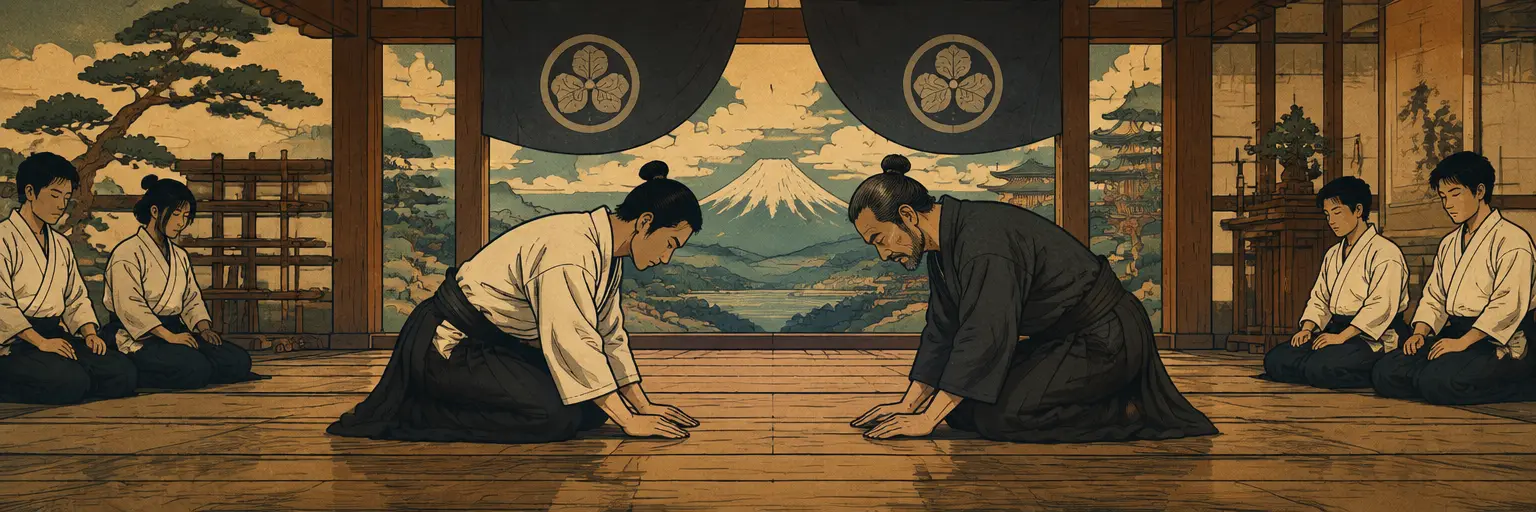
Discover the soul of martial arts beyond punches and kicks with our exploration of rituals and traditions—from dojo etiquette and ceremonial bows to time-honored training customs that shape discipline, respect, and mental focus. These practices are not mere formality; they are the living bridge between past masters and modern practitioners, anchoring every session in deeper meaning. Whether you’re a beginner or a seasoned black belt, understanding rei (bowing), proper conduct on the mats, or the symbolism behind opening and closing ceremonies enriches your journey and elevates your craft. Unlock how these sacred routines build character, humility, and community, while also enhancing your technical growth. Embrace the tradition—your training will never feel the same.
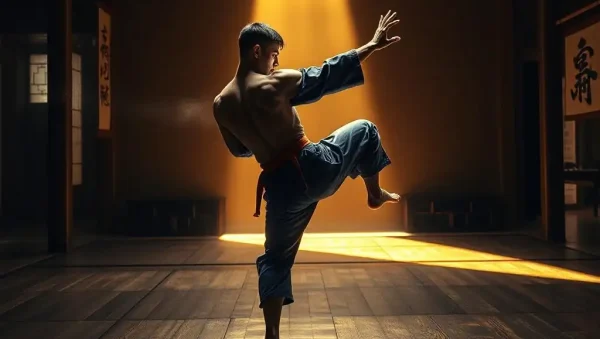
🌸 Discover the fascinating Dojo layout symbolism meaning, revealing how each space and arrangement reflects martial arts philosophies, fosters discipline, and enhances…
Read article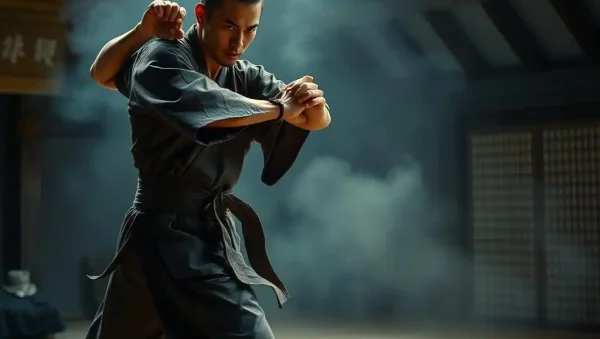
🤝 Respectful martial arts class questions foster better learning and mutual respect. Asking thoughtful questions demonstrates humility and a desire to improve,…
Read article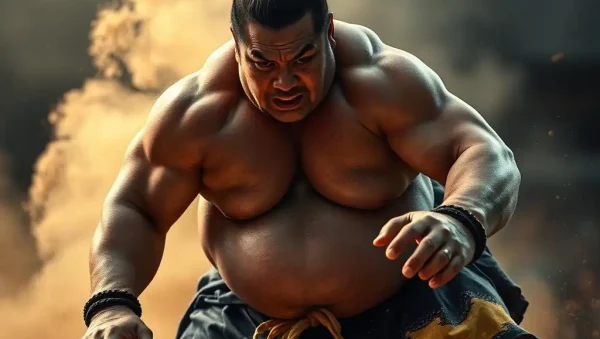
🥋 Discover the captivating world of sumo wrestling ancient rituals, where each ceremony reflects centuries-old traditions that blend spiritual significance with martial…
Read article
🥋 Discover whether the Dojo Kun Recitation is a sacred oath or a daily reminder as we explore the Dojo kun meaning…
Read article
🥋 Discover how martial arts chanting techniques, rooted in ancient rituals, empower modern warriors by enhancing focus, spiritual connection, and mental resilience,…
Read article
🥋 Discover essential Respectful Sensei-Student Communication Guidelines to honor martial arts hierarchies. Learn how proper titles and respectful language foster discipline, humility,…
Read article
🥋 Proper dojo entry and exit are essential first steps in martial arts, cultivating respect and discipline. Mastering these rituals sets the…
Read articleStep onto the mat, and you enter a world where every bow, clap, and silent pause carries centuries of meaning. In martial arts, rituals and traditions are not mere formalities—they are the living bridge between past masters and present students, shaping discipline, respect, and mental focus. This subcategory explores the profound etiquette (reishiki), ceremonial practices, and symbolic gestures that transform a training space into a sacred arena. Whether you practice karate, judo, kendo, or taekwondo, understanding these customs deepens your connection to the art and enhances your personal growth. Dive into the unspoken language of the dojo, where every action tells a story of honor, humility, and relentless self-improvement.
Dojo etiquette begins the moment you approach the training hall. The bow at the entrance (often called rei in Japanese arts) is not a simple greeting—it is a symbol of leaving the outside world behind and showing gratitude to the space that fosters your growth. You’ll learn the precise sequence: bow when crossing the threshold, bow to the instructor (sensei) and senior students, and bow again when exiting. These actions cultivate mindfulness and humility, reminding you that every session is a privilege, not a right.
Beyond the entrance, etiquette governs daily interactions: addressing instructors by their proper titles, waiting for permission before leaving the line, and never stepping over someone’s training equipment. These unwritten rules build a safe, respectful environment where ego is checked at the door. For beginners, mastering this protocol signals readiness to learn; for veterans, it reinforces the lifelong commitment to the art. Expect practical tips on adapting etiquette across different styles—from Japanese dojo to Brazilian jiu-jitsu academies—so you feel confident in any setting.
Every great class begins and ends with ceremony. In traditional styles, the opening ritual often includes lining up in rank order, a formal bow to the shomen (front wall), and a collective recitation of the dojo kun (training principles). This synchronizes the group’s energy, shifting minds from daily stress to focused intent. Similarly, the closing ceremony—with its final bow, thanks to the instructor, and sometimes a brief meditation—provides closure, allowing students to absorb lessons before returning to ordinary life. These bookends are not filler; they are psychological anchors that prime your brain for learning and retention.
Specific arts add unique flourishes: karate styles may clap once to ward off evil spirits, while kendo includes a silent moment of mokusō (meditation). Taekwondo schools often incorporate the Korean national anthem or Taegeuk pledges, reinforcing cultural heritage. This section explains the meaning behind each element, showing how the ritual structure enhances focus, builds camaraderie, and instills a deep sense of purpose. You’ll also find guidance on adapting these ceremonies for modern, non-traditional schools without losing their essence, making them relevant for both newcomers and seasoned practitioners.
Walk into any traditional dojo, and you’ll notice a small altar (kamidana) on the shomen, often holding a scroll, a photo of the founder, or a symbolic sword. This is not religious worship; it is a mark of respect for the lineage and the spirits of the art. Beyond altars, flags representing the style’s origin country, calligraphy of core virtues (like bushido), and even the arrangement of training mats carry symbolic weight. Your gi (uniform) and belt are also ritual objects—the belt’s color progression from white to black is a visual chronicle of your journey, and its tying ritual (never letting it touch the ground) reflects self-respect.
Understanding these symbols helps you appreciate why certain objects are treated with reverence. For instance, the bokken (wooden sword) in aikido is never pointed at a person carelessly, and the shinai (bamboo sword) in kendo is handled with two hands as a sign of control. This subsection provides a detailed tour of common dojo icons, their historical origins, and practical advice on how to integrate these objects respectfully into your own training space, whether you practice at home or in a studio. It’s a fascinating lens into how physical items become vessels of tradition and discipline.
Few moments in martial arts are as charged as belt promotion ceremonies. These are not just tests of skill—they are rite-of-passage rituals that mark your evolution as a martial artist. The ceremony often involves a formal demonstration, a break of boards or bricks (in breaking arts), and an emotional moment where the instructor ties your new belt. In many traditions, students must bow and then have the belt tied by a senior, symbolizing the passing of knowledge. The ritual also includes a speech about the virtues of the new rank, personal reflection, and sometimes a group cheer or acknowledgment from peers. These ceremonies forge a deep emotional bond with the art and your training community.
Beyond the belt itself, rank advancement encompasses dan and kyu systems, each with its own protocols for testing, fees, and celebrations. Some schools hold public gradings where senior students serve as judges; others use private tests followed by a communal meal. This section guides you through what to expect at your next grading, how to prepare mentally and physically, and how to honor the ritual without letting anxiety overshadow the achievement. You’ll also learn about lesser-known traditions, such as embroidering your name on your belt after testing or receiving a certificate signed by the founder—details that add layers of meaning to your progress.
The true power of martial arts rituals lies in their portability. Personal rituals—such as a short morning bow toward your training area, a moment of gratitude before sparring, or a focused breathing exercise after practice—help you internalize the discipline. Many practitioners create a home dojo corner with symbols that remind them of their goals, using a small chant or affirmation before training sessions. These micro-rituals anchor your day, reduce anxiety, and build a consistent training habit. Research in sports psychology shows that pre-performance routines enhance focus and reduce the "yips" (performance anxiety), which is why elite athletes across all disciplines adopt ritual-like behaviors.
Additionally, you can extend martial arts etiquette into daily life: bowing to greet elders, showing respect in conversation, and carrying the posture of awareness. This video-rich section includes practical examples of how to create a personal ritual that fits your schedule—whether you have five minutes or fifty—and how to blend traditional elements (like a silent mokusō) with modern mindfulness techniques. The goal is not to mimic the dojo artificially, but to let its values permeate your actions, turning every mundane moment into an opportunity for self-cultivation. By the end, you’ll see rituals not as rules but as a toolkit for a more centered, respectful life.
The most critical rule is to always show respect through bowing and addressing instructors as "Sensei" or their proper title. This establishes a baseline of humility and openness to learning. Beginners should also arrive early, clean the training area, and ask permission before leaving the line. These actions signal your commitment and protect the dojo’s harmonious atmosphere, which is essential for effective training.
The shomen represents the spiritual heart of the dojo, housing the space’s intention and the lineage of the art. Bowing to it is a gesture of gratitude to the founders and masters who preserved the knowledge you’re learning. It’s not worship but a symbolic acknowledgment that you are part of a larger tradition, reminding you to train with humility and purpose.
No, but they are extremely common in Japanese and Korean arts like karate, taekwondo, and judo. Some modern systems, like Brazilian Jiu-Jitsu, have their own less formalized promotion rituals, while others (e.g., certain forms of tai chi) may not use belts at all. Regardless of the specific ceremony, the underlying purpose—marking progress and reinforcing commitment—remains universal.
Absolutely. You can create a small home training space with a bowing area, photos of masters, or a symbolic object that inspires you. Begin each session with a short bow or meditation, and end with a gratitude pause. These personal rituals help you stay disciplined and connected, even without a formal community, and they align well with modern mindfulness practices.
Treat every weapon or ceremonial object (like a sword, staff, or bokken) as if it is alive. Never point it at a person, never let it rest on the floor unattended (unless instructed), and always use two hands to give or receive it. When bowing to a weapon, bow to the object’s "spirit" as a respect to its craftsmanship and purpose. This etiquette preserves the object’s integrity and prevents accidents.