From Panels to Punches: The Influence of Martial Arts Films on Comic Books
🥋 Explore how martial arts film influence has shaped comic book storytelling, blending dynamic fight choreography with visual artistry to inspire legendary…
Read article
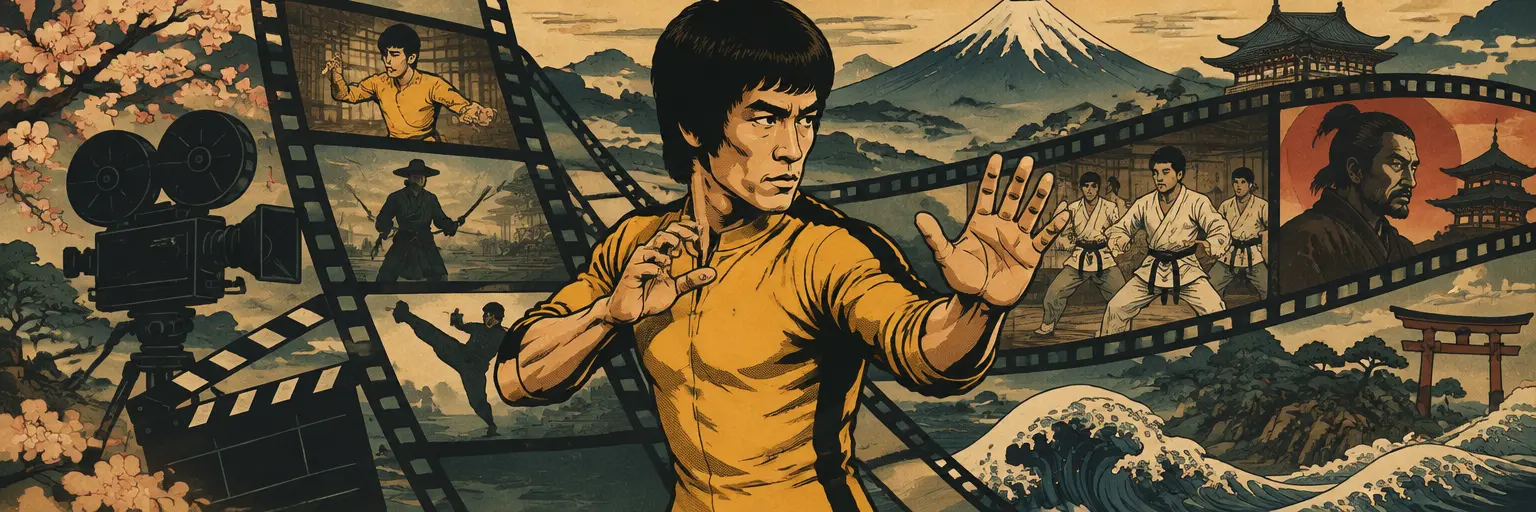
From the silent-film era to today’s high-octane blockbusters, martial arts have transcended the dojo to become a global cinematic language 🥋🎬. This exploration dives into how films, television, and digital media have shaped public perception, fueled cross-cultural exchange, and immortalized iconic techniques and philosophies. Discover how choreographed combat became a storytelling vehicle for discipline, honor, and resilience, influencing everything from action choreography to fashion trends. Whether you’re a film buff or a practitioner, this journey reveals the profound cultural footprint of martial arts, proving that a single punch on screen can echo across generations and continents. Uncover the legends, the tropes, and the transformative power of media in bringing ancient traditions to modern audiences.
🥋 Explore how martial arts film influence has shaped comic book storytelling, blending dynamic fight choreography with visual artistry to inspire legendary…
Read article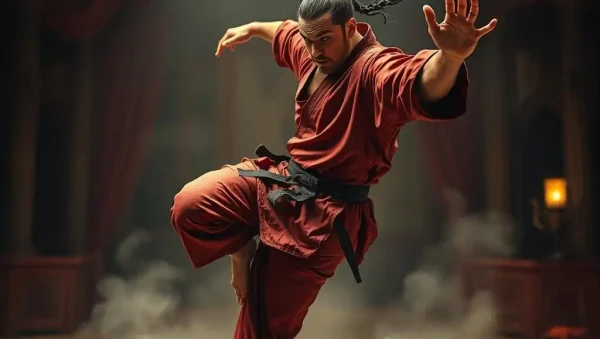
🎬 Explore how early martial arts cinema history evolved from theatrical performances, blending stage techniques with cinematic storytelling, shaping the dynamic martial…
Read article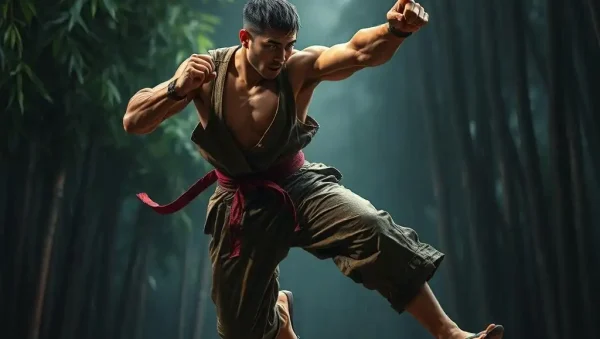
🎬 Discover the vital role of stunt performers in martial arts cinema, where their skill, courage, and precision elevate action sequences, making…
Read article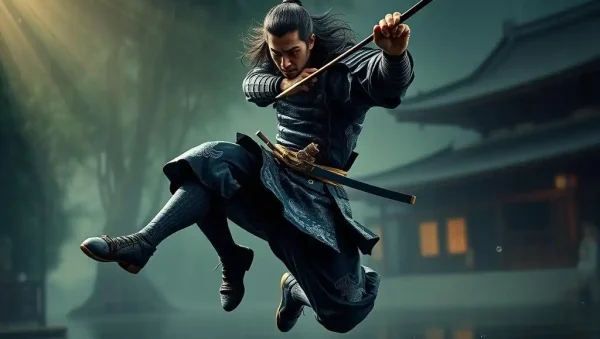
🎌 Explore the Bushido samurai film philosophy's portrayal and misinterpretation in cinema, revealing how these films often distort traditional samurai values. Delve…
Read article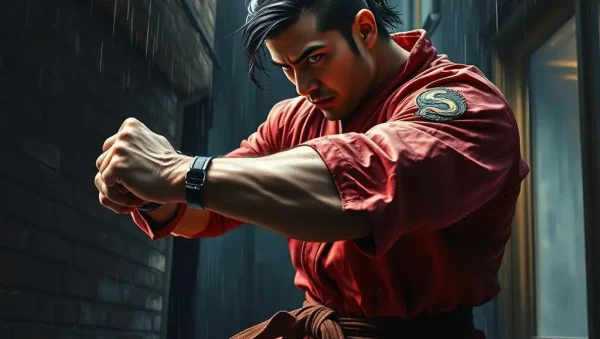
🔥 Explore how villainous martial arts movie tropes have shaped iconic villains in cinema, influencing global perceptions of martial arts and inspiring…
Read article
🎬 Film influenced martial arts styles have skyrocketed from local dojos to global recognition, showcasing the transformative power of cinema in popularizing…
Read article
🎯 Dive into the evolution of martial arts TV series, exploring how these shows have shaped global perceptions of martial arts mastery,…
Read articleMartial arts have transcended the dojo and the self-defense floor, evolving into a powerful global language spoken through film, television, and digital media. On "Martial Arts Mastery," our Cultural Impact of Martial Arts in Cinema and Media subcategory delves deep into how Bruce Lee’s kicks, Jackie Chan’s stunts, and anime’s choreography have shaped societal perceptions of discipline, honor, and heroism. This section uncovers the symbiotic relationship between screen storytelling and real-world training, revealing why audiences from Hollywood to Hong Kong are captivated by the physical poetry of combat. Expect rich historical context, analysis of stylistic evolutions, and insights into the media’s role in democratizing martial arts knowledge.
This era, spanning the late 1960s through the 1970s, transformed martial arts from a niche practice into a worldwide phenomenon. Figures like Bruce Lee and Shaw Brothers studios introduced complex choreography and philosophical depth to action films, breaking box office records across Asia and the West. Here, you’ll discover how Hong Kong cinema established tropes still used today—from the lone hero’s journey to the teaching montage—and how these films influenced everything from hip-hop culture to modern action choreography.
We also examine the cultural exchange ignited by these movies, as Western audiences suddenly became fascinated with Eastern spirituality and physical discipline. This section analyzes specific films like *Enter the Dragon* and *Five Deadly Venoms*, explaining their narrative structures and fight sequences, plus their legacy in inspiring countless sequels, remakes, and dedicated fan communities. By understanding this golden age, you’ll see how cinema acted as a bridge, making martial arts accessible to millions who had never stepped foot on a training mat.
Action choreography has undergone a dramatic metamorphosis, mirroring changes in technology, audience taste, and athlete-actors’ capabilities. This phase focuses on the move from the operatic, stylized combat of the ’70s to the gritty, hand-to-hand realism popularized by films like *The Raid* and the *John Wick* series. We detail how directors and stunt teams now blend multiple disciplines—from Muay Thai to Brazilian Jiu-Jitsu—to create believable, visceral fights that respect the science behind each strike and throw.
You’ll also explore the influence of wirework and CGI, contrasted with the rise of practical stunt performers like Jackie Chan, who risked life and limb for authenticity. The section breaks down how modern media uses slow-motion, camera angles, and sound design to amplify impact, shaping viewer expectations for what a “real” martial artist can achieve. This evolution impacts not just film but also television series and documentary filmmaking, where training regimens and fight breakdowns have become popular subgenres in their own right.
Television has been a consistent, perhaps underappreciated, vehicle for martial arts culture, from the 1970s series *Kung Fu* to modern hits like *Cobra Kai* and *Warrior*. This segment highlights how serialized storytelling allows for deeper character development and exploration of martial arts philosophy across multiple episodes. Documentaries such as *I Am Bruce Lee* and reality competitions like *The Ultimate Fighter* bring actual practitioners into living rooms, validating training techniques and promoting a sense of community among viewers.
We also investigate the impact of anime and animation—*Dragon Ball Z*, *Naruto*, and *Avatar: The Last Airbender*—which have introduced millions of young people to martial arts concepts via fantasy and myth. The analysis covers how these shows often simplify or exaggerate techniques while maintaining core values like discipline, perseverance, and respect. This broadcast and streaming landscape has created new stars, fueled gym memberships, and provided a digital archive of techniques for enthusiasts worldwide.
Video games have evolved from simple button-mashers to sophisticated simulation platforms that teach real combat theories, with franchises like *Street Fighter*, *Tekken*, and *Mortal Kombat* at the forefront. This exploration focuses on how game designers consult martial arts experts to ensure authentic movement, stance alignment, and counter-attack logic. Players learn about timing, spacing, and risk-reward through competitive online play, indirectly building a foundational understanding of actual fighting strategies.
Additionally, we cover the rise of VR training tools and motion-capture performances that blur the line between entertainment and education. From *Beat Saber*’s rhythmic strikes to dedicated martial arts VR simulators, interactive media offer low-pressure environments for practicing technique. This section also discusses how e-sports tournaments and streaming platforms have created celebrity players who analyze fights like real coaches, further seeding martial arts terminology and strategy into mainstream digital culture.
Martial arts media have consistently served as a global language for discussing identity, resistance, and empowerment. This section dives into how films and shows from different nations—Japan’s *samurai epics*, Thailand’s *Muay Thai dramas*, and India’s *Kalarippayattu features*—reflect local values while appealing to international audiences. We analyze how these narratives often portray martial arts as a pathway for underdogs overcoming systemic oppression, from Bruce Lee’s anti-colonialist roles to modern female-led action films challenging gender stereotypes.
This segment also examines media’s role in preserving and commodifying cultural traditions, touching on issues of cultural appropriation versus respectful representation. Through case studies of successful and controversial portrayals, you’ll learn how creators navigate authenticity, sparking conversations about who gets to tell martial arts stories. The broader impact is clear: media not only entertains but also influences fashion trends, language, and even national tourism, as fans travel to visit iconic filming locations and train at local schools.
Bruce Lee revolutionized the genre by introducing unfiltered speed and real technique to film at a time when fights were dramatized. His philosophy of *Jeet Kune Do* broke traditional molds, and movies like *Enter the Dragon* proved martial arts could sell globally. His screen persona and on-screen charisma created a blueprint for action stars, making him a cultural icon whose influence persists in choreography and authenticity today.
Anime has driven many westerners to seek martial arts classes, inspired by shows like *Dragon Ball Z*’s energy blasts or *Naruto*’s taijutsu. While techniques are exaggerated, the core lessons—perseverance, respect, and incremental progress—resonate deeply. Gyms often see a spike in enrollment after popular seasons air, and instructors use anime as a gateway to explain concepts like conditioning and sparring, making training more relatable for younger audiences.
Stage fighting prioritizes visual impact, safety, and choreography to tell a story, often using exaggerated punches or dramatic falls that wouldn’t work in a real conflict. Self-defense martial arts focus on efficient, practical movements to neutralize threats quickly. Media can blur these lines, so it’s vital for viewers to understand that movie fights are entertainment—real training emphasizes situational awareness, legal boundaries, and effective, repeatable techniques under stress.
Rarely, and often by design. Filmmakers compress time, dramatize impacts, and often combine styles to create dynamic visual sequences. For example, a movie might showcase a spinning jump kick that is impressive on screen but leaves you vulnerable in real combat. However, many productions hire technical advisors to ensure some realism, and silent films often highlight specific, recognizable techniques. Accuracy is sacrificed for storytelling, but core principles of balance and timing usually remain.
Watch with a critical eye: slow down fight sequences to observe footwork, guard placement, and how fighters control distance. Many films feature master-apprentice dynamics that illustrate teaching methods and patience. However, avoid copying dangerous stunts. Instead, draw inspiration for your drill routines, meditation practices, or even to identify gaps in your own self-defense game. Pair this with reading analyses and tutorials on sites like *Martial Arts Mastery* to translate screen action into safe, effective training habits.